5 days in Puglia

Hello!!

A couple of months ago, I visited the beautiful region of Apulia in southern Italy (Puglia in Italian) and it was amazing! If you’re looking for a budget-friendly holiday destination with fantastic food that will have you living out all your main character dreams, you need to add this to your list. This is what we got up to!
  1. Day 1 – Bari to Monopoli
    1. How do I get to Puglia?
  2. Monopoli
    1. Places to visit in Monopoli
  3. Day 2 – Alberobello
    1. The Trulli
    2. How to get to Alberobello
  4. Day 3 – Polignano a Mare
    1. Places to visit in Polignano a mare:
  5. Day 4 – Back to Bari and a day trip to Matera, Basilicata
  6. Day 5 – Our last day in Puglia – Exploring Bari
    1. Things to see and do in Bari
  7. 5 things you must try whilst in Apulia (Puglia)

Day 1 – Bari to Monopoli

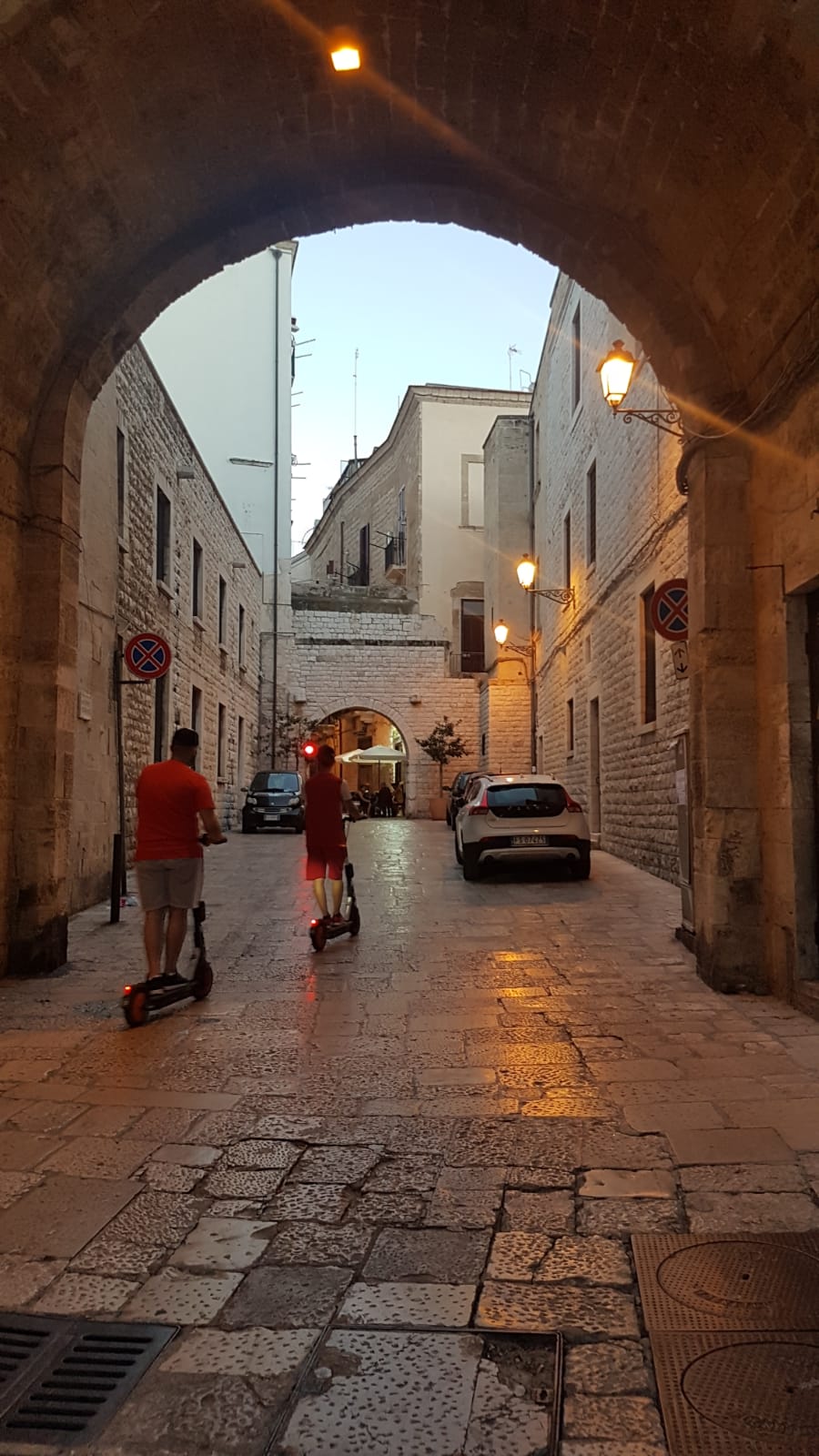
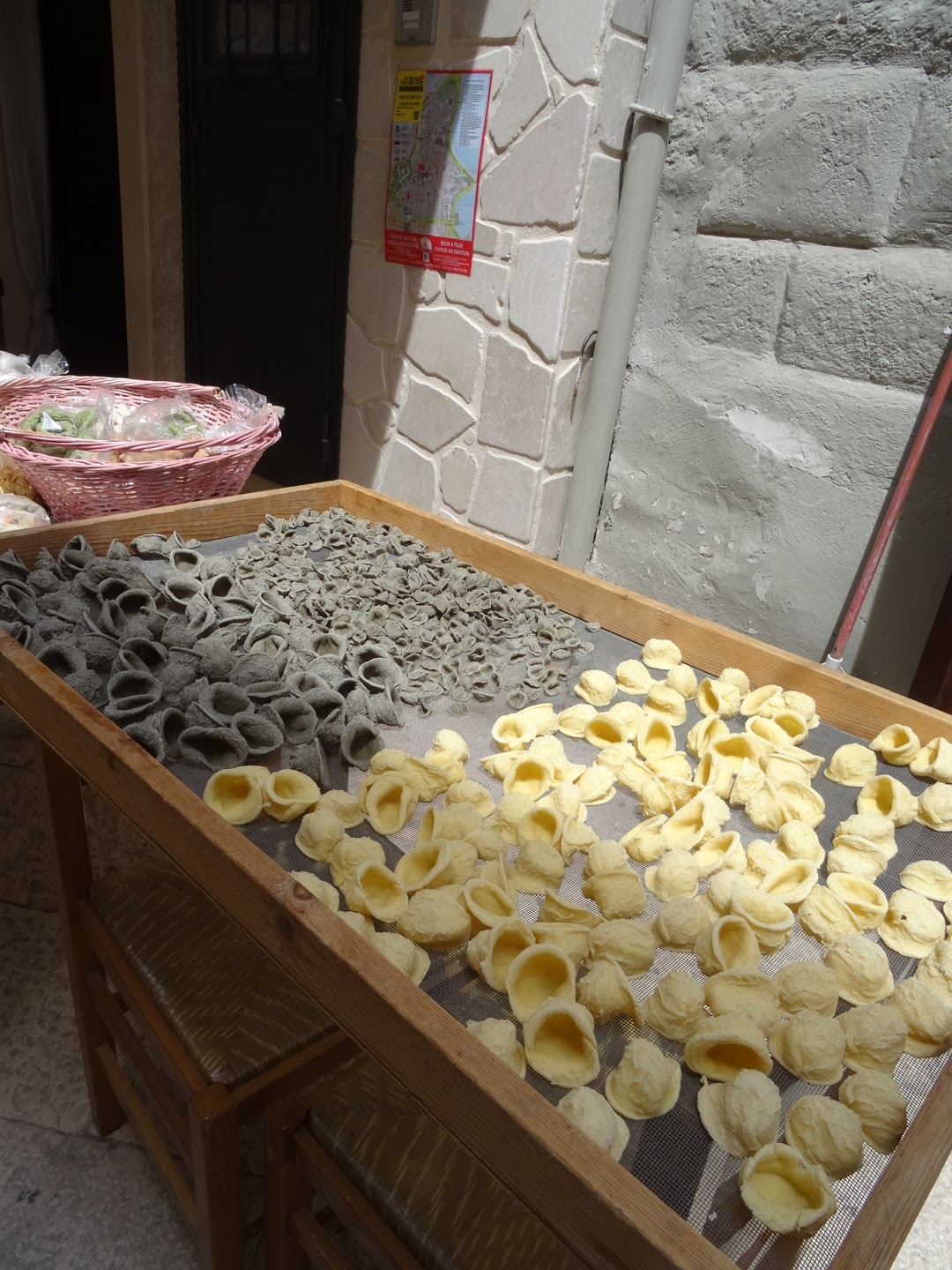
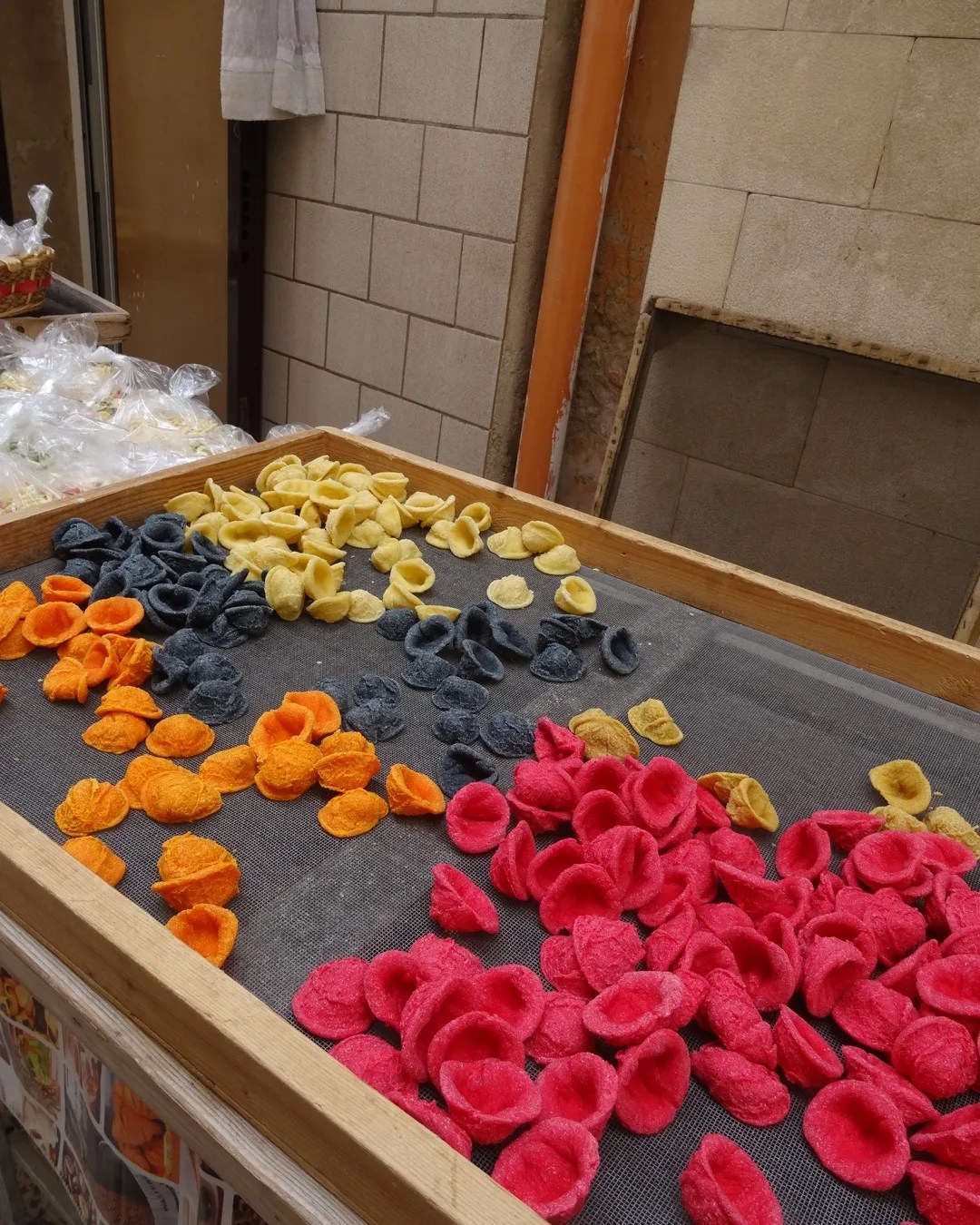
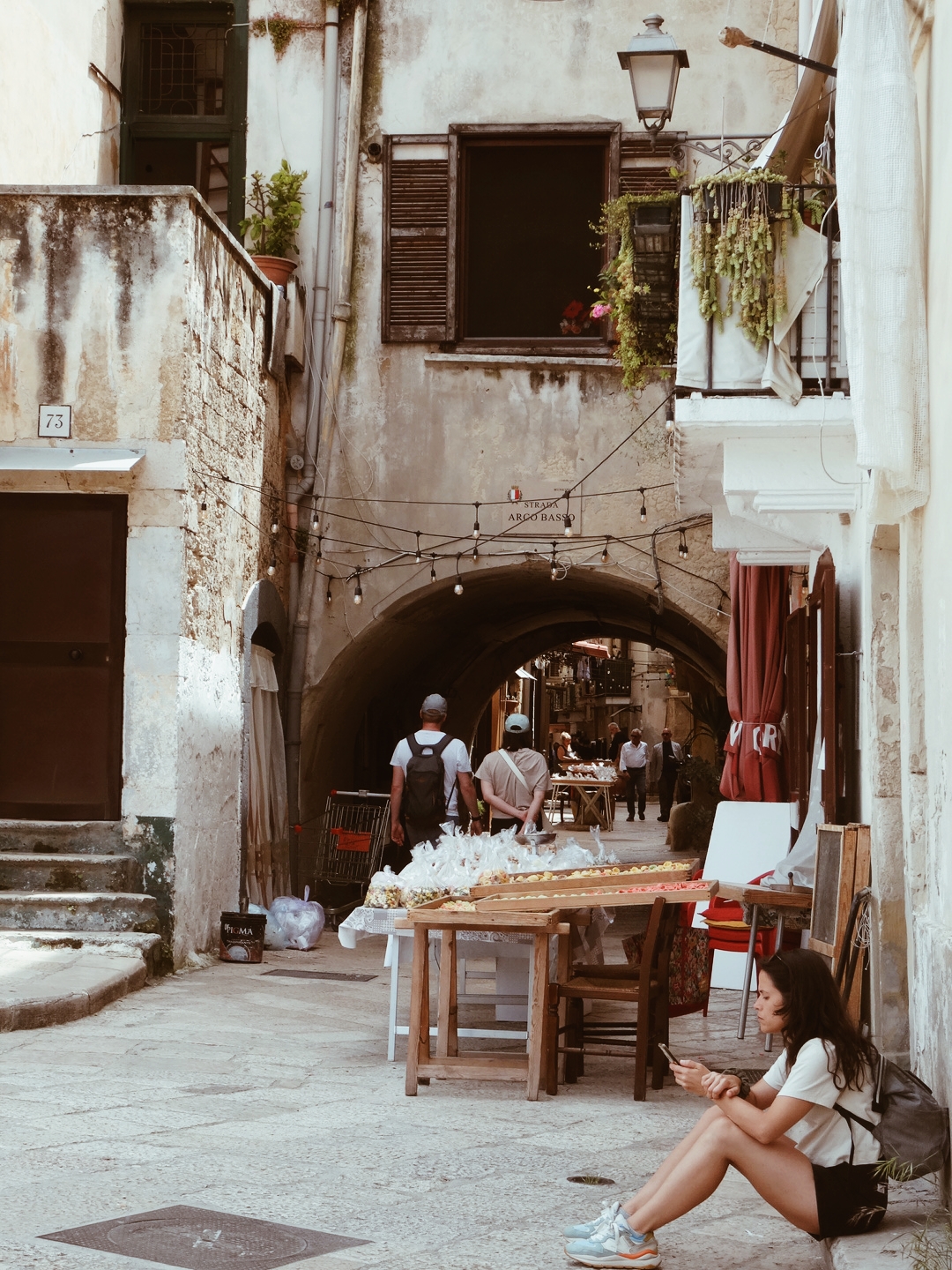
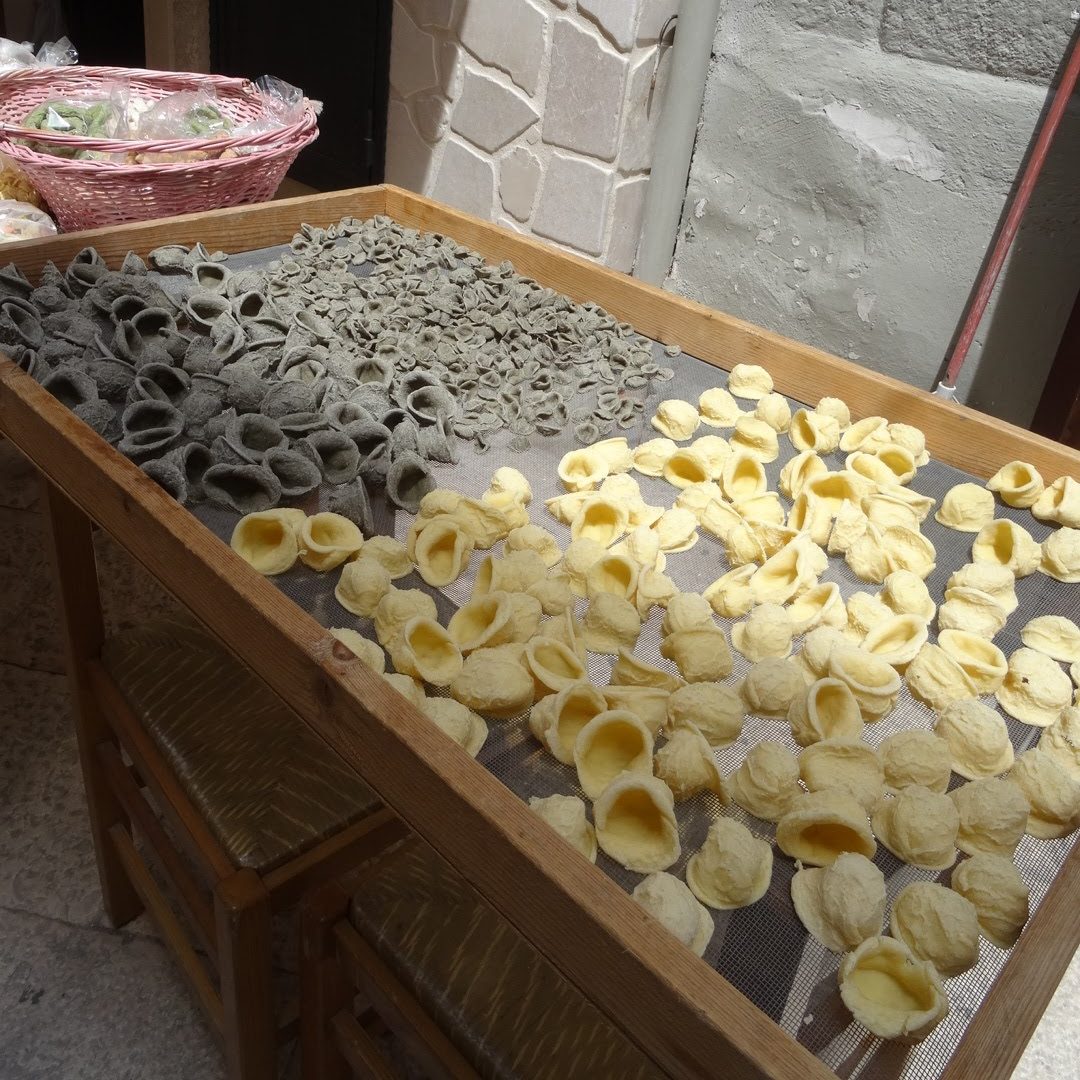
Puglia is a southern region forming the heel of Italy’s “boot,” and is known for its whitewashed hill towns and beautiful coastline. We started our trip in Bari, the capital of the region; a vibrant port and university town. The old town (Bari Vecchia), is a maze of narrow roads and white dry-stone wall buildings; local women sit outside their houses expertly moulding delicate orecchiette (little ears) whilst chatting and updating each other on the latest town gossip. You’ll see orecchiette made in varying sizes and colours; if you want to buy some get a bag of the traditional orecchiette which is small and pale in colour.
How do I get to Puglia?

We flew to Bari airport, but you can also fly to Brindisi airport and start your trip from there. From the airport, we took the train to Bari Centrale. The train station is next to the airport, and it took us around 20 minutes to reach the centre. Tickets cost €5.20 per person for a single trip.

Once we reached Bari, it was time to find something to eat! If you fancy something quick but quite filling, I recommend getting an octopus sandwich from one of the many sandwich shops around Bari; it’s so good! We had some time to spare, so we opted for a sit-down meal at La Tana del Polpo. I had seen quite a few people recommend this restaurant but it was a little disappointing, so I won’t go into any details.

After lunch, we returned to the station to take the train to Monopoli where we would be based for most of our trip.
Monopoli

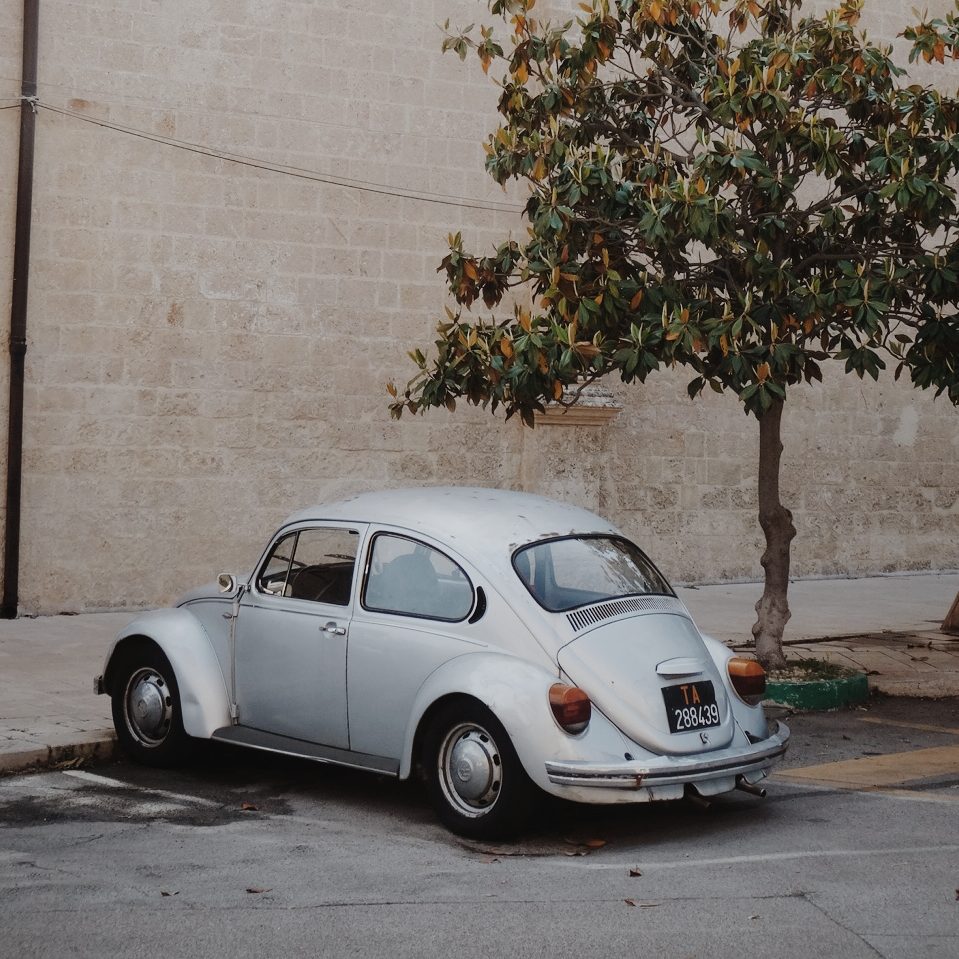
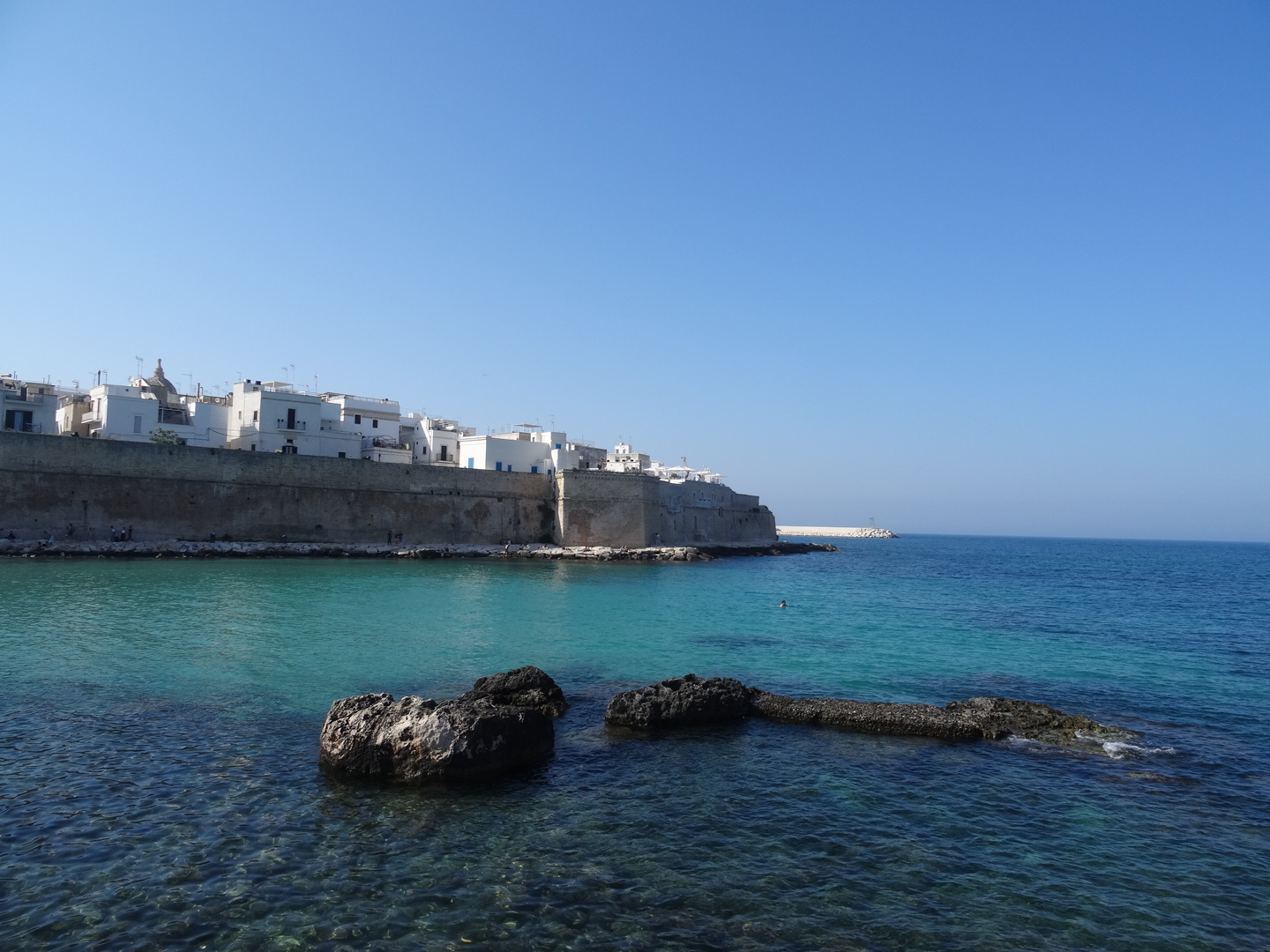
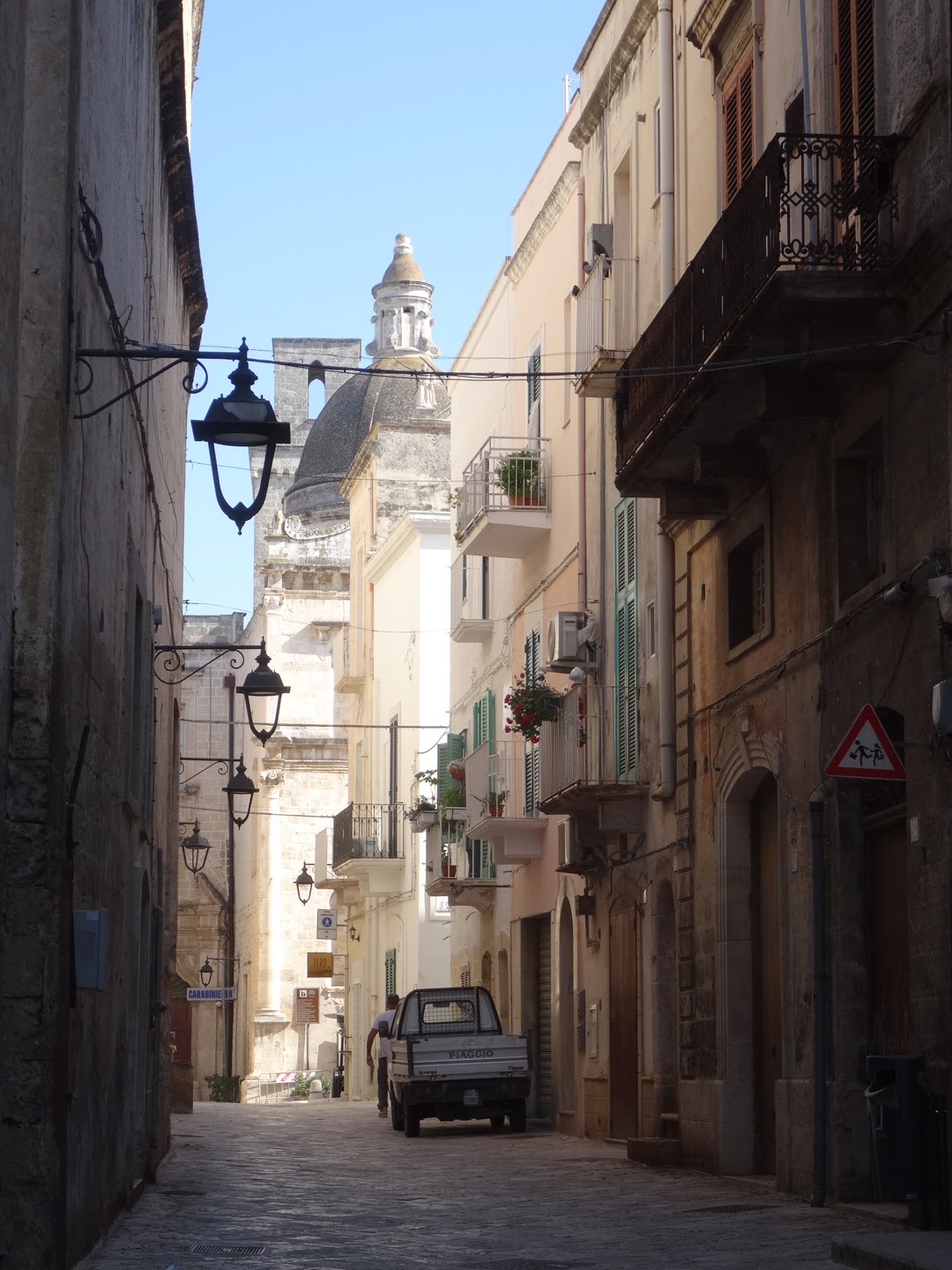
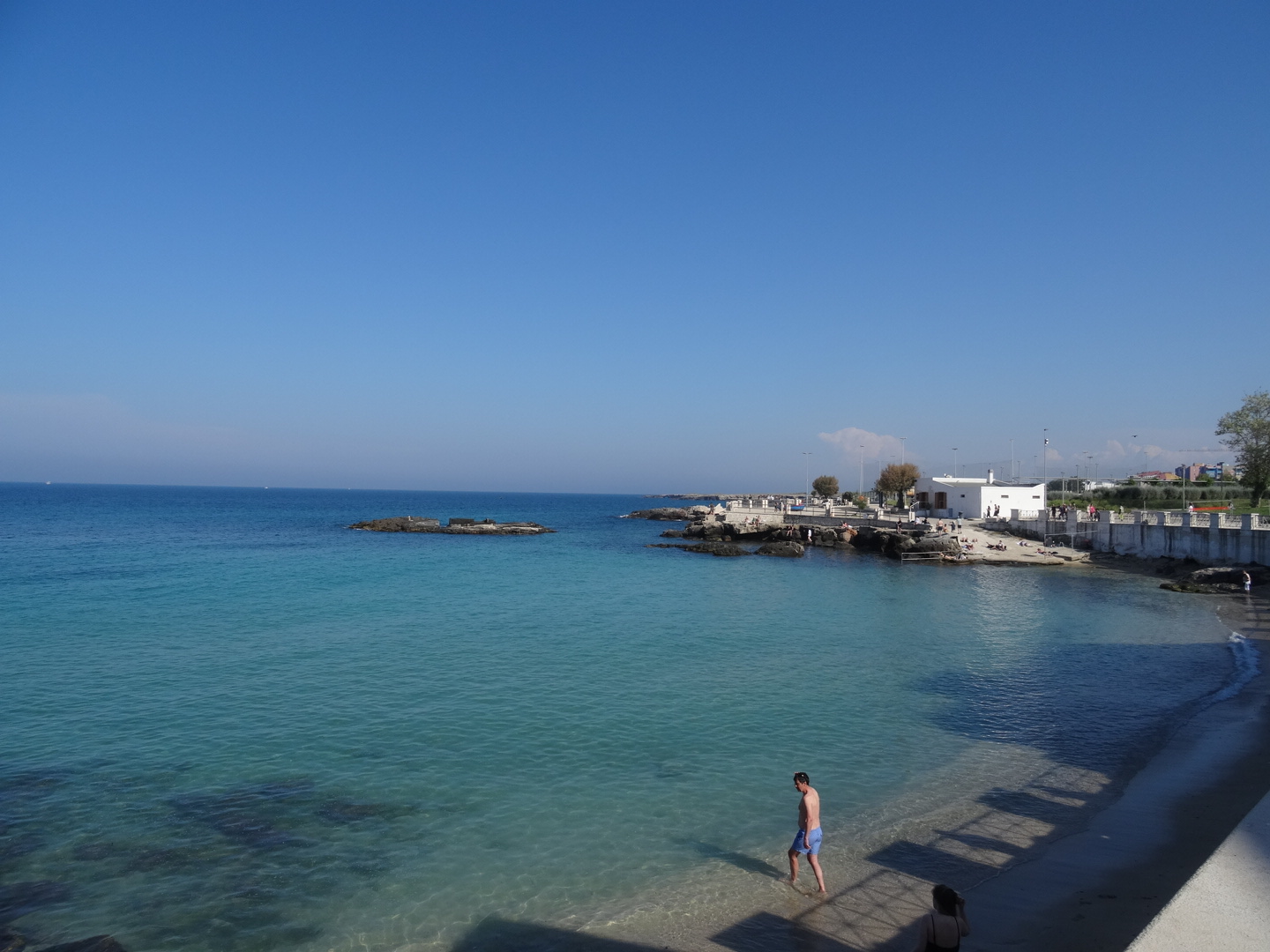
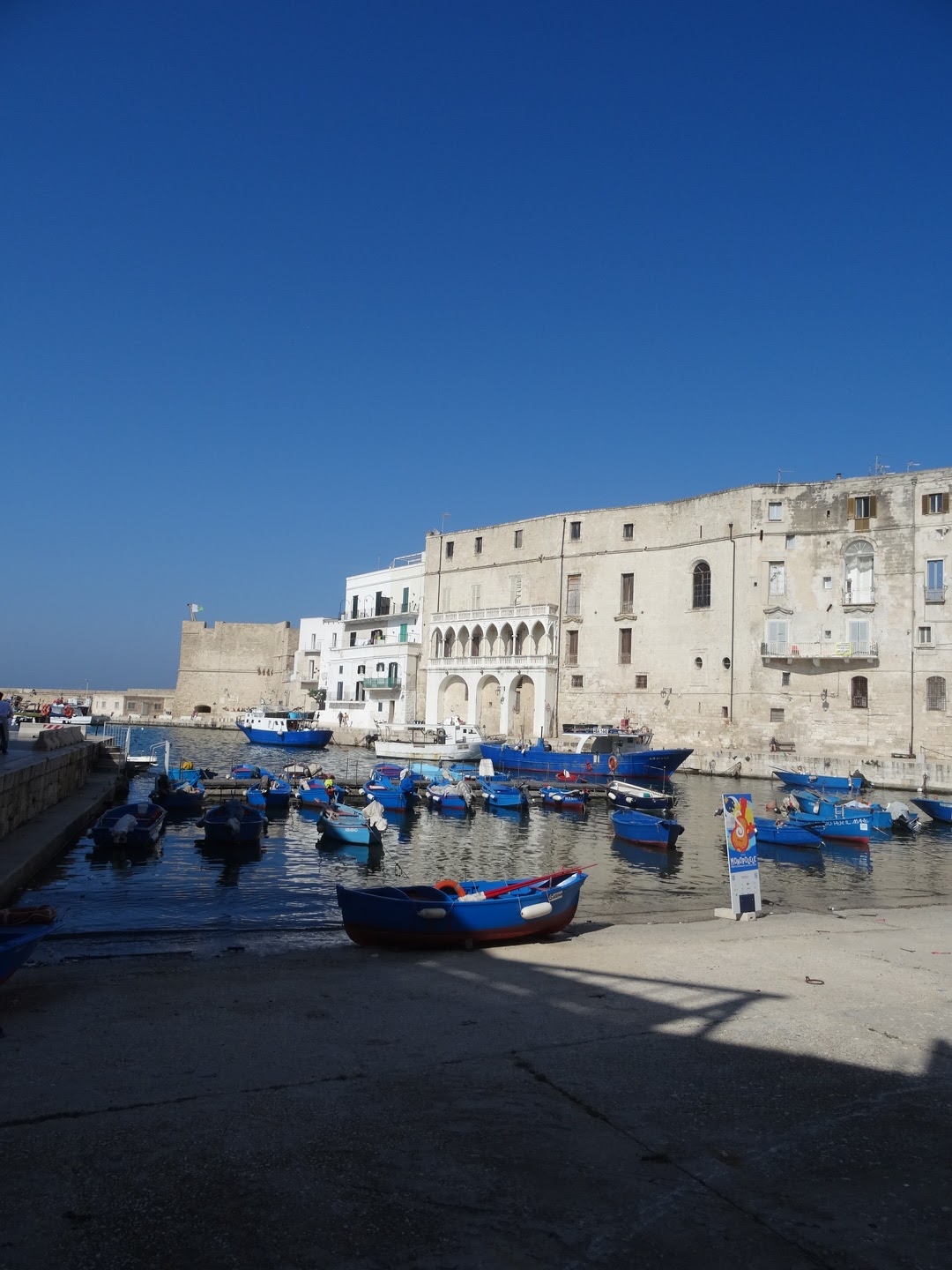
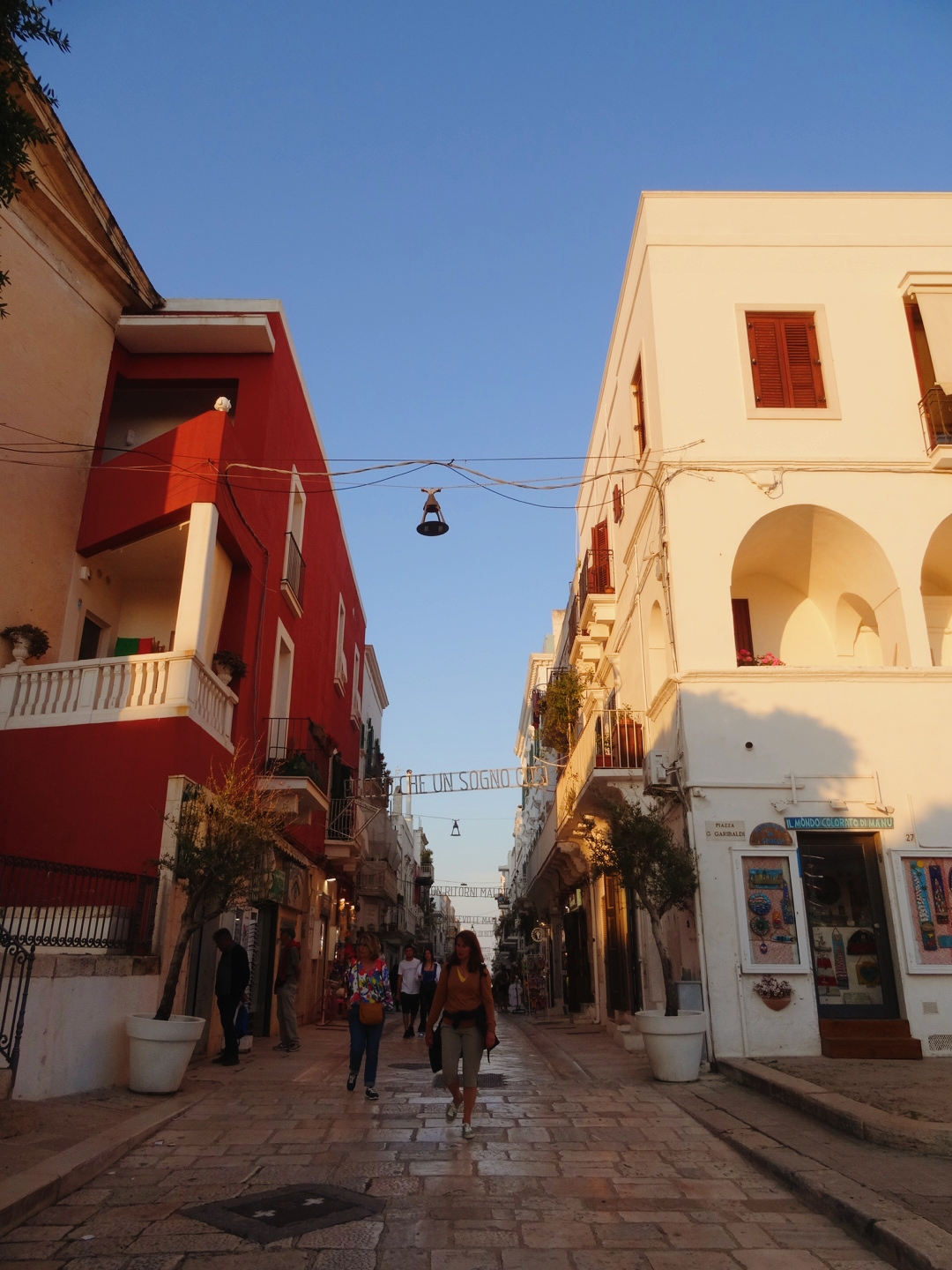
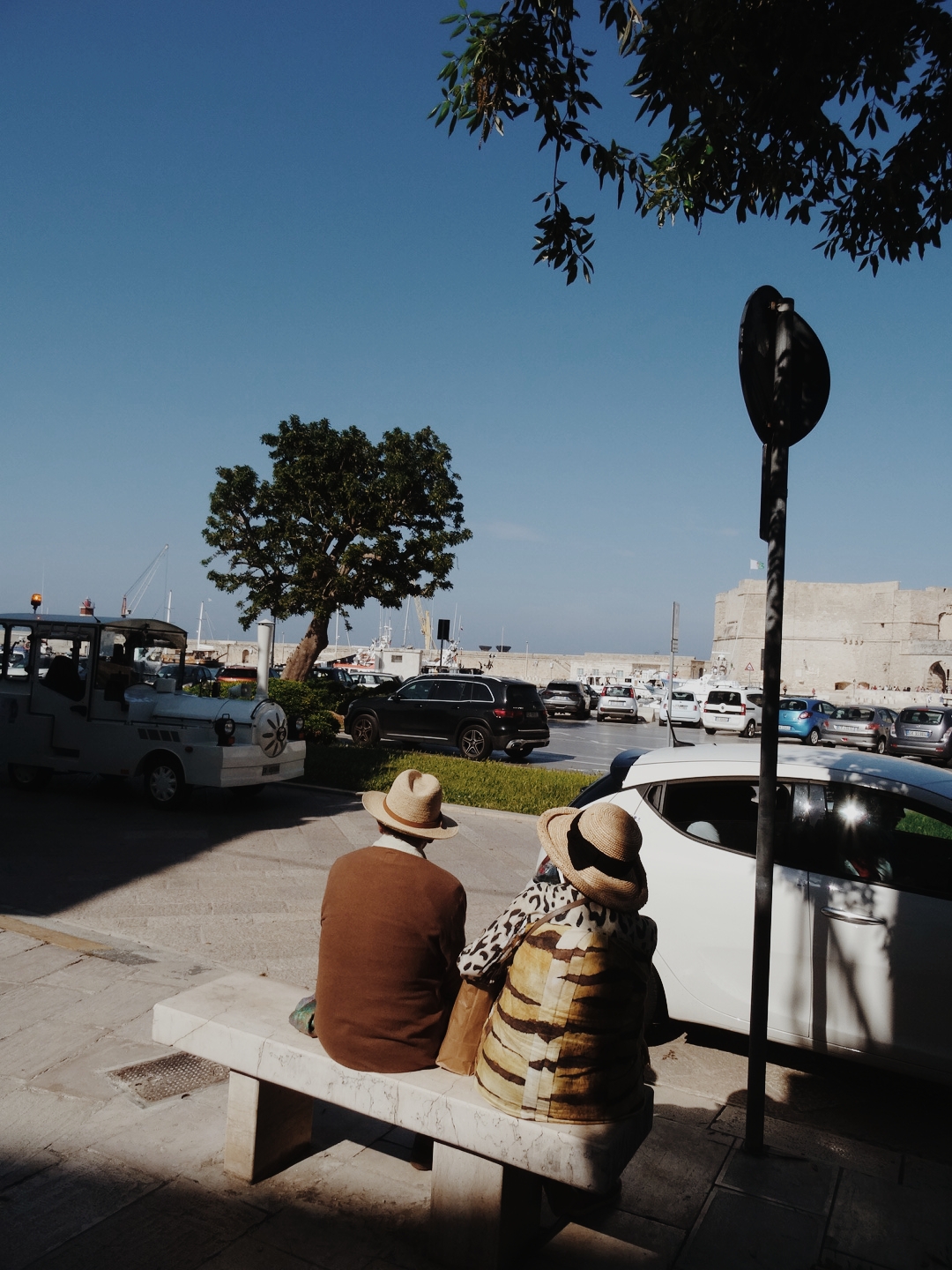
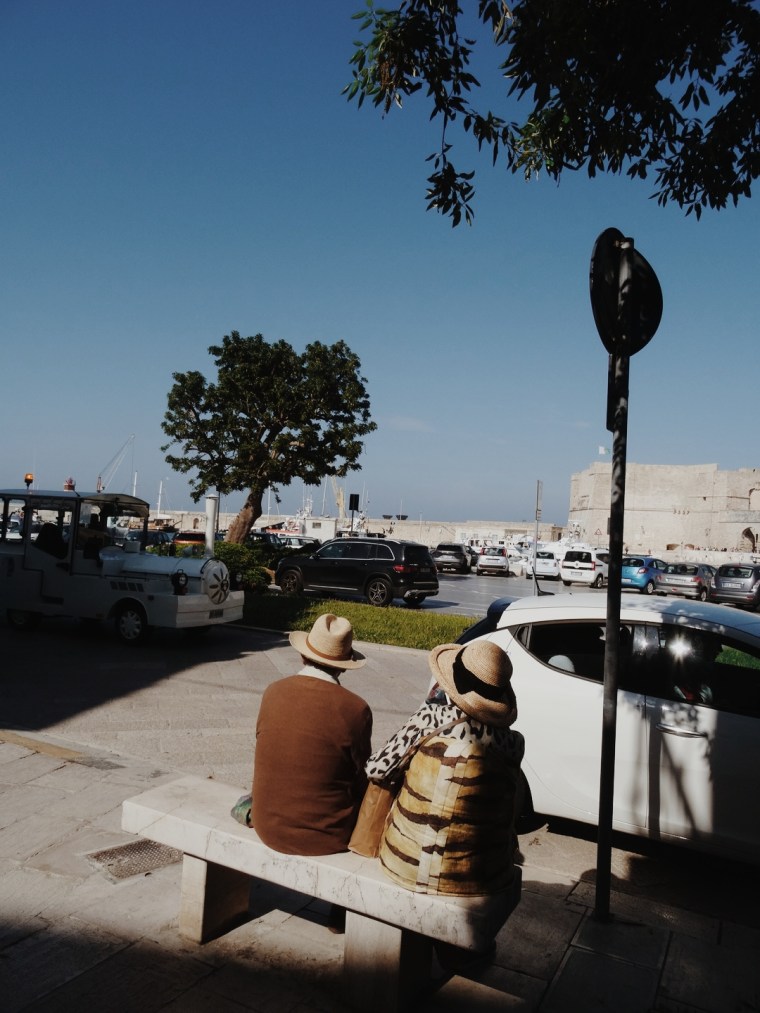
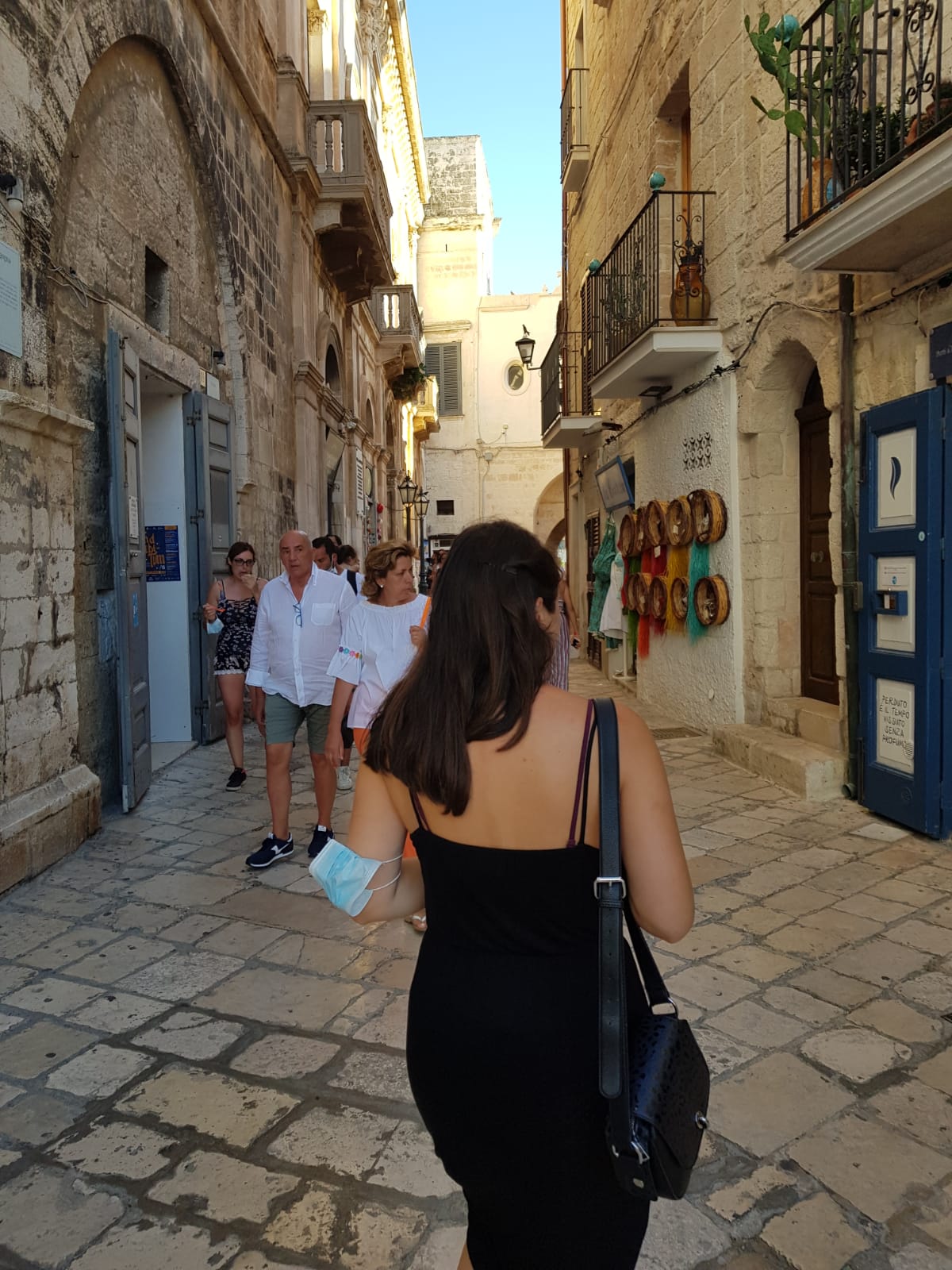
Monopoli is a short train ride away from Bari, great if you’re just planning to visit for the day. The train journey from Bari Centrale station to Monopoli station takes 25 minutes and costs €3.60 per person for a single journey. Monopoli is a beautiful city and is the city in Apulia that has the longest stretch of the Via Traiana. This is one of the most important Roman roads of the Empire. Often overlooked, but with its beautiful buildings, vintage cars and charming little blue fishing boats, you’ll love wandering around Monopoli.
Places to visit in Monopoli

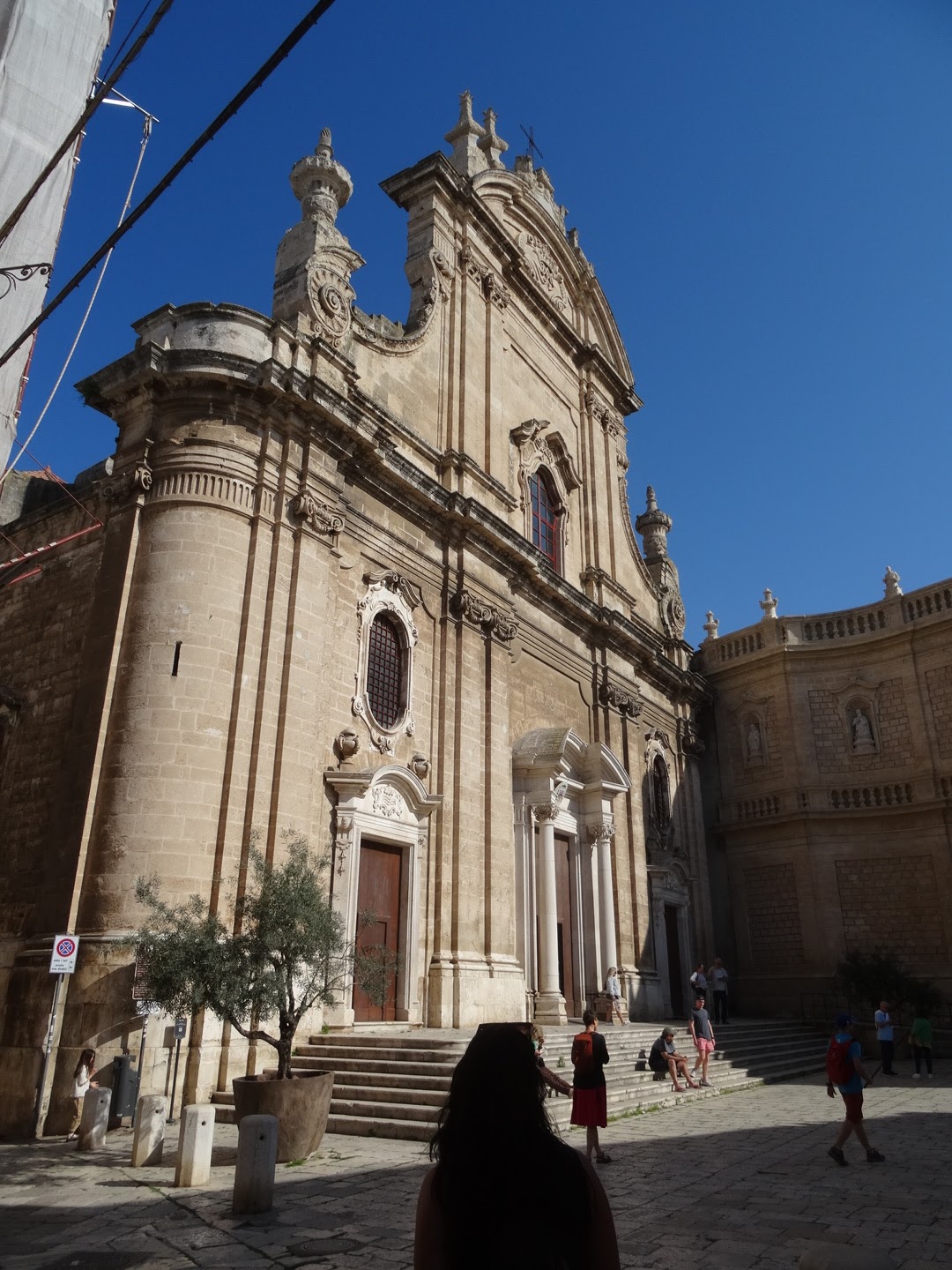
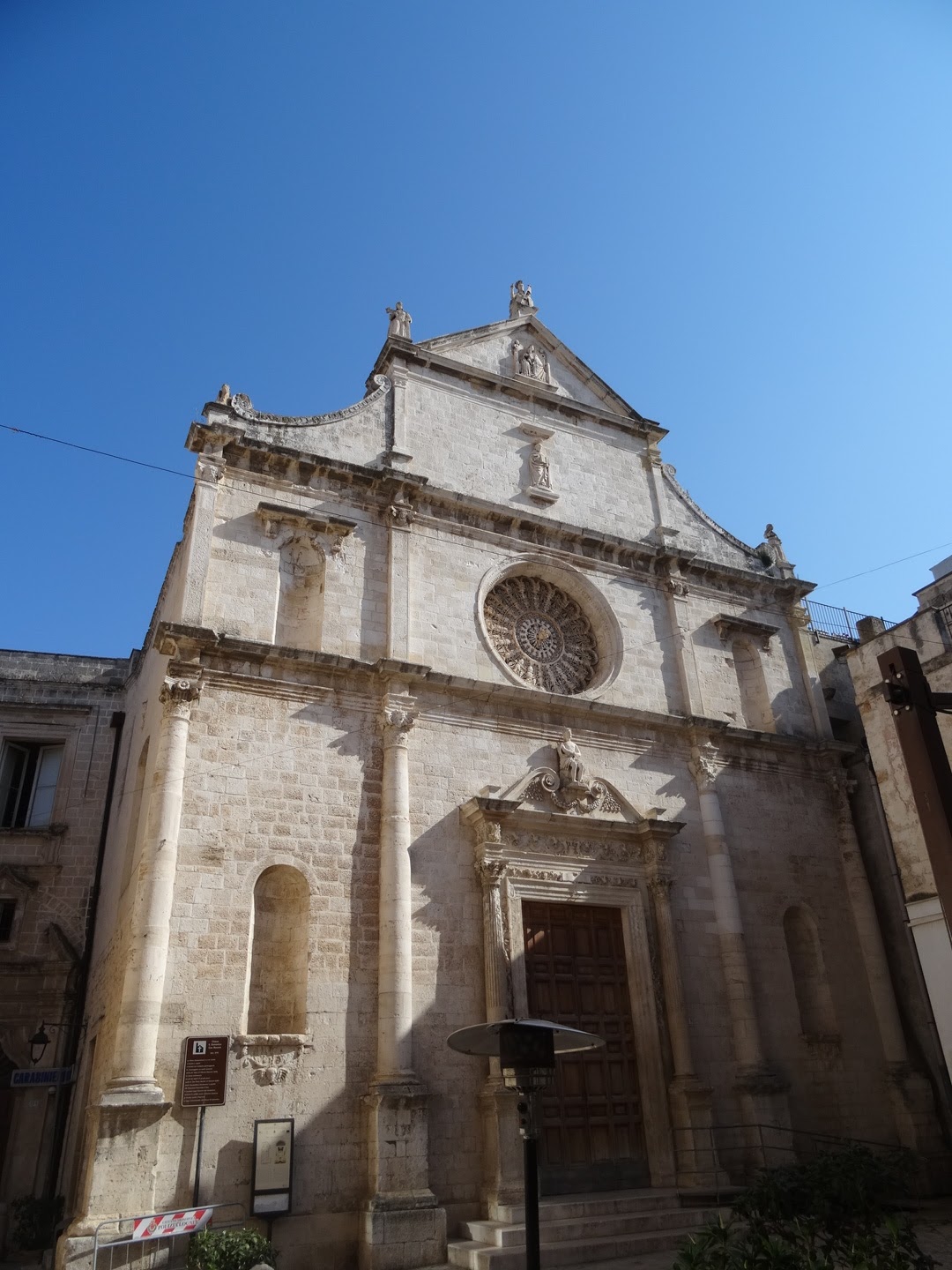
  • Cattedrale Maria Santissima della Madia
  • Castelo Carlo V
  • Porto Antico
  • Piazza Giuseppe Garibaldi
  • Museo e Sito Acheologico Cripta Romanica (Archaeological museum)
  • Cala Porta Vecchia (public beach)
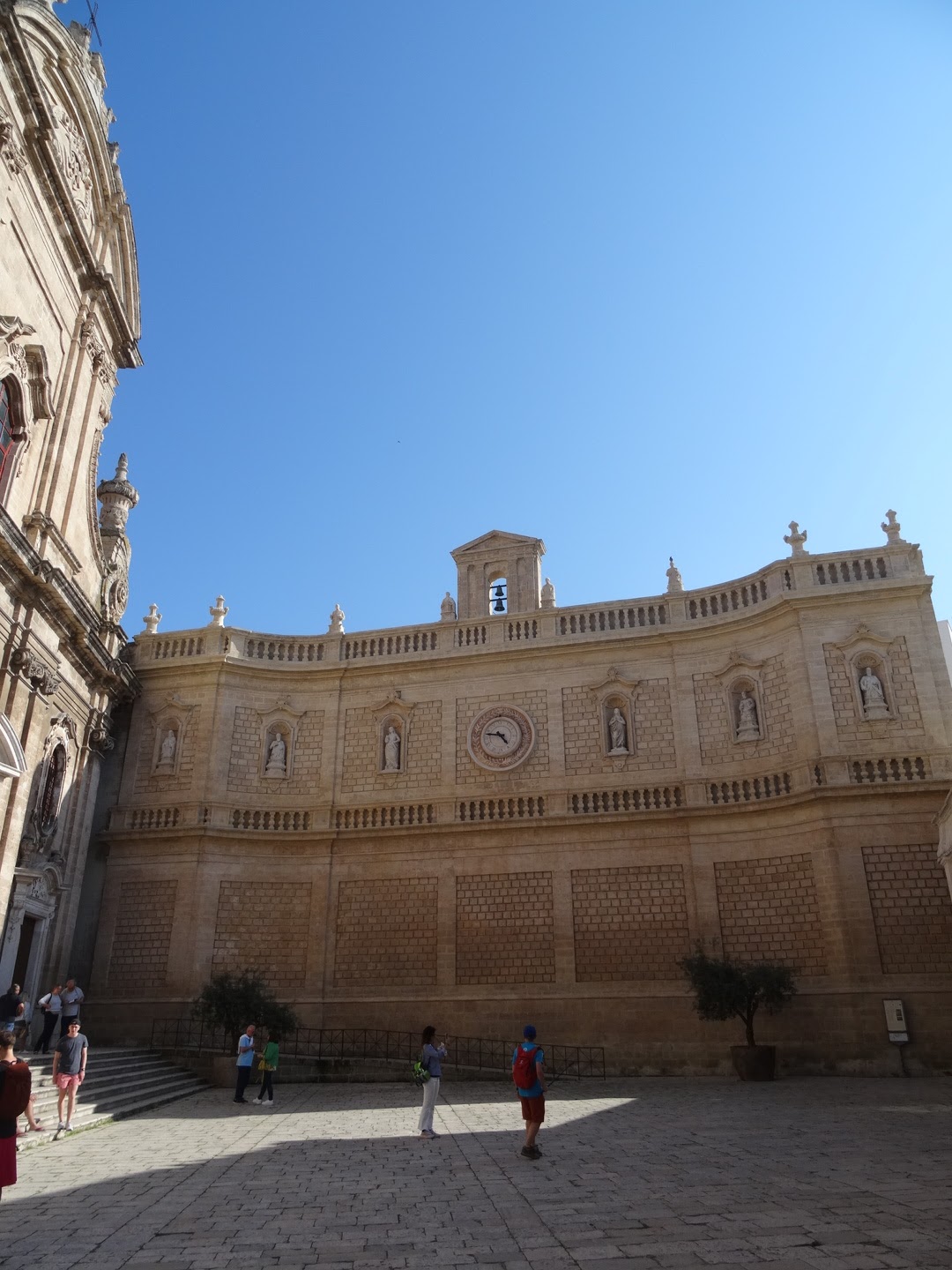
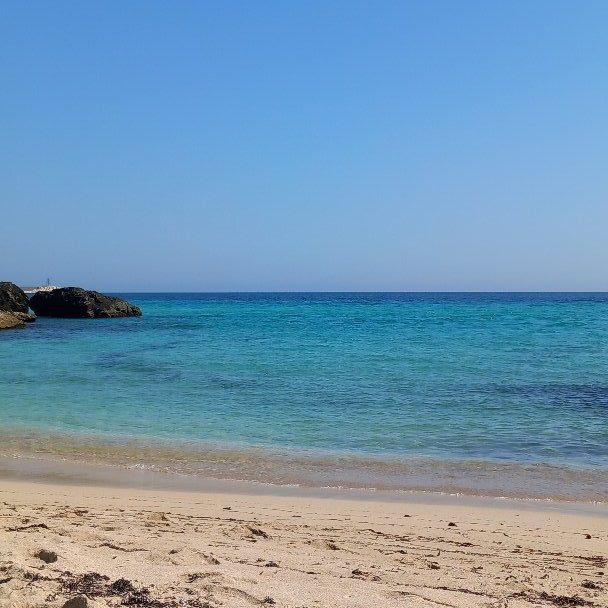
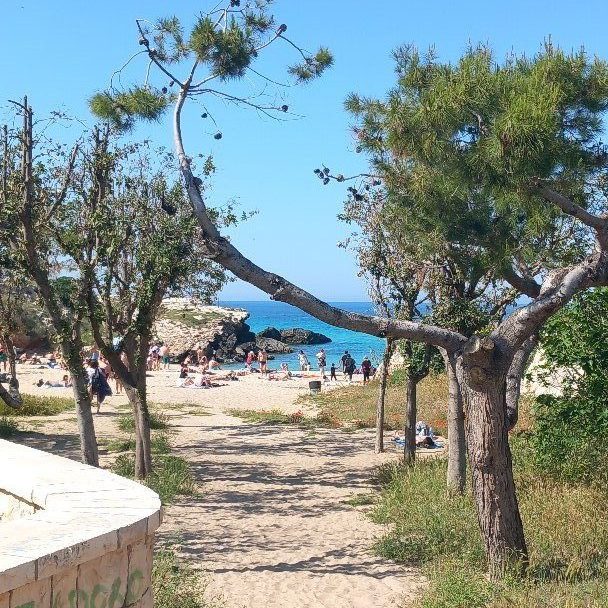
Whilst staying in Monopoli, the beach that we liked the most and that we could easily reach on foot (5 minutes from our Airbnb) was Porto Rosso. It’s small but a lot more comfortable than Cala Porta Vecchia which doesn’t get as many hours of sun and is also affected by the tide. Porto Rosso is around a 20-minute walk from the centre.
For dinner, we went to Trattoria La Locanda dei Mercanti. We loved it so much we went twice! It does get really busy so you might have to wait a bit to be seated but it’s worth it. We had orecchiette with tomato sauce (so simple, so tasty), grilled octopus, a plate of frittura mista which is a mix of fried seafood and to finish it all off the owner then gave us free dessert! It was called Sporcamuss which means dirty snout. They were little squares of pastry filled with custard and covered in powdered sugar which inevitably ends up all over your face, hence the name. The perfect way to end the day.

The restaurant is open every day except Wednesday, for lunch and dinner (closed for dinner on Sunday).

Day 2 – Alberobello

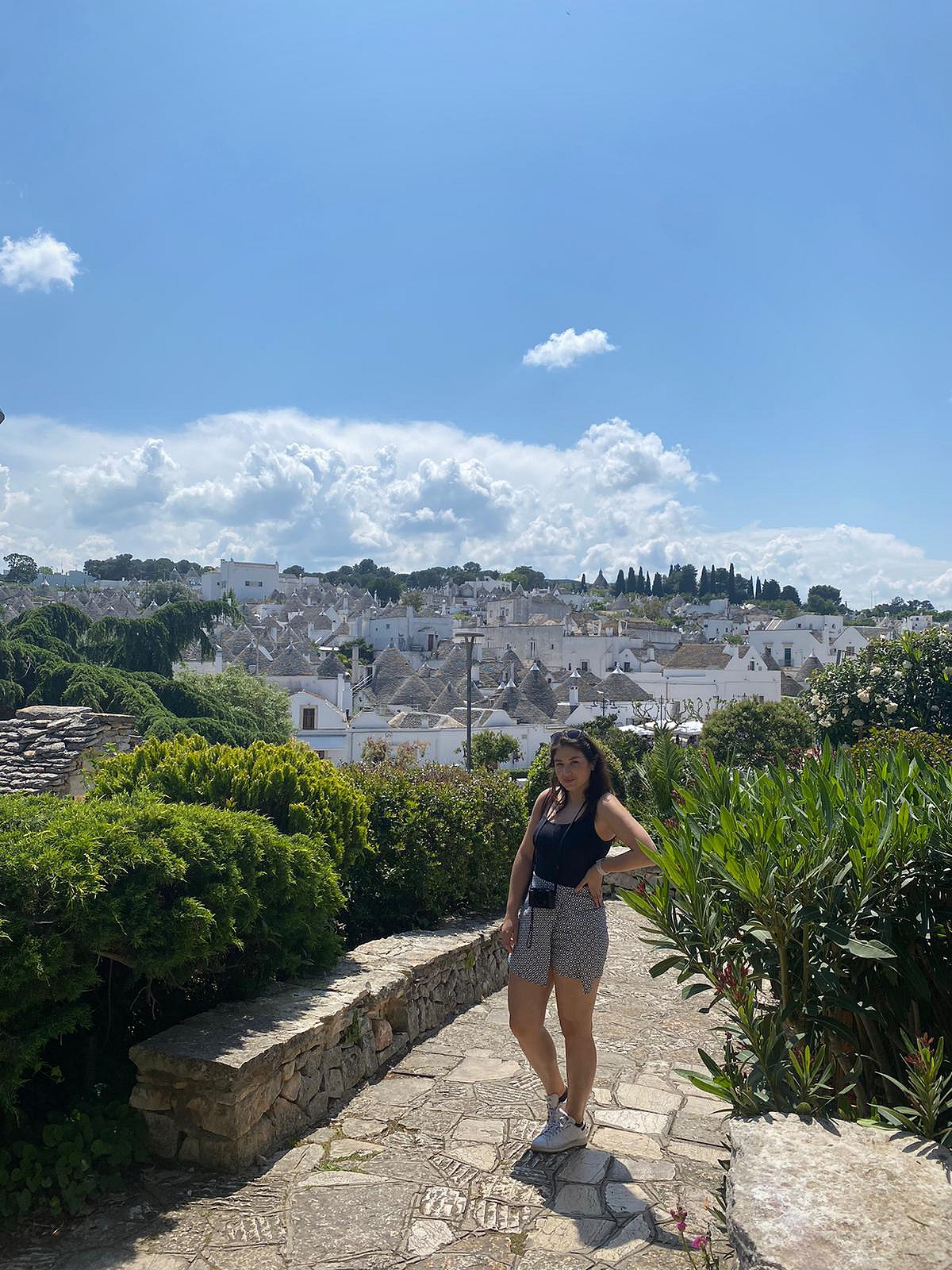
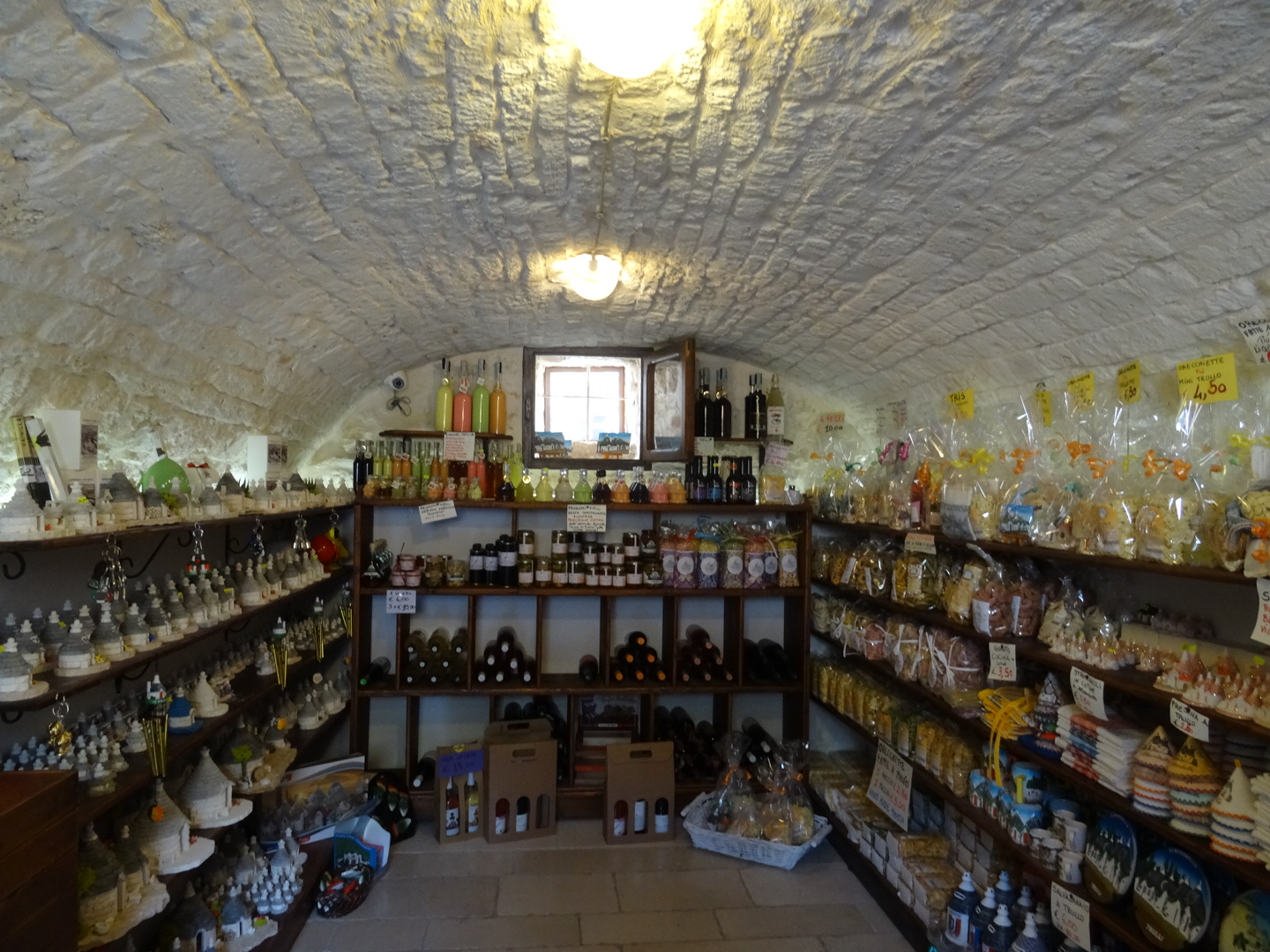
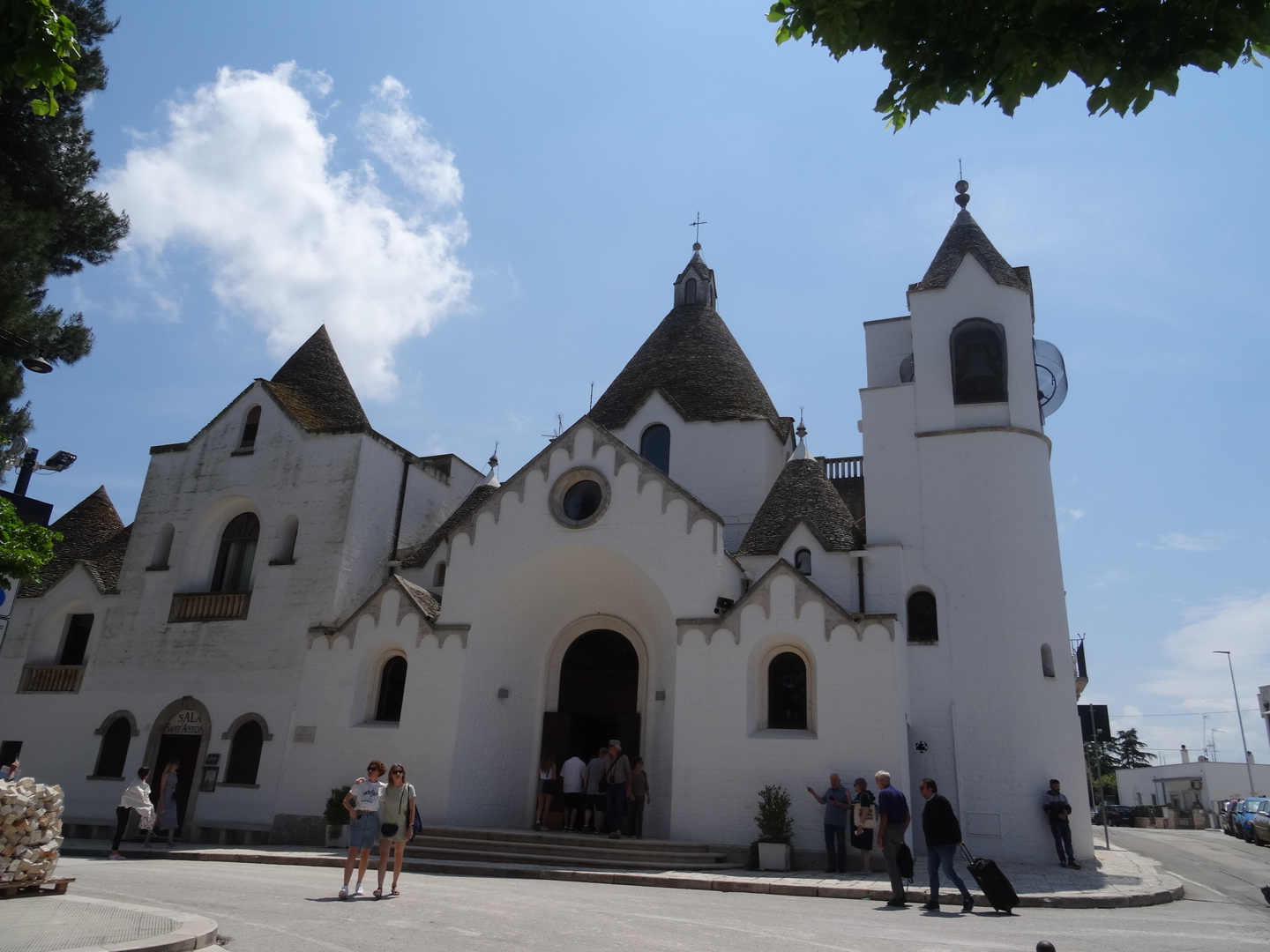
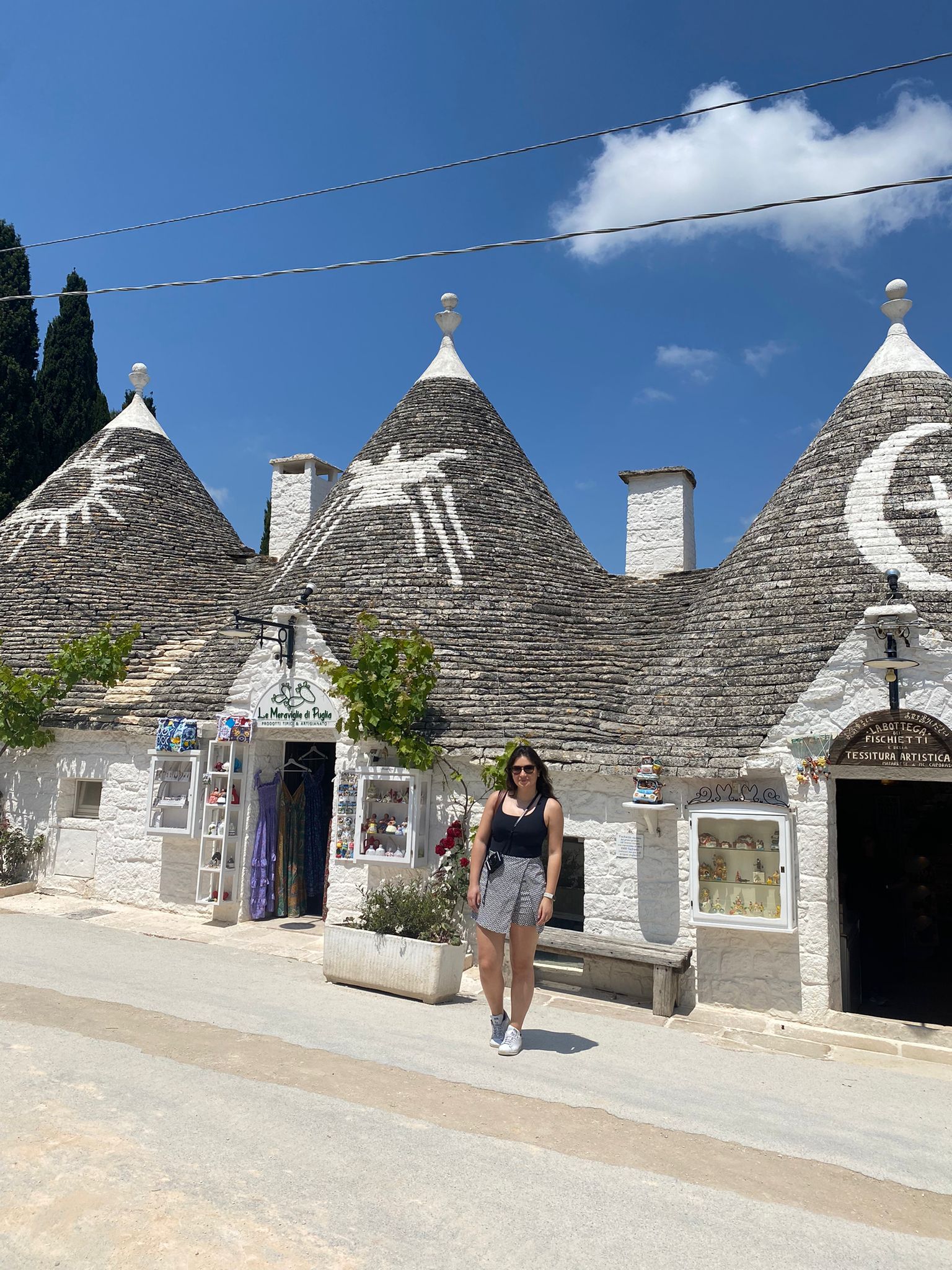
Probably one of the most famous towns in Apulia; the whitewashed houses with conical roofs, known as Trulli, are beautiful little constructions. There are over 1,500 structures in the quarters of Rione Monti and Aja Piccola. We loved wandering around town getting lost between old and newly restored Trulli. Don’t stick to the main two streets, head over to the church and communal gardens and have a little wander around there.
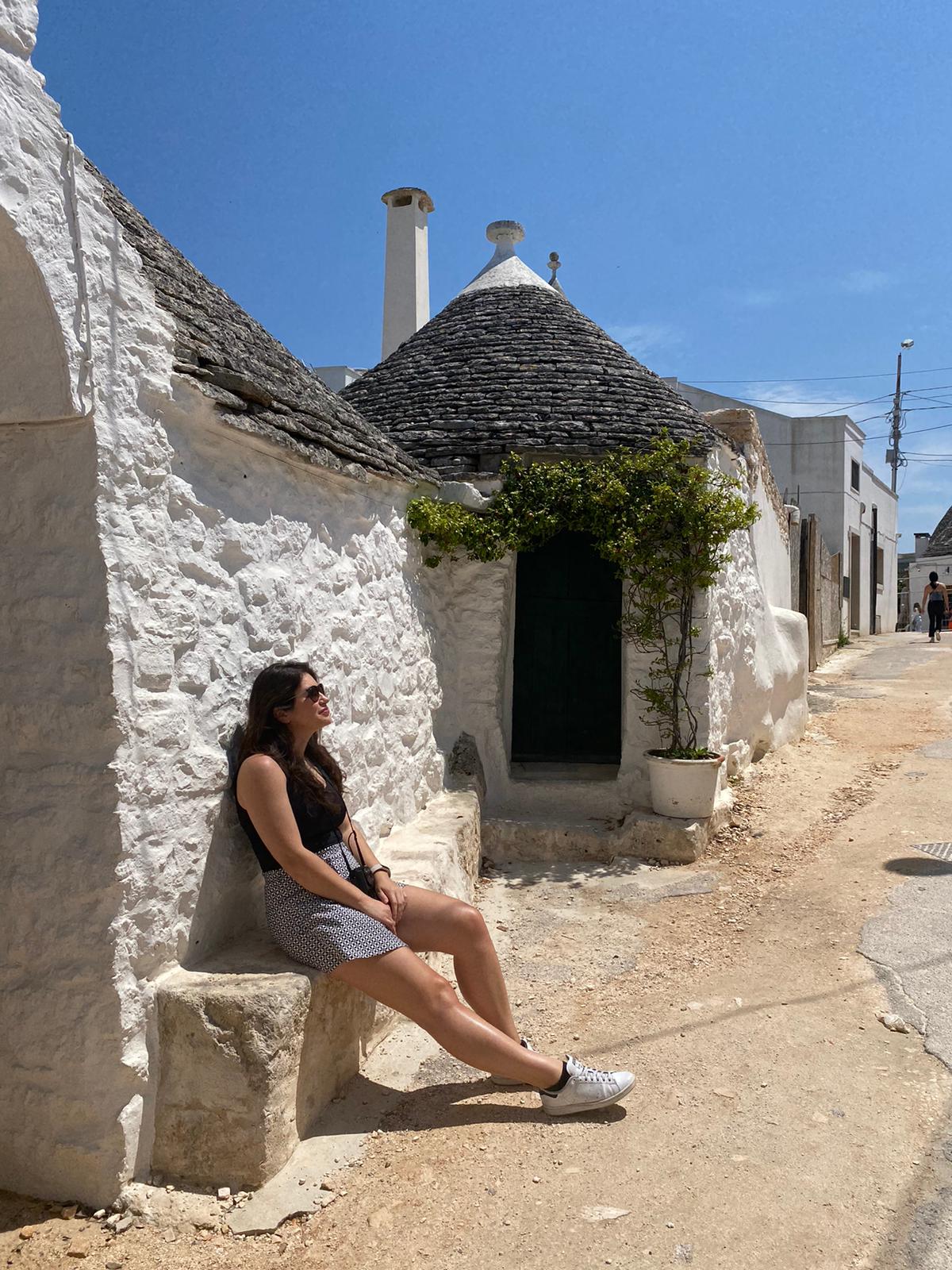
The Trulli

Trulli were generally constructed as temporary field shelters and storehouses or as permanent dwellings by small-scale landowners or agricultural labourers. The roofs of buildings often have mythological or religious markings in white ash and have a decorative pinnacle whose purpose is to ward off evil influences or bad luck. 
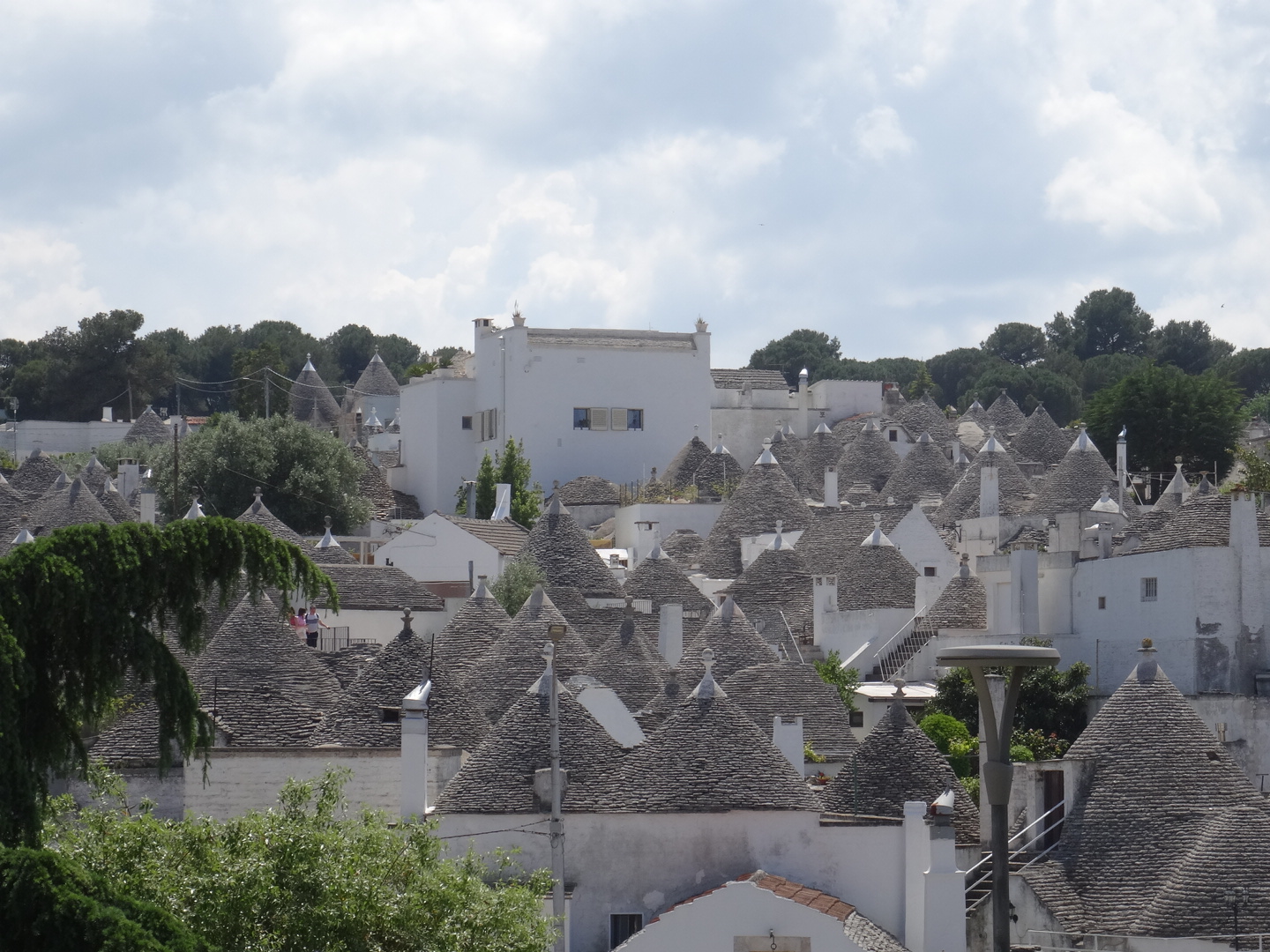
Just a little warning, the main streets of Alberobello can get extremely busy with tourists and the streets can be very slippery.

How to get to Alberobello

If you’re staying in Monopoli, you can buy coach tickets from Agenzia Viaggi Tourist Intercontinental in Piazza S. Antonio, Monopoli. Tickets are €2.90 one way and €5.80 for a round-trip (prices may vary).

Day 3 – Polignano a Mare

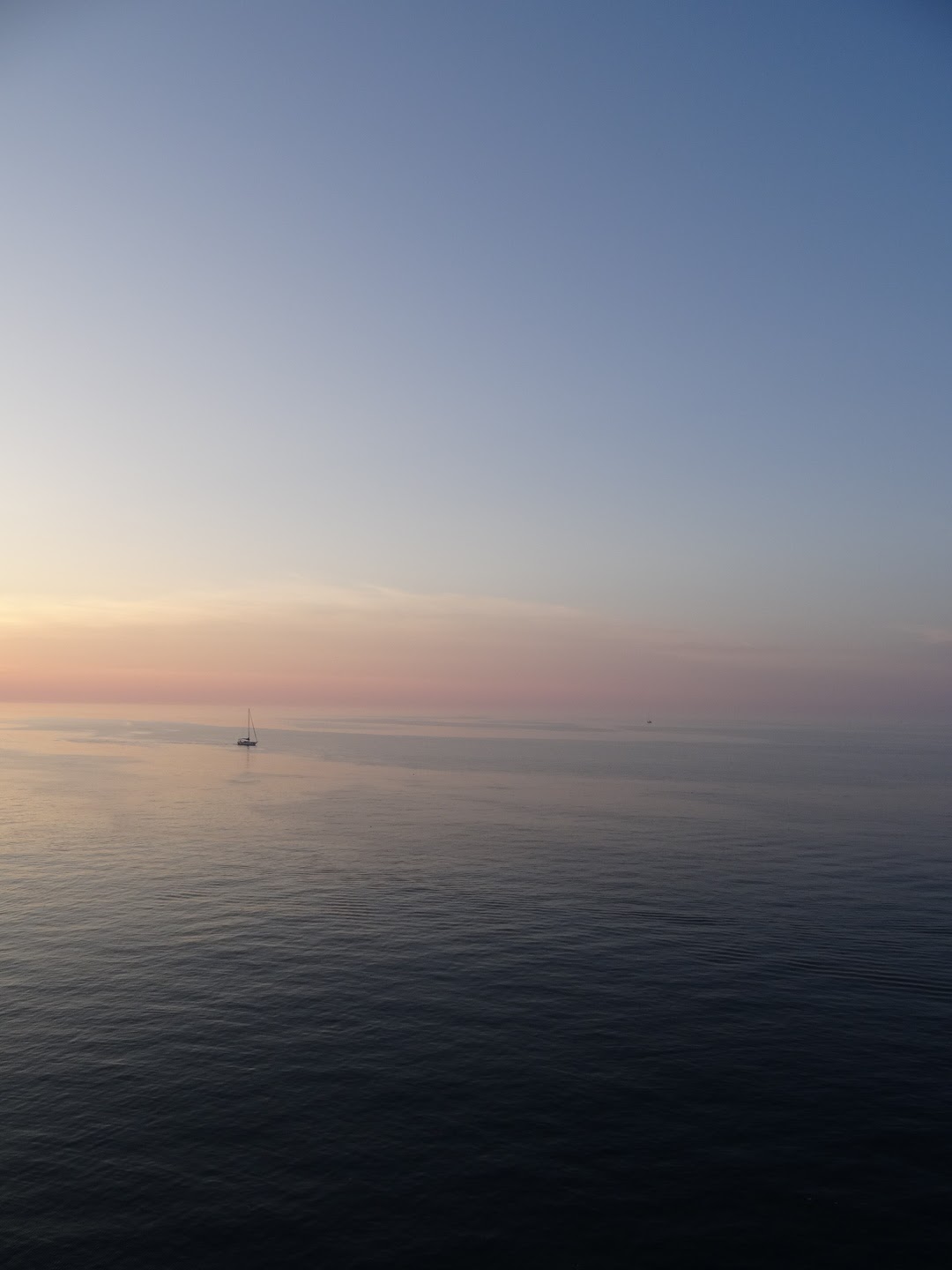
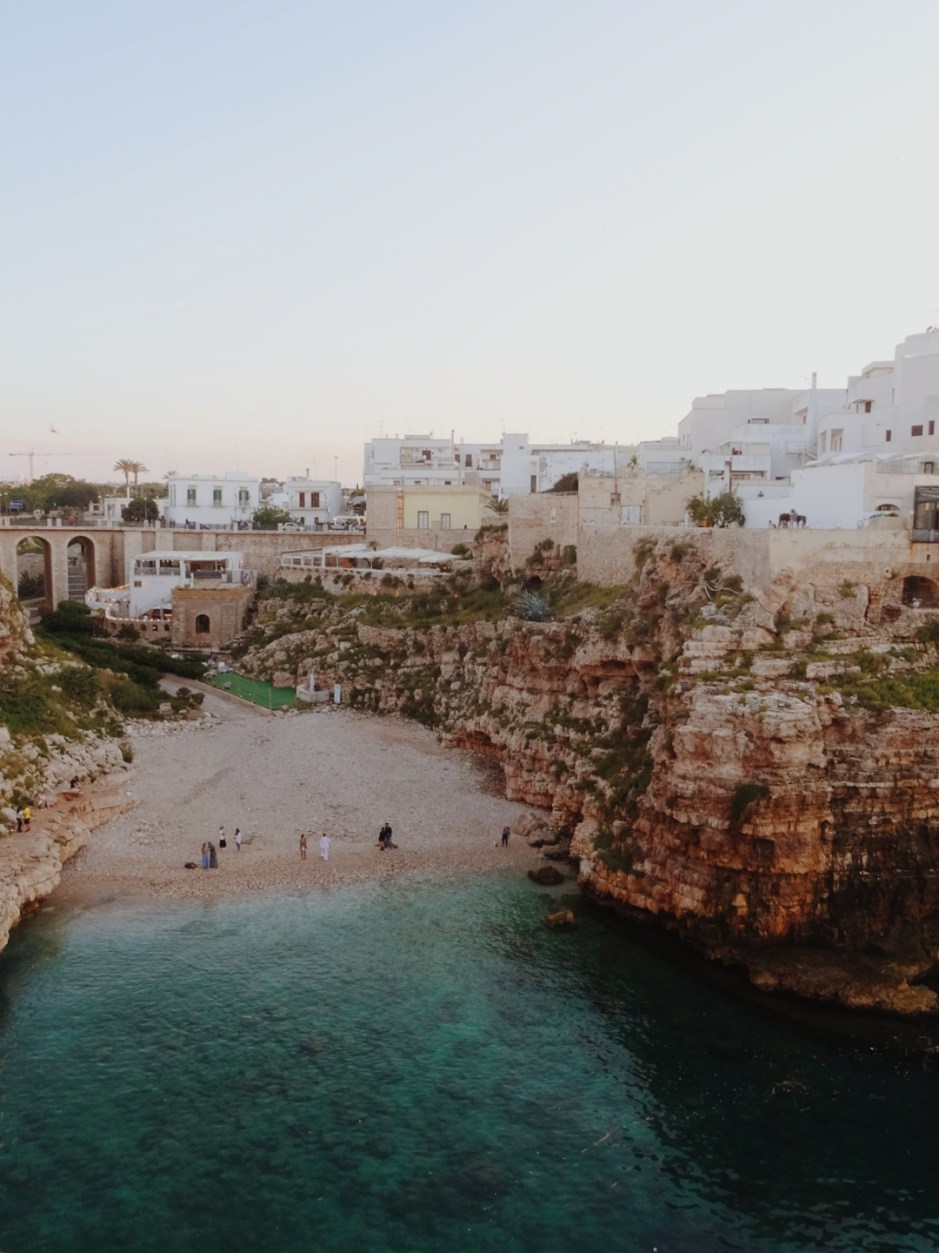
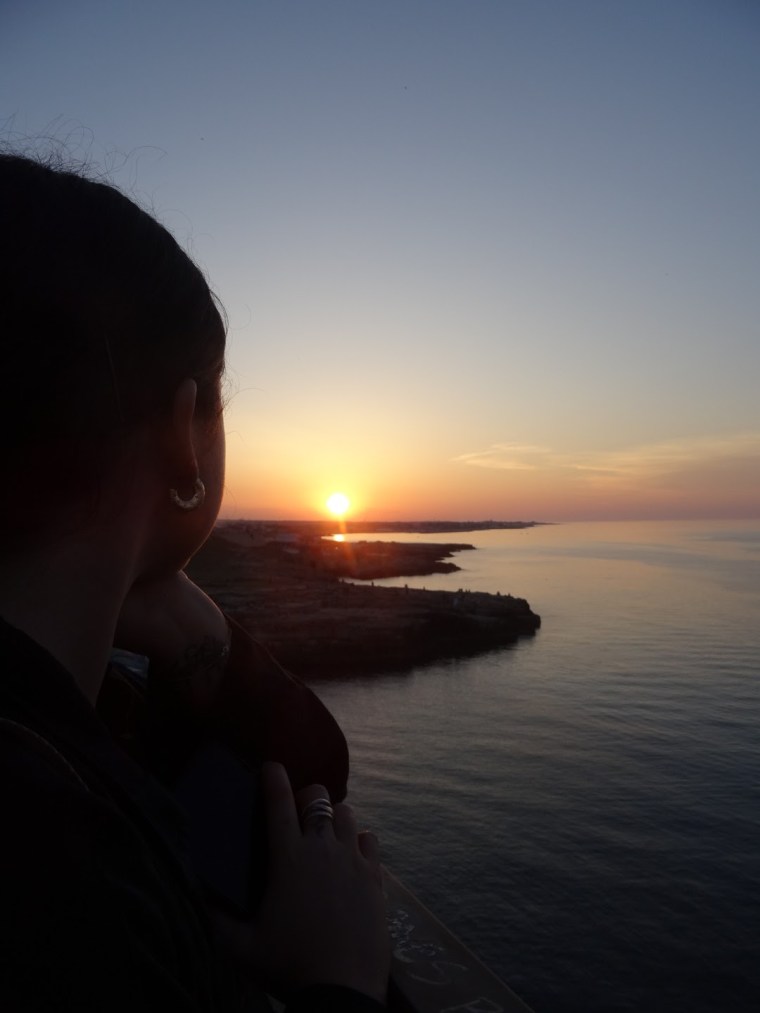
After a day at the beach, we headed to Polignano a Mare for the most spectacular sunset. As we got closer to the bridge above Lama Monachile, the sky began to shift from pink to lilac. It was breathtaking.
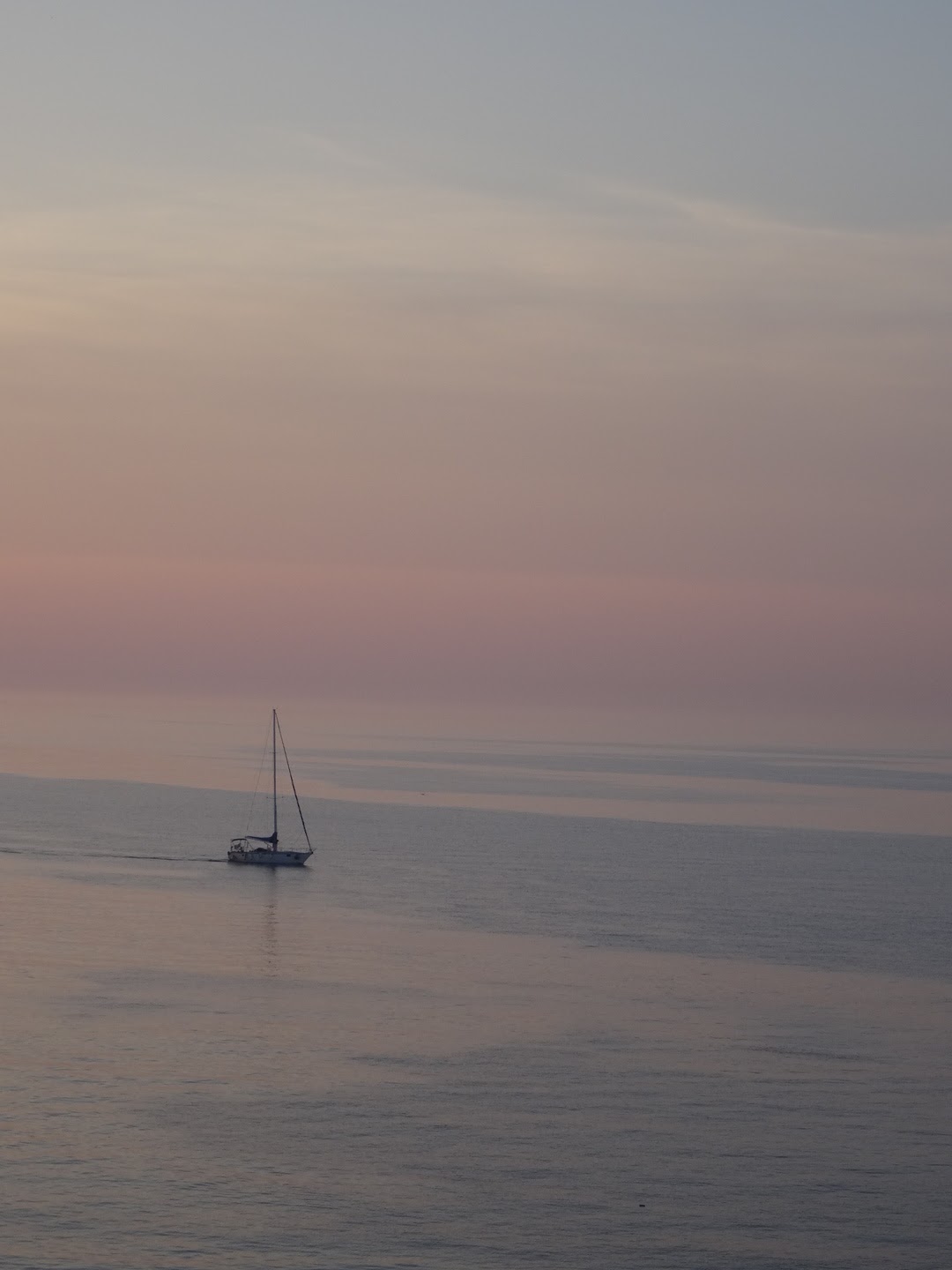
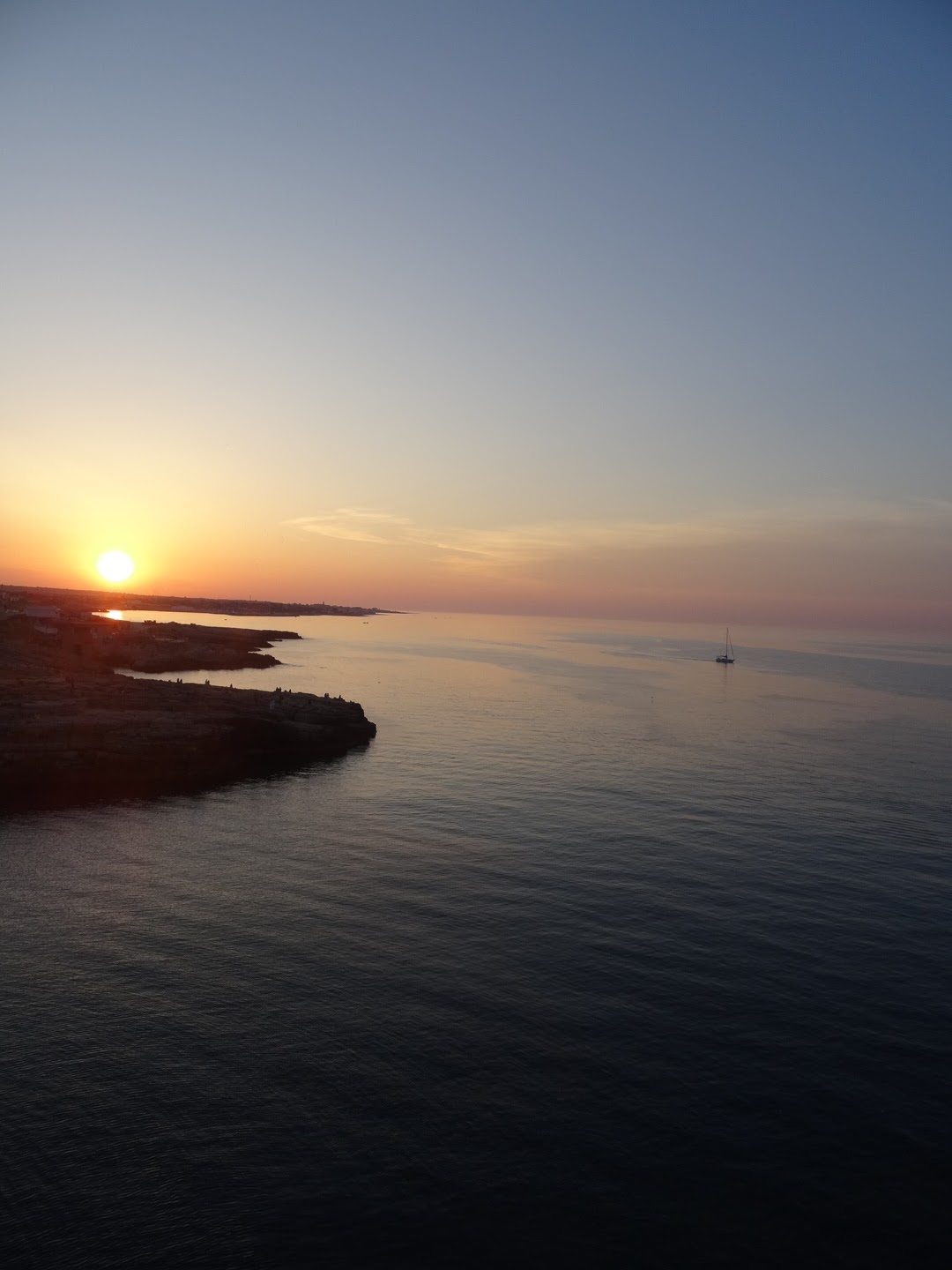
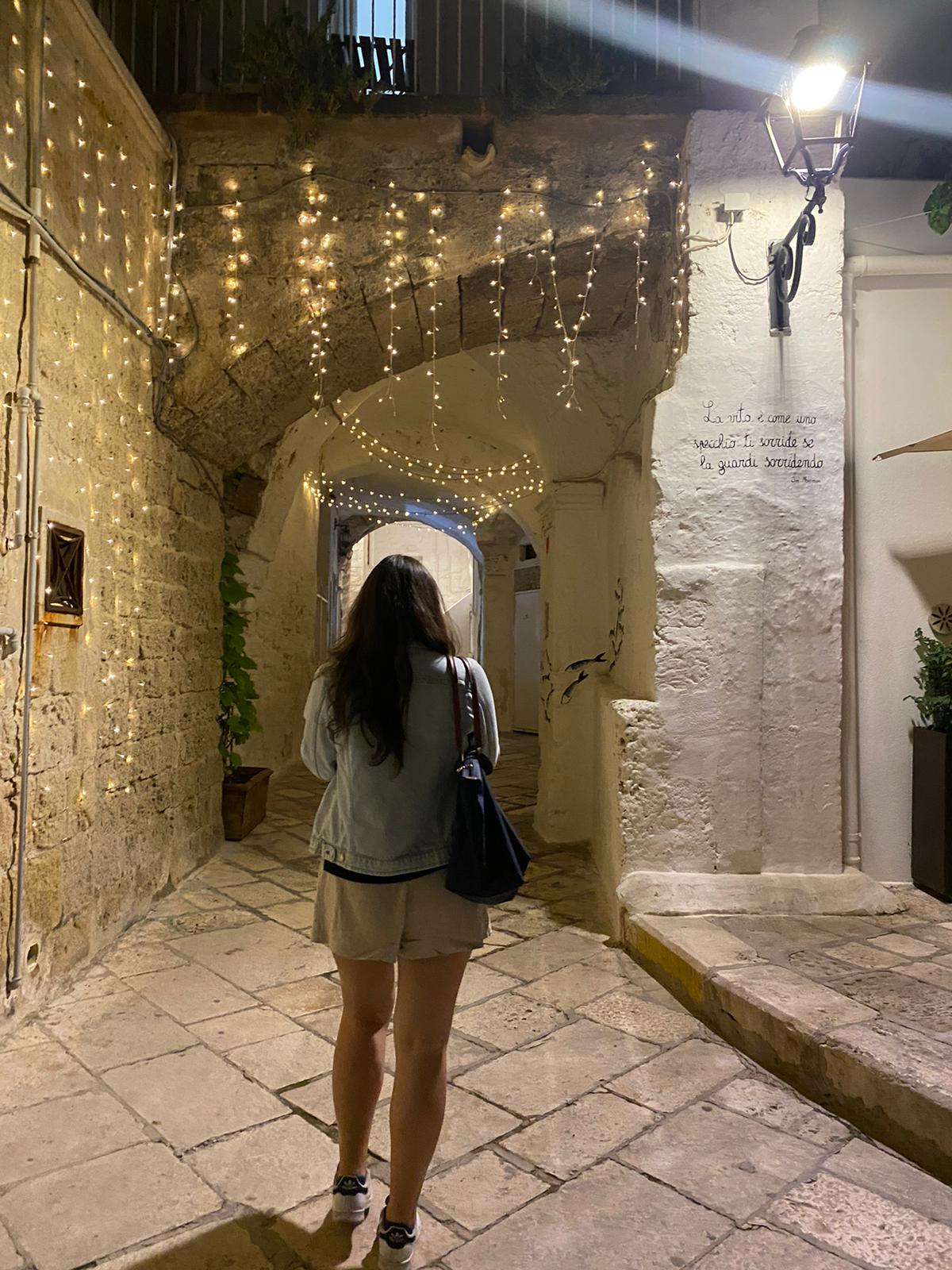
Polignano is one of my favourite places to get lost in. The old town is so pretty and has a great atmosphere, especially in the evening. The best time to visit is just before sunset.
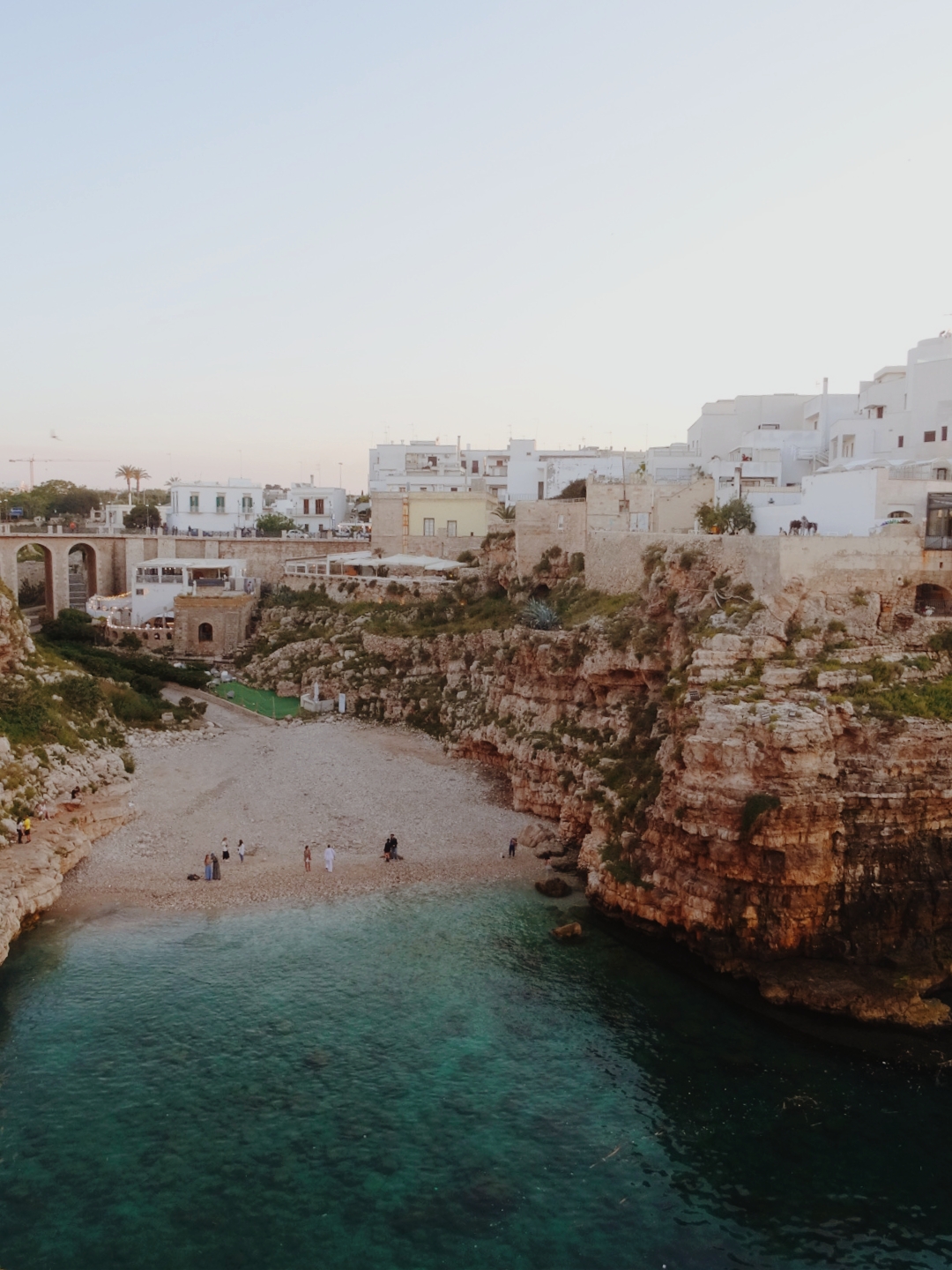
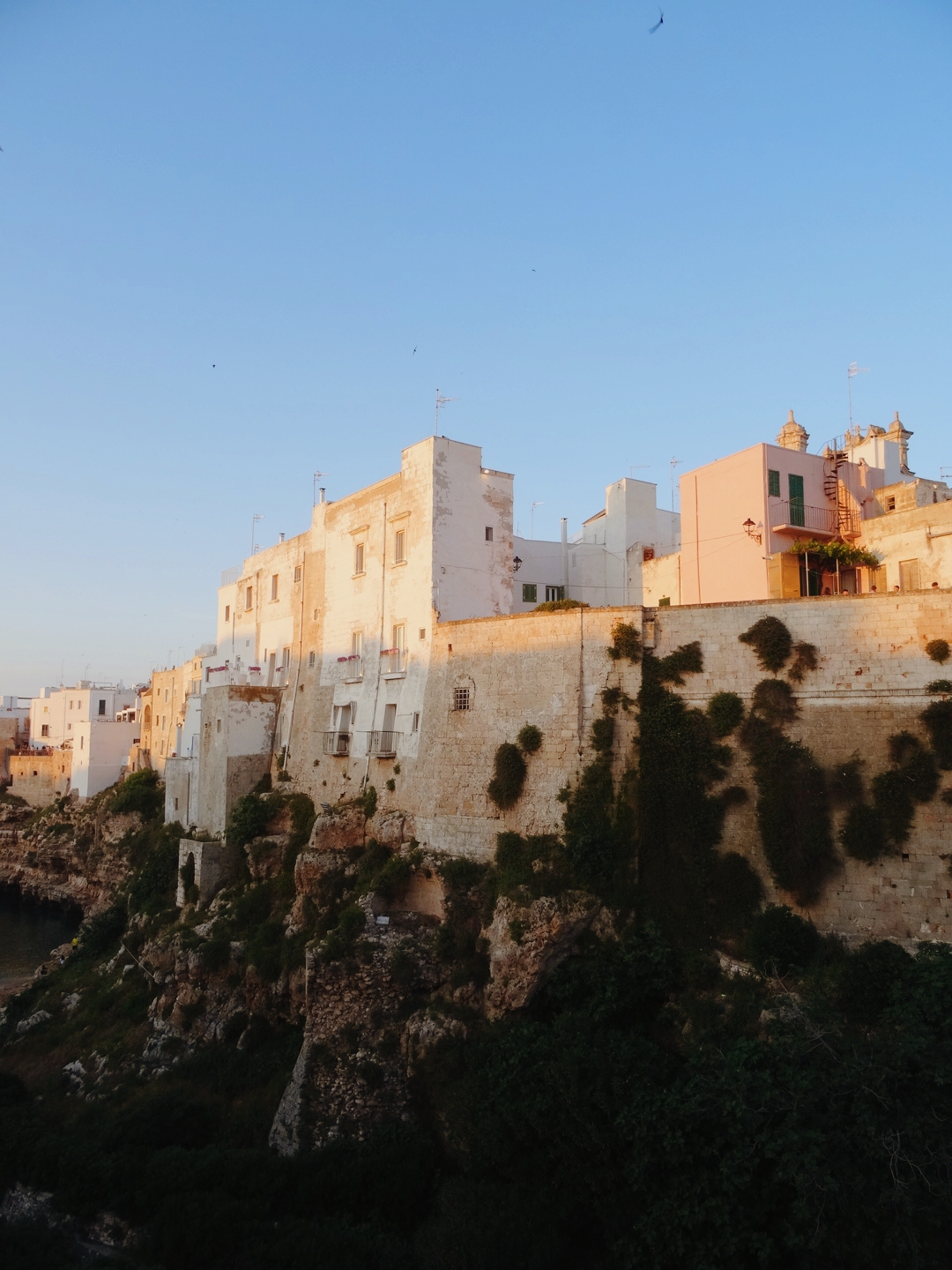
Places to visit in Polignano a mare:

  • Lama Monachile
  • Centro Storico
  • Punto Panoramico Largo Ardito
  • Nel blu dipinto di luci

Day 4 – Back to Bari and a day trip to Matera, Basilicata

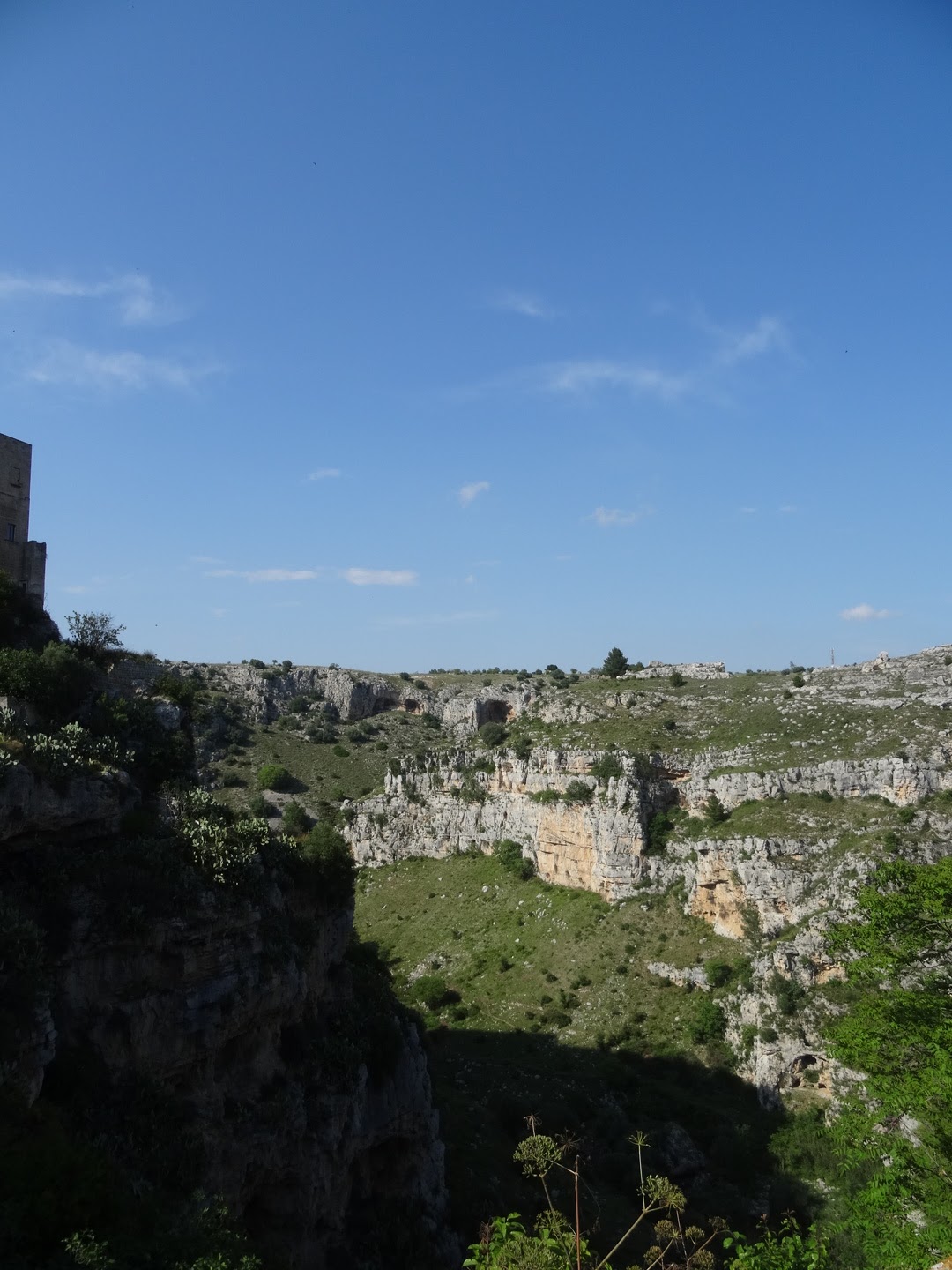
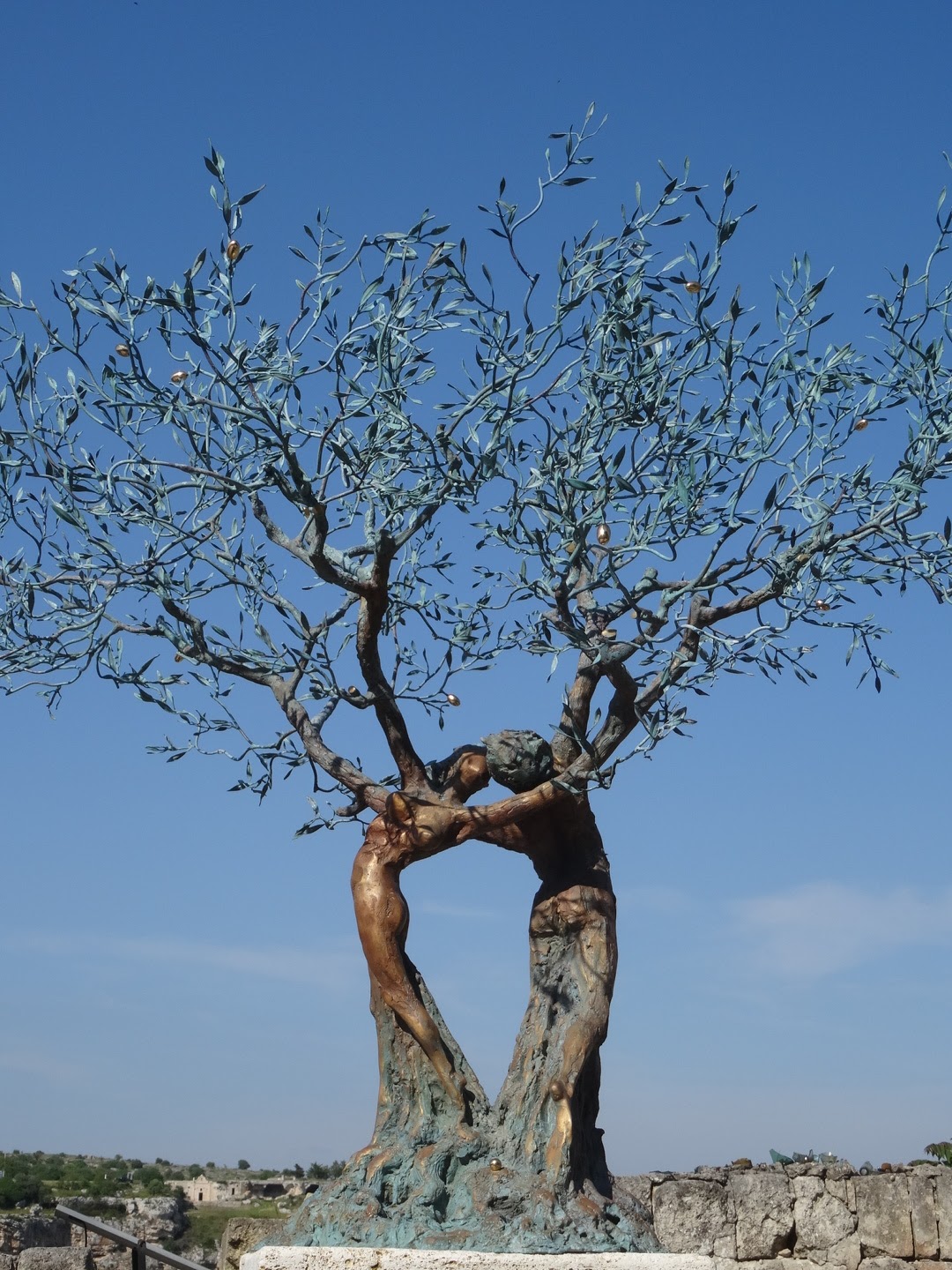
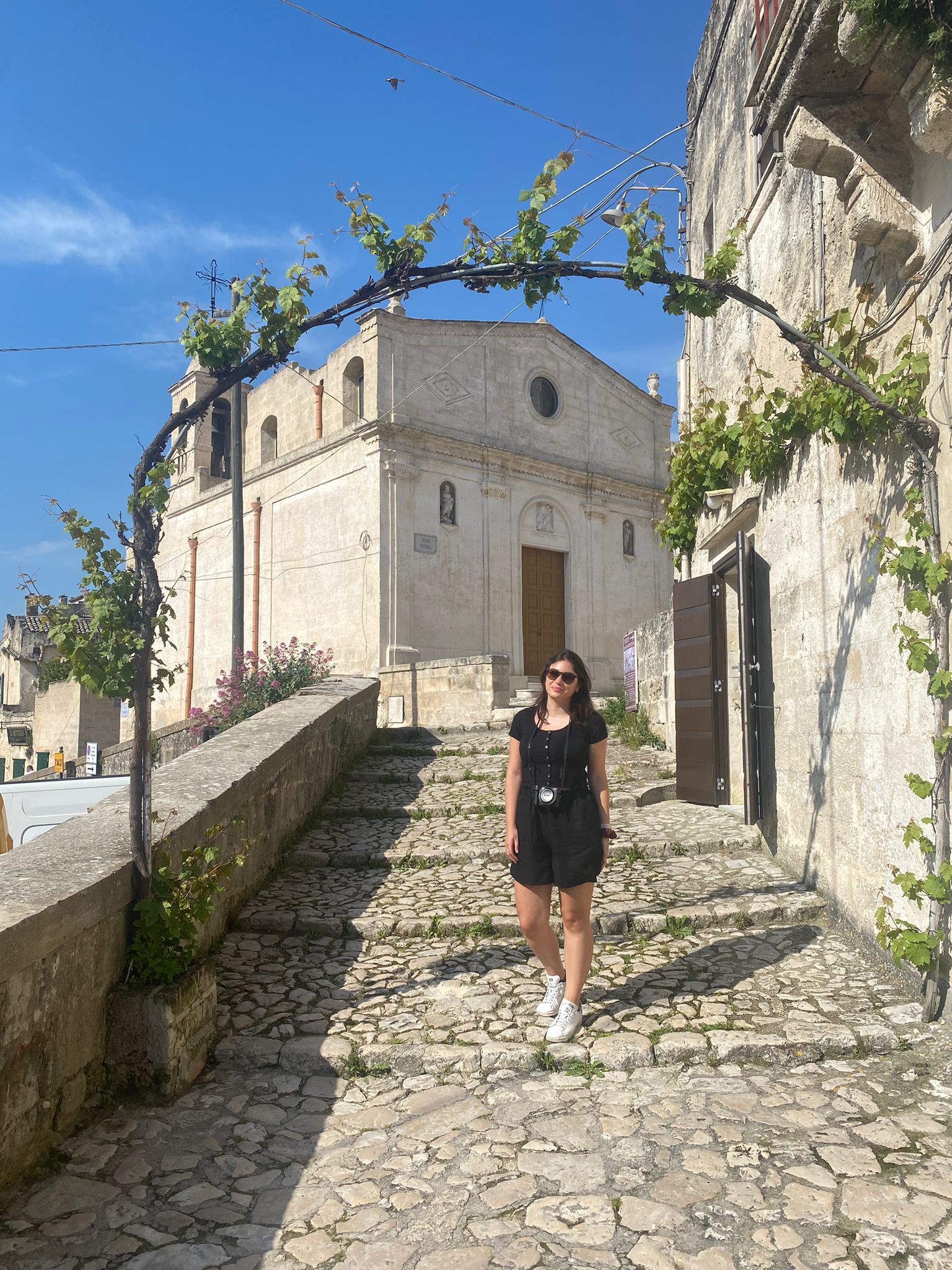
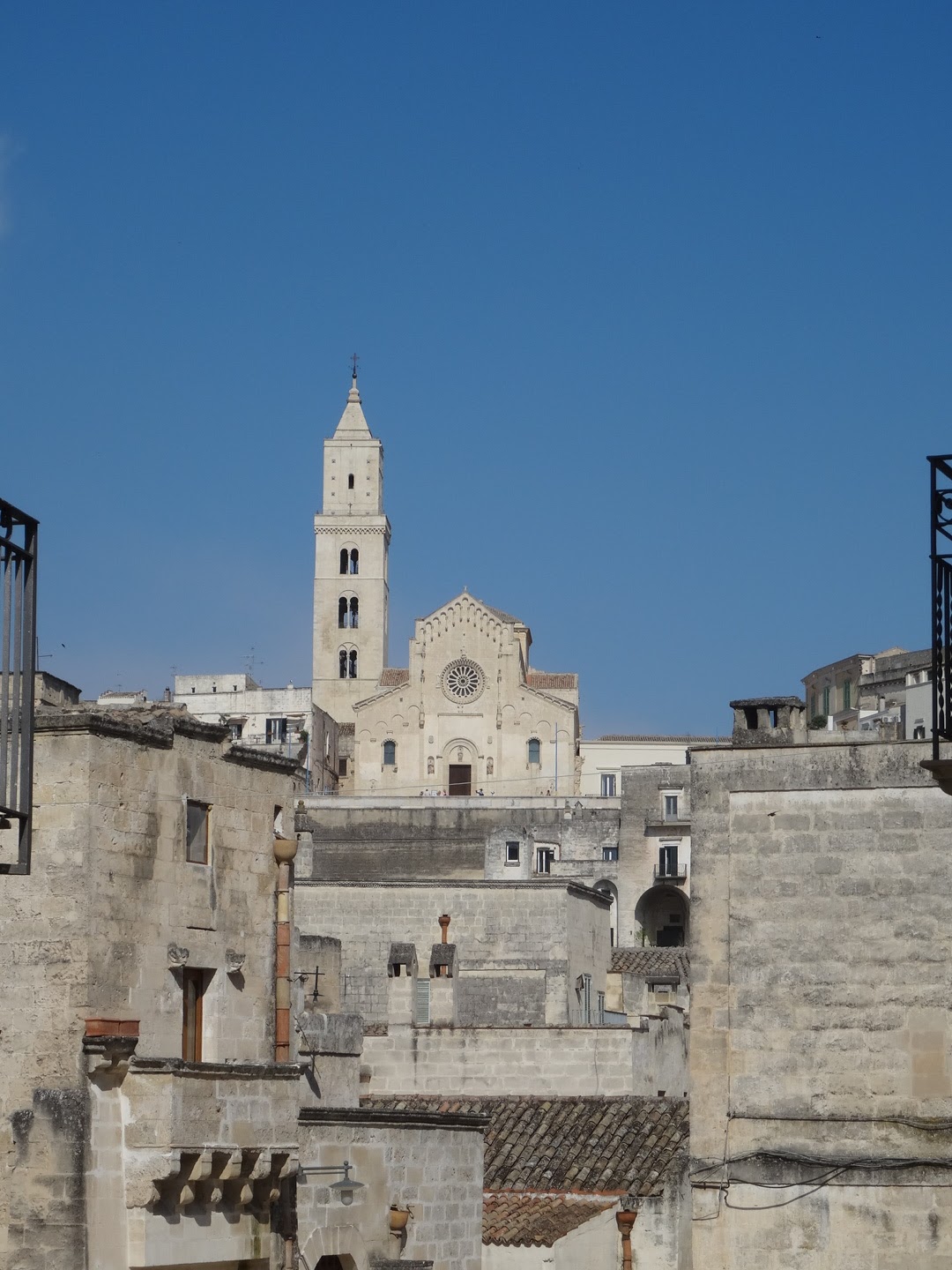
Whilst in Bari, we decided to visit Matera, in the Basilicata region. Matera, the Sassi area (sassi meaning stones), is a complex of cave dwellings carved into the mountainside. It was evacuated in 1952 due to poor living conditions. Things have obviously changed since then, and there are now luxury hotels and a few restaurants and people have moved back into the area. It is sweltering in the summer, so be careful and stay hydrated.
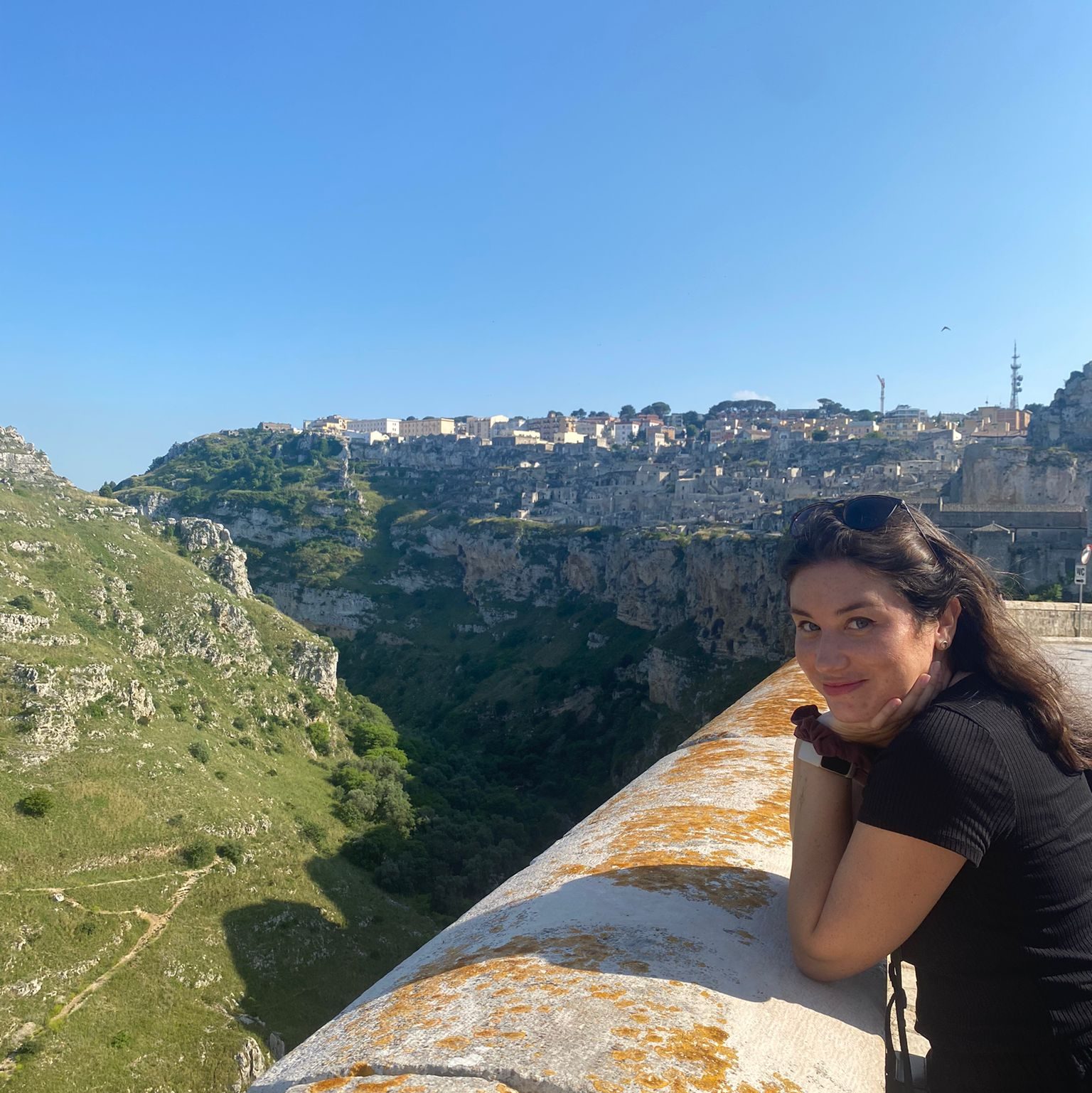
According to the UNESCO World Heritage Convention, “This is the most outstanding, intact example of a troglodyte settlement in the Mediterranean region, perfectly adapted to its terrain and ecosystem. The first inhabited zone dates from the Palaeolithic, while later settlements illustrate a number of significant stages in human history”.
Day 5 – Our last day in Puglia – Exploring Bari

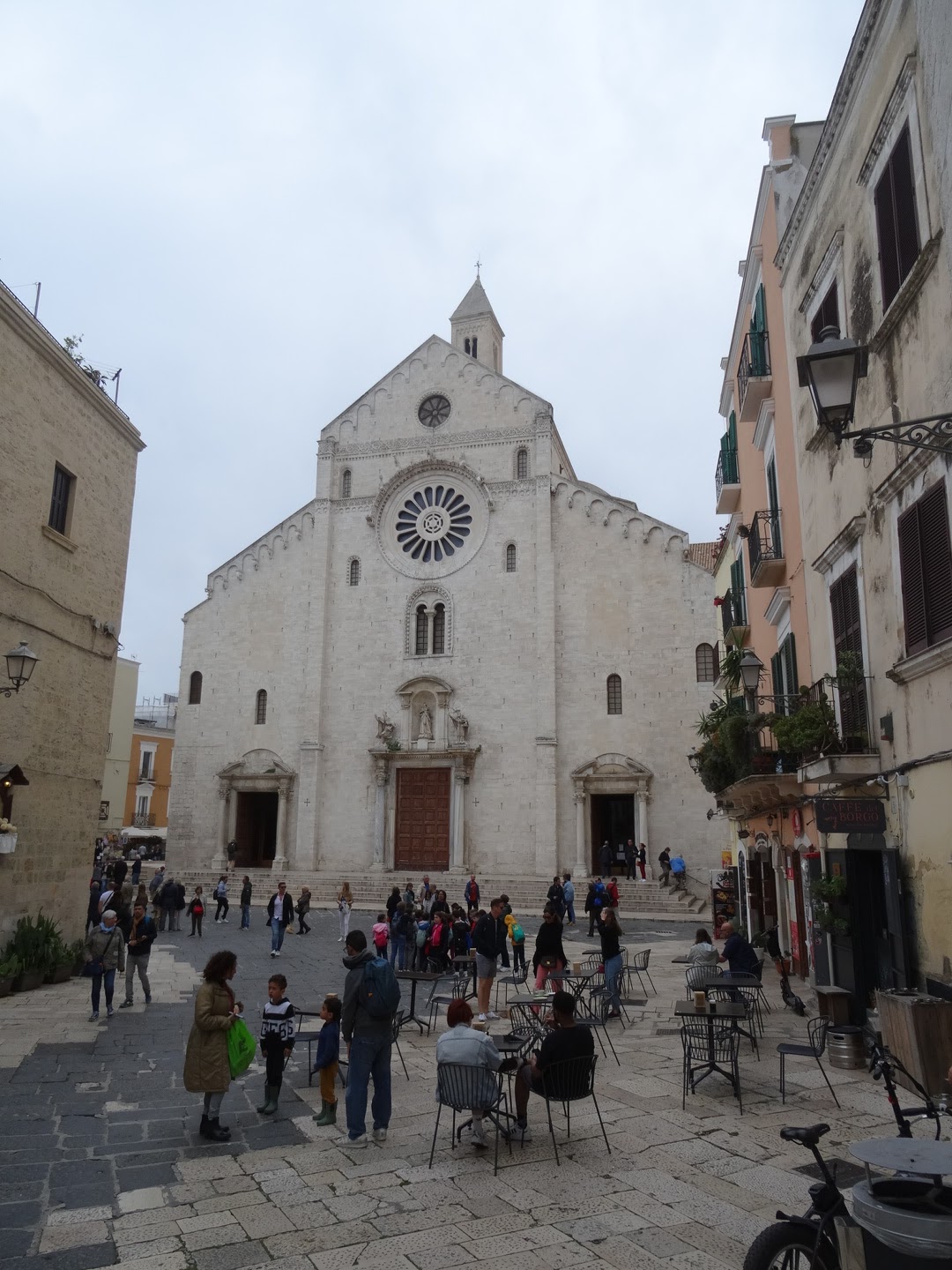
Finally, our last day in Puglia was spent exploring the vibrant city of Bari. I love the old town, it does get rather busy in the centre due to all the tours, but this can be avoided by visiting during the low season.
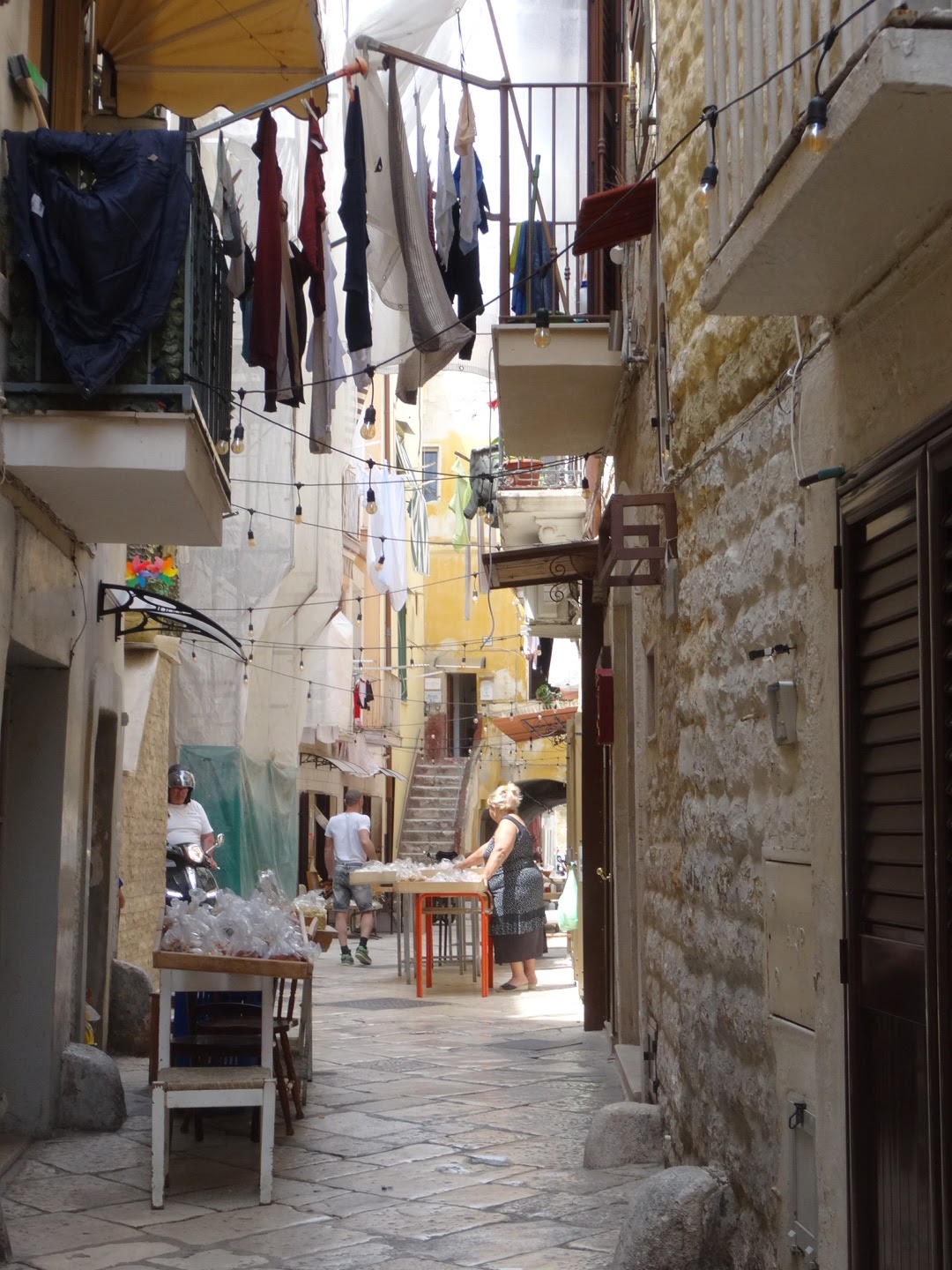
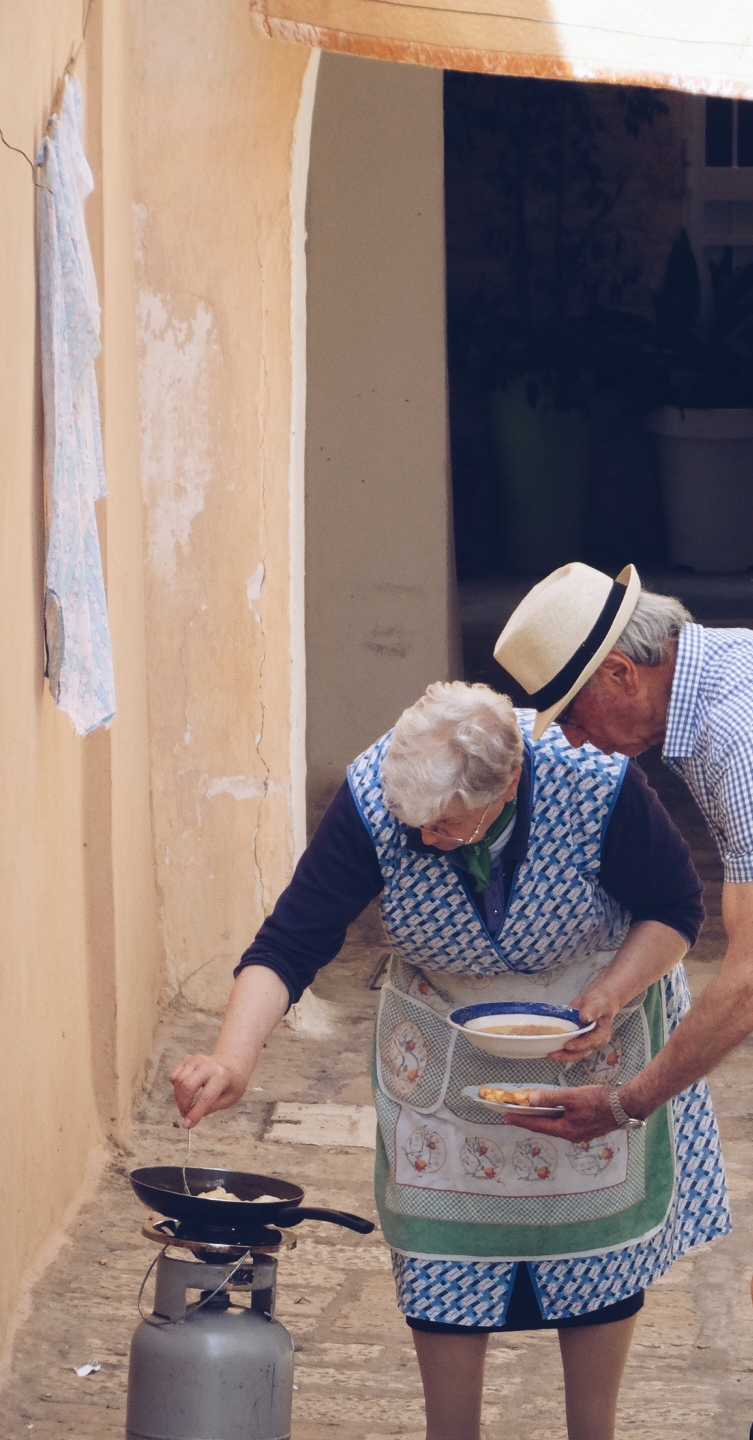
I remember the first time we visited Bari, we stumbled upon a woman cooking in the tiniest kitchen with the door wide open and she had this huge pot on the stove full of oil bubbling away as she deep-fried pieces of dough (frittelle baresi) which at the time made me think of the picture books I had as a child of witches cooking up potions in large cauldrons. And the Frittelle? They were delicious, little clouds of joy.

Things to see and do in Bari

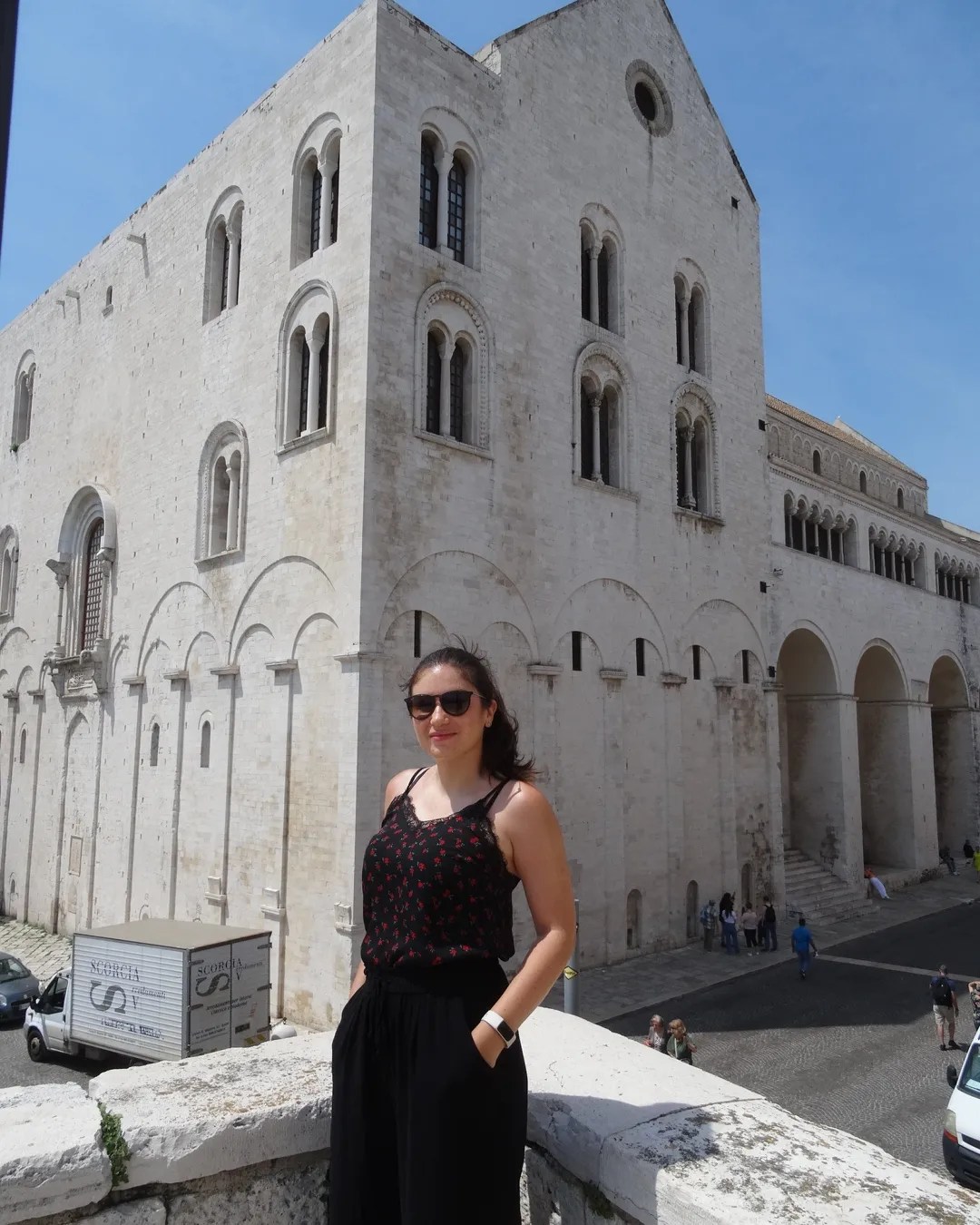
  1. Basilica San Nicola
  2. Basilica Cattedrale Metropolitana Primaziale San Sabino
  3. Bari Vecchia – Strada delle Orecchiette
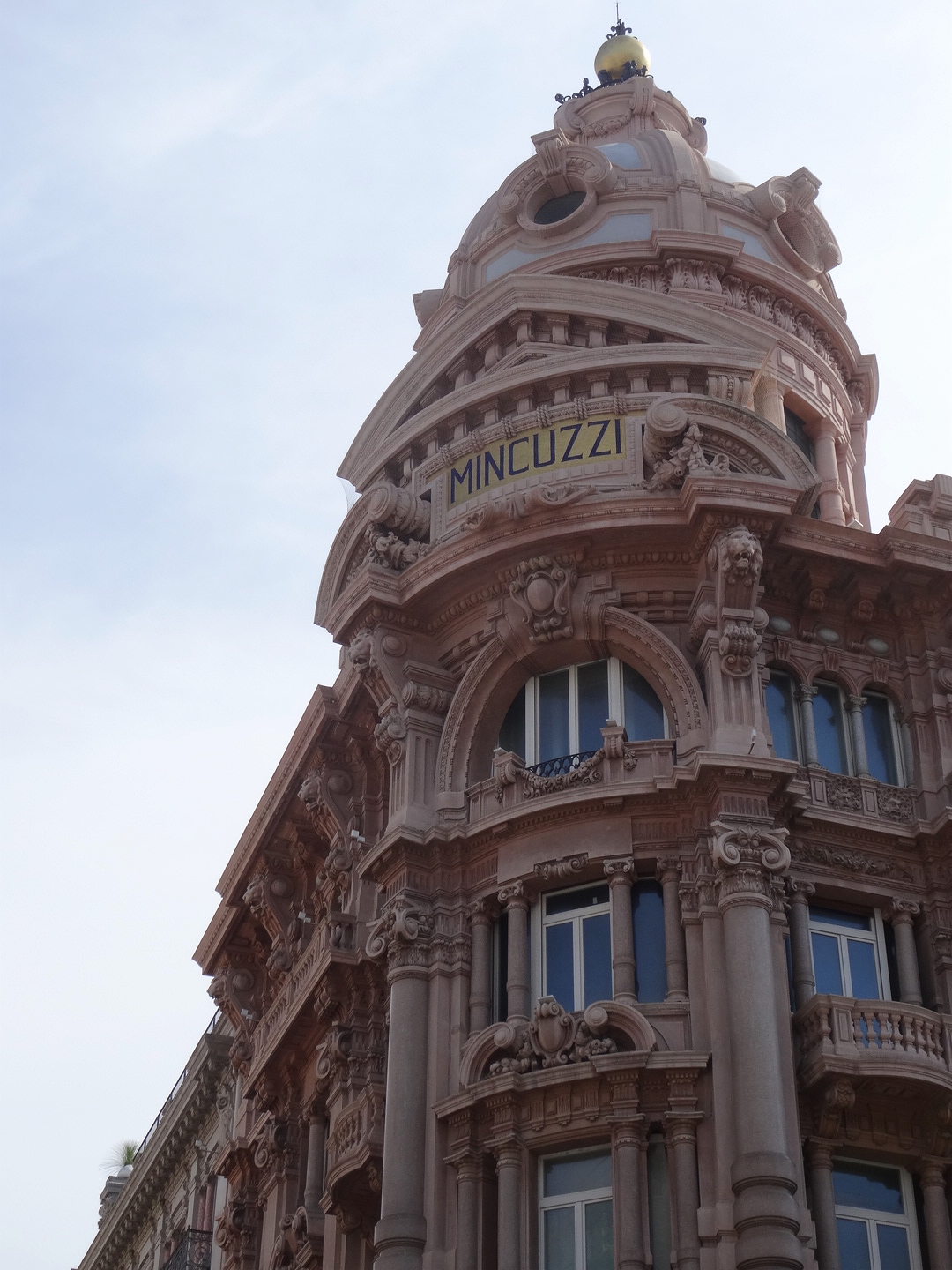
  4. Palazzo Mincuzzi
  5. Pane e Pomodoro beach
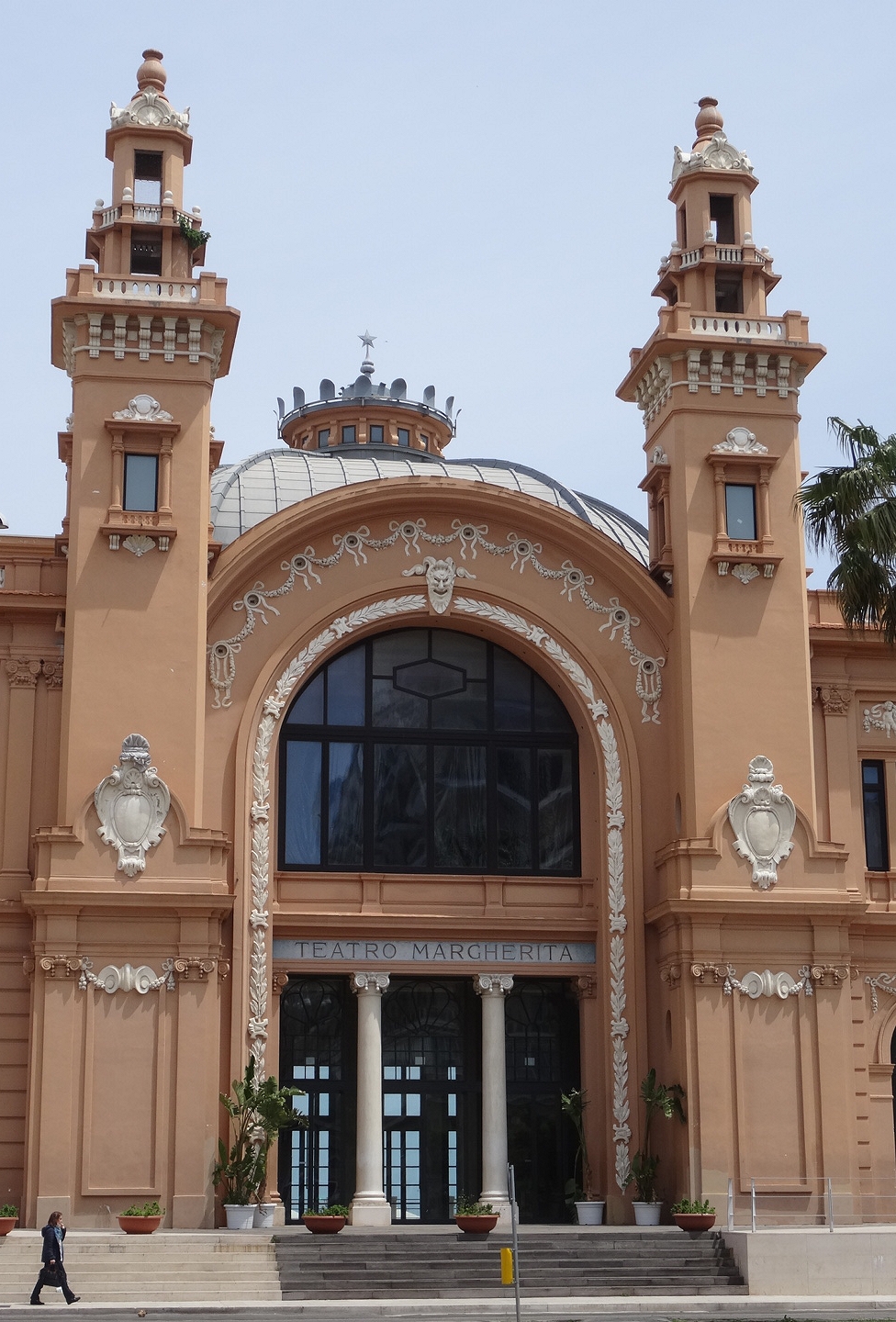
  6. Teatro Margherita

5 things you must try whilst in Apulia (Puglia)

Italian food is rooted in a rich history of passing down recipes from generation to generation. Renowned for its simplicity; high-quality, fresh ingredients are a must and there is a huge emphasis on shopping local. These are a few of the things you should try whilst visiting:

Bombette Pugliese, made of rolls of pork meat, filled with a small piece of caciocavallo cheese, salami, salt, pepper and parsley.

Cheese: Puglia is one of Italy’s most famous cheese-producing regions, they produce many different types including caciocavallo, burrata, stracciatella and cacioricotta (goat cheese) among others.

Pasta: the typical pastas of Apulia are made simply from flour and water. Orecchiette (little ears) is a staple of local Apulian food.

Panzerotti: one of the most well-known street foods in Apulia. It looks like a mini calzone and it is filled with mozzarella cheese and tomato sauce seasoned with oregano. Absolutely delicious.

Seafood: It is as fresh as it gets! Take advantage of the fresh, locally-caught seafood.

Hope you enjoy Puglia!
Thank you for reading! Until next time!
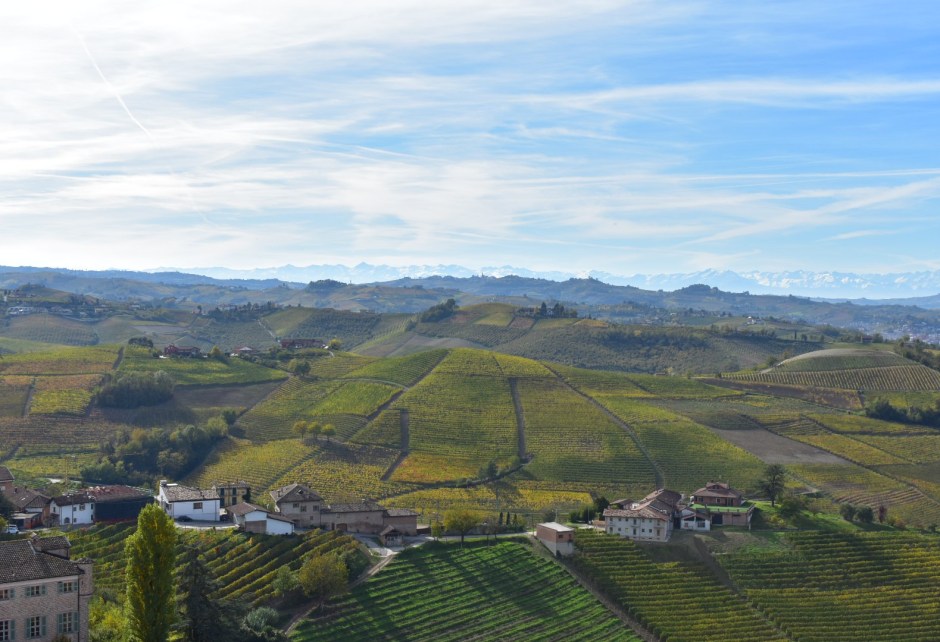
Truffles and wine tasting in Le Langhe

It’s truffle season!
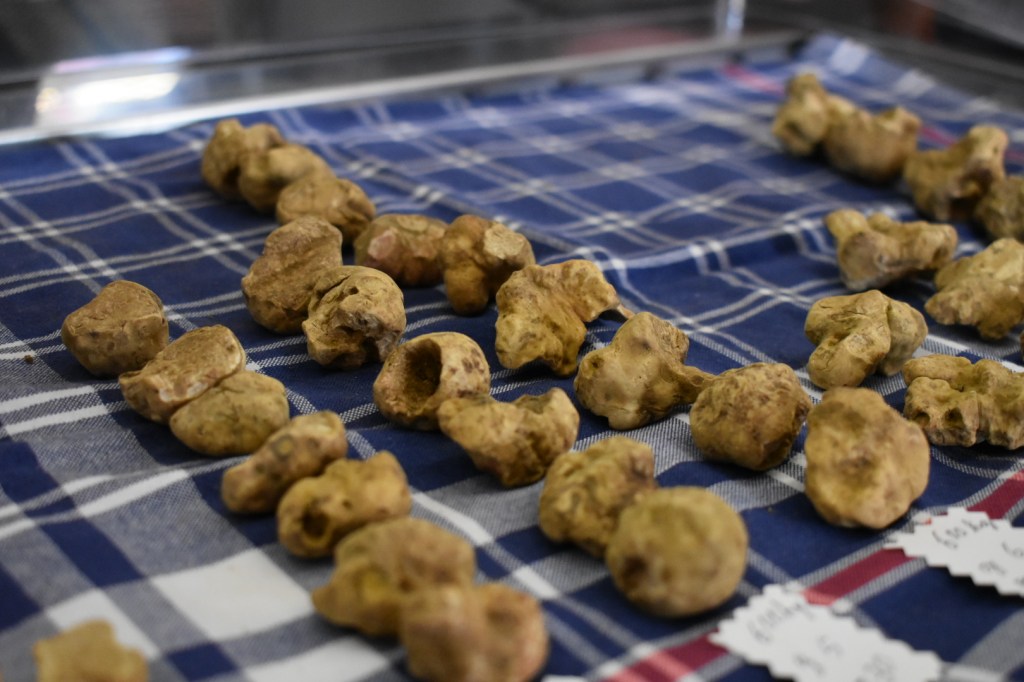
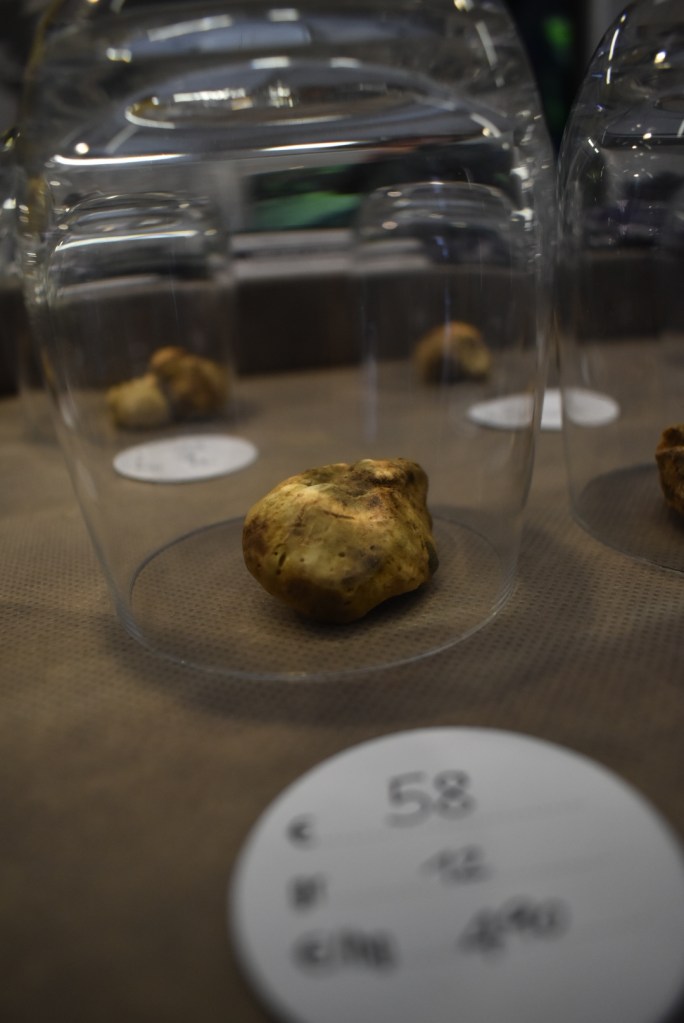
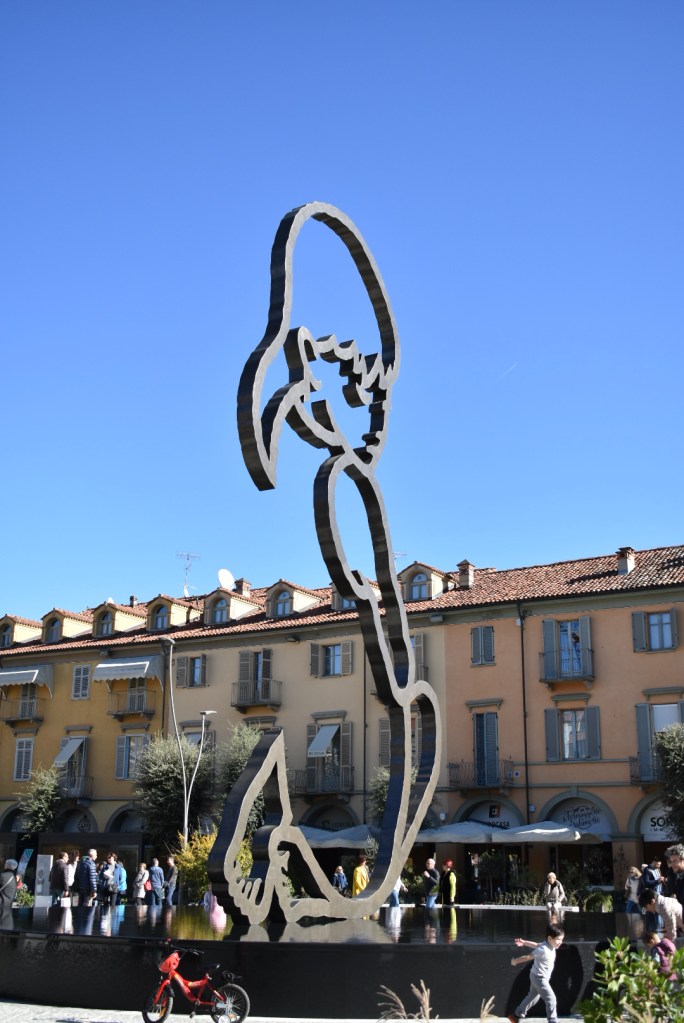
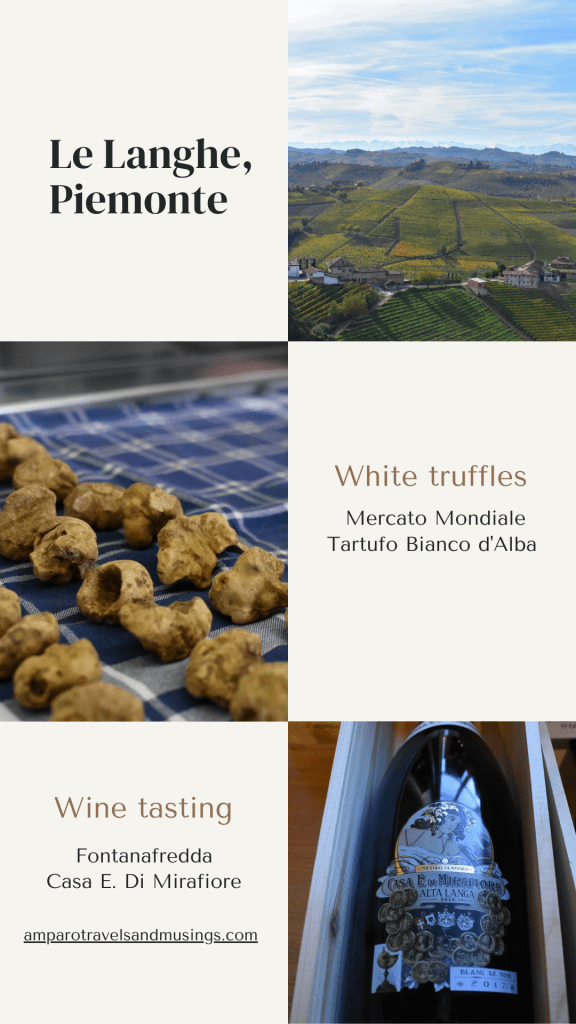
White truffle season is from September to December when they grow wild in the forests around Alba. So of course, being in Lombardia, we had to take a trip to Le Langhe in Piedmont. This area is famous for its wines, cheeses, and truffles, particularly the white truffles of Alba, which was our first stop. As soon as we parked the car we headed straight to the International Alba White Truffle Fair which takes place from the 8th of October until the 4th of December.

There are several different activities that you can do at the fair from Wine Tasting Experiences to Truffle Sensory Analysis, Cooking Shows and Fresh Pasta Ateliers. Entry with no additional activities is 5 euros per person. We really enjoyed the fair, I mean, give me truffles on anything and I’m happy.

While all truffles are deeply valued, the white truffle from Alba (a particular species called tuber magnatum) is the most desired for its unforgettable flavour. Its earthy flavour is excellent in risotto, pasta, shaved over fried eggs and on meat.

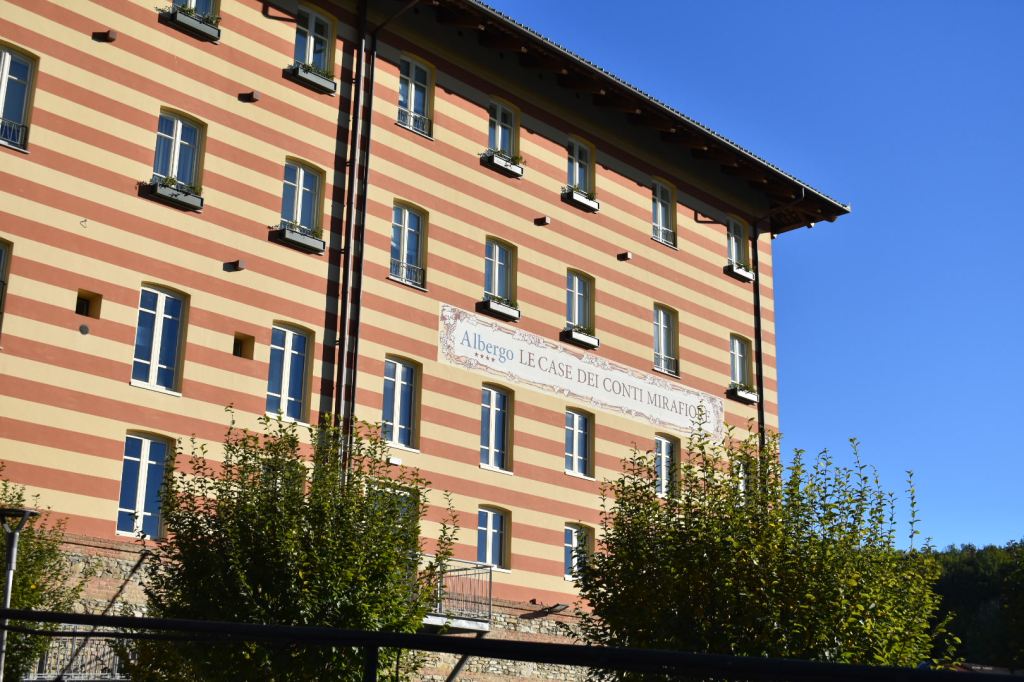
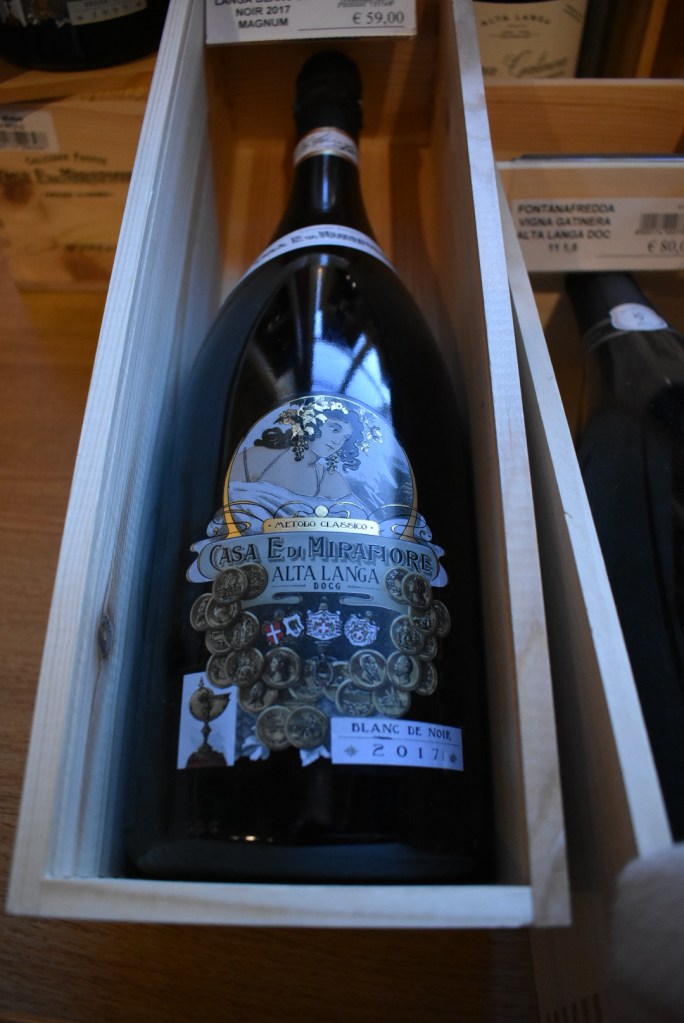
Wine tasting at Villaggio Narrante in Fontanafredda – Casa E. di Mirafiore

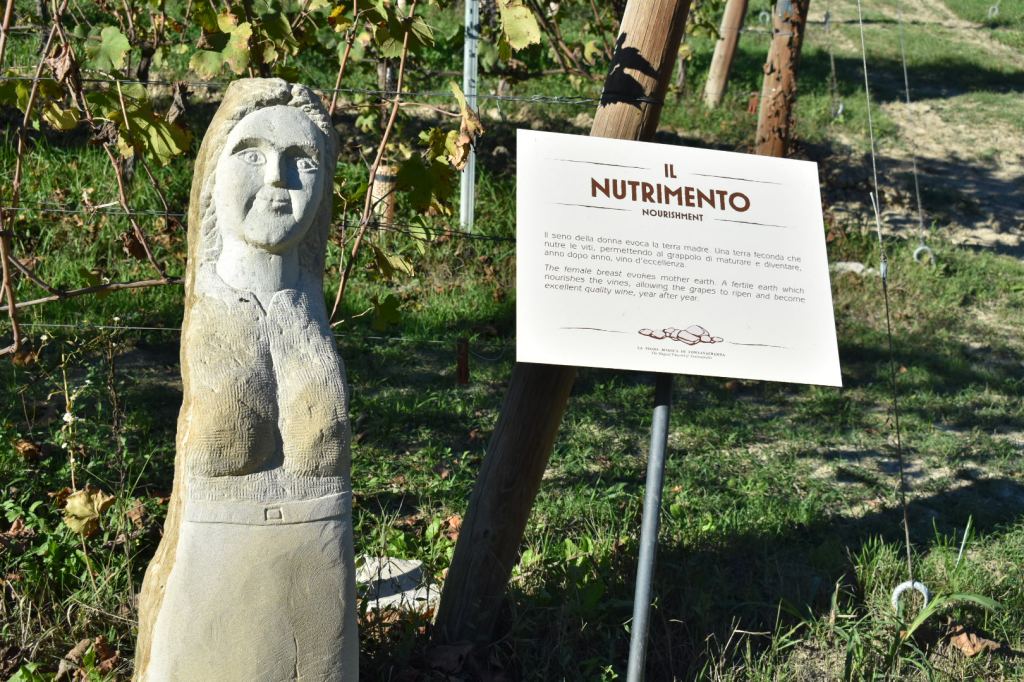
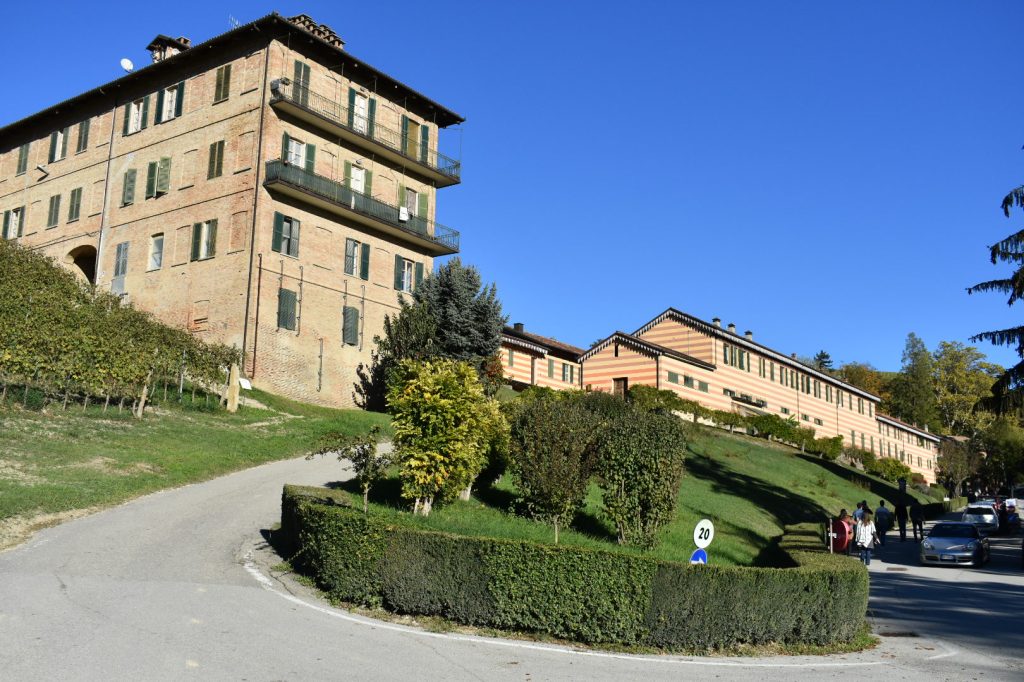
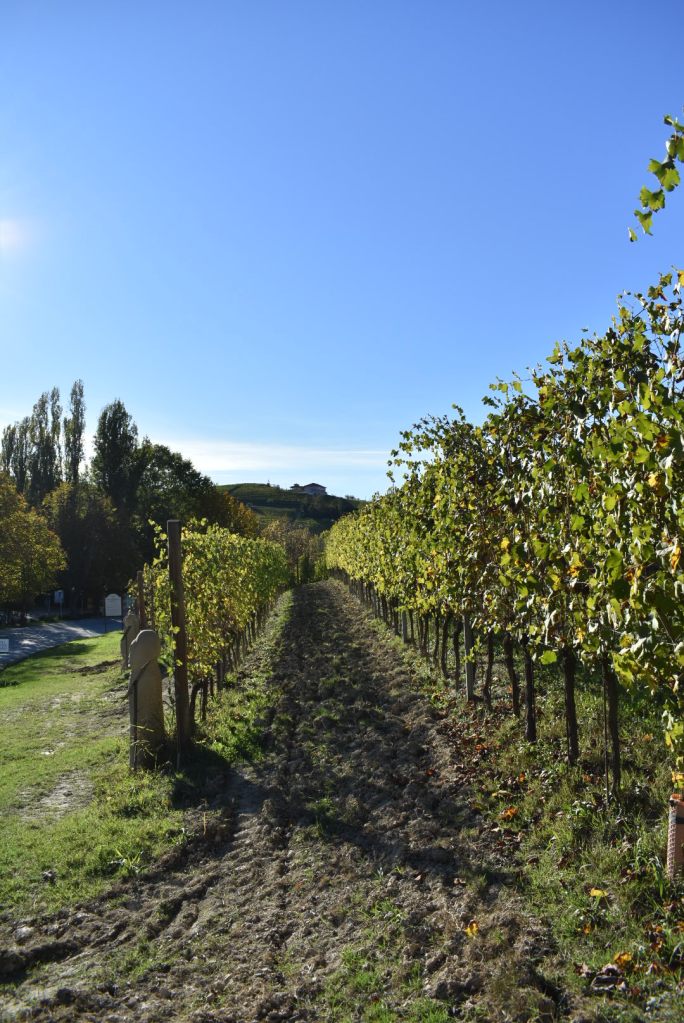
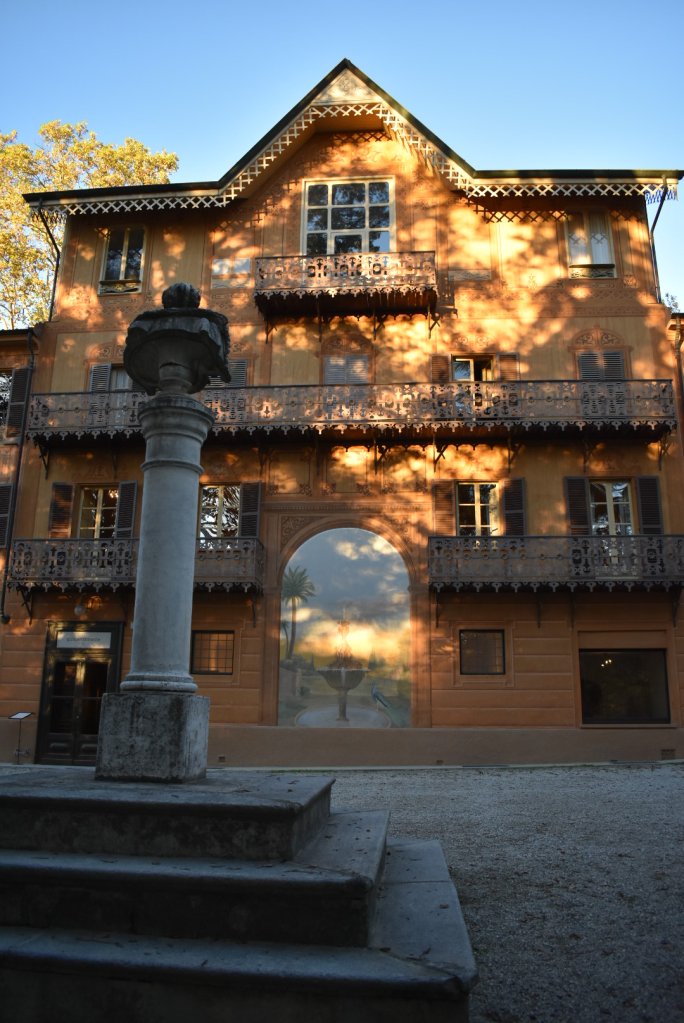
After lunch at the Truffle fair, we headed to Fontanafredda, to the Villagio Narrante for a wine-tasting experience. 120 hectares of bio-natural reserve in Serralunga d’Alba, in the heart of Barolo.

Villagio Narrante was founded thanks to Emanuele Alberto, the son of King Vittorio Emanuele II, with the aim of creating a village with a school, a church, a tobacconist, a baker and a recreational club. A real village which became home to 250 people, all employed by the winery, and where 15 families still live today.

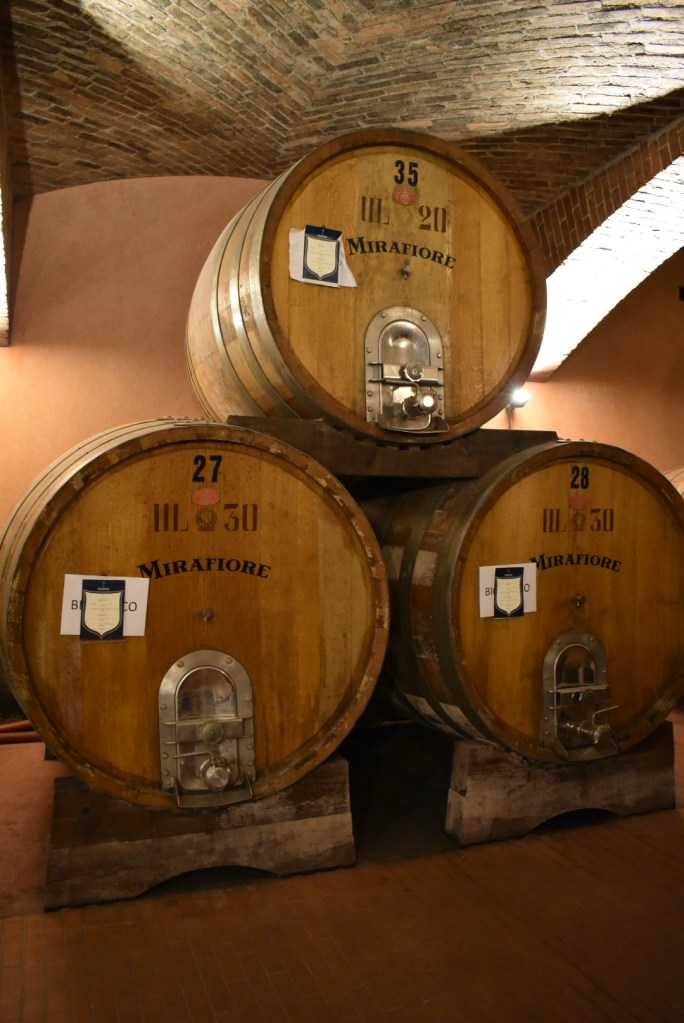
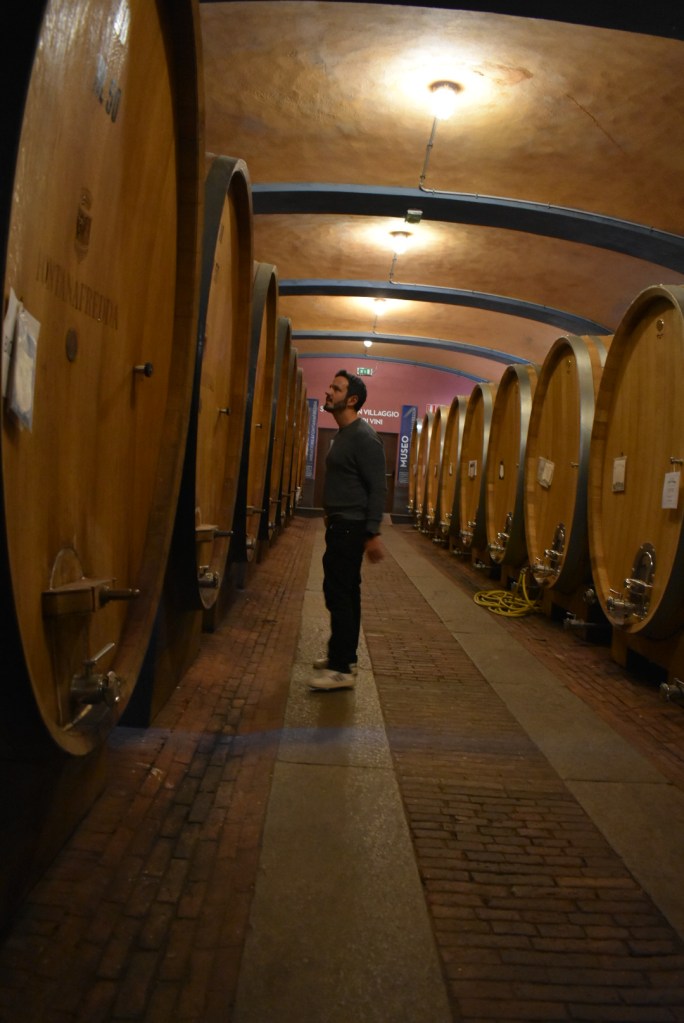
There are several different experiences but we went for the Barolo of Serralungo tour at 40€ per person. A guided tour of Fontanafredda’s historical cellars and tasting of three Barolo wines which have made the winery an icon of this wine throughout the world: Barolo DOCG Serralunga d’Alba, Barolo DOCG Proprietà in Fontanafredda, Barolo DOCG Vigna La Rosa.

The tour was brilliant, it was so interesting to learn about the history of the vineyard. Once you’re done with the tour, you get a 10% off voucher that can be redeemed in-store and before buying any of the wines you can ask to taste them first.

Dinner at Rabayá – Restaurant in Barbaresco

For dinner, we went to Rabayá, a restaurant overlooking rolling hills surrounded by miles of vineyards. The restaurant serves classic Piemontese dishes. It was a brilliant experience and even though we went for a set menu they were happy to replace some of the dishes. The Cocotte was one of my favourite dishes, so simple but so good.

Menu Degustazione


Il vitello Fassone cotto e crudo

(Piedmont veal meat in two ways: raw and cooked)

Cocotte di zucca e fonduta con tartufo nero

(Pumpkin with fonduta cheese and black truffle)

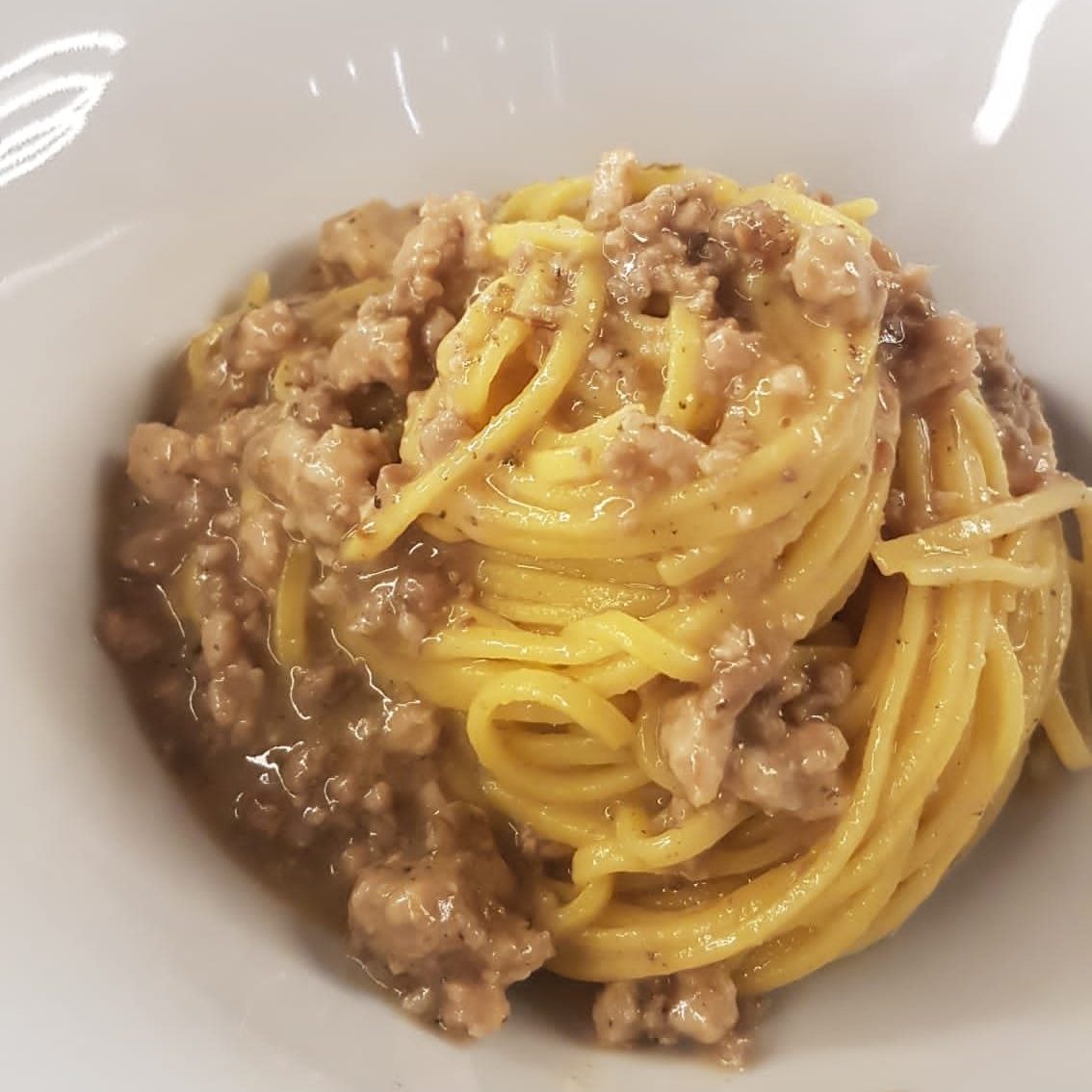
Tajarin ai 30 tuorli al ragù di salsiccia di Bra

(Thin tagliatelle with bra sausage sauce)

Tenera di vitello al Barbaresco

(Veal shoulder in Barbaresco wine sauce)

Dolce misto

(Mix of desserts)

€ 40,00 bevande escluse
(DRINKS NOT INCLUDED)

Breakfast and Aperitivo in Barbaresco

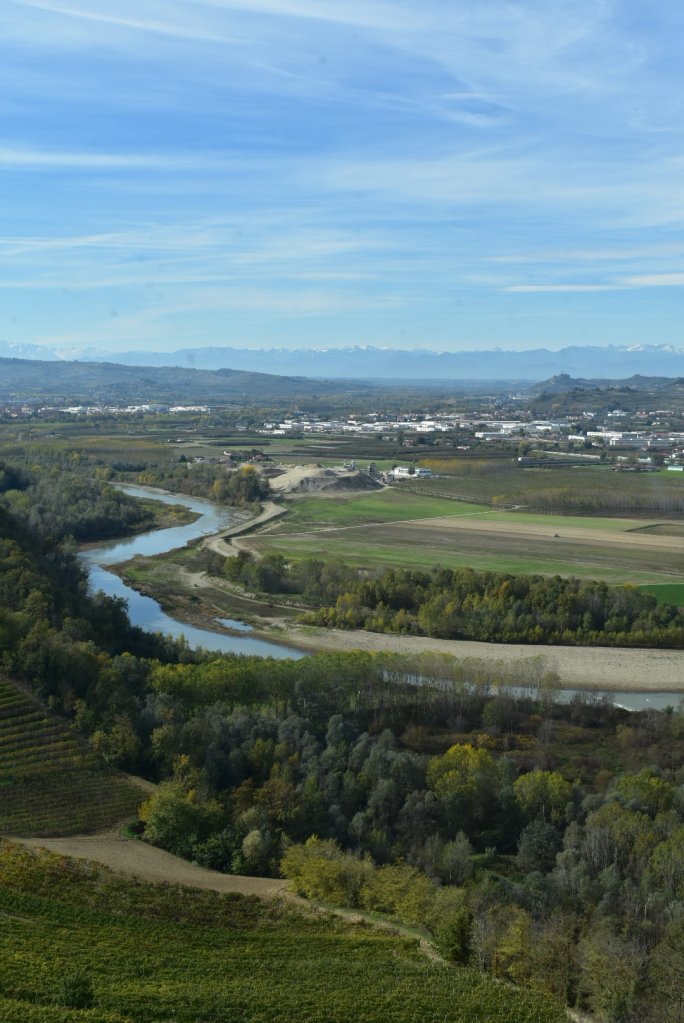
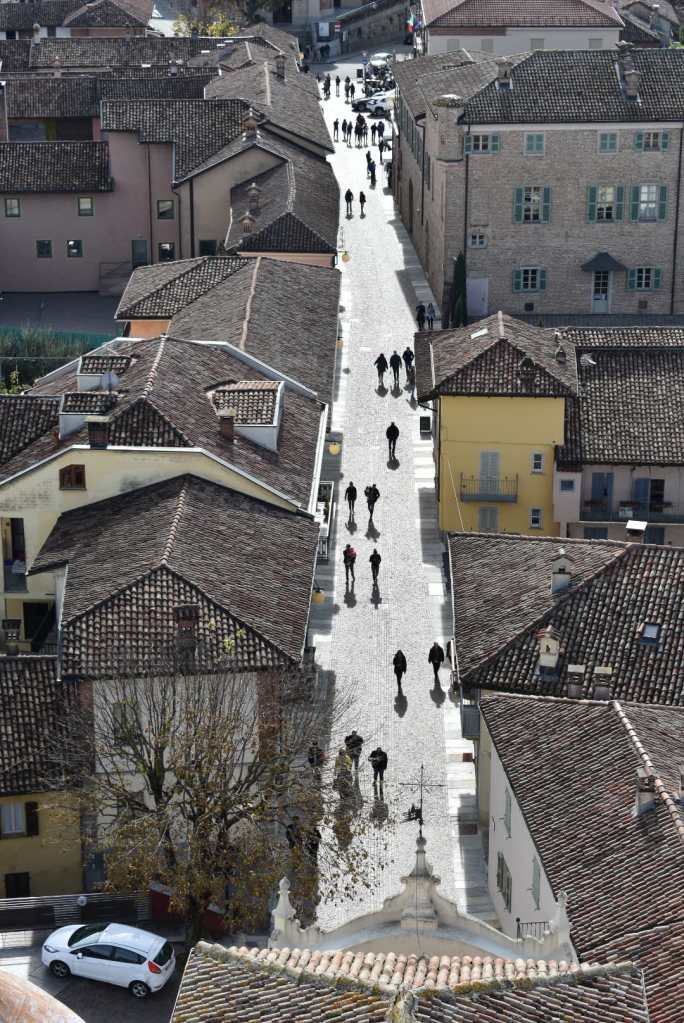
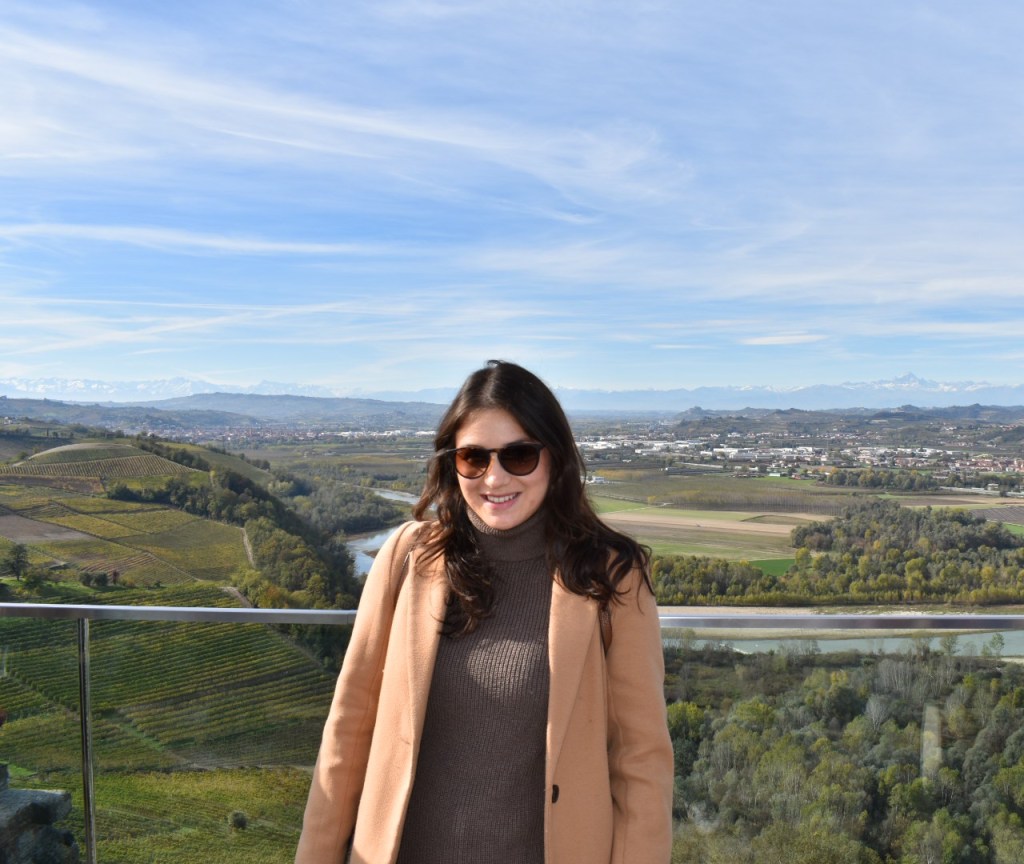
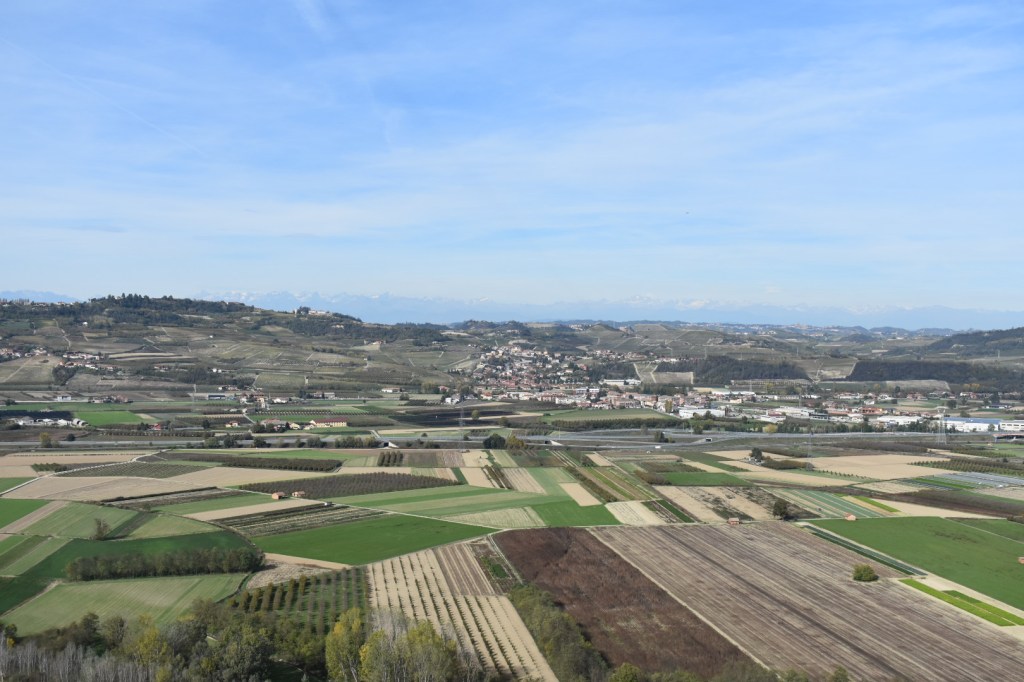
The following day we visited the tower of Barbaresco, which has 360 views of the Langa and Roero area. The weather was so nice, everyone was outside having late breakfast or starting early on their aperitivo.

Tickets to access the Barbaresco tower are 7€ – 8€ per person (adults).

You can check the website here for more information on discounted tickets.

Neive

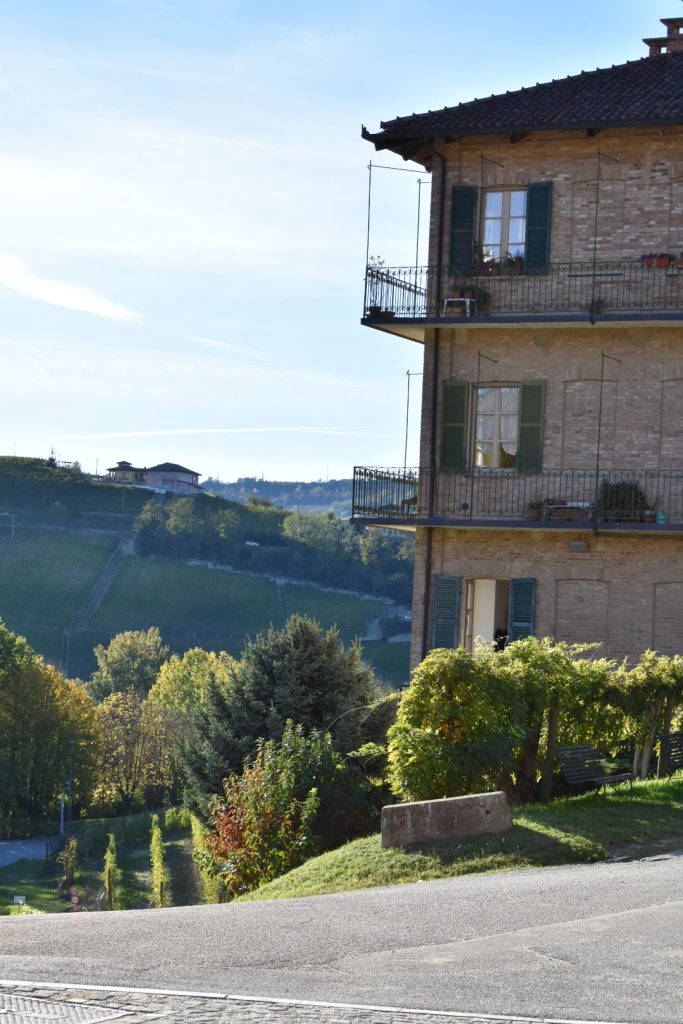
Considered one of the most beautiful villages in Italy, Neive is a small village with a population of around 3000. It is mostly visited by visitors looking for agritourism. It is a great day out and the views around the village are incredibly beautiful.

For lunch, we went to Ristorante Naevia which I highly recommend. It serves traditional Piemontese dishes and the service was wonderful. I had the tagliarini al ragu di coniglio, it was delicious. You can get a set menu for 45€ per person excluding wine which includes the following:

Menù Tradizionale – Traditional Menù

Carne cruda di Fassona battuta al coltello e maionese alla nocciola.

(Hand-cut Fassona veal tartare and hazelnut mayonnaise)

Tajarin 30 tuorli con ragù di coniglio aromatizzato alle erbe di Langa.

(30 yolk Tajarin with rabbit ragù seasoned with Langa herbs)

Brasato della tradizione con purè di patate.

(Traditional Beef stew with potato purè)

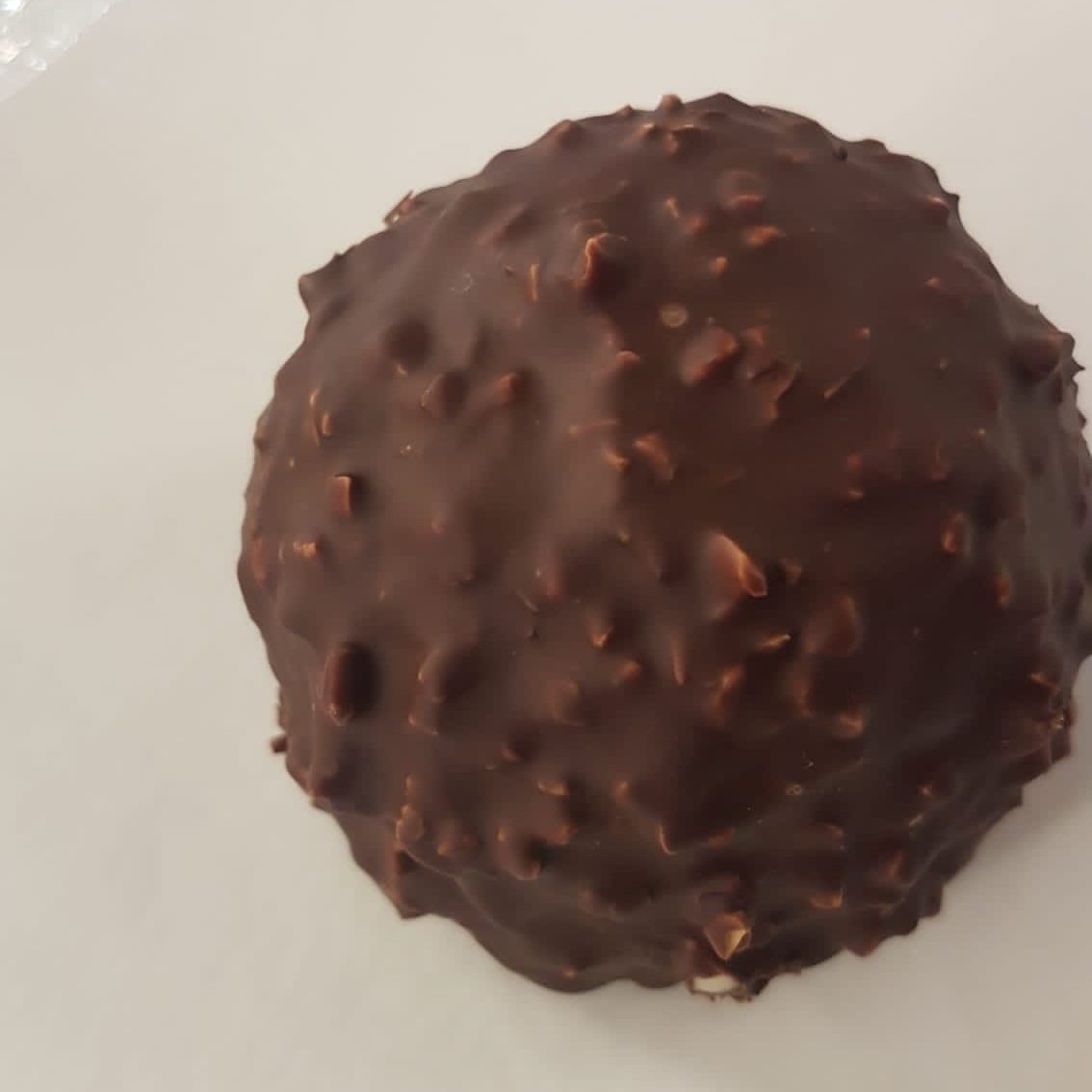
Sfera di “Bonet”

(“Bonet” Sphere)

€ 45 Bevande escluse (Drinks not included)

Getting there

The easiest way to explore this area and to get to Alba, is by car. It took us around 2 hours to get there from Monza.

By train: From Turin, you can take the train (Trenitalia) and be in Alba in around an hour. From Milan, it’s around 3h 30m with a stop in Turin.

It was such a wonderful weekend and I can’t wait to explore more of the area.

Did you enjoy this post?

A Summer in Sicily

23 days on the road in sunny Sicily

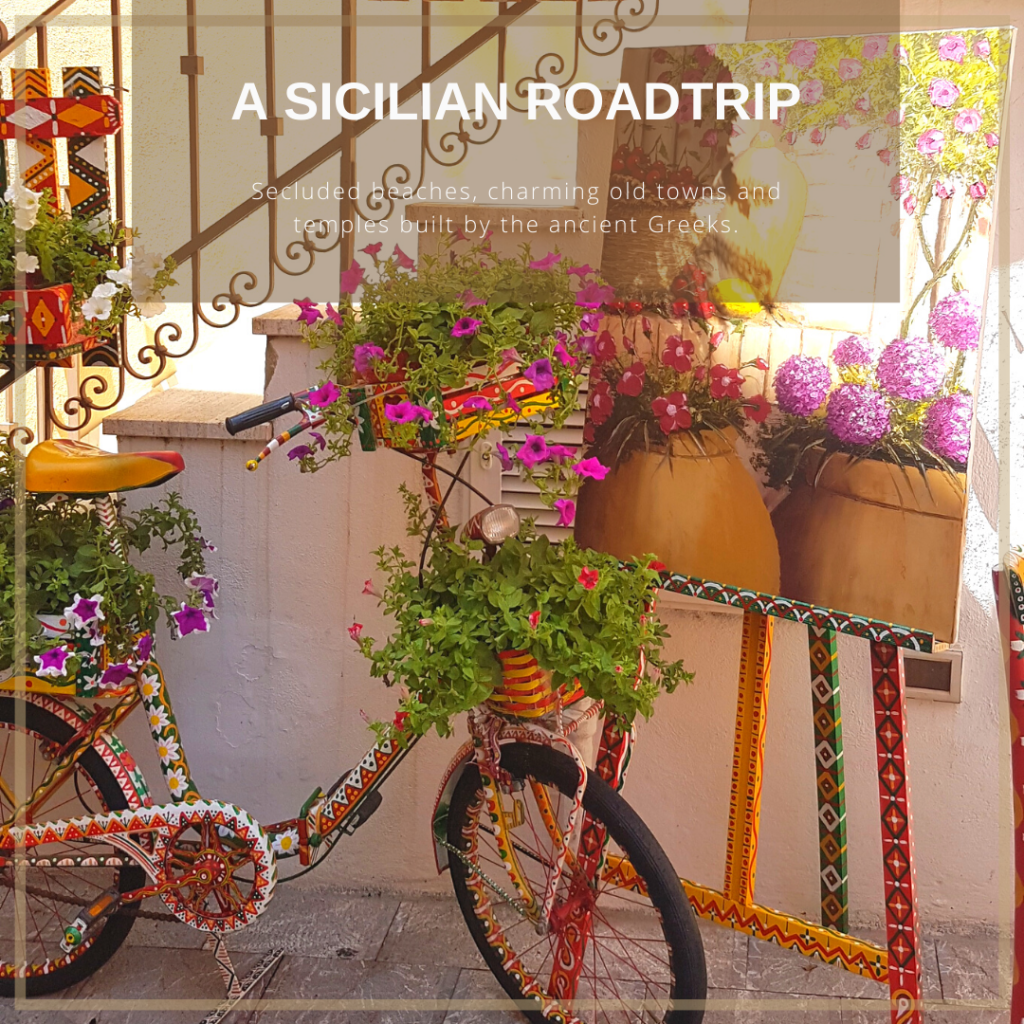
Secluded beaches, charming old towns and temples built by the ancient Greeks. Welcome to Sicily! We had been looking forward to this for months! As soon as we saw that there was a possibility of booking a holiday, even if still within the country, we started planning and chose Sicily. After an 8 hour drive down to Naples where we stayed for a week, we then drove 5 hours further down to Calabria to get the ferry over to Messina in Sicily.
Let the road trip begin!!

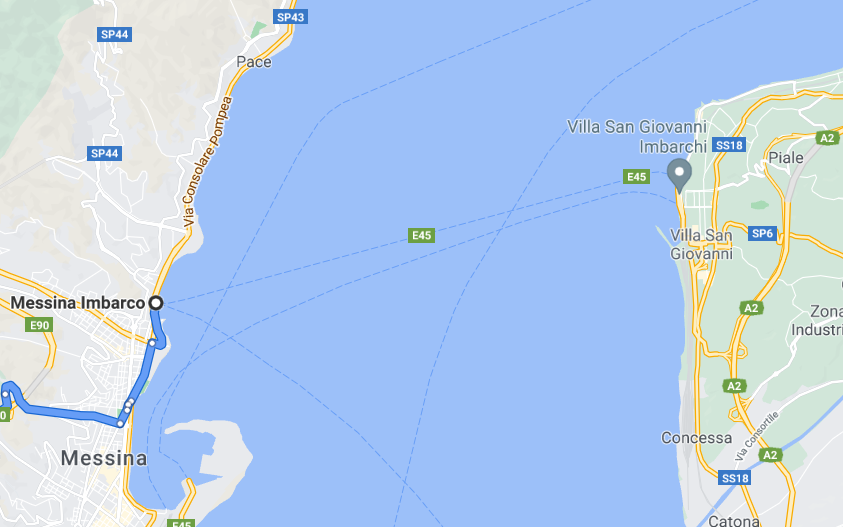
Ferry from Villa San Giovanni Imbarchi to Messina Imbarco

We took a ferry from Villa San Giovanni to Messina which took around 30 minutes. For tickets and prices click here.

A website that I find quite useful when travelling is Rome2Rio you can book train tickets, flights, hotels and search for great deals on car hire. Discovered it when I moved to Italy last year and works really well for me.

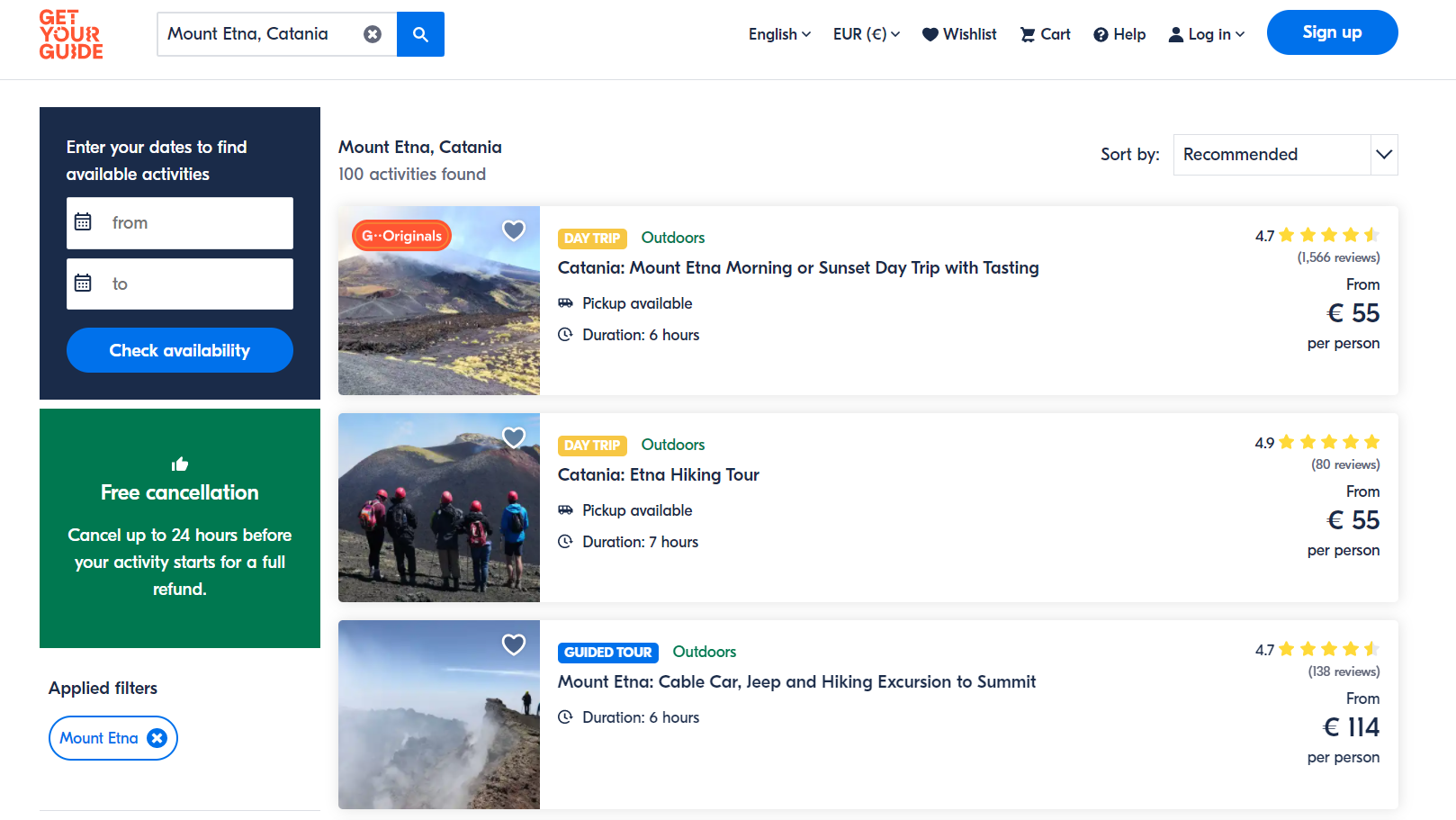
Another great app and website that I like to use is Get your Guide; they have really great tours and so far, I haven’t had any complaints.

We wanted to see as much of Sicily as possible without spending too much and booked mostly all our accommodation via Booking.com and the rest via Airbnb.

Here’s a quick overview of where we stayed:

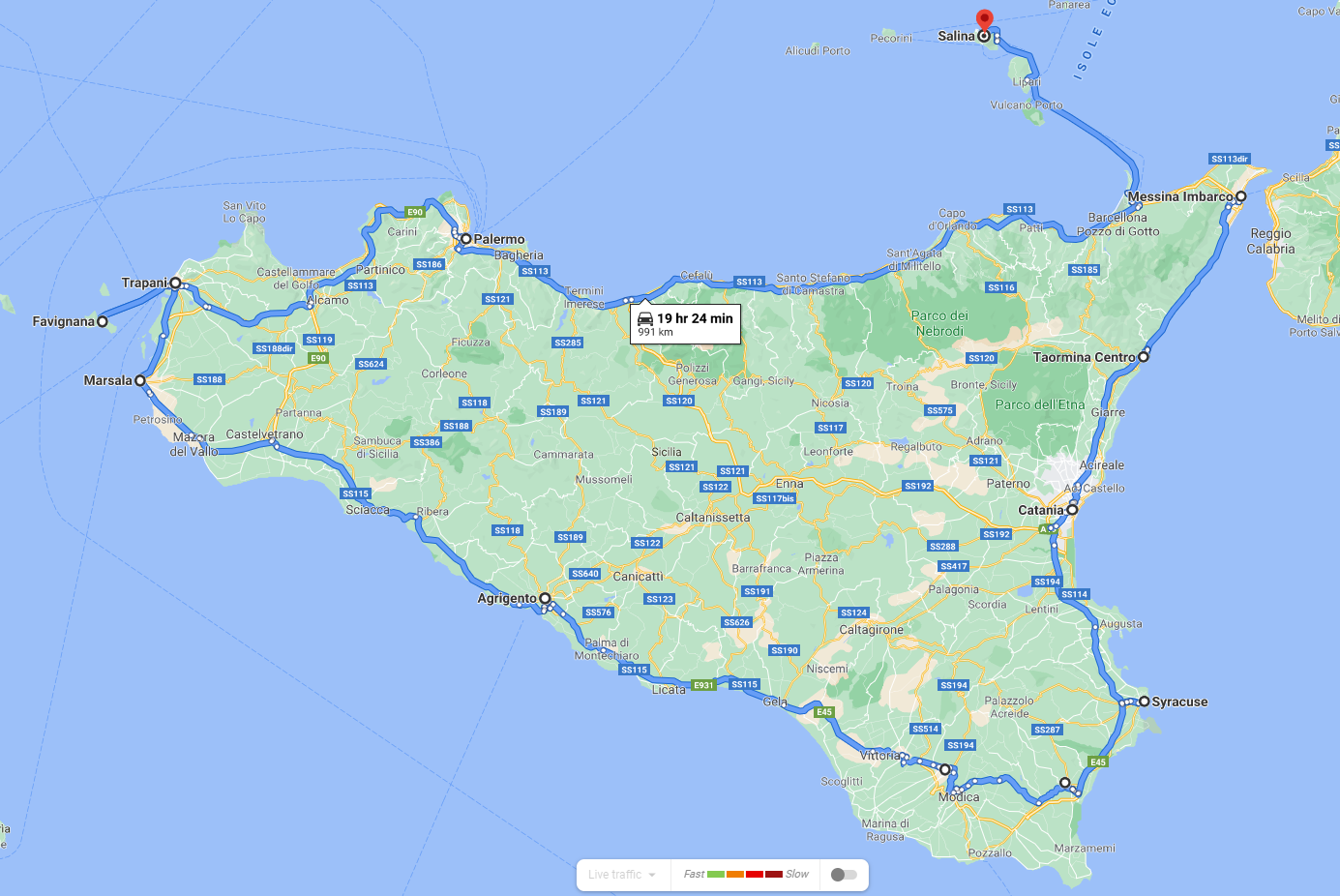
Our Itinerary

Day 1 – 3: Taormina with accommodation in Riposto.

Day 4 & 5: Catania

Day 6 & 7: Siracusa (Syracuse) with accommodation in Ortigia

Day 8 – 10: Agrigento

Day 11 & 12: Marsala

Day 13 – 15: Trapani

Day 16 & 17: Baia Guidaloca (San Vito lo Capo)

Day 18 & 19: Palermo

Day 20 – 23: Salina

I realise not everyone can do a trip this long so you can definitely reduce the number of days in each place and even skip staying in Marsala as it’s quite close to Trapani. You can also remove Salina from your itinerary and do a mini cruise that will take you on a tour around the islands if you like. I would also skip staying in Catania and would do a half day trip.

Route by car

1. Taormina

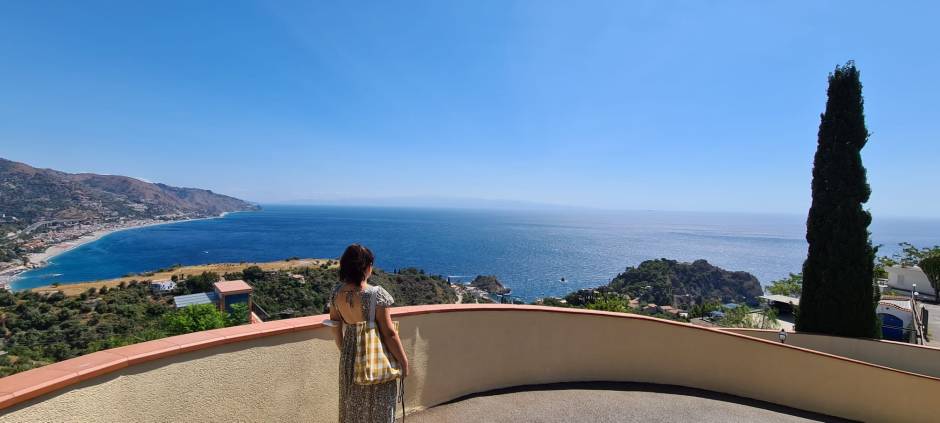
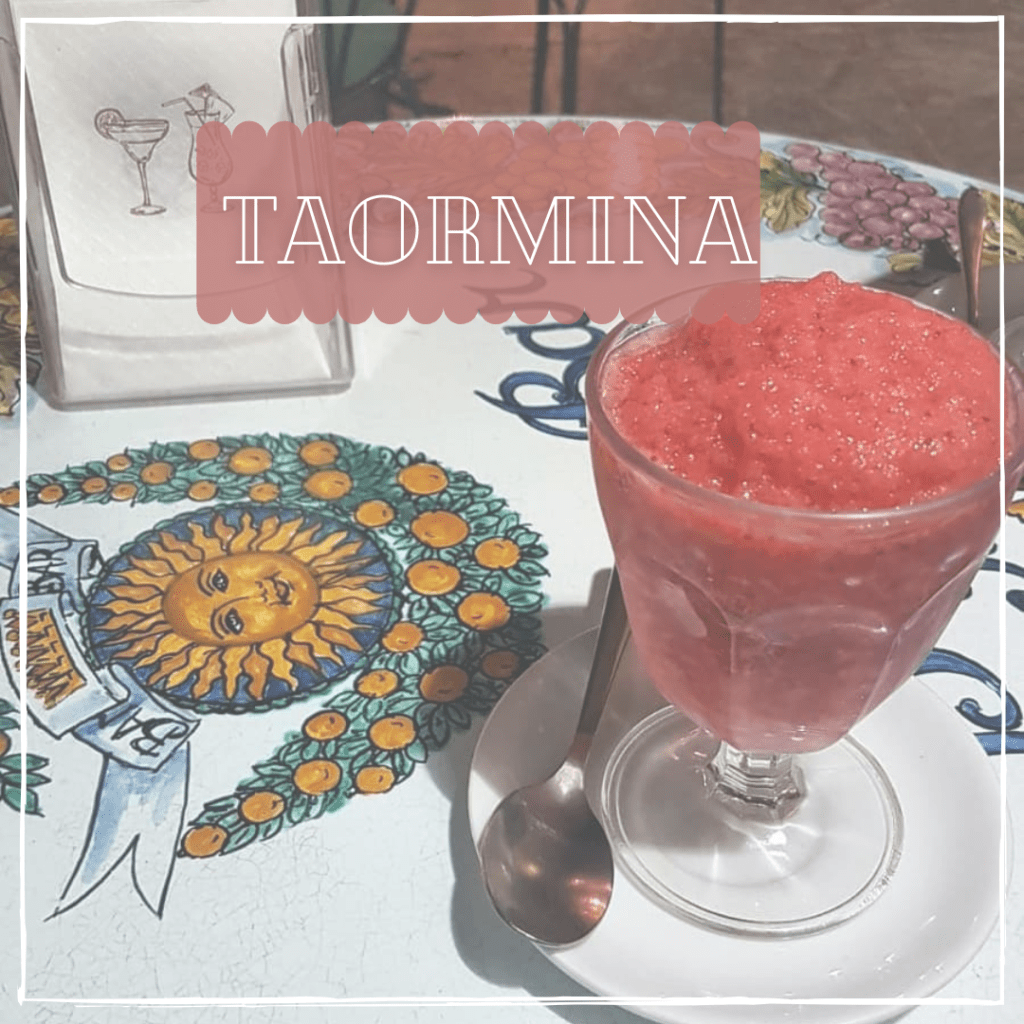
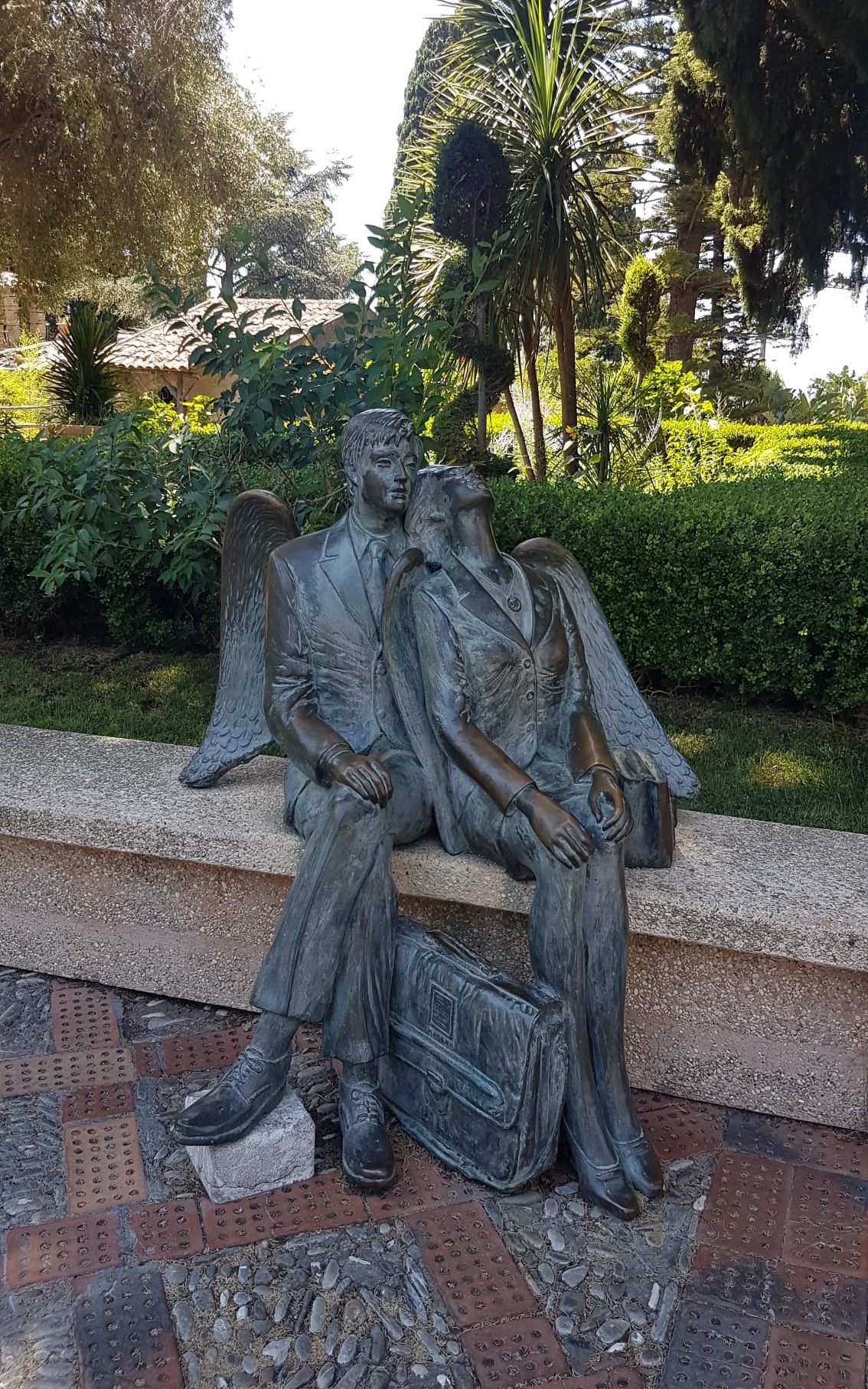
Our first stop was Taormina, a beautiful city I would definitely recommend you include in your itinerary. I think Taormina was probably one of my favourite stops during this trip. Wandering round the streets of Taormina you could smell freshly baked brioches, it was wonderful! An absolute must whilst in Taormina is to have a granita with a brioche; and Bam Bar does not disappoint. Best to go in the evening as during the day it’s packed with avid granita and brioche fans! And tourists love the photo op!

The most important things to see in Taormina are:

  1. Teatro Antico di Taormina (best early AM or for sunset)
  2. Parco botanico
  3. Porta Messina via Corso Umberto
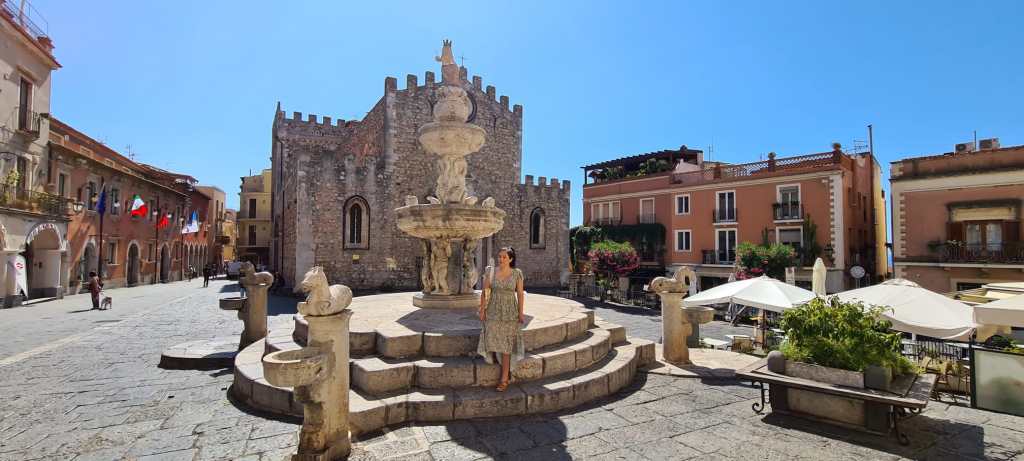
  4. Piazza IX Aprile
  5. Villa comunale
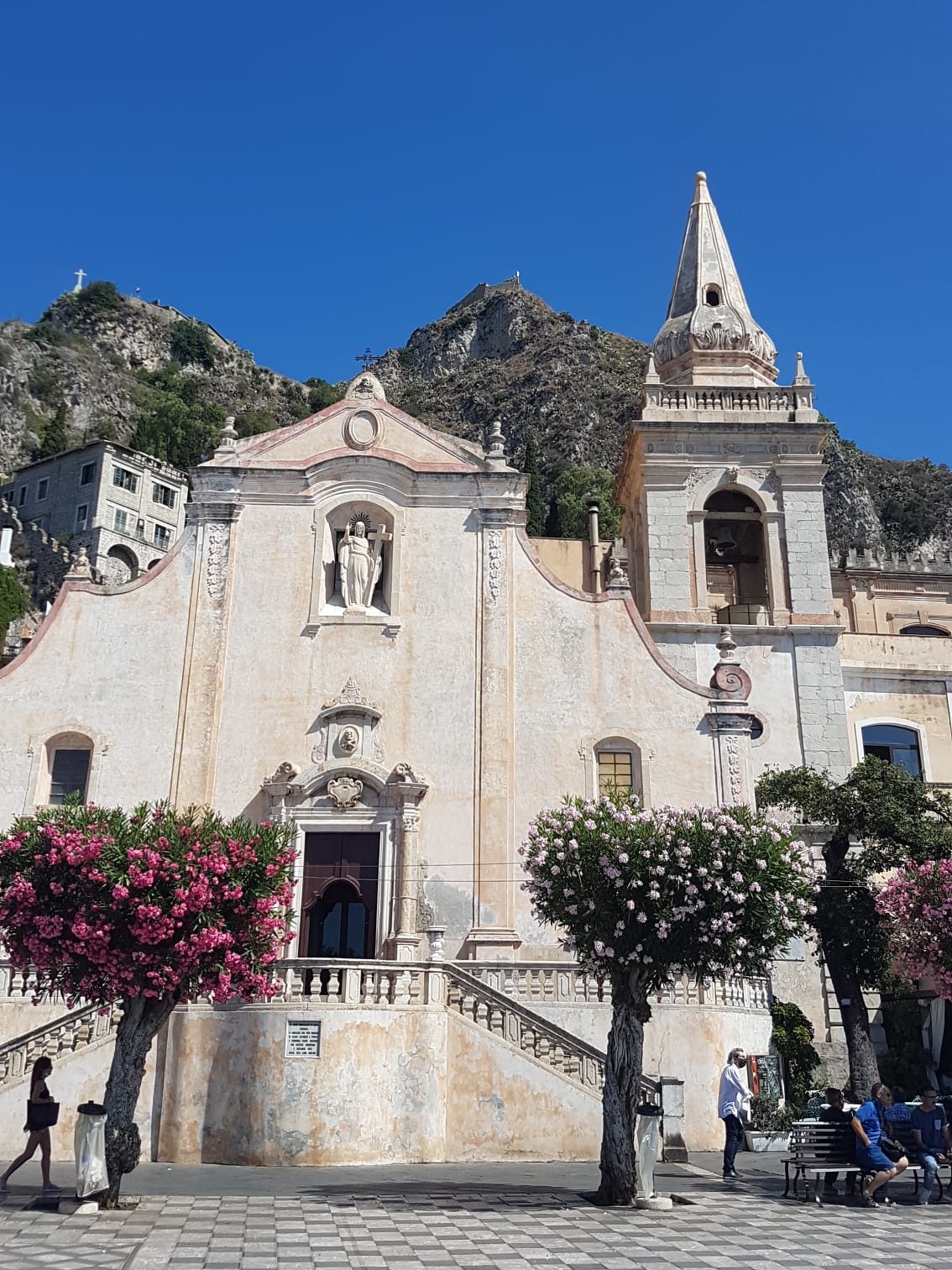
  6. Chiesa di san Giuseppe
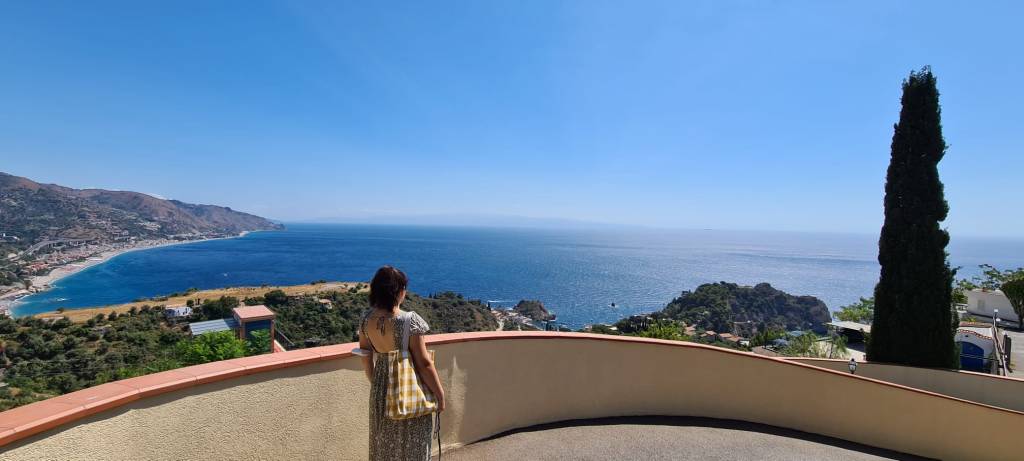
  7. Castelmola for sunset views.
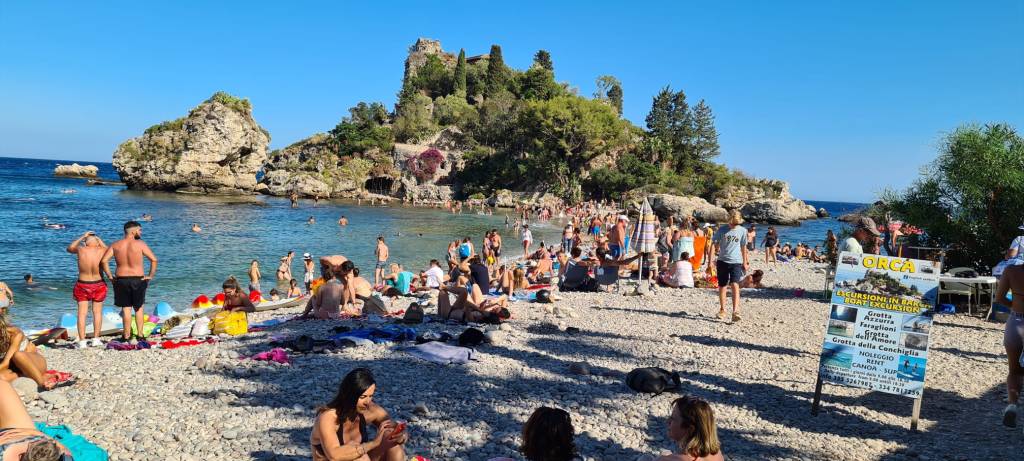
  8. Isola Bella. A must!
Villa Comunale Gardens
Isola Bella
Chiesa di San Giuseppe on Piazza IX Aprile

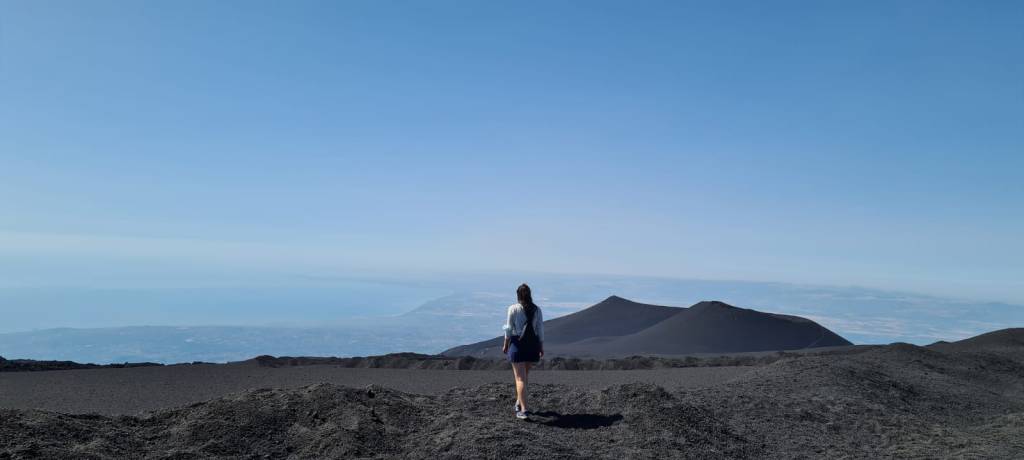
Whilst in Taormina we also booked a tour of Mount Etna, it was an incredible experience. If you have a car you can drive to Rifugio Sapienza and then from there you can take one of the tours available to book at the ticket office or book one of the many Etna experiences available online.

I found the tour below which sounds brilliant and wish I had booked it before going to Mount Etna. It would have saved us quite a bit of money.

Getyourguide.com

Make sure to take a light cover up and water as the higher you go the windier it gets!

2. Catania

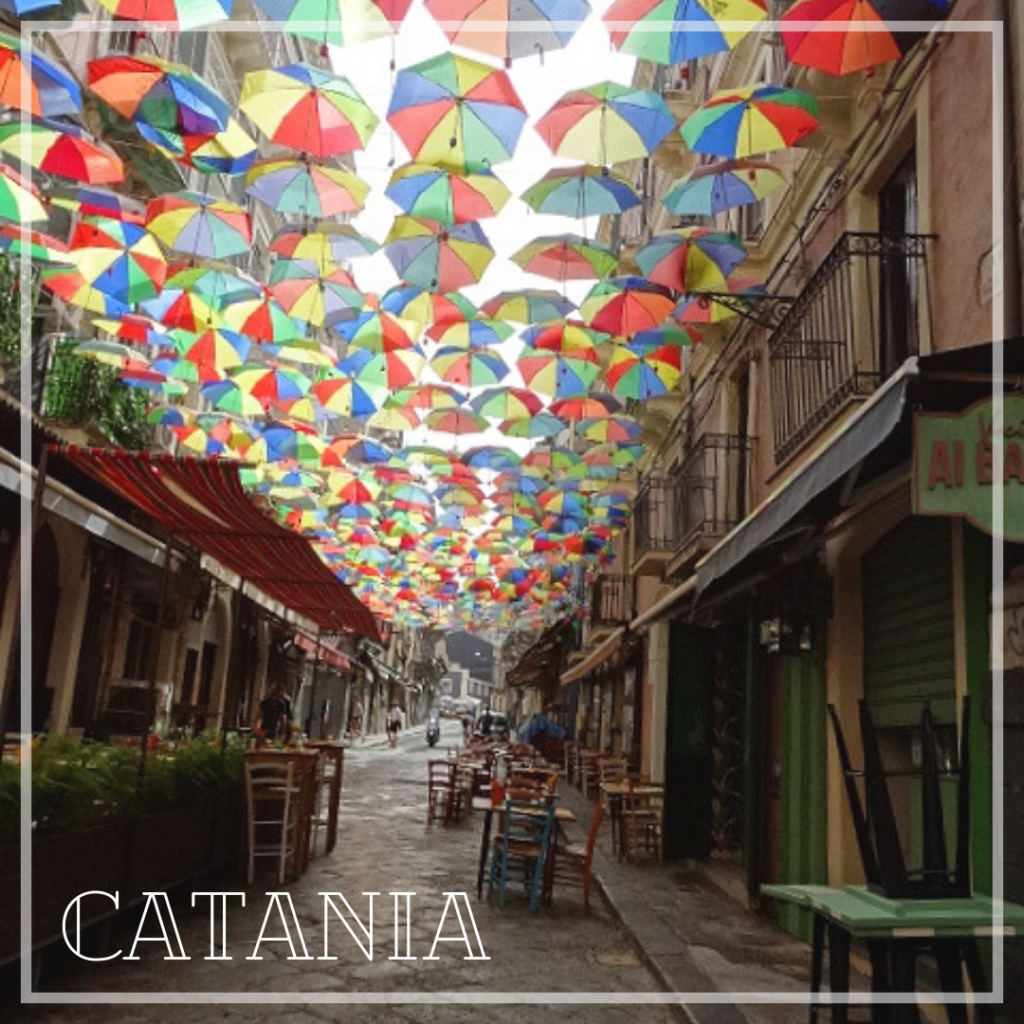
Catania is the second largest city of the island and sits at the base of the volcano, Mount Etna. I would skip staying the night here and do it as a half day trip from Taormina or Siracusa. If you don’t have a lot of time I would skip it completely.

The most interesting sites in Catania are:

Centro storico

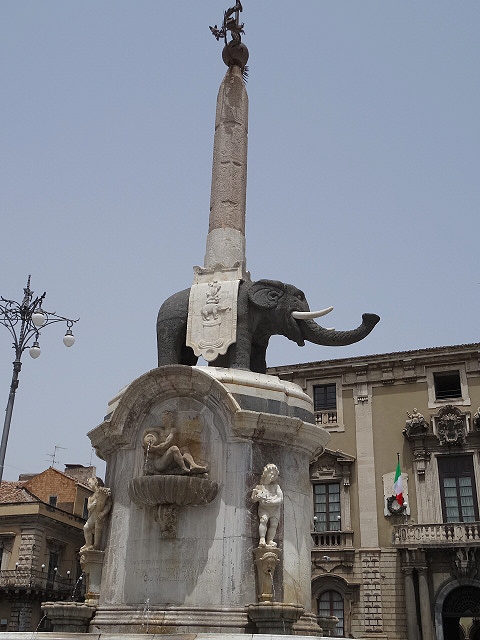
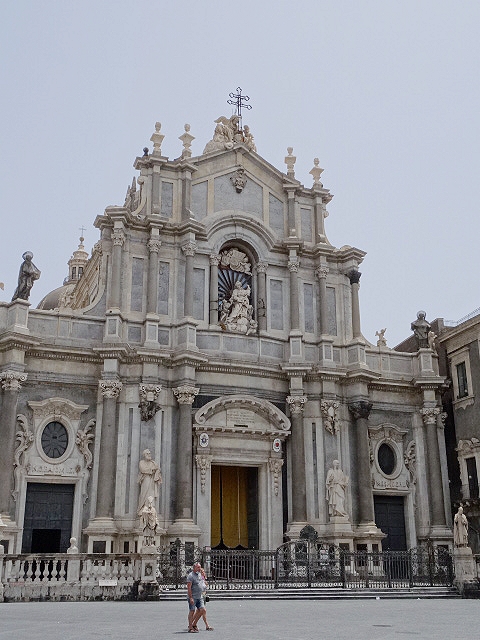
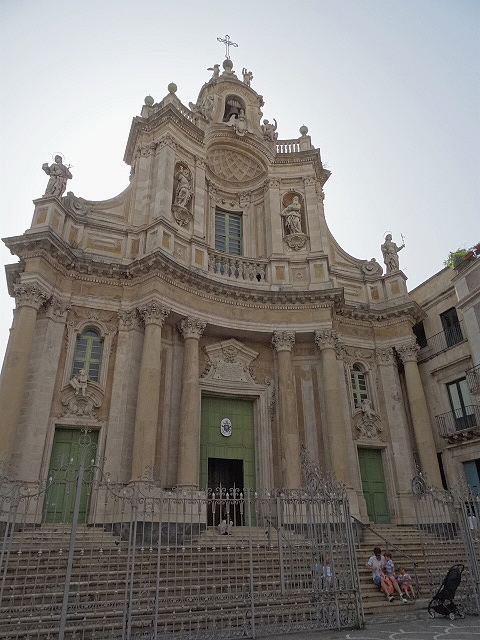
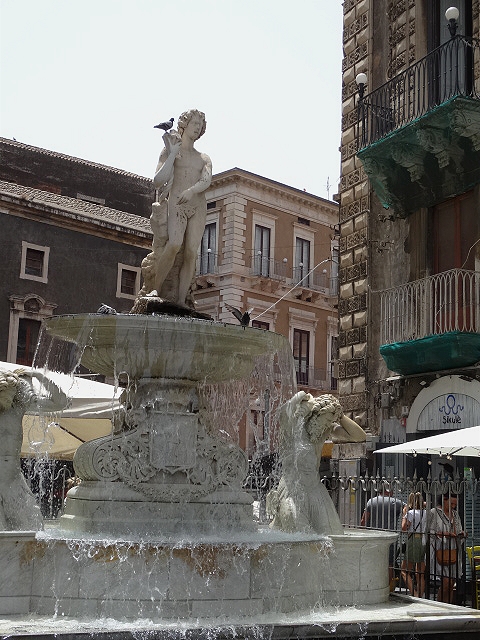
  1. Piazza del duomo: Fontana dell’elefante, basilica della Collegiata. Graeco-Roman Theatre and Odeon
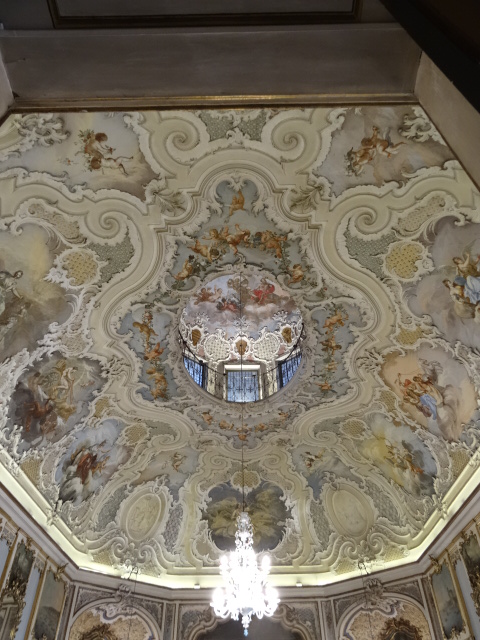
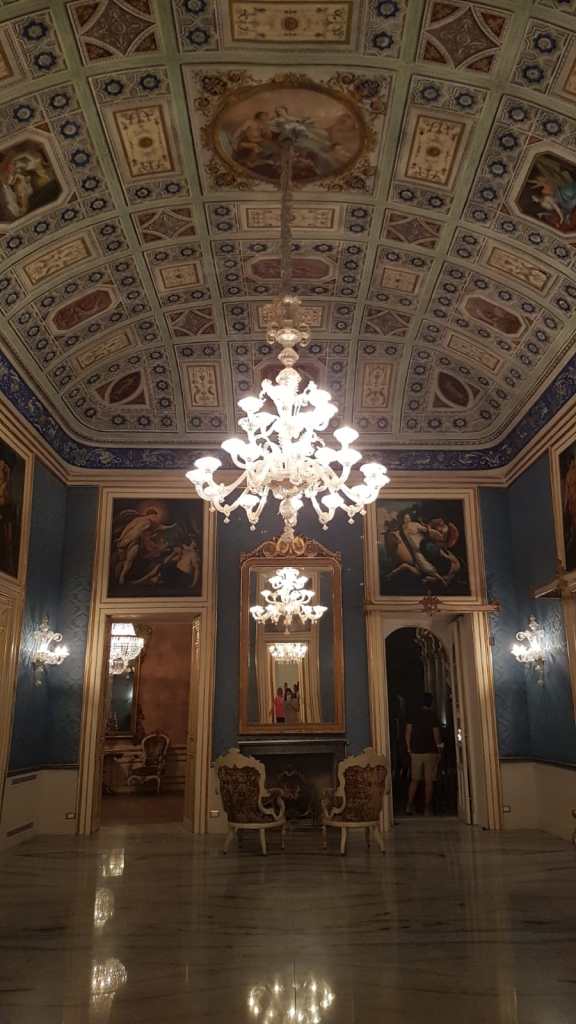
  2. I see a lot of people mentioning Palazzo Biscari on their must see lists, but for the price and what you get it really isn’t worth it. There’s the main ballroom which is nice and I am a huge fan of palace interiors in general, but this one was a little disappointing. I’ll keep it here on the list in case you’re curious to see it anyway.
  3. Storico monastero san Benedetto di via crociferi
  4. Benedictine Monastery of San Nicolò l’Arena
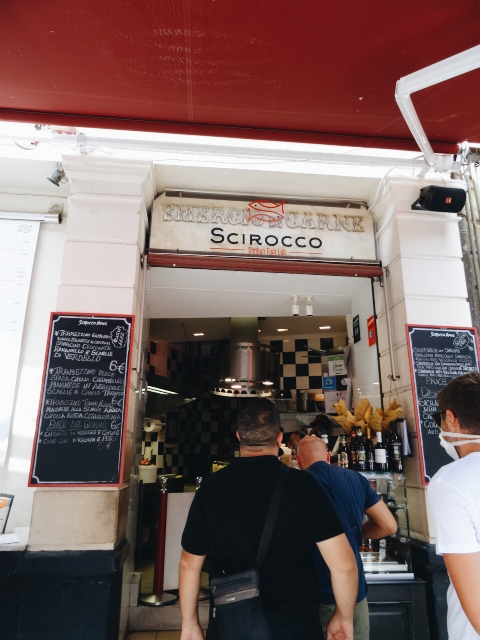
  5. Catania fish market – head over to Scirocco for some great food!
Fish market – Scirocco restaurant

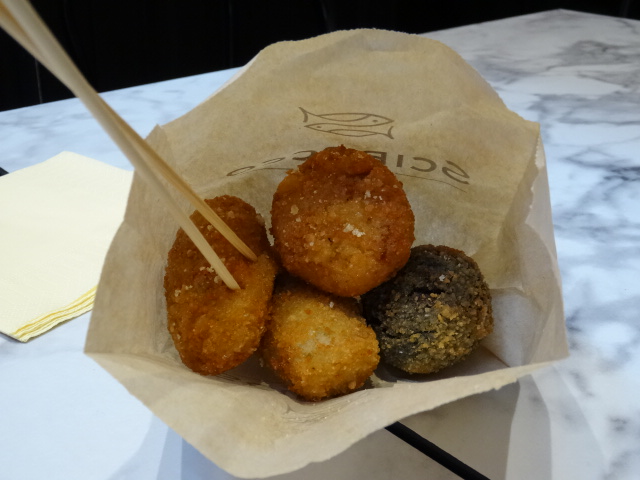
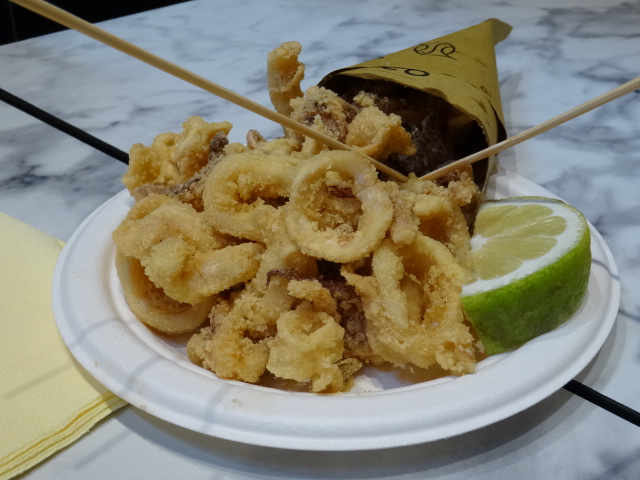
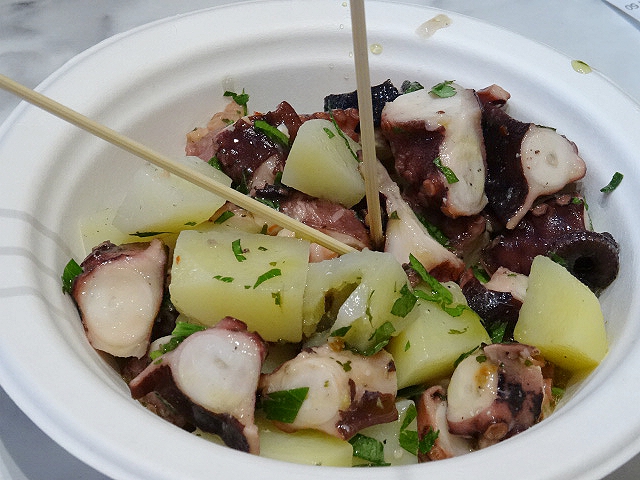
The owner of the hostel where we stayed recommended we eat at the fish market in a place called Scirocco and it was brilliant. There’s a little indoor area where you can hide away from the scorching summer sun and enjoy fresh fish from the market.

3. Siracusa

Once one of the most powerful cities in the ancient Greek world; Syracuse is now a UNESCO world heritage site. Their reasons for choosing Syracuse… because “monuments and archeological sites situated in Syracuse are the finest example of outstanding architectural creation spanning several cultural aspects; GreekRoman and Baroque“, Ancient Syracuse was “directly linked to events, ideas and literary works of outstanding universal significance” (UNESCO).

Whilst in Syracuse we stayed in beautiful Ortigia, the historic centre of the city. This city really comes alive at night with little market stalls lining the streets towards the bustling main piazza; it’s nice to finally see restaurants and bars full of people again.

Some highlights from Siracusa are:

  1. Ortigia street market
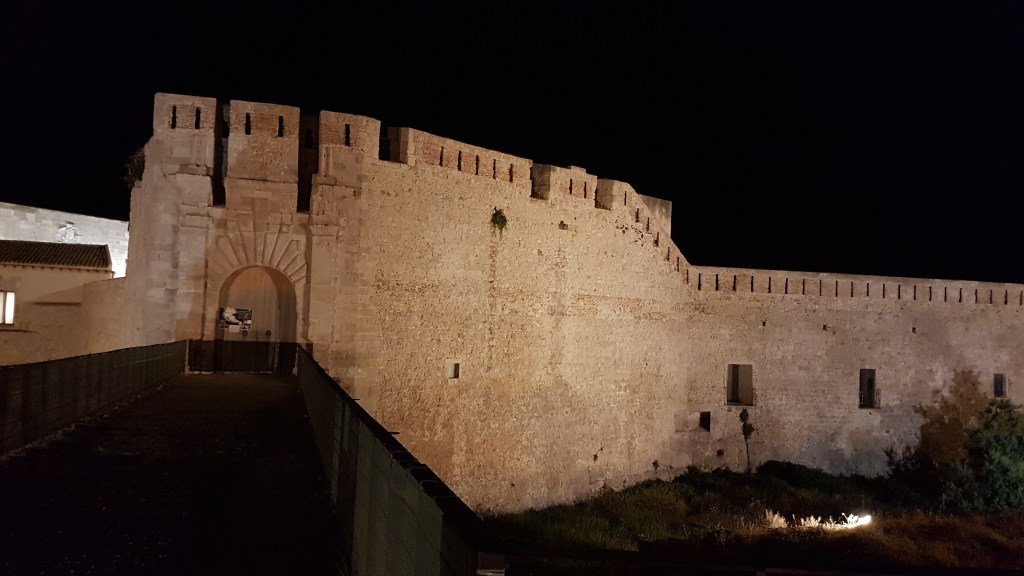
  2. Castello Maniace
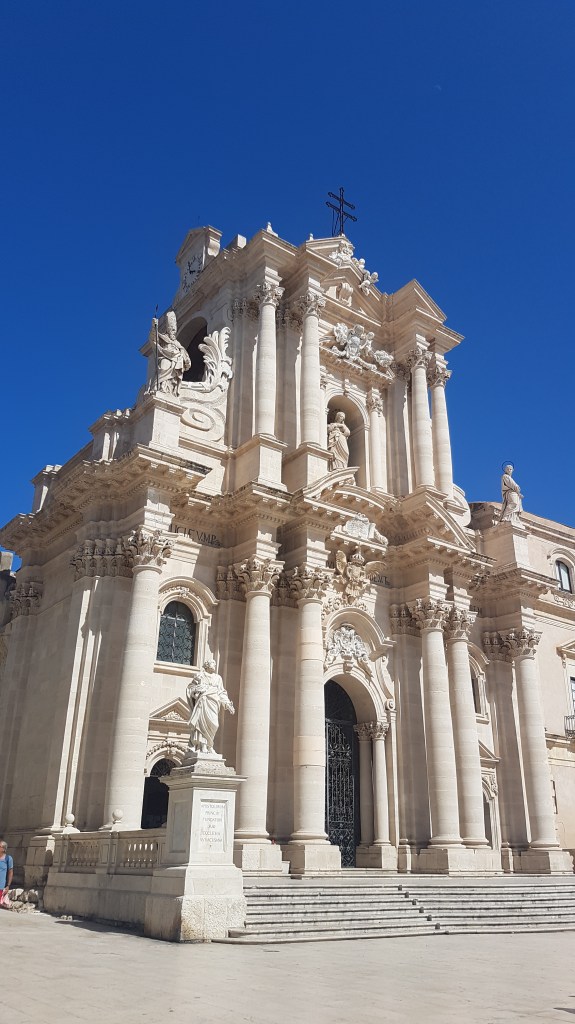
  3. Cathedral of Syracuse
  4. Piazza Duomo
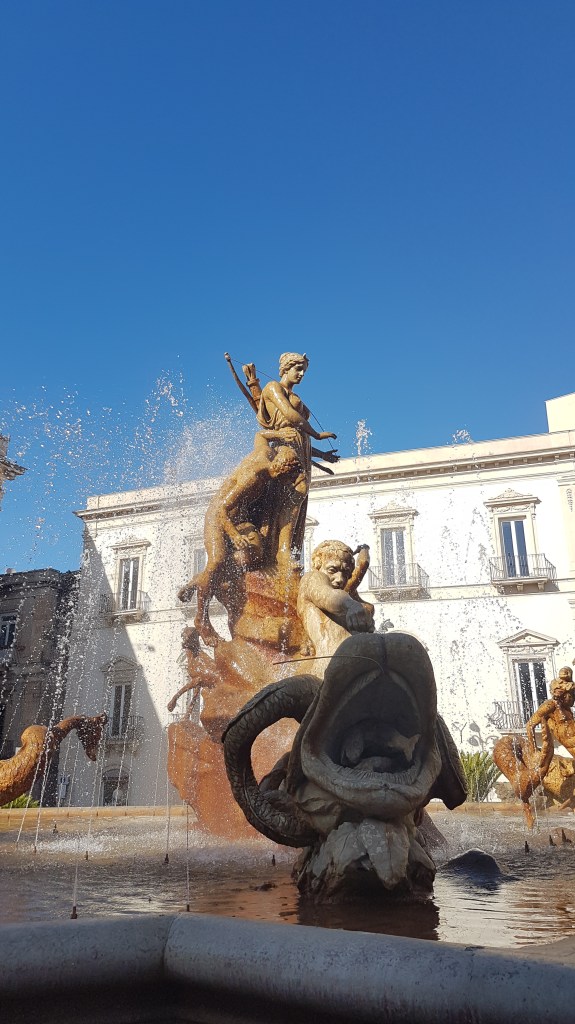
  5. Fountain of Diana
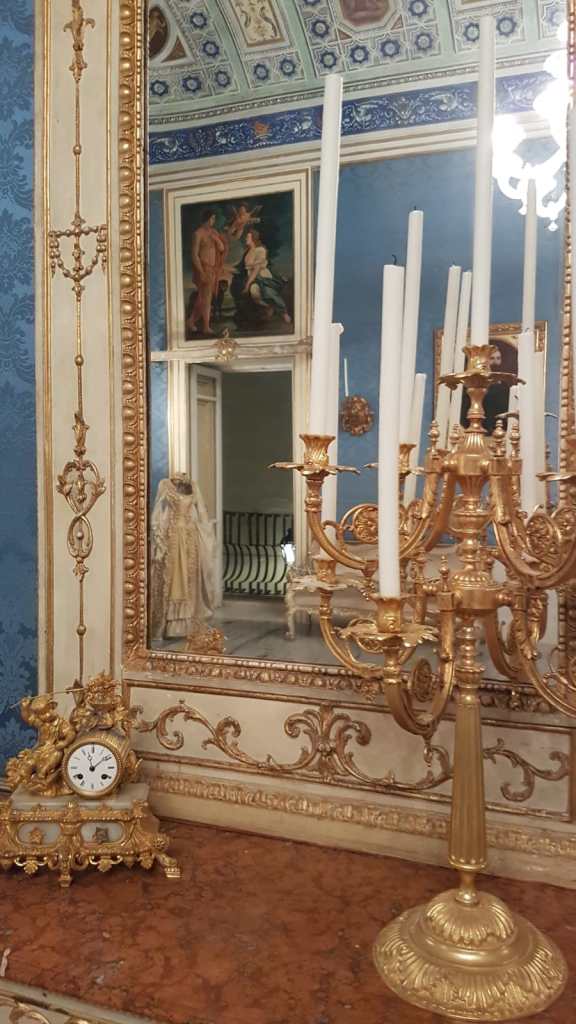
  6. Palazzo Borgia del Casale – brilliant view of the Piazza Duomo.
  7. Arethusa Spring
  8. Neapolis Archaeological park
  9. Ear of Dionysius (we skipped this one)
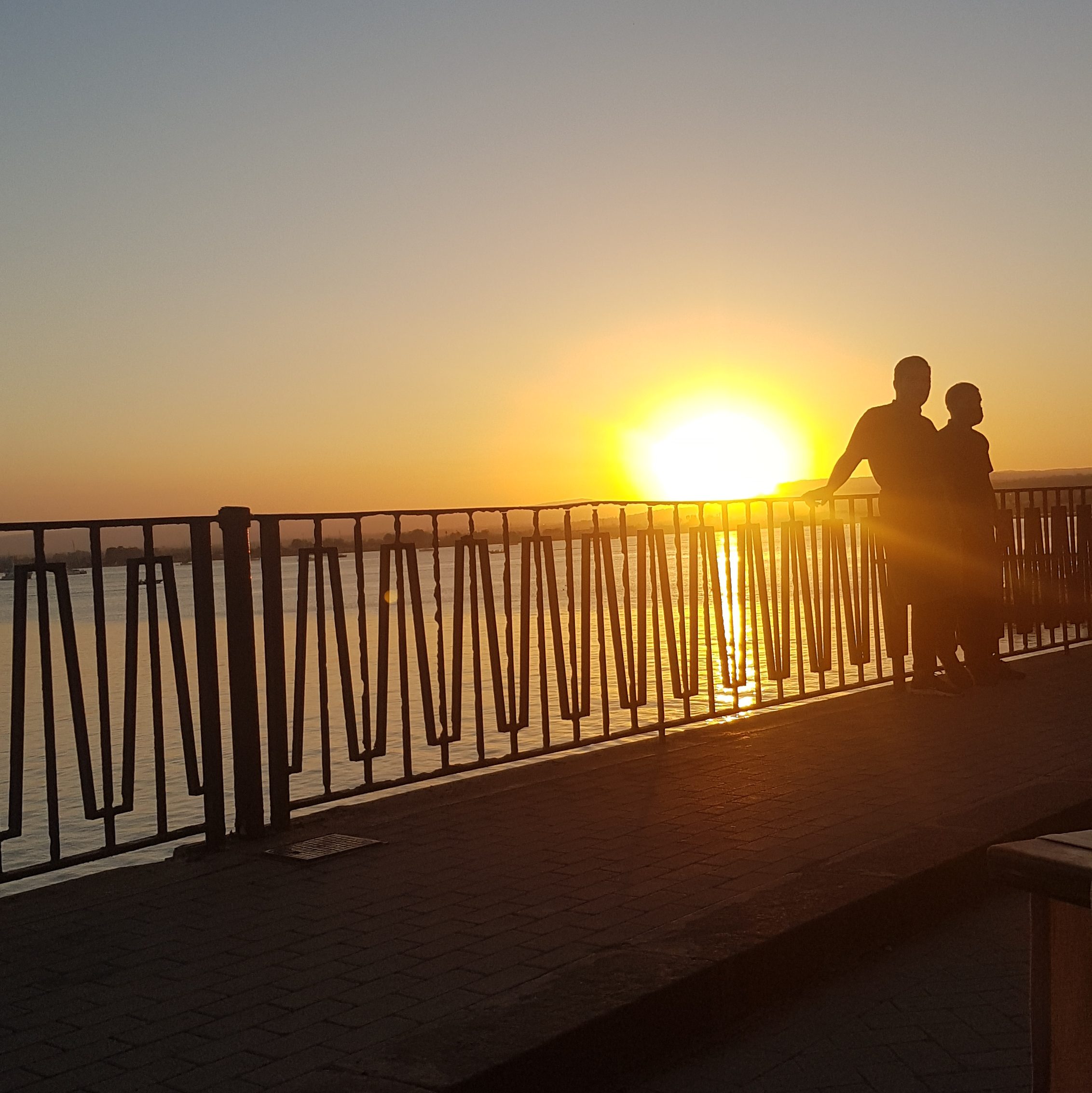
  10. Watch the sunset from one of the restaurants/bars along the lungomare.
Duomo
Fountain of Diana
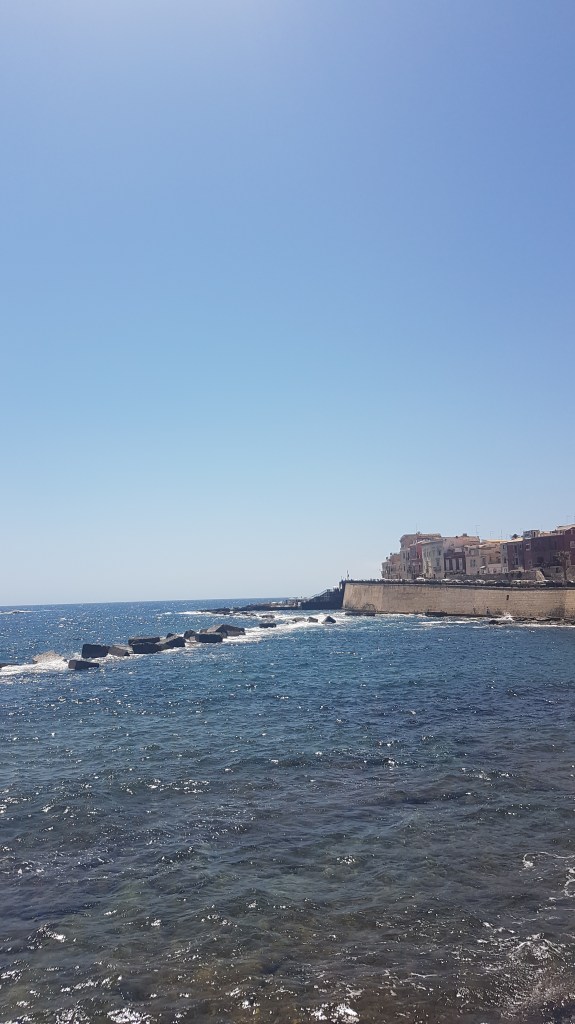
seafront
streets that lead to the sea
Palazzo Borgia del Casale
Ortigia at sunset
Castello Maniace
Beautiful details
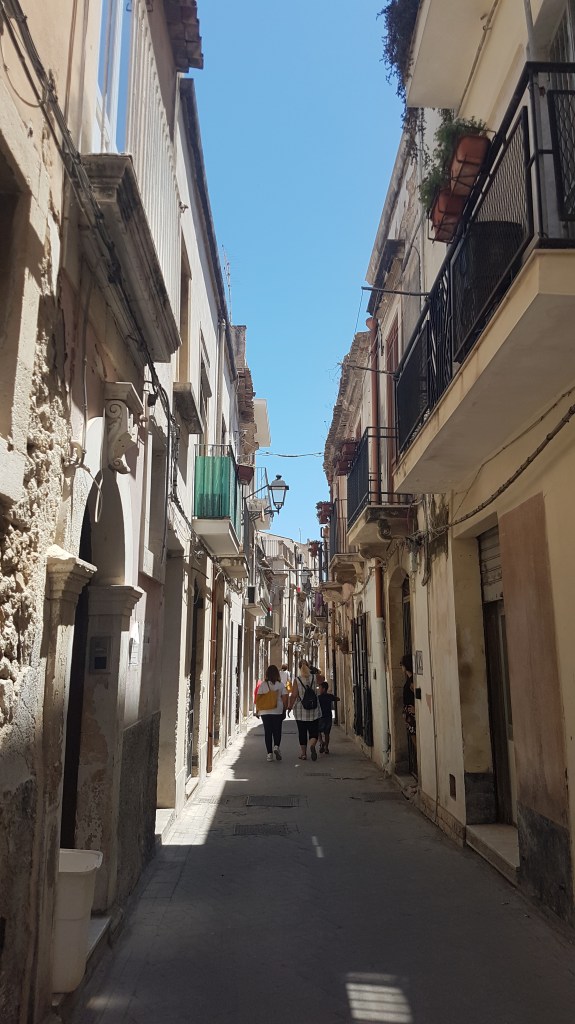
Streets of Ortigia
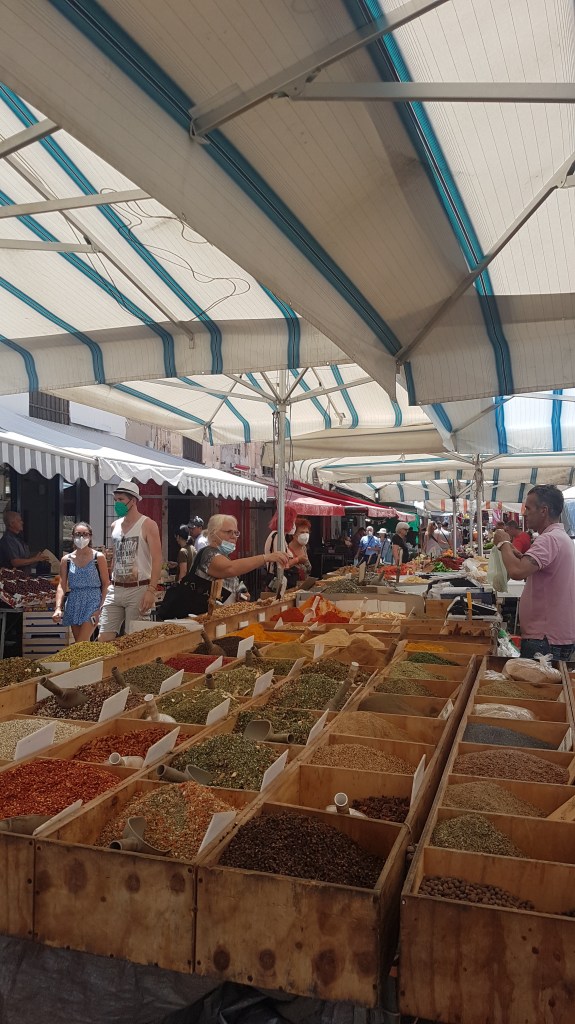
Ortigia street market
Chiesa Santa Lucia alla Badia
Palazzo Borgia del Casale
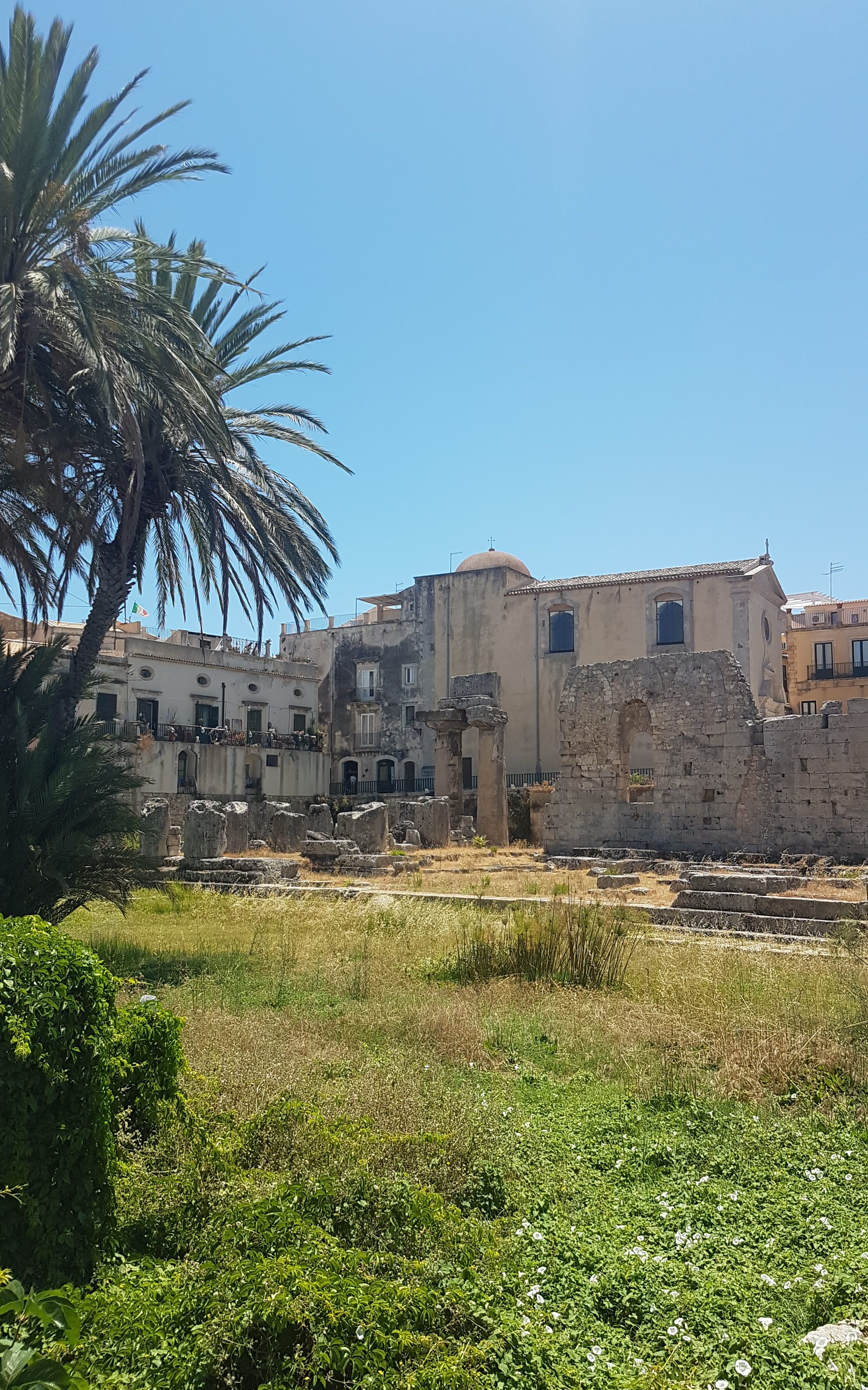
Temple of Apollo

Foodwise, we found a place near the market which has some great arancini that are also gluten free; it’s called Arancina Gluten free. Great for a quick bite.

For dinner we chose one of the restaurants near the seafront that had outdoor seating called Mokrito – Fast Casual Food. Very affordable and the food was great.

Octopus salad
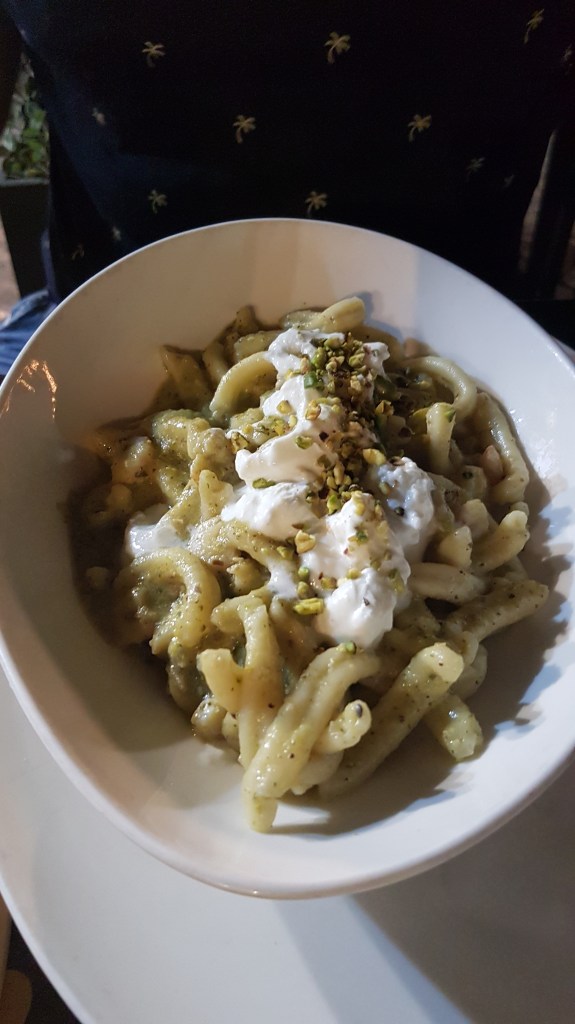
Pasta with a pistacchio pesto and ricotta

Parking tip: Parking in Ortigia can be a bit of a nightmare, your best bet is to use one of the three car parks available in the city, we preferred the Talete parking lot as it was close to where we were staying and seemed to be less busy. If you’re parking on the road, watch out for the ‘residents only’ areas, some signs aren’t as clear as you would hope they would be. The other two places where you can park are, ‘Molo Sant’ Antonio’ close to the centre and ‘Della Marina’ which is the most expensive for parking at a rate of 2€ per hour and it closes at 01:00am.

Beach recommendation: Fontane Bianche, it’s a beautiful sandy beach that you can reach by car or bus.

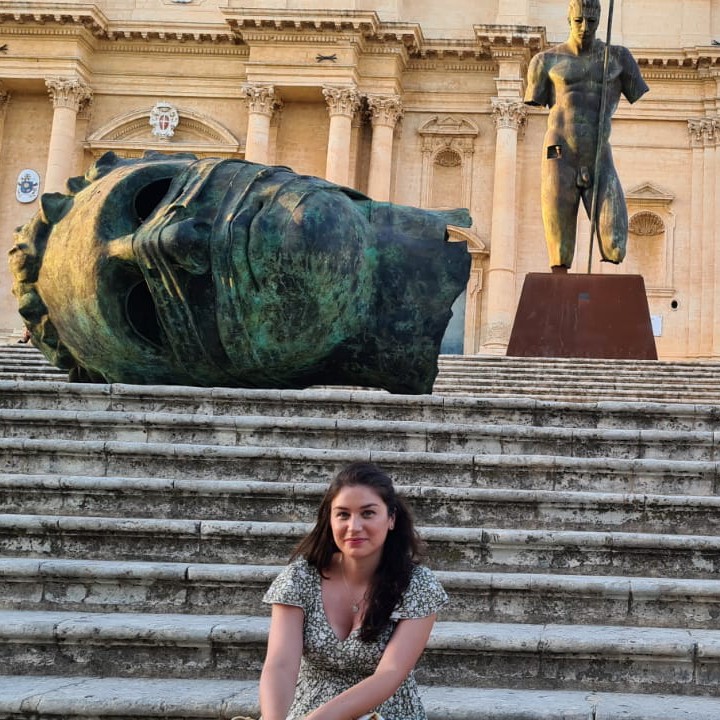
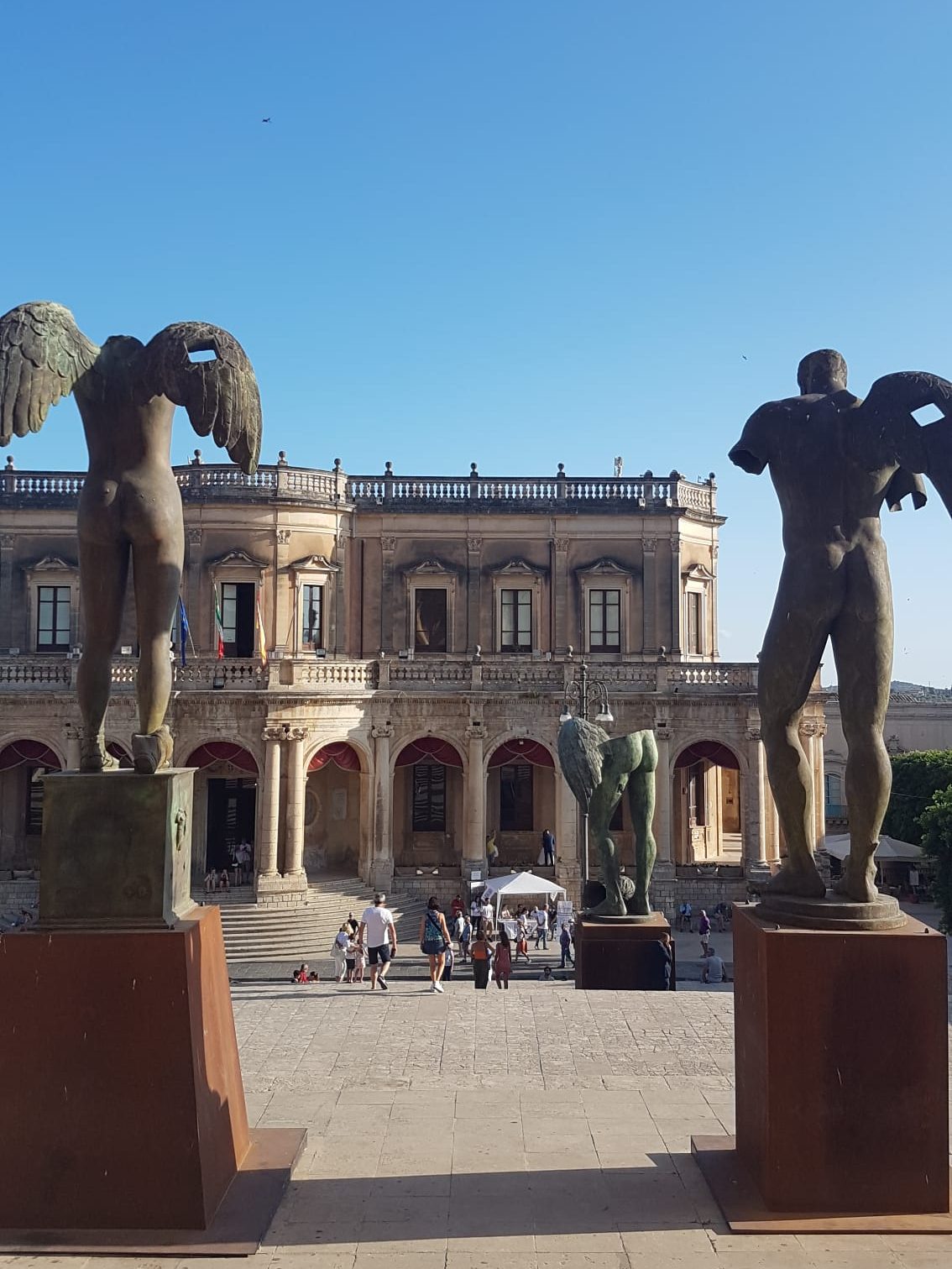
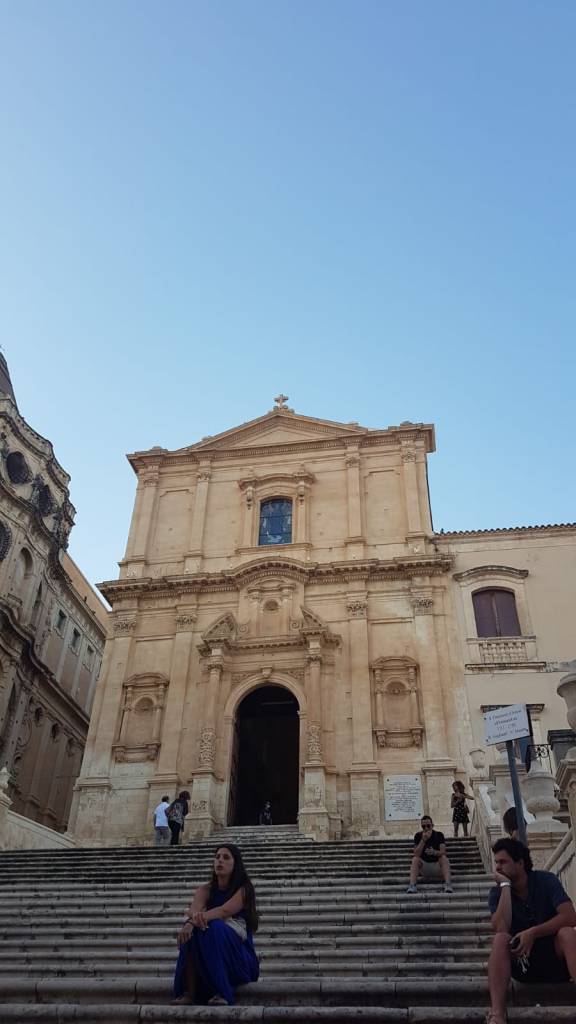
A nice half day trip that you can do whilst staying in Ortigia or Siracusa is Noto. A beautiful little town not too far from Siracusa with some amazing architecture and beautiful sculptures.

4. Agrigento

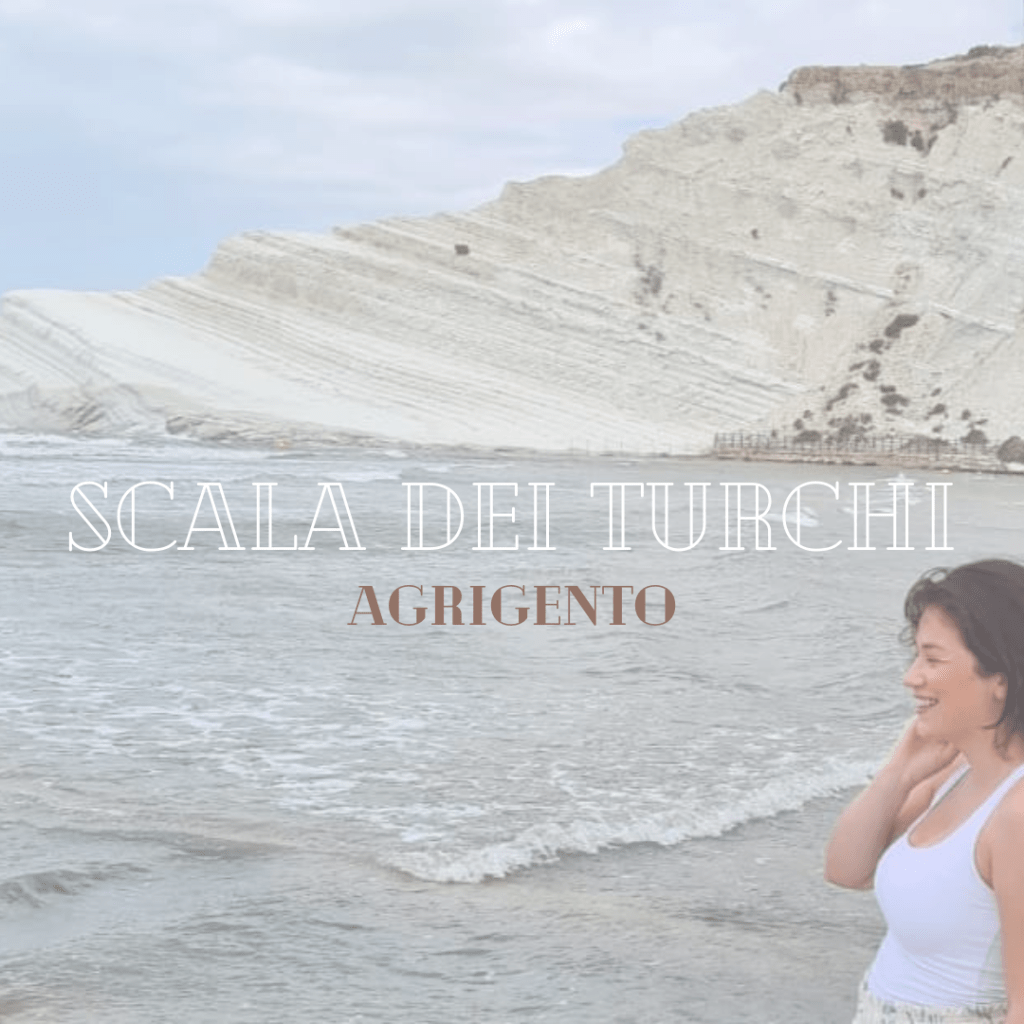
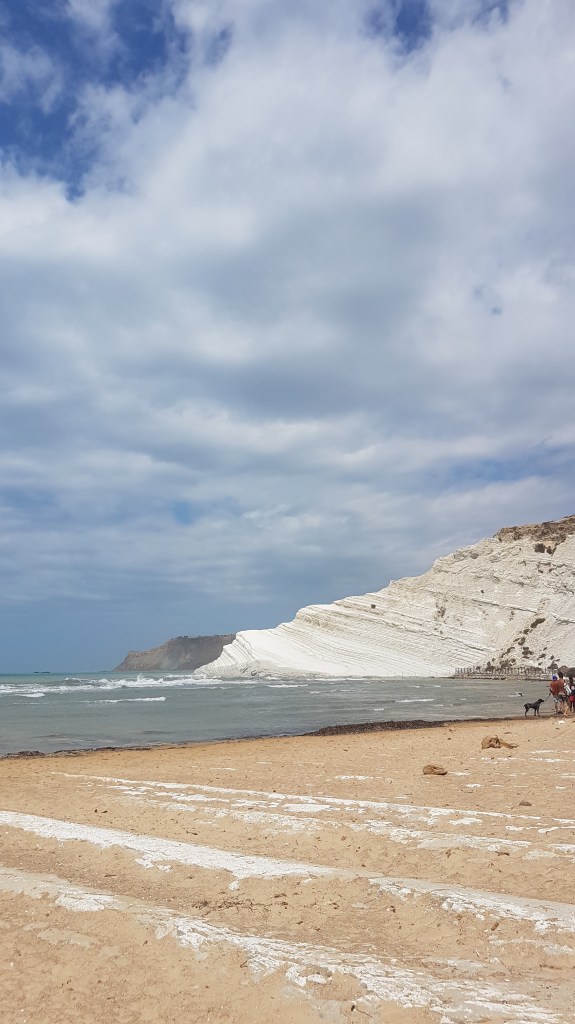
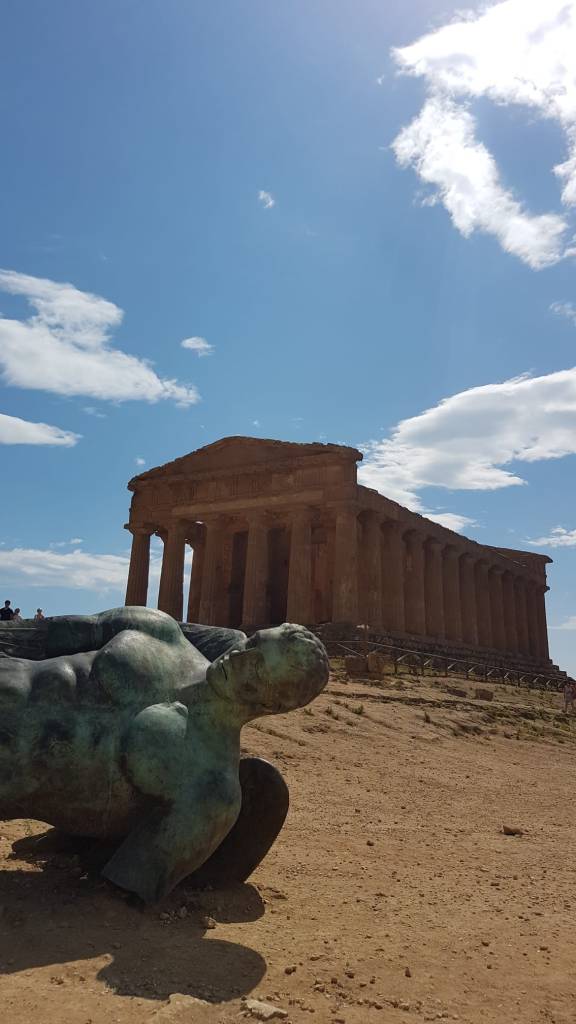
The two most important things to see whilst in Agrigento are the Scala dei Turchi, where you can also enjoy a day at the beach; and the impressive Valle dei Templi.

It’s best to visit the Scala dei Turchi early in the morning, then spend the rest of the morning at the beach and then late afternoon head over to the Valle dei Templi, an incredible archeological site just outside the city of Agrigento. It can get extremely hot in the summer in Sicily so make sure you time your activities well.

If your travelling via public transport just know that the timetable you see is more of a guideline so you may find yourself waiting a little longer than expected. Bring water with you and a hat, you can top up your bottle at the many fountains available inside the archeological site. Something that I also brought along with me was a little spray bottle which I filled with water and used to mist my face and neck to help keep cool.

Scala dei Turchi
Valle dei Templi

5. Marsala

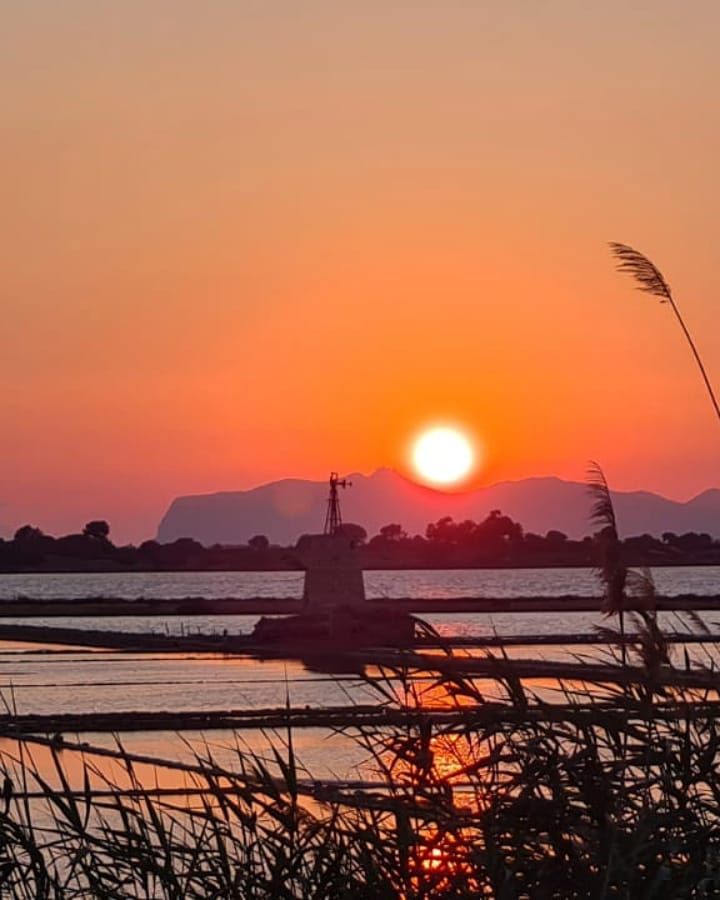
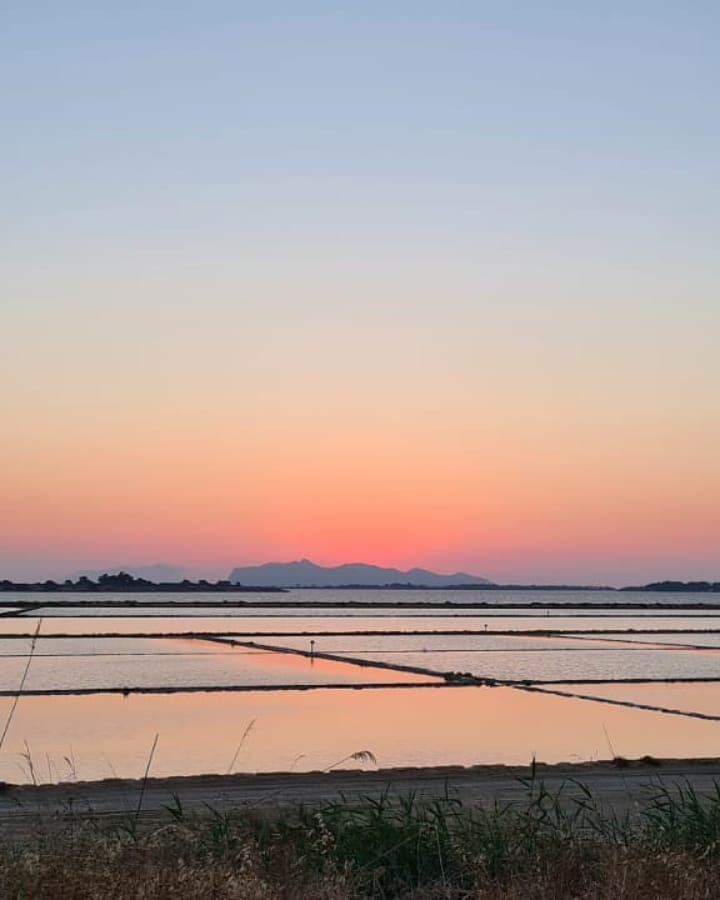
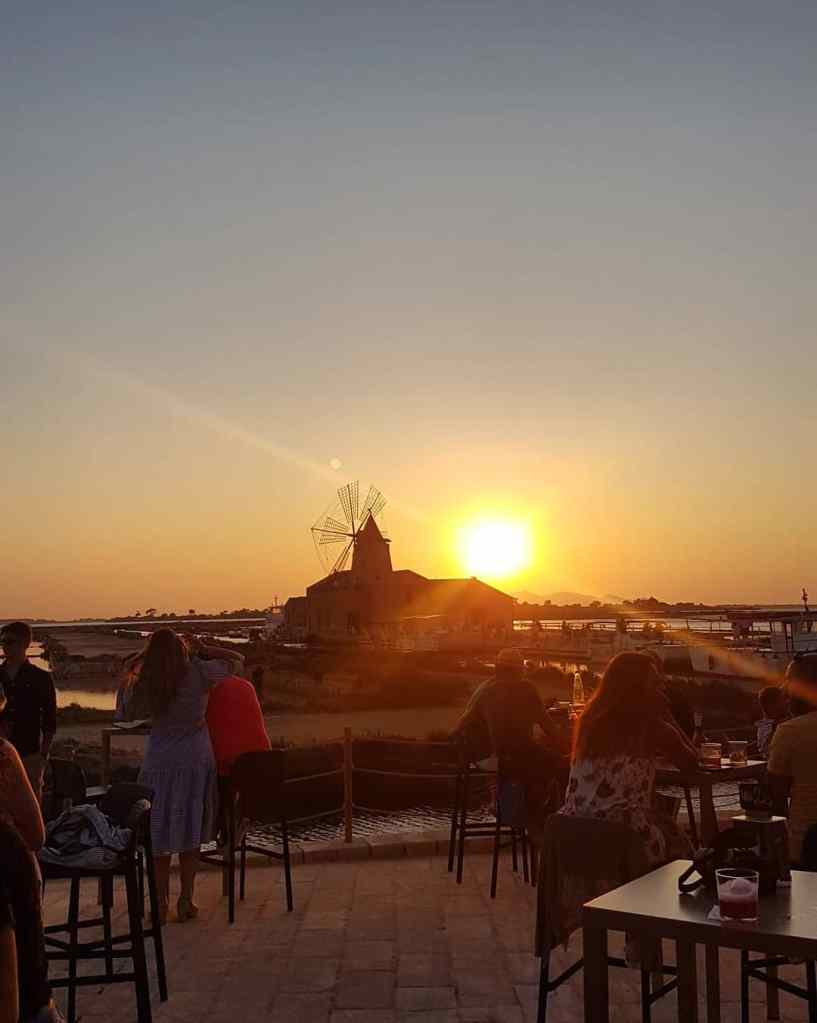
Marsala is a small town in the province of Trapani famous for their sweet dessert wine and salt pans. The old town centre is beautiful and quite lively for its size. The thing that left me completely speechless though, were the Marsala salt pans at sunset. We had arrived a little early, so took one of the boat tours to Motya (Mozia) which is a little island in the Stagnone lagoon. The island of Mozia is owned and operated by the Whitaker Foundation (Palermo), famous for Marsala wines. On the island you’ll find a small museum and several archeological sites. In the museum you will see that Mozia artifacts display EgyptianCorinthian,  Attic,  Roman,  Punic and Hellenic influences. A nice and interesting little museum.

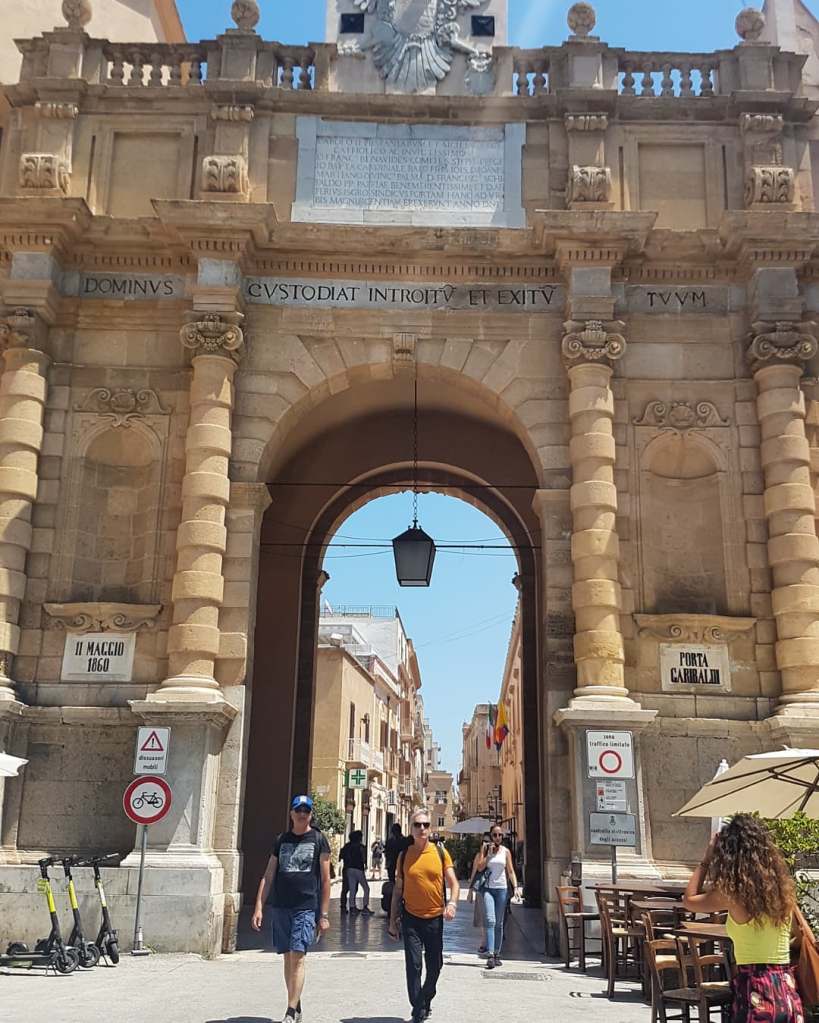
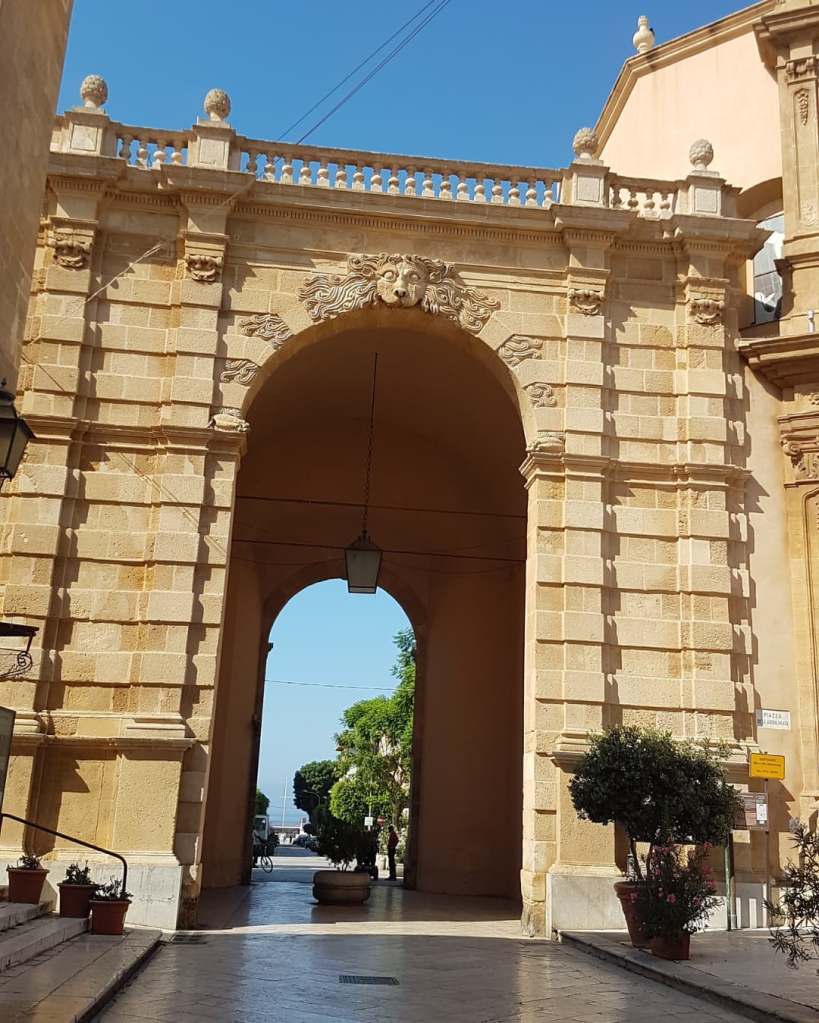
A few pics from Marsala town centre…

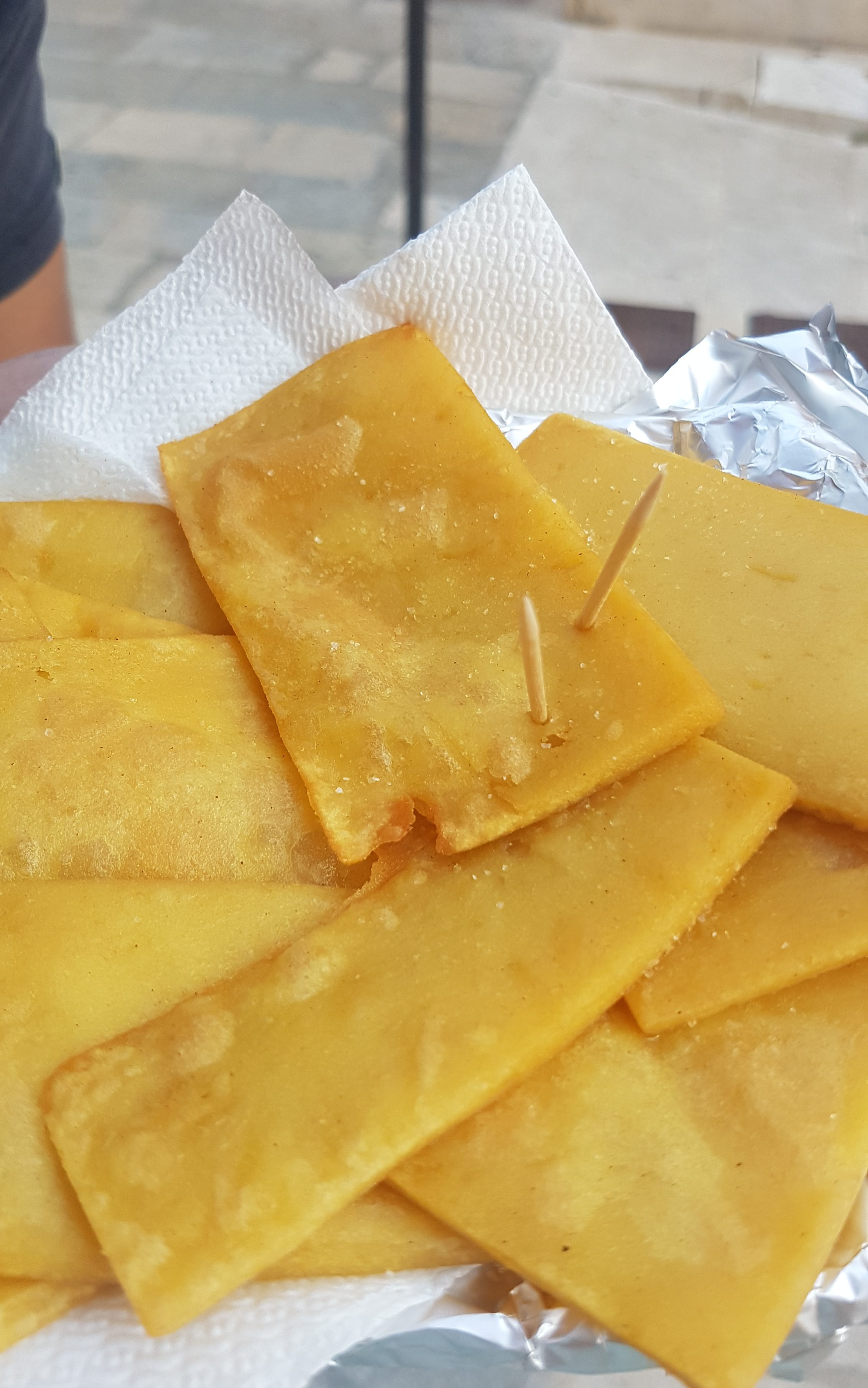
Panelle – deep fried chickpea polenta

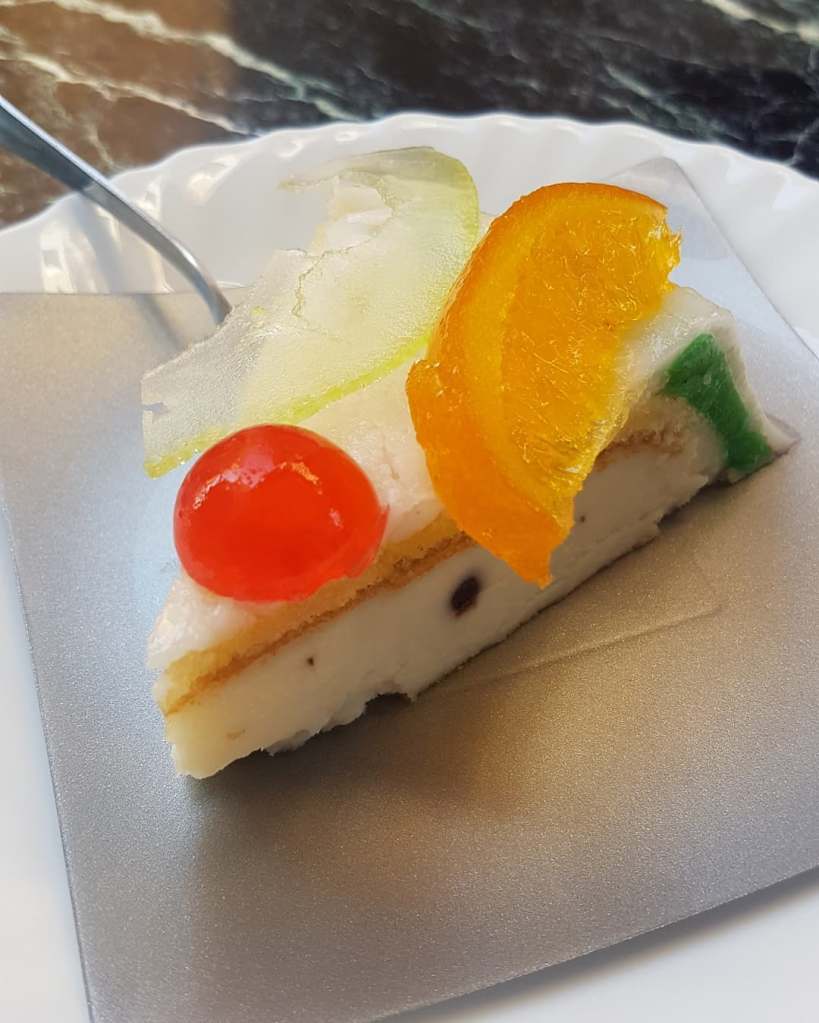
Cassata
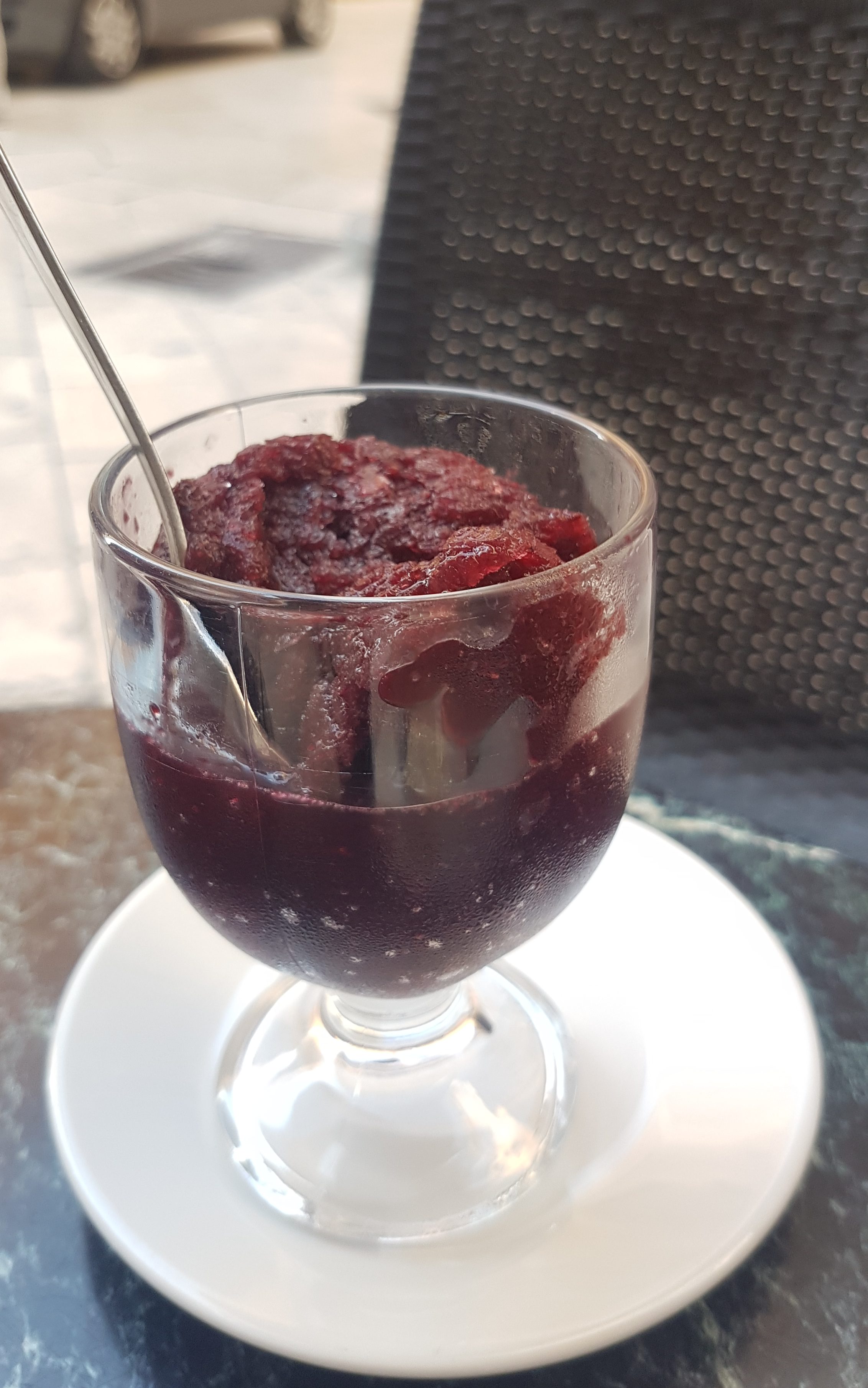
Mulberry granita

6. Trapani

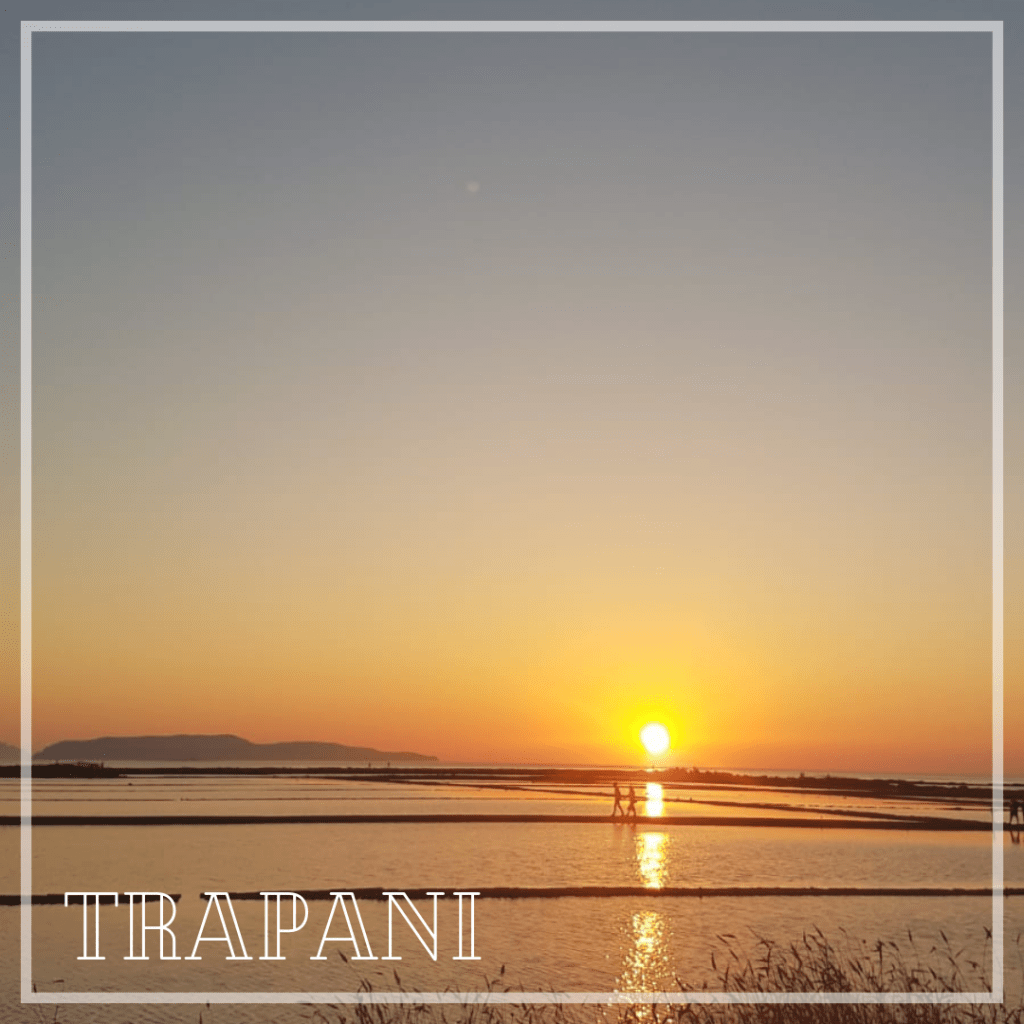
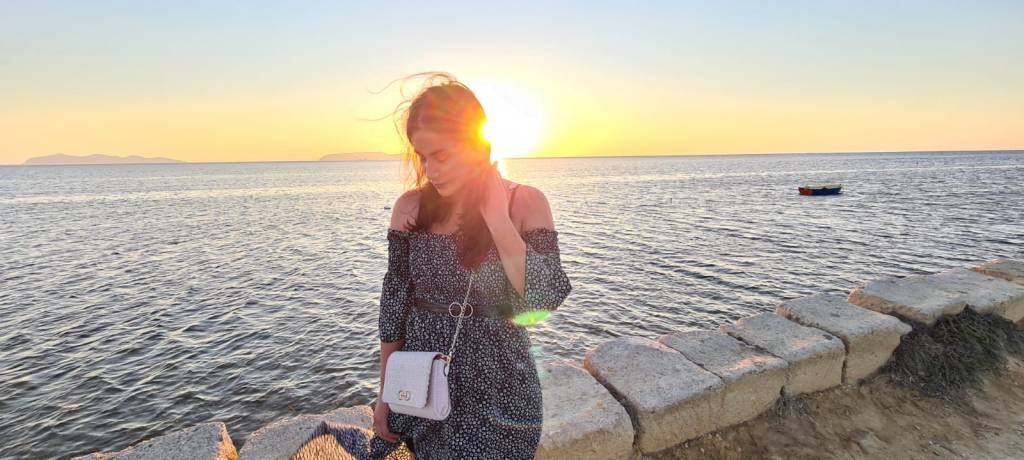
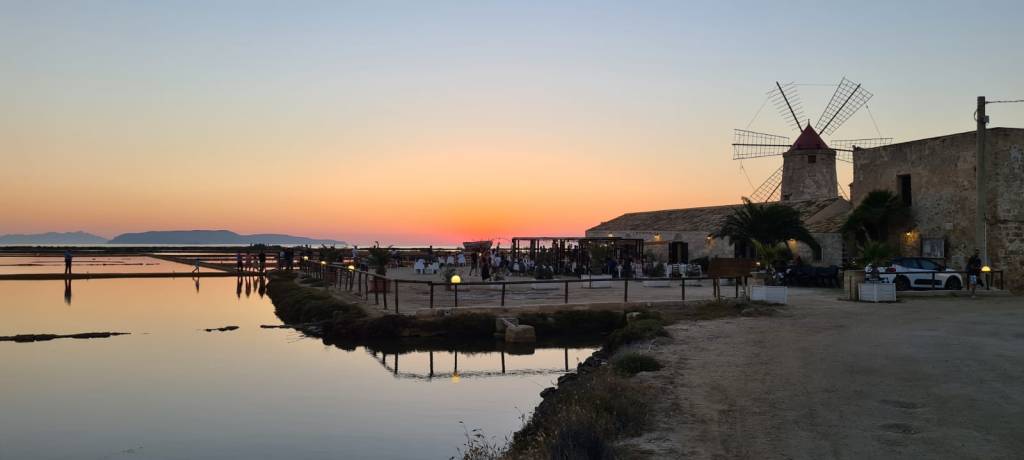
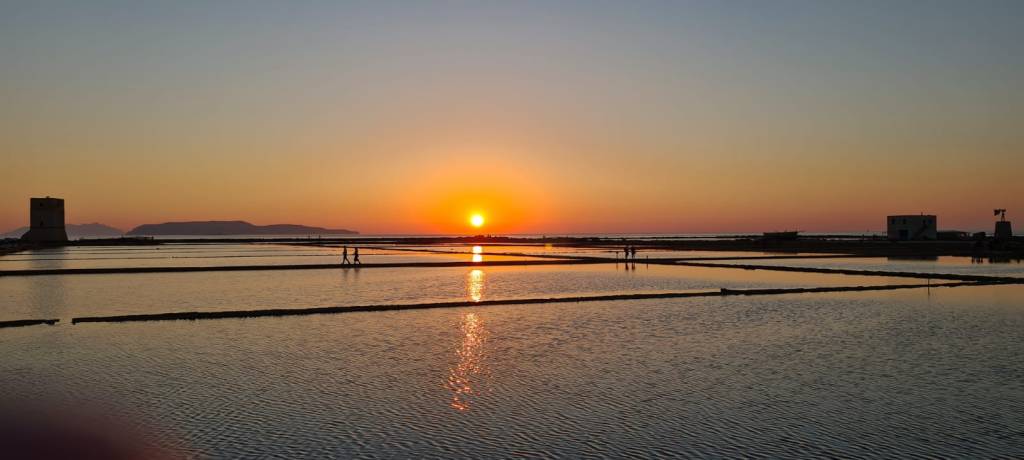
I will always remember Trapani for its beautiful sunsets and pink salt pans. Such a stunning view.

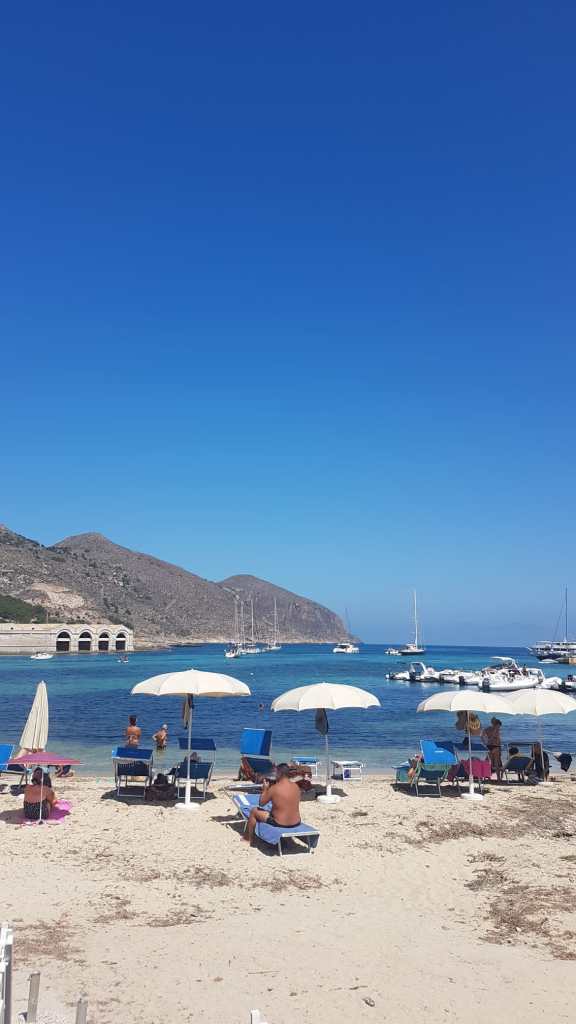
Trapani is also a great place to stay if you want to visit the islands of Favignana and Levanzo. There are boat tours which you can book either online or go directly to the port and book it from there.

To visit the salt pans of Trapani, type “Museo del sale, Trapani” into your navigator and you will find this amazing site. We visited just before sunset and then stayed on for dinner at the restaurant adjacent to the musuem and it was lovely. If you walk round the back of the restaurant there’s a little stand where you pay 1 euro to walk to the end of the pier. The views here are magical and there is so much more space to wander around and take photos; or just to enjoy a quiet moment whilst watching the sun set.

Whilst staying in Trapani, we booked a mini cruise to Favignana and Levanzo using GetyourGuide.com which cost 42.50 euros per person and included lunch on the boat. It was a great trip and there were several stops where you could jump off the boat and enjoy a nice refreshing swim in the sea; very much needed during August in Italy, specially in Sicily where temperatures were around 36-37 ° C and even higher some days.

Favignana
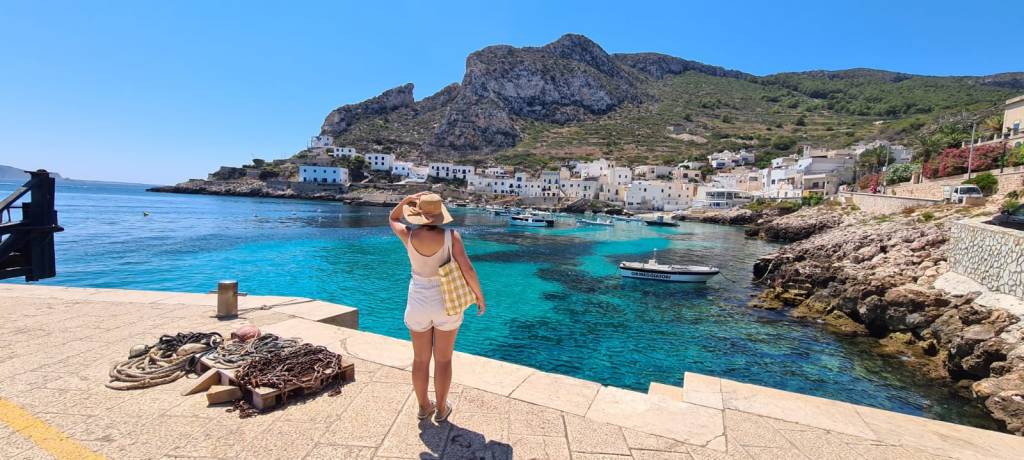
Levanzo
Levanzo port
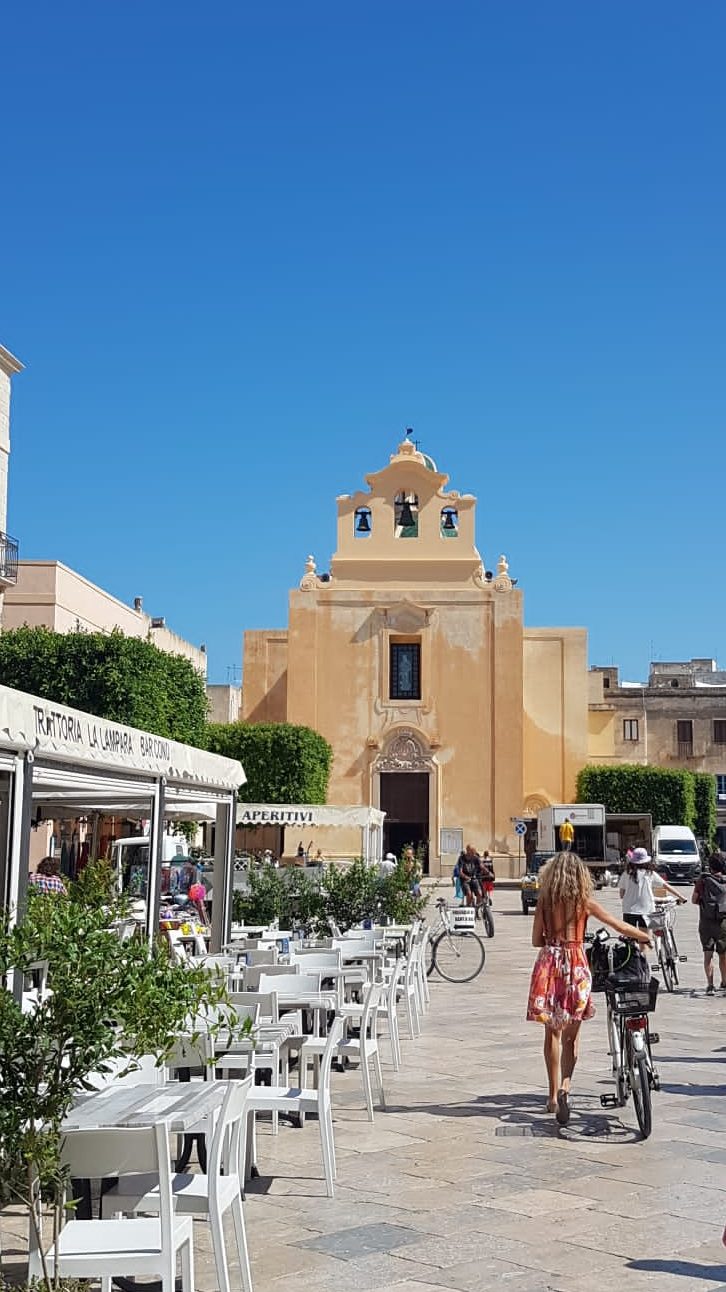
Favignana town centre
Levanzo

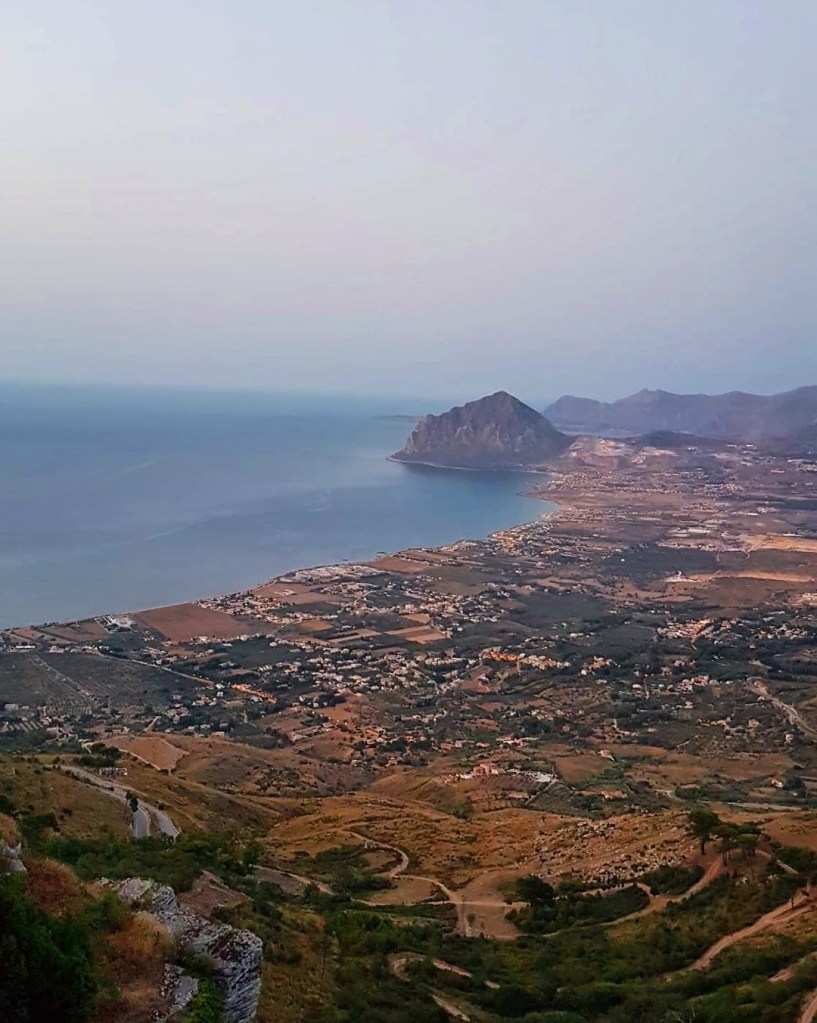
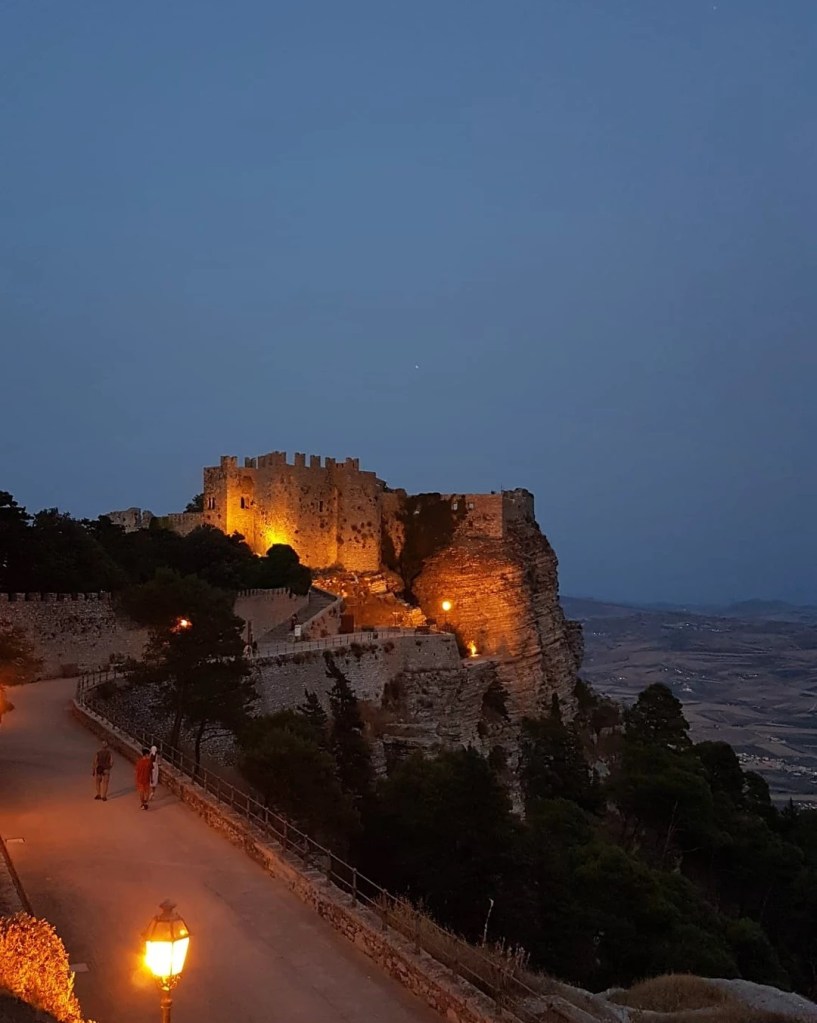
Another place we visited whilst staying in Trapani was Erice; a beautiful medieval town up on a hill.

You can get to Erice by taking the cable car from Trapani. If you’re visiting during low season you can also drive up to Erice and there’s parking available just outside the entrance. Otherwise, it’s best to park around Trapani and take the cable car. Parking is also available just outside the entrance to the cable car.

7. Baia Guidaloca

This is a stop you can skip, you can base yourself in Trapani and do most of your excursions from there or from Palermo which was our next stop.

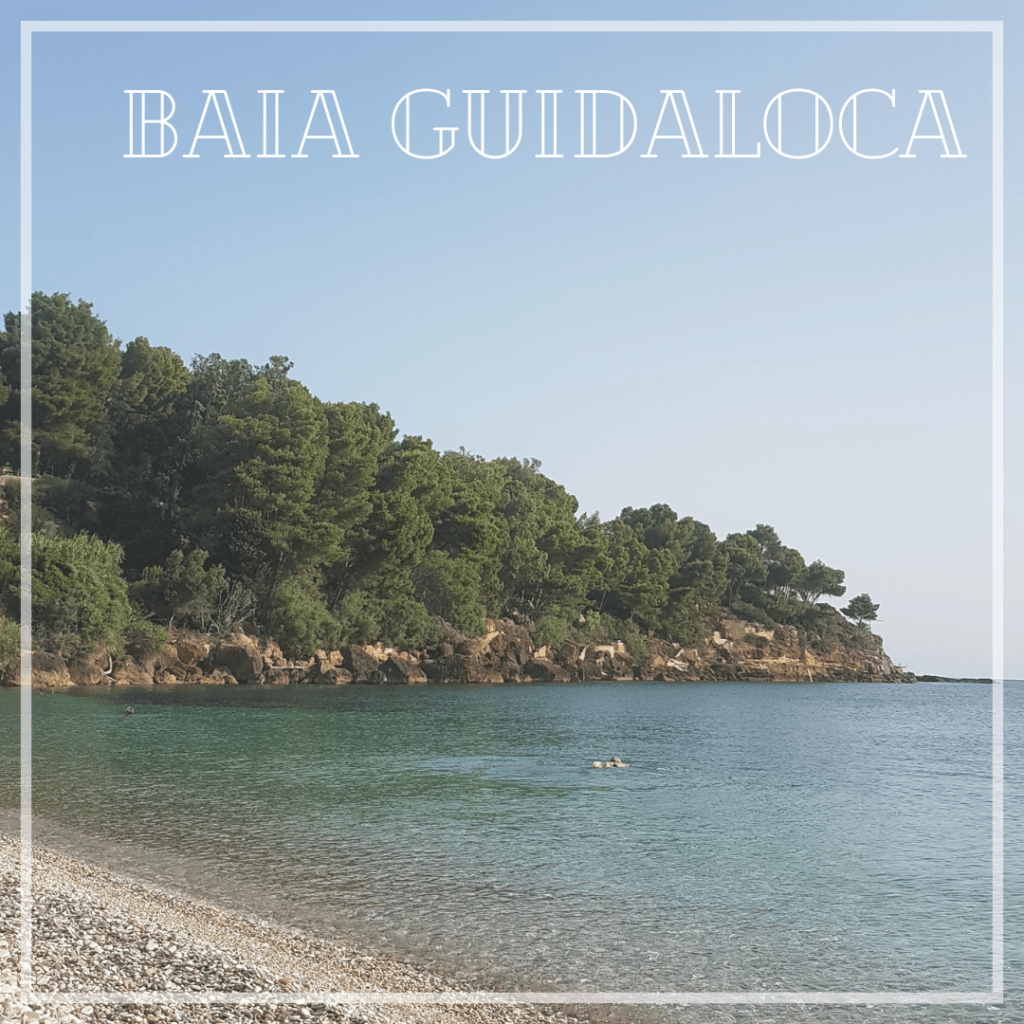
We chose to stay at Baia Guidaloca as it was a nice little break to relax for a couple of days and it was close to San Vito lo Capo and Riserva dello Zingaro. Unfortunately, due to winds coming from the south east, something called Scirocco, it was too dangerous to enter the Riserva dello Zingaro so we booked a boat tour so we could see it from the sea. Not our best decision but we were tired and the idea of doing a boat tour and visiting all the little inlets and caves as well as seeing the reserve from the boat seemed like a good idea at the time.

As you may have guessed, the boat tour was a disappointment. We zoomed past all the caves, they pointed at the reserve as we flew past it as well as a few other things and then we were left at San Vito lo Capo for 3 hours at midday; the heat was unbearable. The combination of anger and frustration from the passengers, the heat and being left to wait was not a good mix.

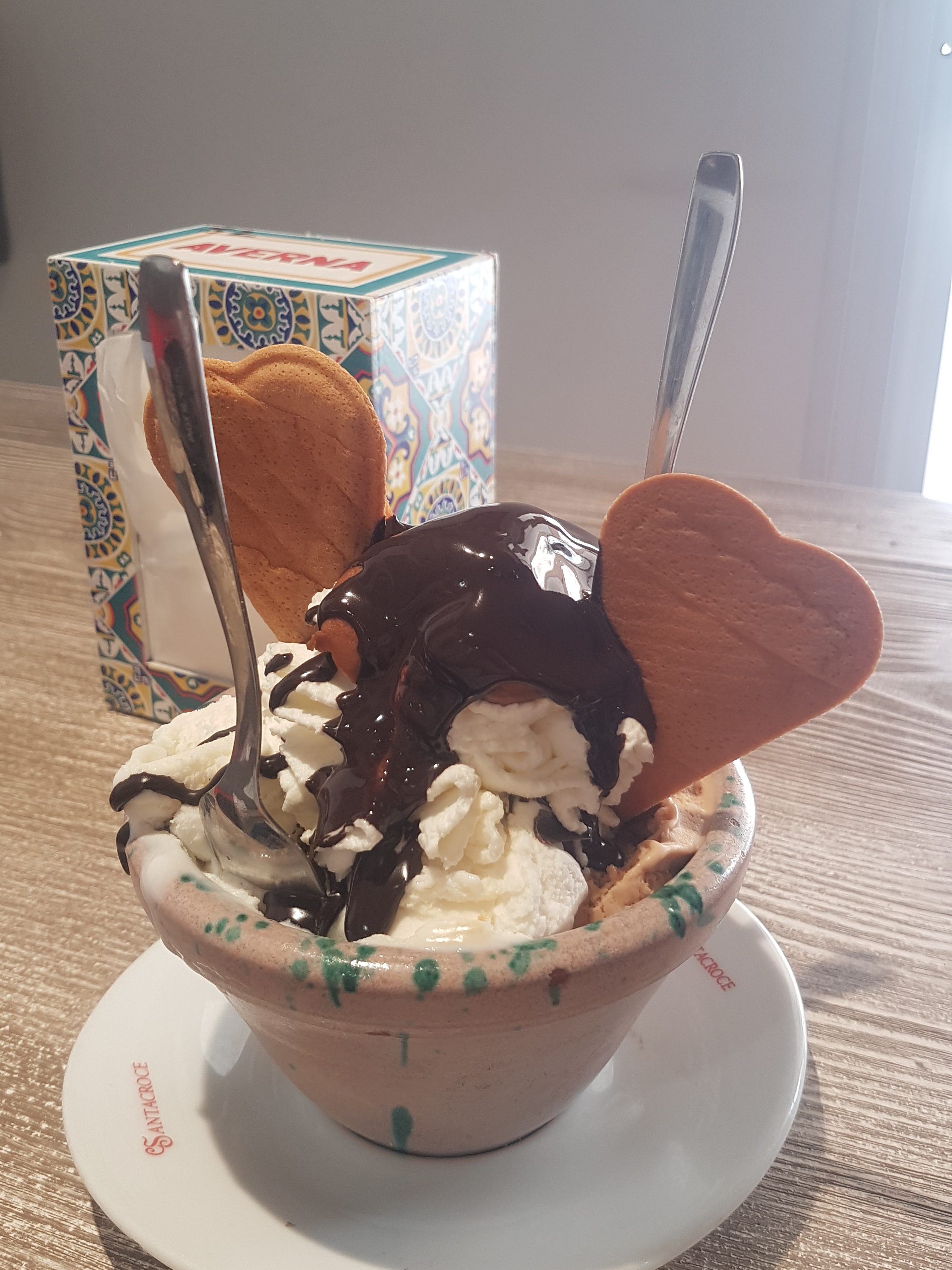
One good thing is, we were able to try the famous ‘Caldo Freddo’ of San Vito which everyone kept talking about. It was delicious! It’s a combination of ice cream (your flavour of choice), brioche soaked in rum, whipped cream topped with a hot dark chocolate sauce served in a little terracotta pot.

Caldo Freddo di San Vito

8. Palermo

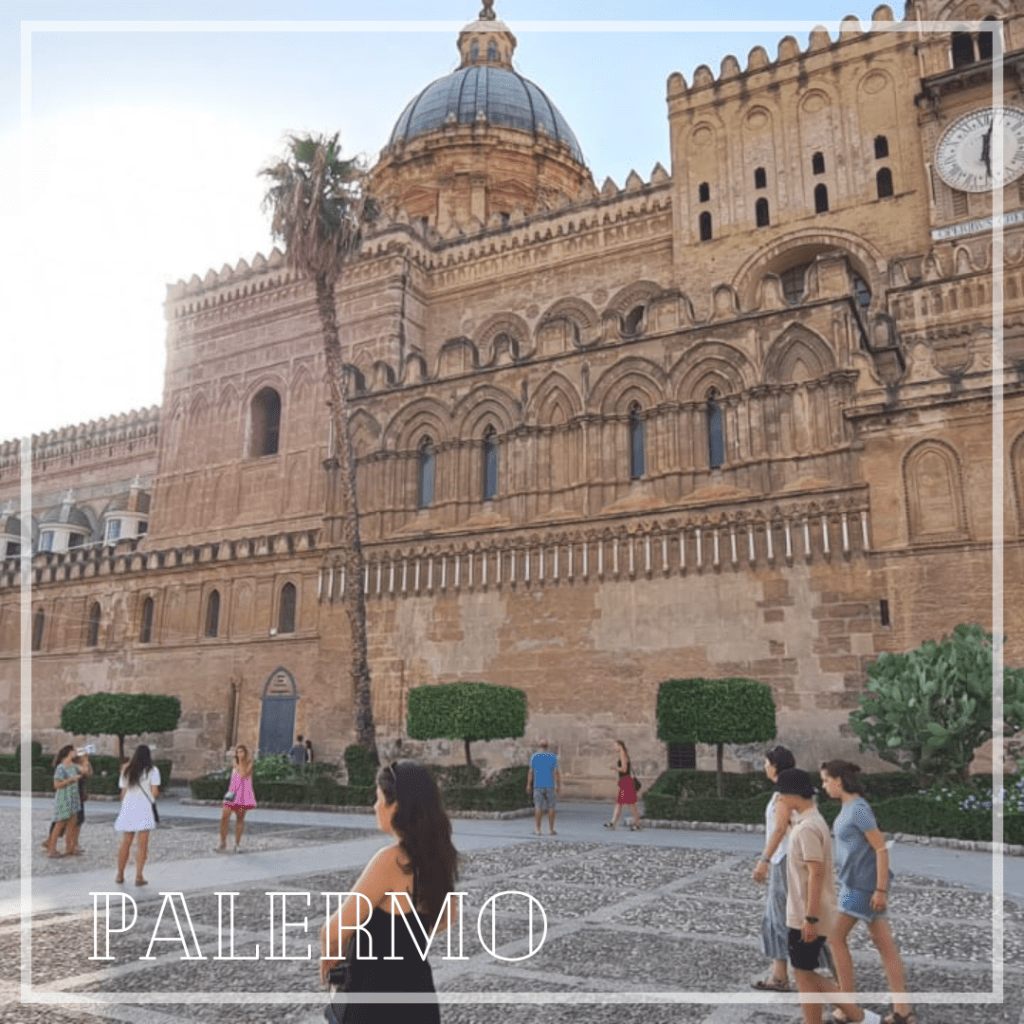
The capital city of Sicily has been ruled and influenced by the phoenicians, greeks, romans, byzantines, arabs, normans, germans, spanish and bourbons to name a few! You can see it in the mix of architecure throughout the city as well as in their cuisine.

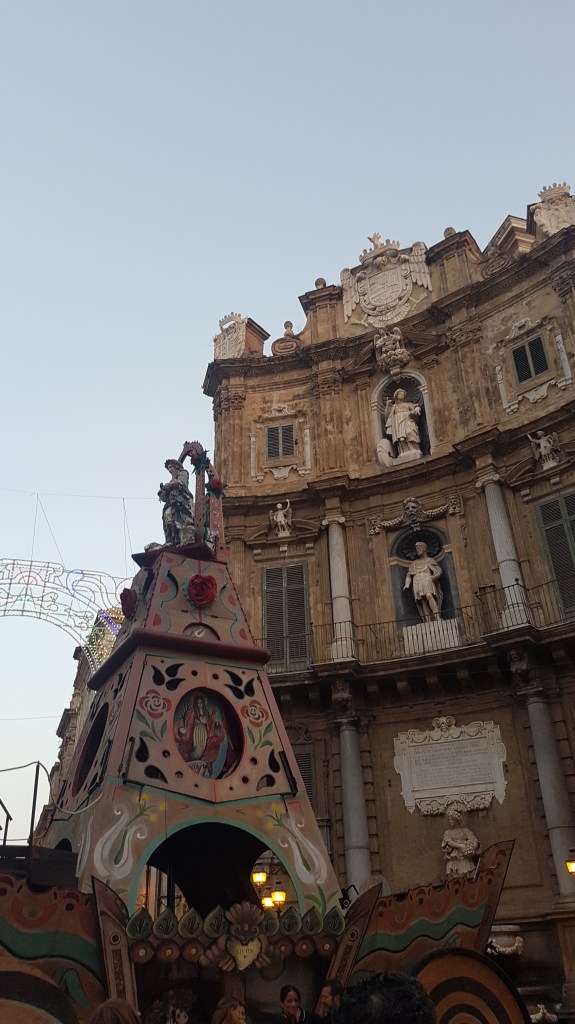
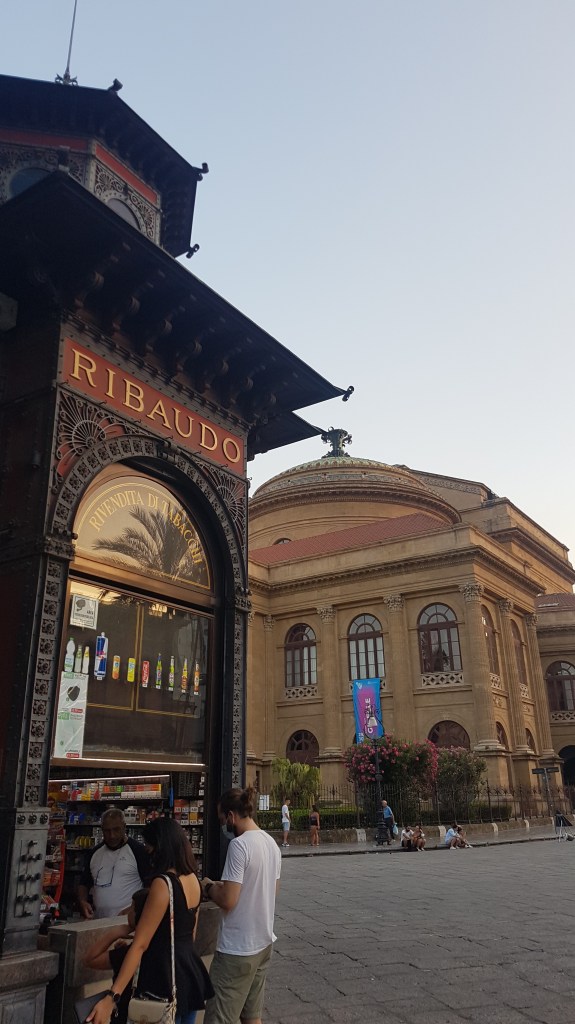
The most impressive sites in Palermo are:

  • Palazzo dei Normanni (Palazzo Reale di Palermo). Piazza Indipendenza. Embodies the cultural mix of Palermo. Arabic, Norman, Spanish.
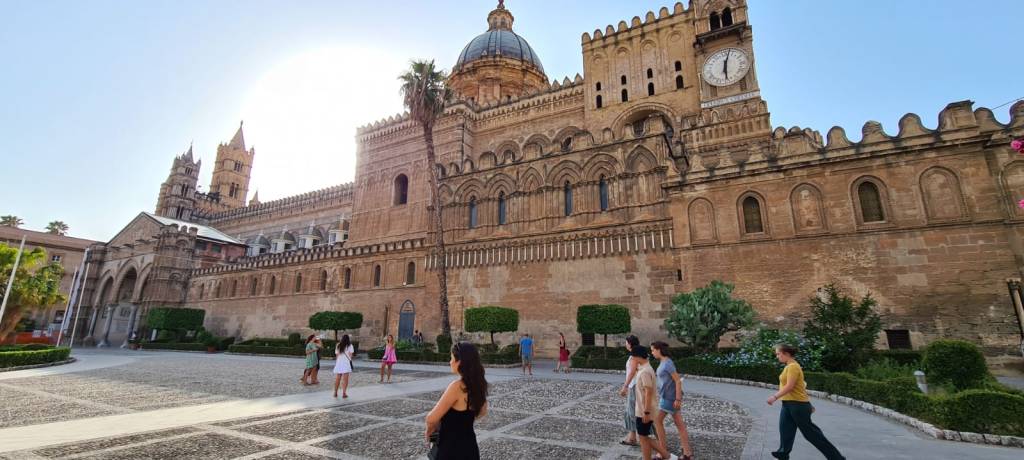
  • La Cattedrale di Palermo
  • Il Mercato di Ballarò
  • I Quattro Canti 
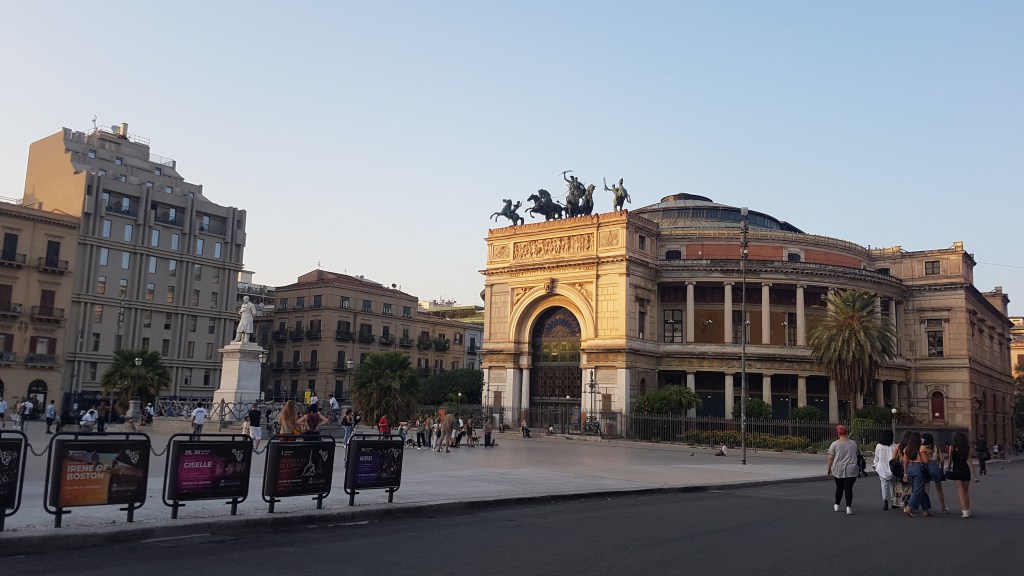
  • Il teatro Massimo Vittorio Emanuele.
  • Villa Garibaldi
  • Galleria d’Arte Regionale della Sicilia, a Palazzo Abatellis.
  • L’Orto Botanico e Villa Giulia.
  • Teatro dei Pupi
  • San Giovanni degli Eremiti

A restaurant we really enjoyed was Tannura Osteria. A beautiful restaurant with a spectacular terrace, I suggest asking for a table up on the terrace if it’s not busy. I’ll leave the link here so you can have a little look at the restaurant.

This is what we ordered…

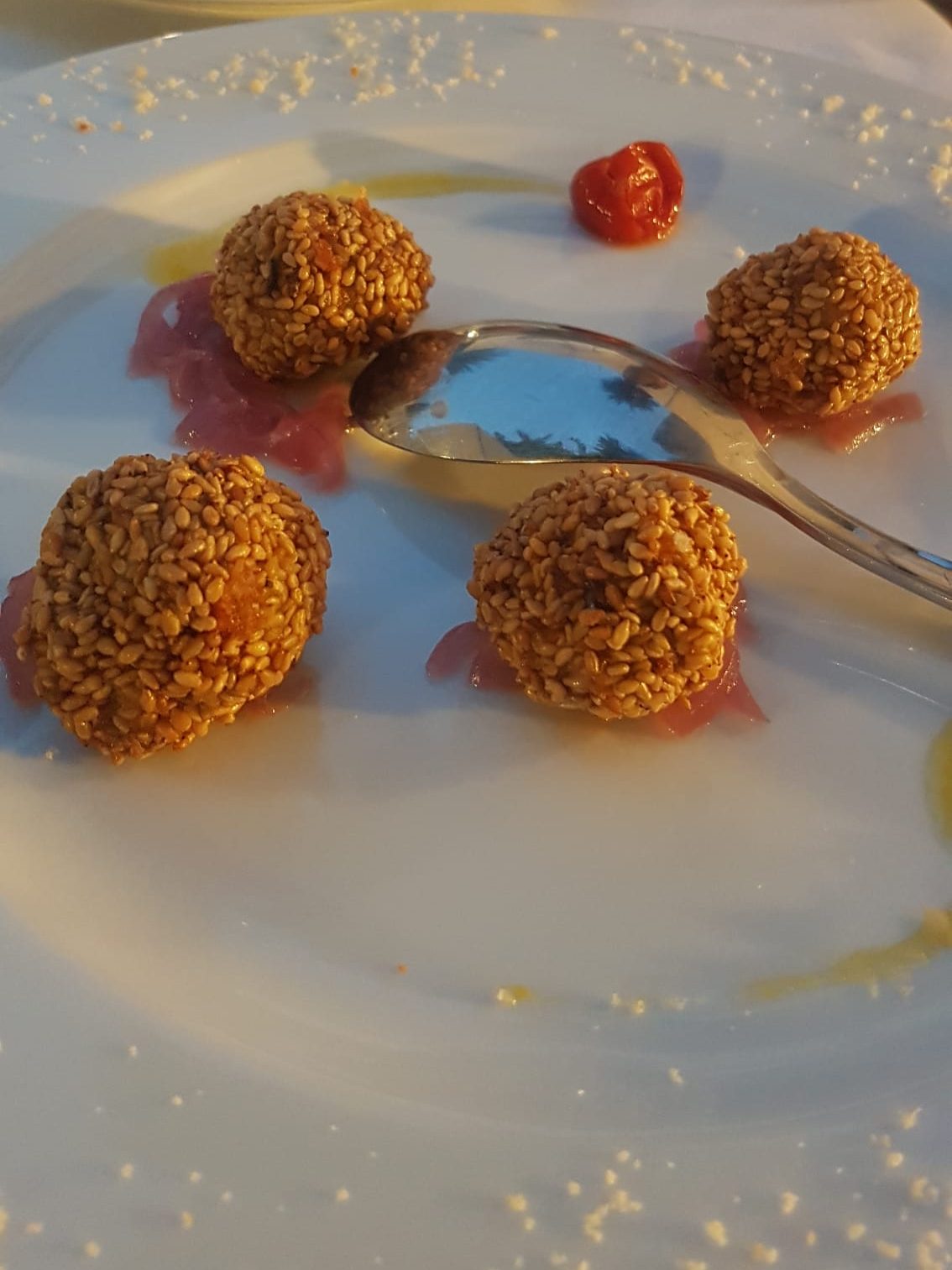
Fish cakes with a sesame seed crust on a bed of caramelised red onions
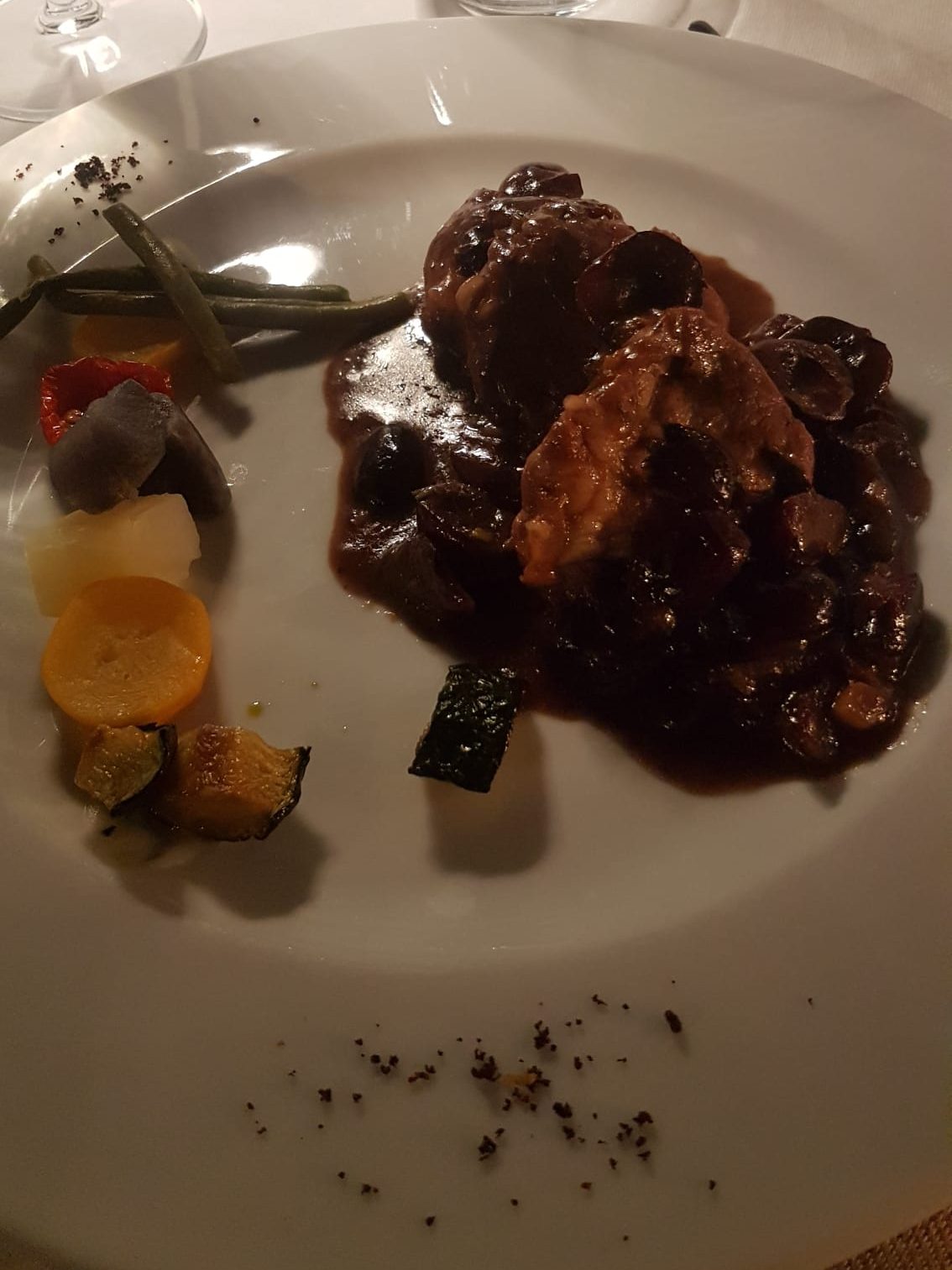
Pork in a cherry and port glaze
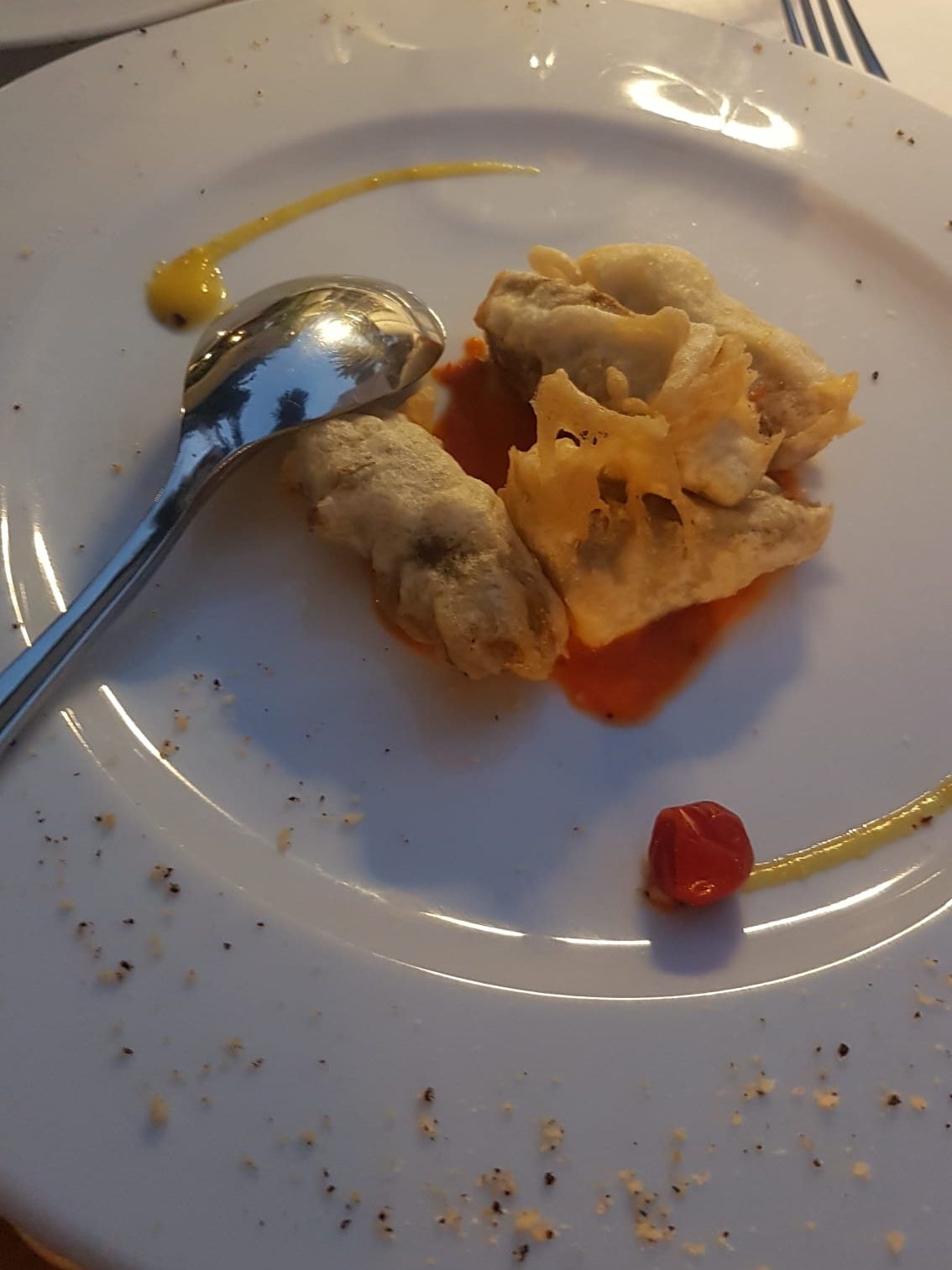
Zucchini flowers filled with ricotta
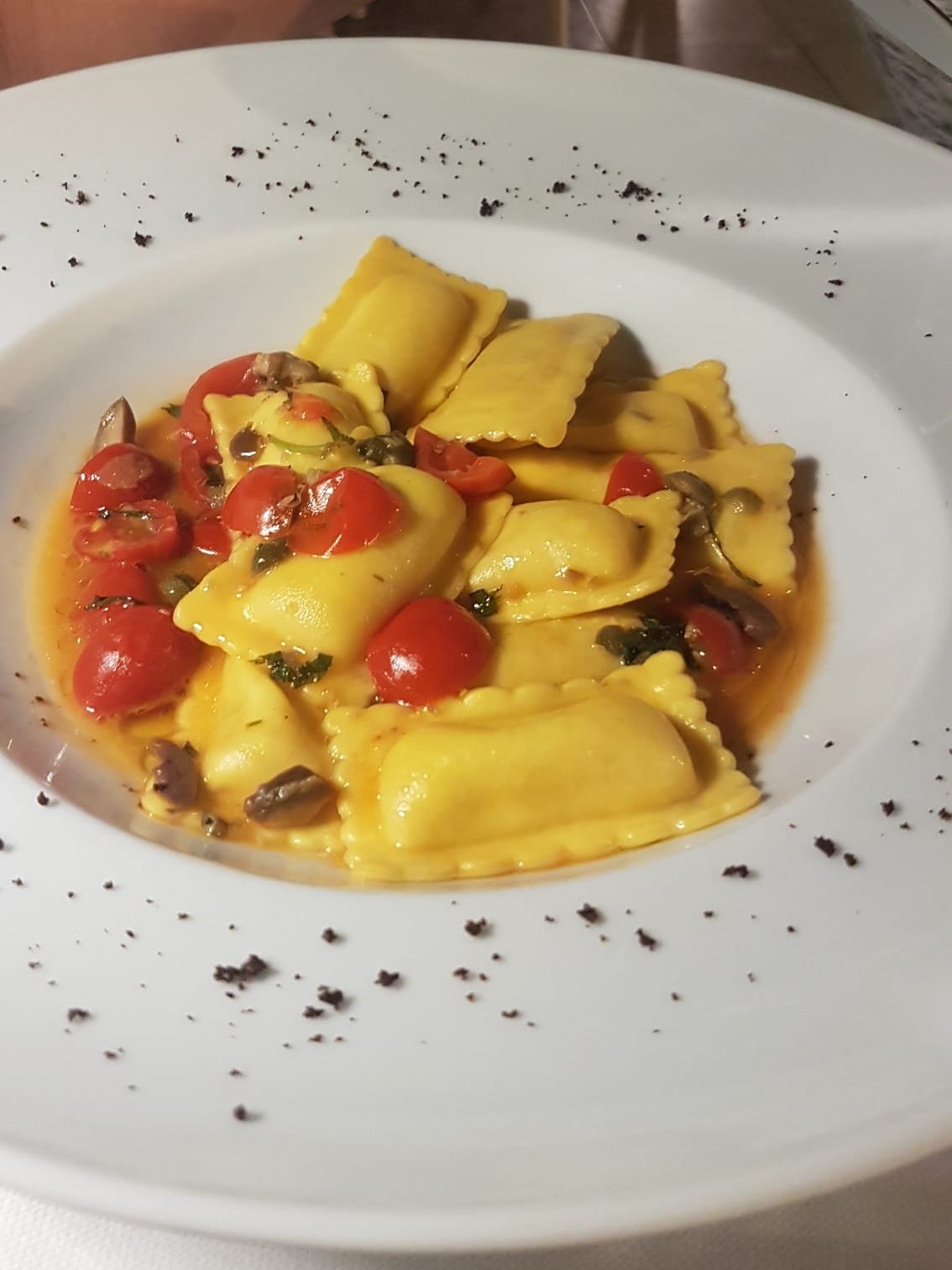
Grouper ravioli in a tomato, capers and olive sauce

A great place for coffee and cake is Antico Caffe Spinnato. There are several cafe’s in this area to choose from if you don’t find a table at Spinnato; it can get quite busy. Look out for Spinnato’s selection of coffee, it’s insane. The café is on Via Principe di Belmonte.

9. Salina

To get to Salina we took the ferry from Milazzo to Santa Marina Salina. The cost for two people with a car, in our case a medium sized vehicle, cost 212.80 euros for return tickets.

Formerly known as Didyne, it is formed of two old volcanoes. Mount Fossa delle Felci to the East and Mount dei Porri to the West. There’s also a small crater in the small village of Pollara to the North-West of the island. These volcanoes are of course no longer active, however, every so often you get a slight smell of sulphur. The island is divided into three comunes, Santa Marina, Malfa and Leni.

Salina is the second largest island of Sicily’s Aeolian archipelago. The island produces tons of capers, chestnuts, olive oil and much more. Some homegrown favourites are Gelsi (mulberry), limone (lemon) and fichi d’india (prickly pears) so take advantage and eat as much as you can.

Beaches

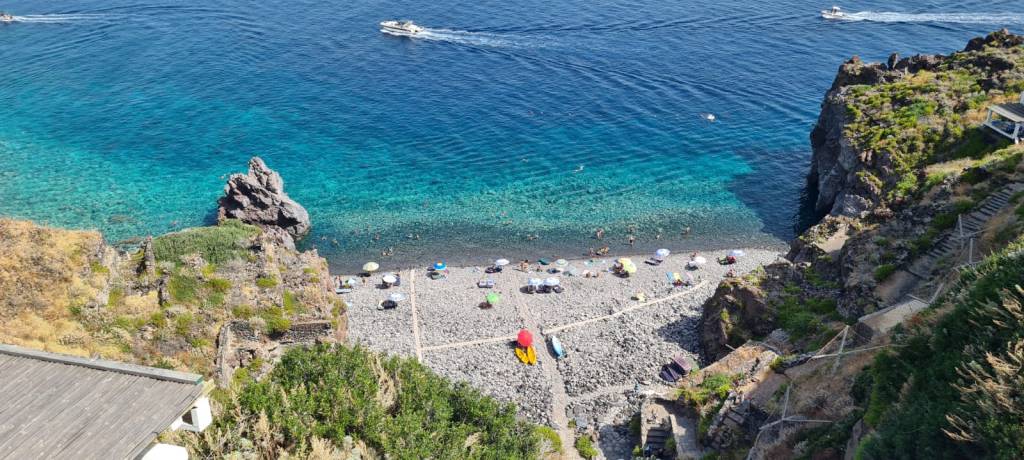
There are a few beaches to choose from but our favourite is definitely spiaggia dello Scario. It’s very clean and you can rent inflatable mattresses as well as umbrellas and there is a café/bar in case you get hungry. The sandwiches are really good. You won’t find sandy beaches on Salina as it is all volcanic earth, instead it’s large boulder and pebbles so always wear rubber shoes to protect your feet.

Spiaggia dello Scario

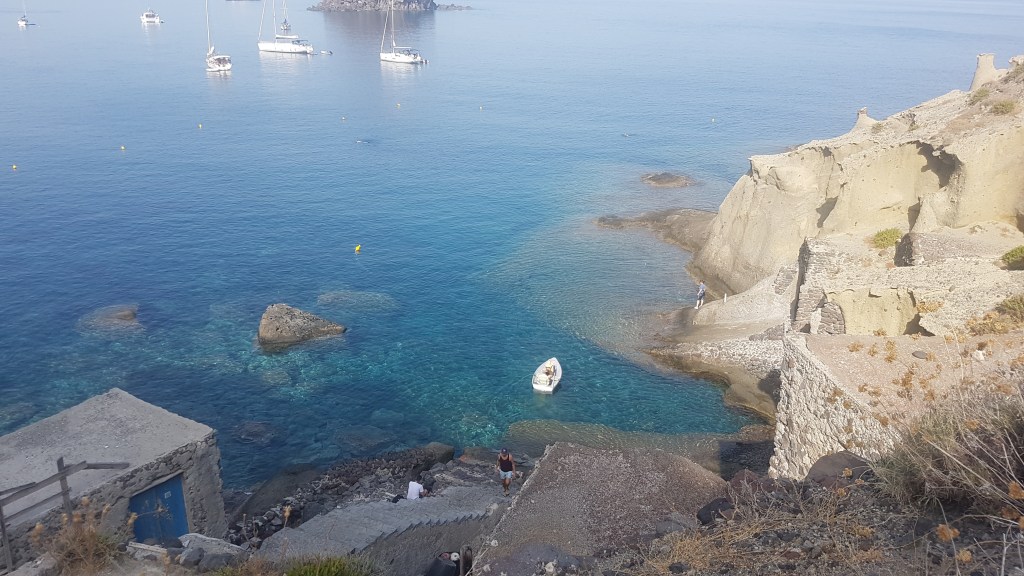
Another beach is spiaggia di Pollara. I wouldn’t really call this a beach as it is more of a small harbour and locals as well as holiday makers come here more to swim and paddle or kayak than to sunbathe.

Spiaggia di Pollara

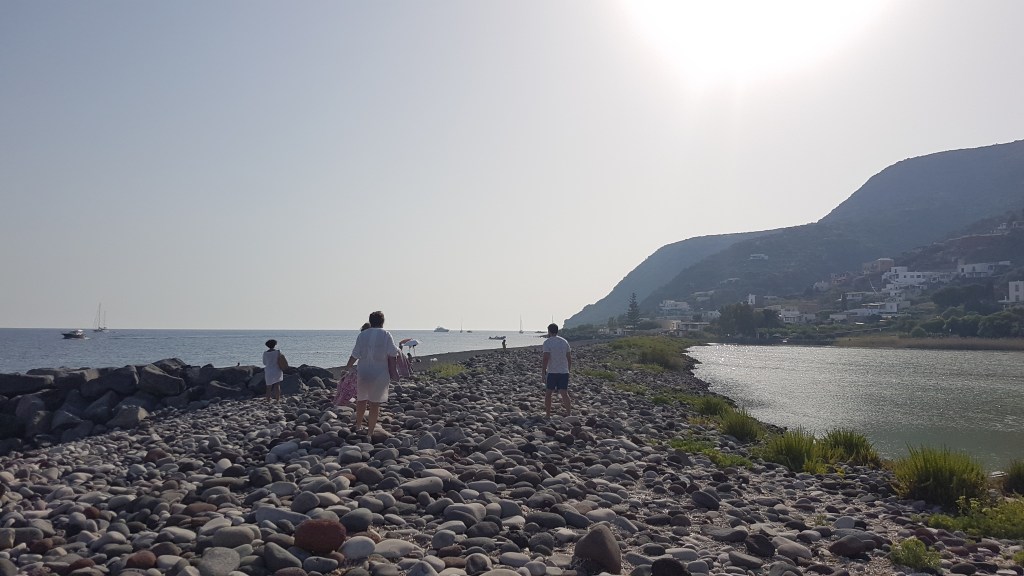
Then there’s spiaggia di Rinella, which is next to the port. It has small volcanic rocks rather than sand like a lot of reviews mention and there is an area in the sea that is cordoned off for people to swim.

And finally, Punta Lingua lighthouse and beach. Nice views and very calm but very uncomfortable both on land and in the sea. If you come here, I would stick to the left hand side of the lighthouse which is more pebbly than the right side of the lighthouse.

Punta Lingua beach

I’ll write a separate post with more details about what to do and see in Salina as I know this post is already quite long. I’ll just leave you with a few restaurant recommendations here.

A few restaurants to try:

Hotel Signum, a four star hotel in Malfa with a luxurious spa and the only Salina restaurant with a Michelin star.


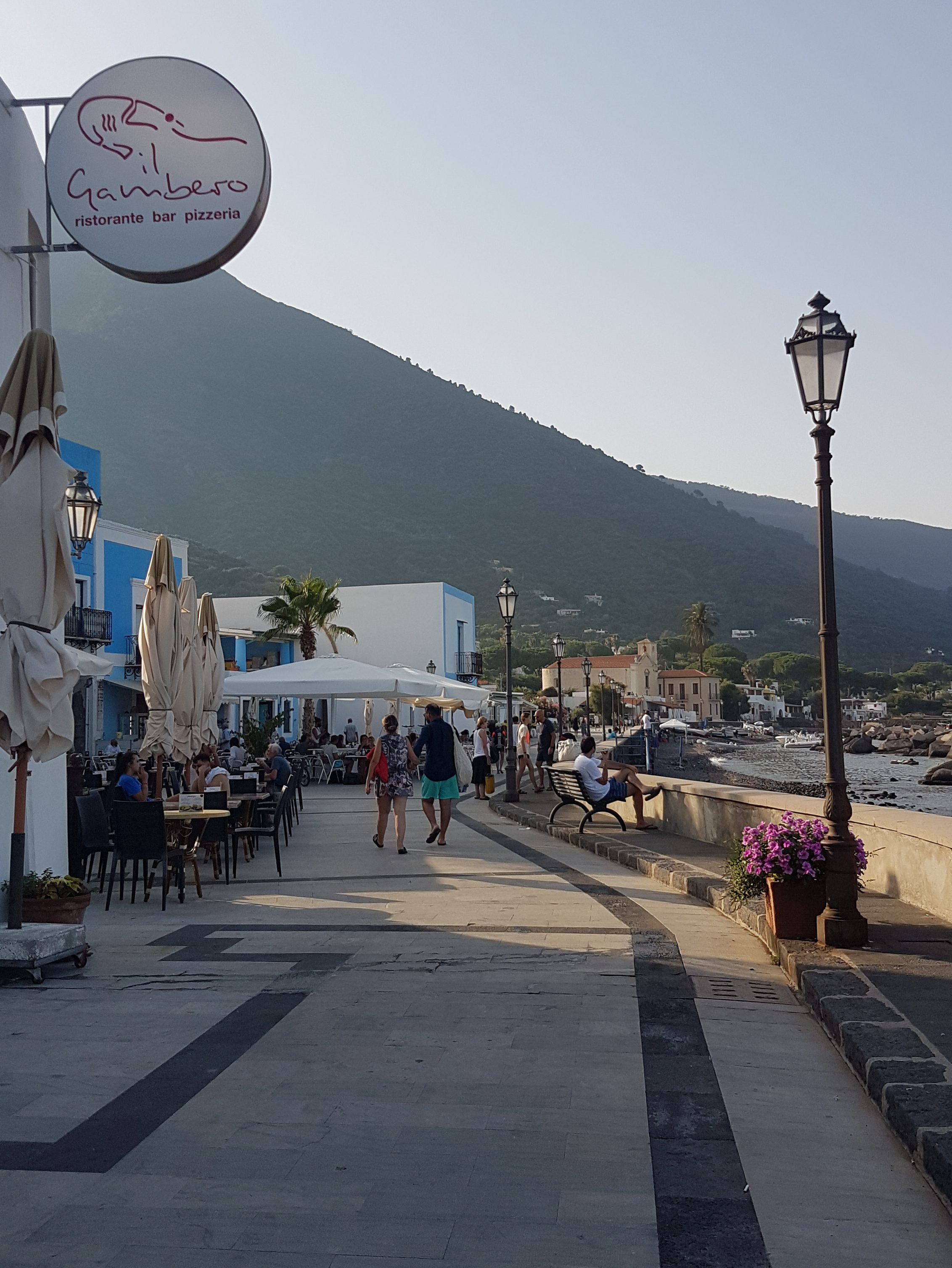
Il Gambero in Lingua was our favourite restaurant whilst staying in Salina and we ate here two nights in a row! That’s how much we loved it.

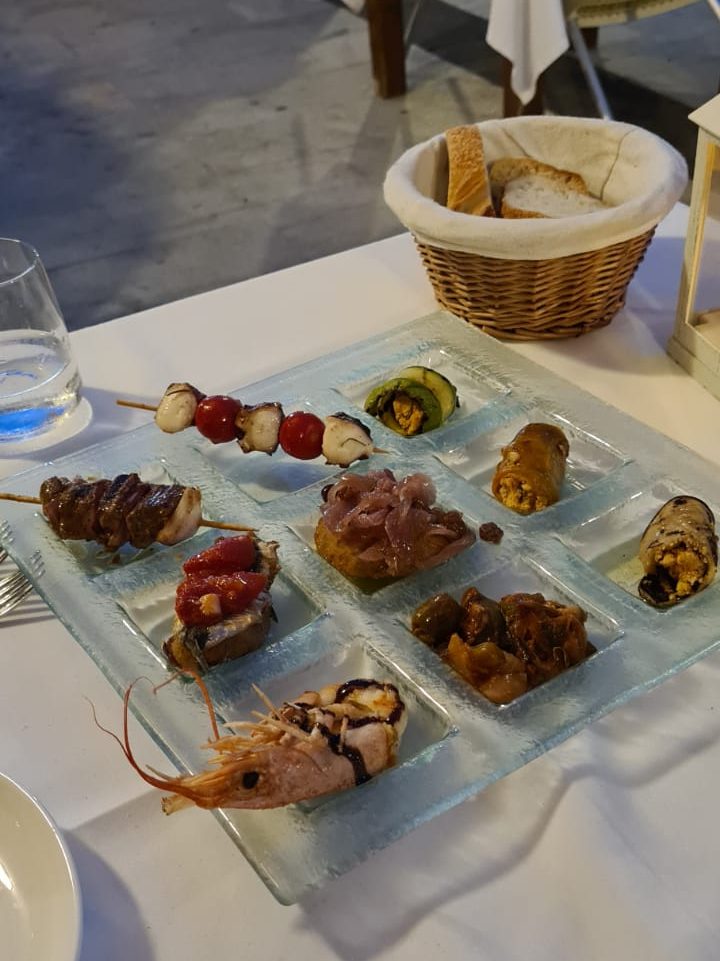
Mix of starters
Lungomare and Il Gambero restaurant
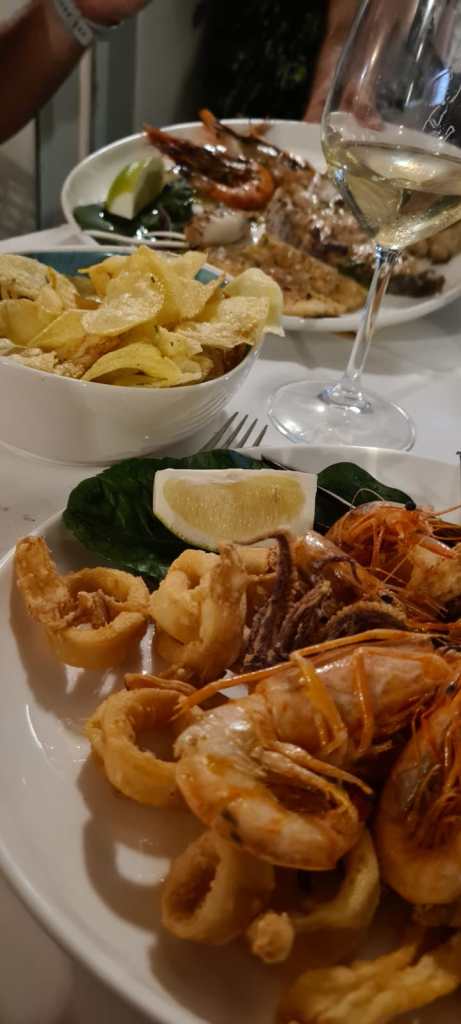
We ordered the fritto misto and the grilled fish with a side of chips
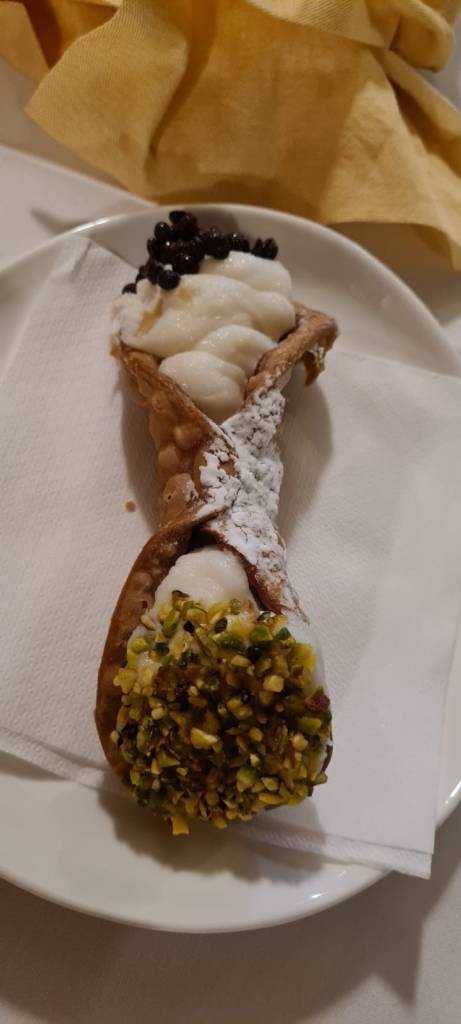
Sicilian cannolo

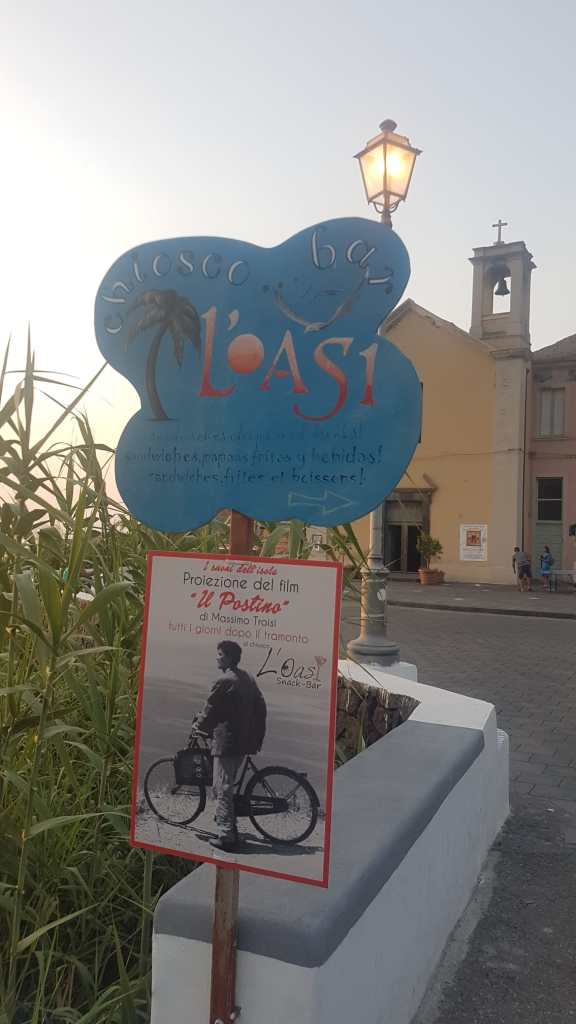
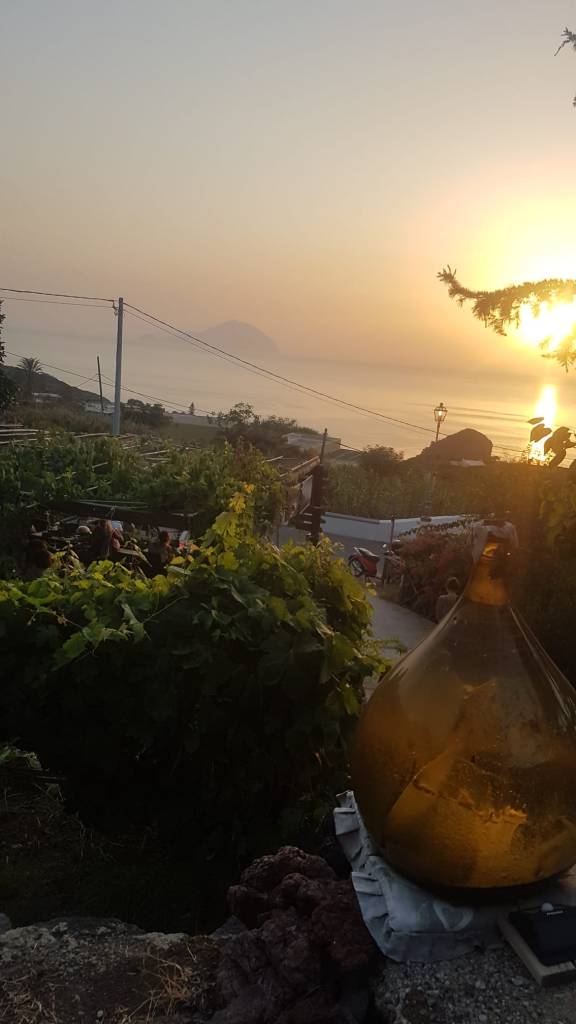
L’Oasi – screening of the film ‘Il Postino’ everyday at 18:00. Beautiful outdoors venue with spectacular views and great prices.


Cocktails with a view, In Sè Natura at the Hotel Santa Isabella. Beautiful views of Spiaggia dello Scario, our favourite beach.

Spiaggia dello Scario
View from L’Oasi
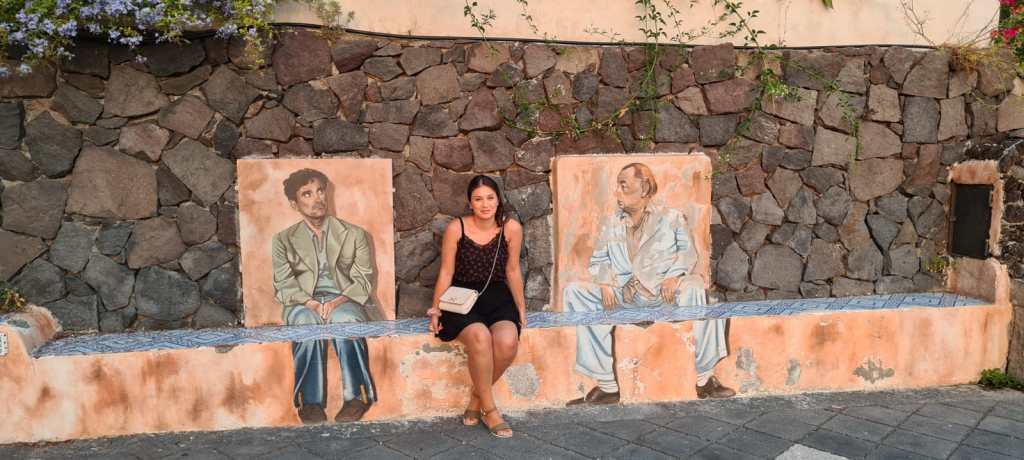
Il postino

If you’re still here, I just wanted to say thank you so much for reading my posts. I really enjoy writing them and hope that they are useful and inspire your next holidays. After the year and a half we’ve all had we all deserve a little break, a little escapism.

If you enjoyed this post leave a like or comment. I would love to know what you thought of this post or if you have any questions. Always happy to help 🙂

Follow me on instagram

PIN THIS POST

A day trip to Bergamo Alta

Hello from beautiful Bergamo!

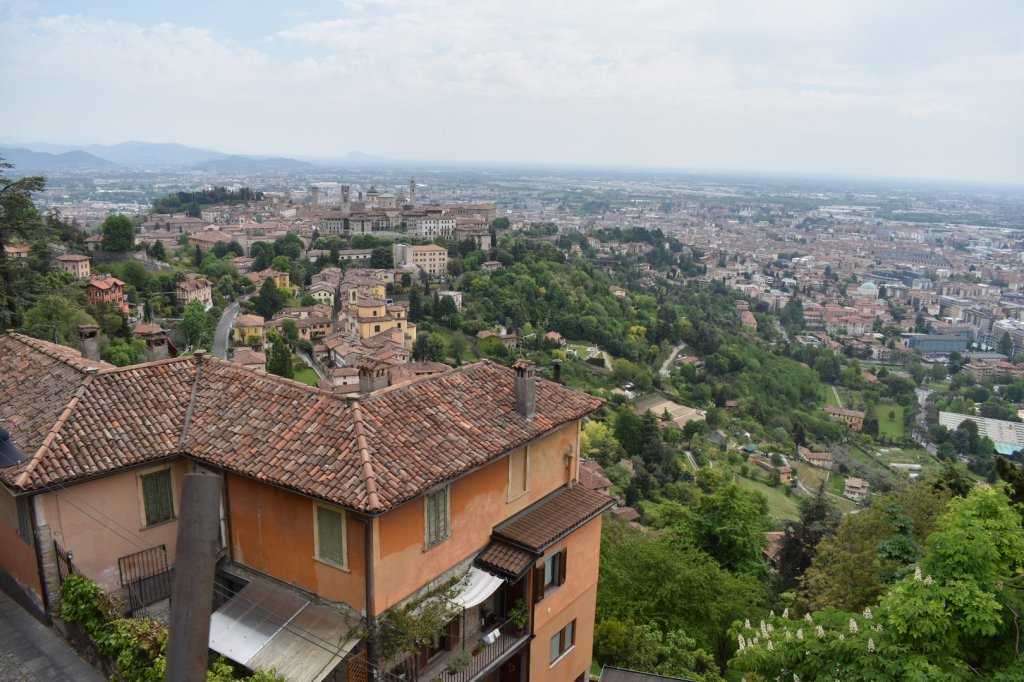
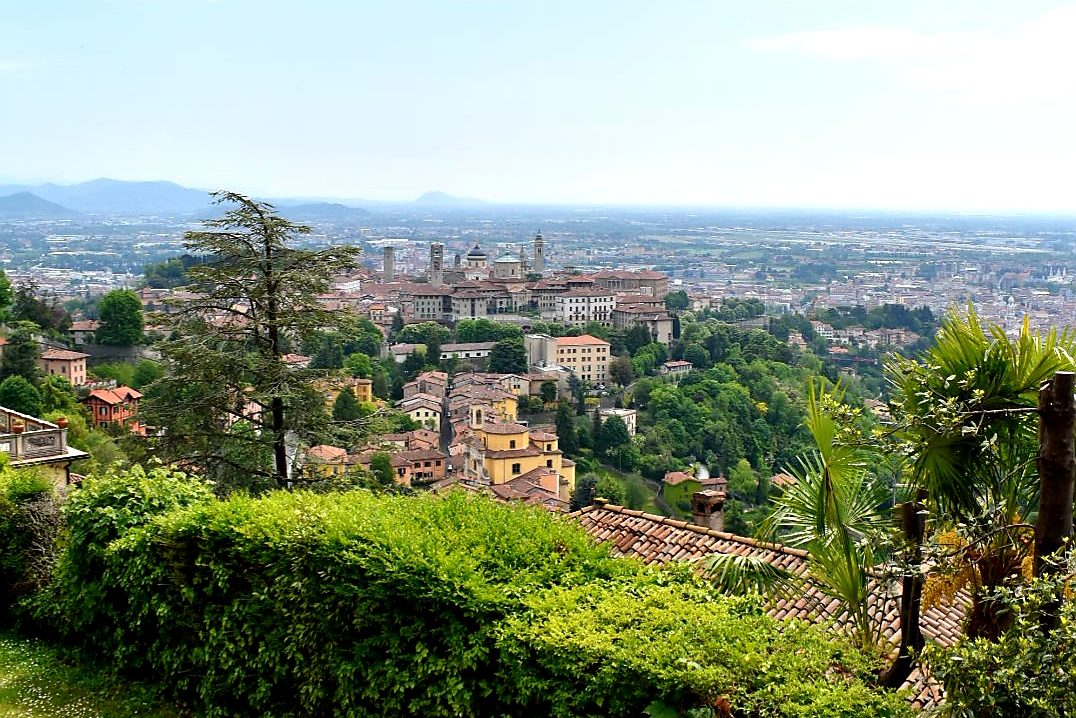
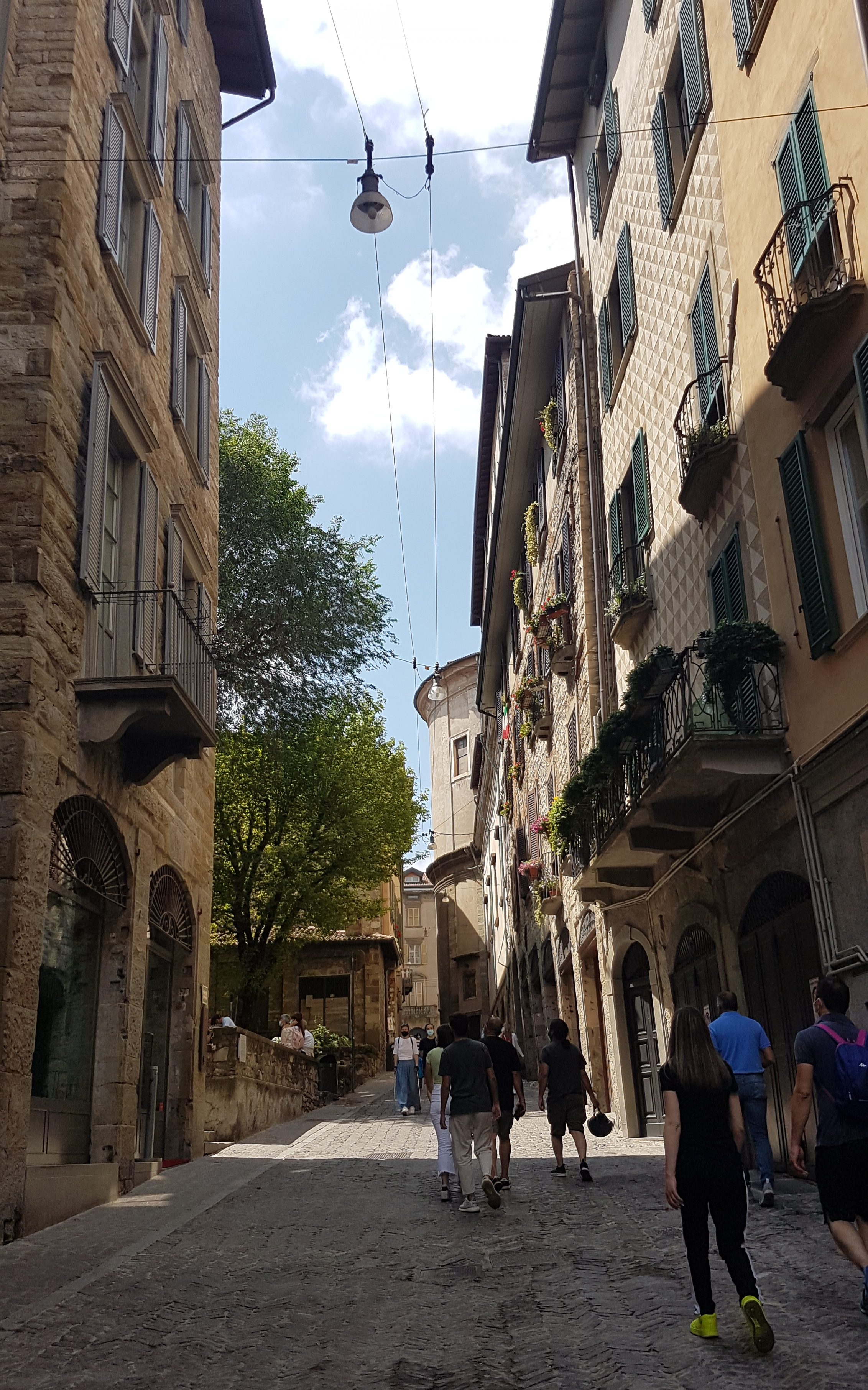
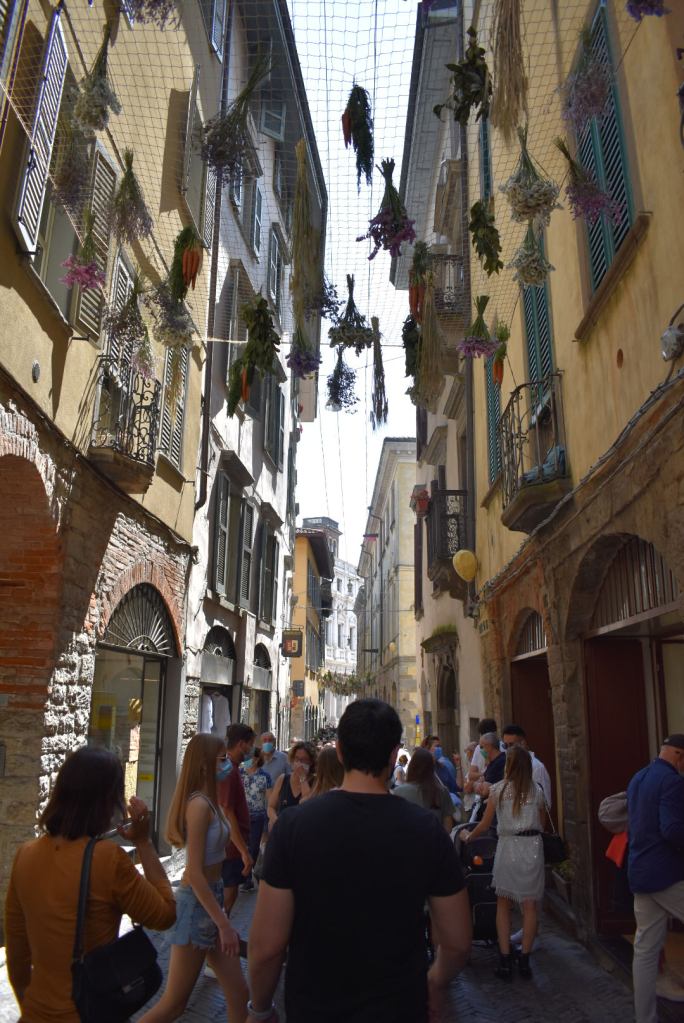
I love visiting Bergamo, specially Città Alta (the upper city). It’s a charming medieval walled city full of winding roads and beautiful architecture. Despite how busy it can get during the weekend, it still feels quite peaceful.

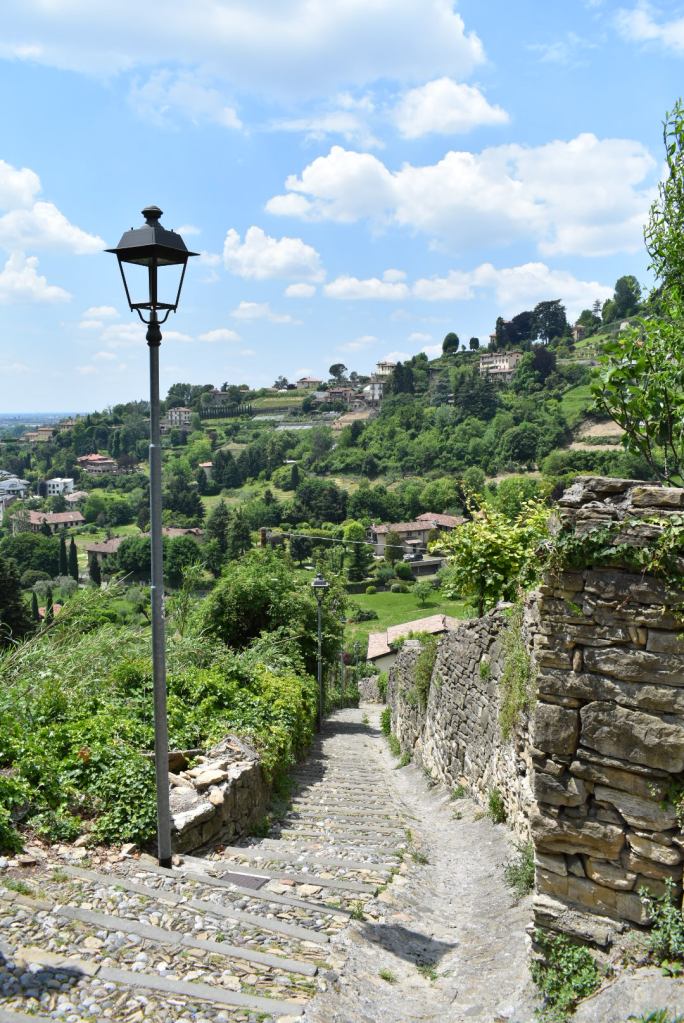
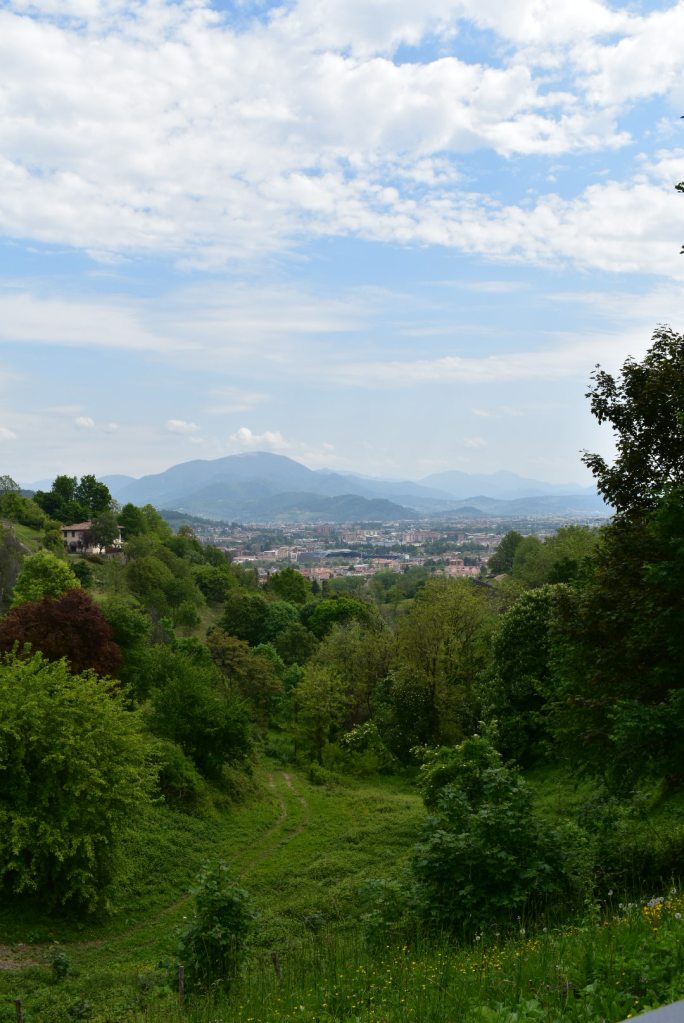
Usually, to get to città alta we would take the funicular from Bergamo Città Bassa (lower city); but this weekend, as the queue for the funicular was so long, we decided to walk. If you plan on doing this, wear comfortable shoes! I thought my sandals would be fine but because of the material my foot kept sliding all over the place and I had to walk at a snails pace!! You see, città alta is on a hill and walking up, there are parts that are REALLY steep, BUT the views are worth it. It’s like something out of a movie.

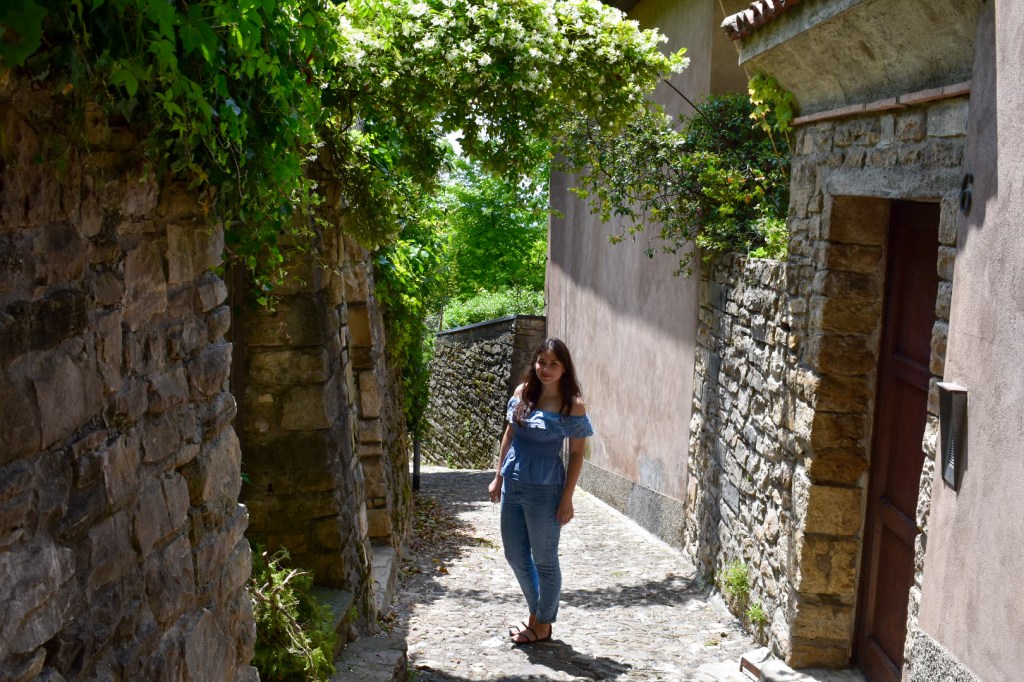
I wouldn’t advise walking up to Città Alta in the middle of summer as it is way too hot, so definitely take the funicular; but during spring and autumn it’s perfect. Something that I absolutely love about this time of year in Italy, is that jasmine flowers are in full bloom and they smell incredible. Walking up to the old town they were everywhere and I think that’s what kept me going. Make sure to take breaks to take photos and stay hydrated!!

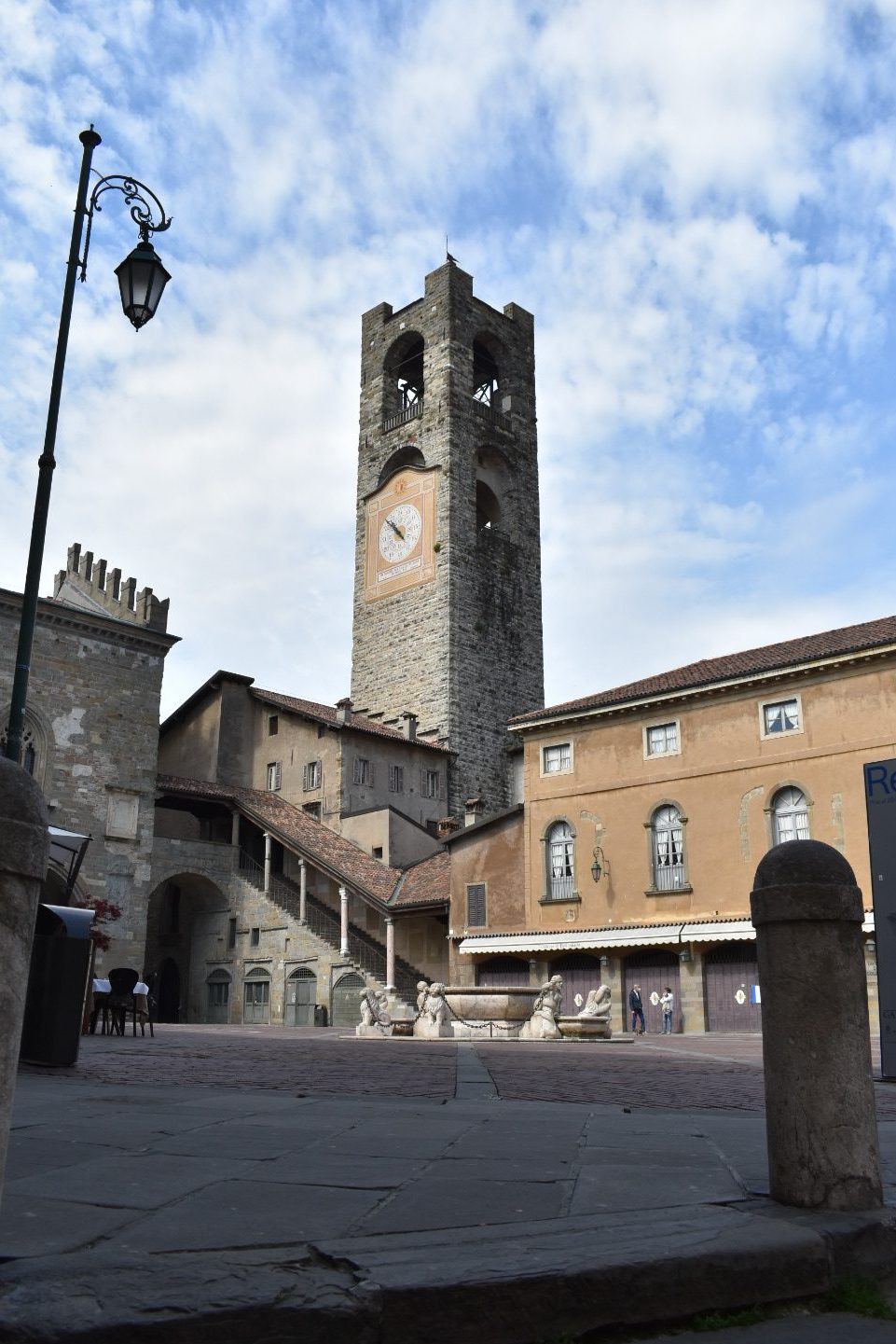
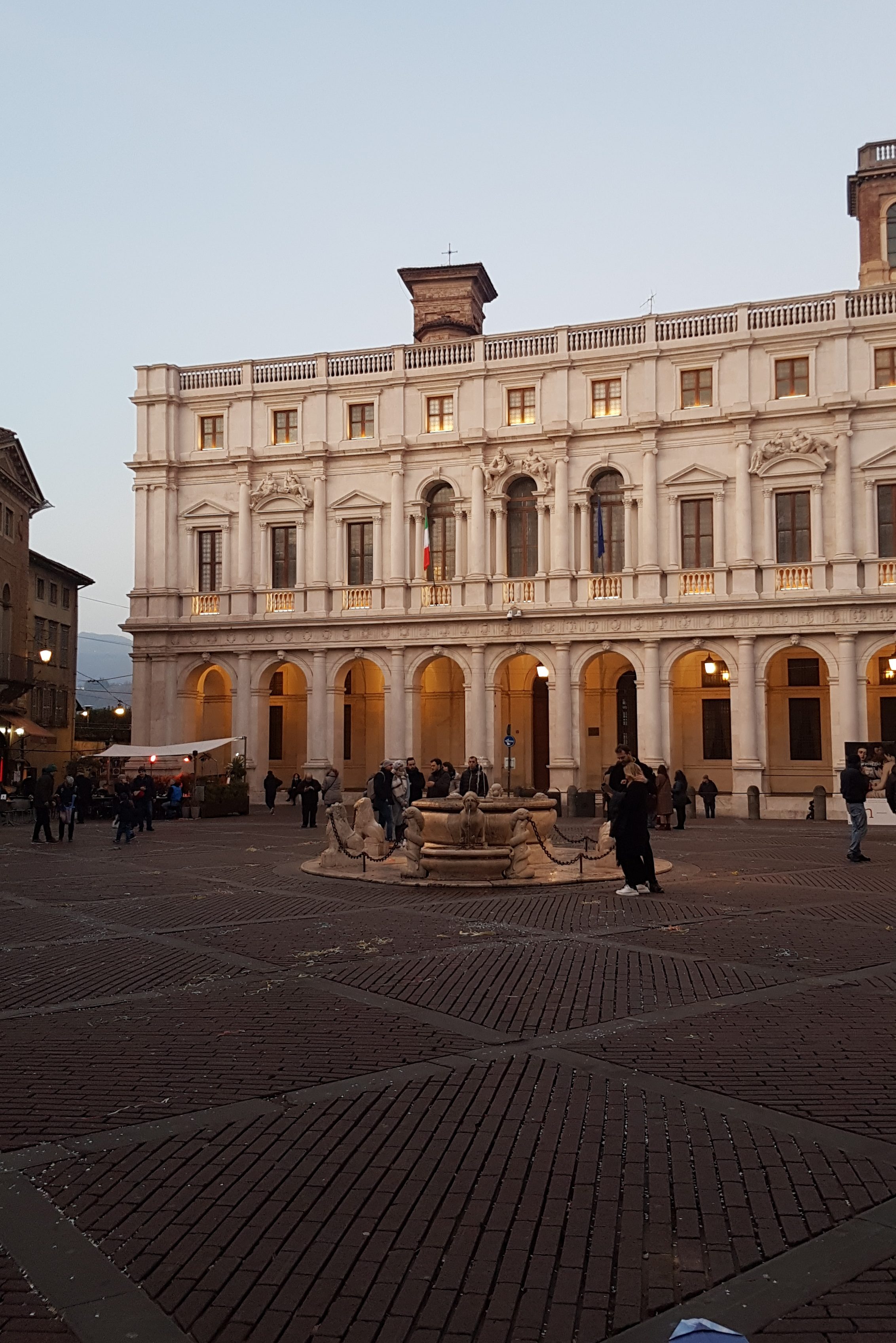
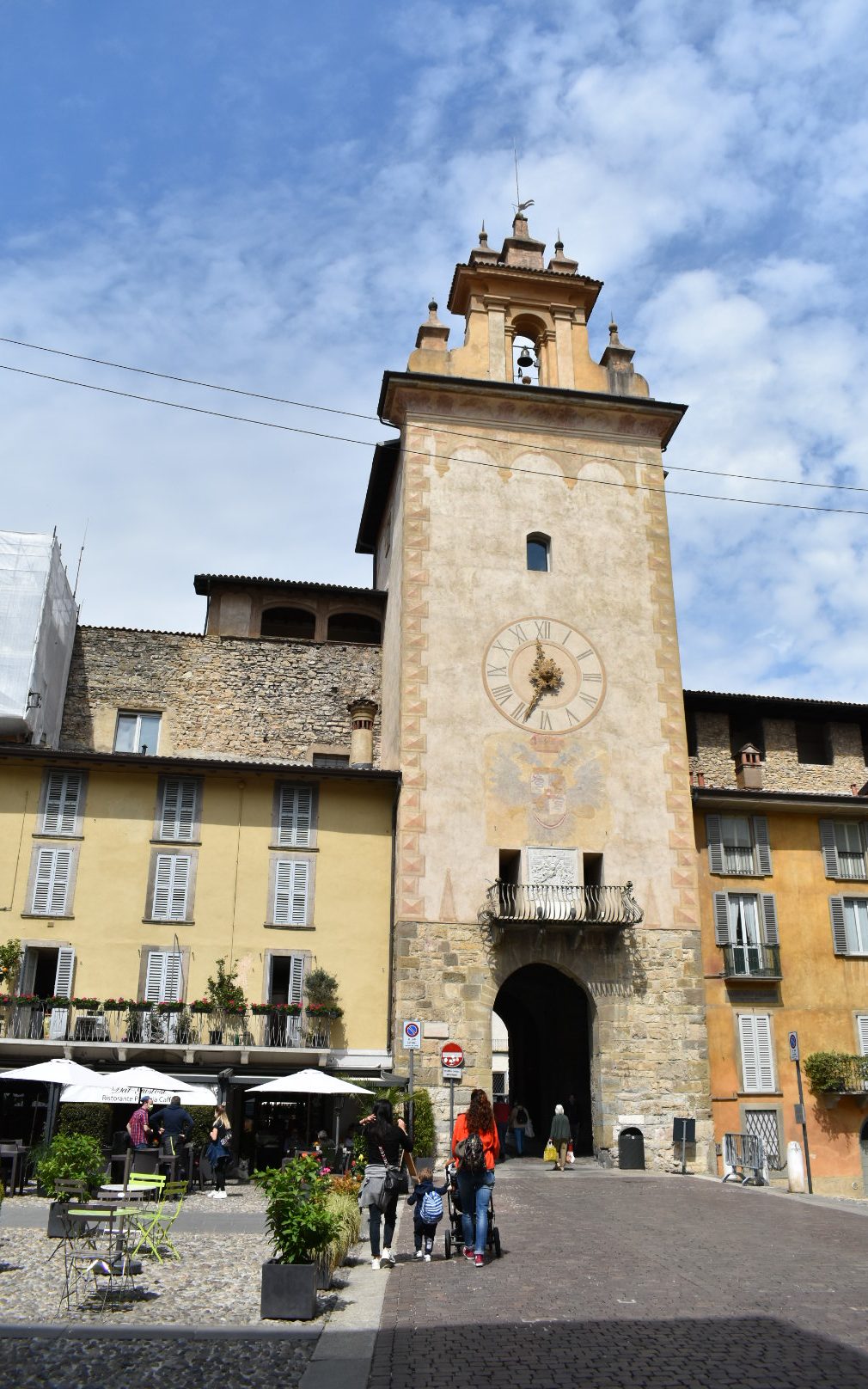
Our first stop was the Piazza Vecchia – the heart of Città Alta!

Here, you’ll find restaurants, café’s and some of the most important buildings in Bergamo.

Piazza Vecchia – Palazzo della ragione
Piazza Vecchia in the evening seen from the other side

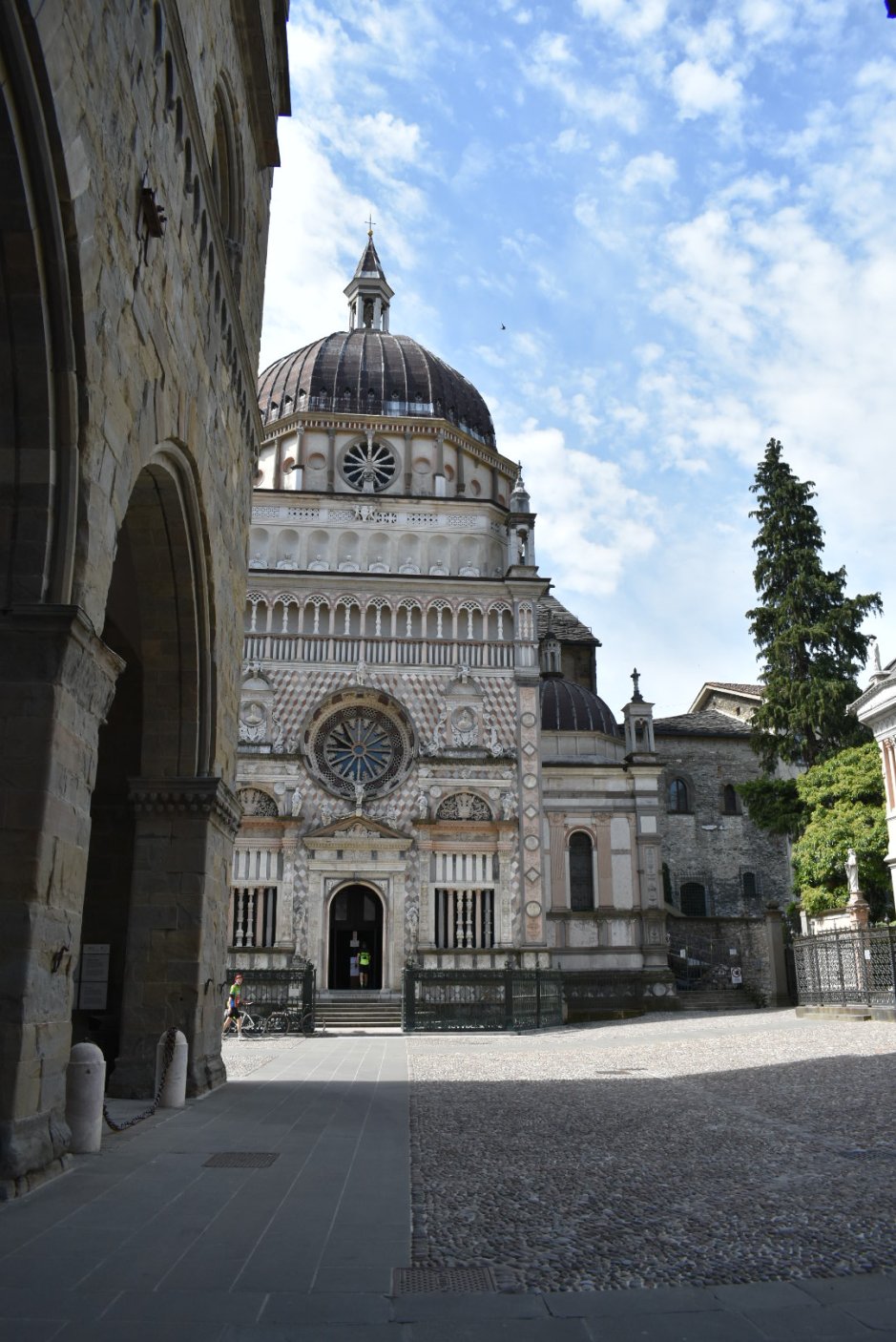
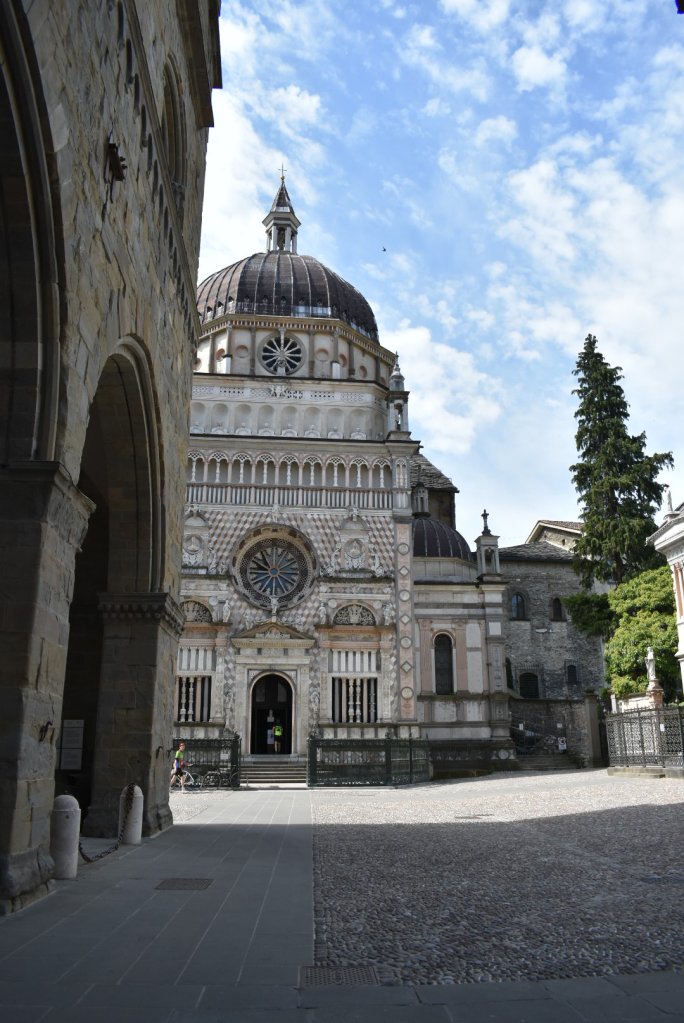
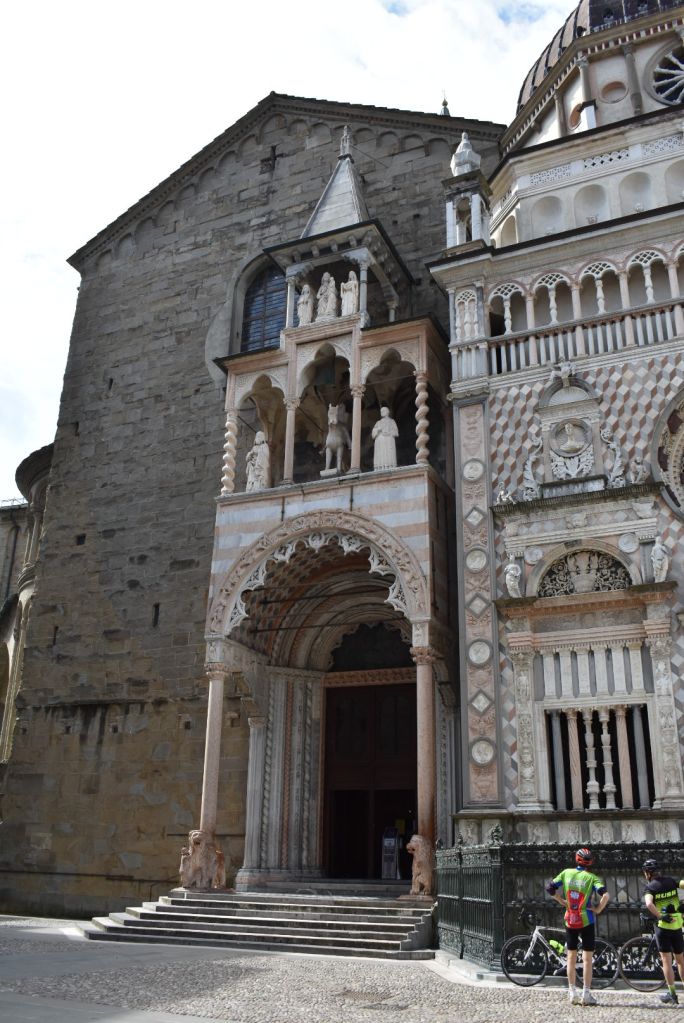
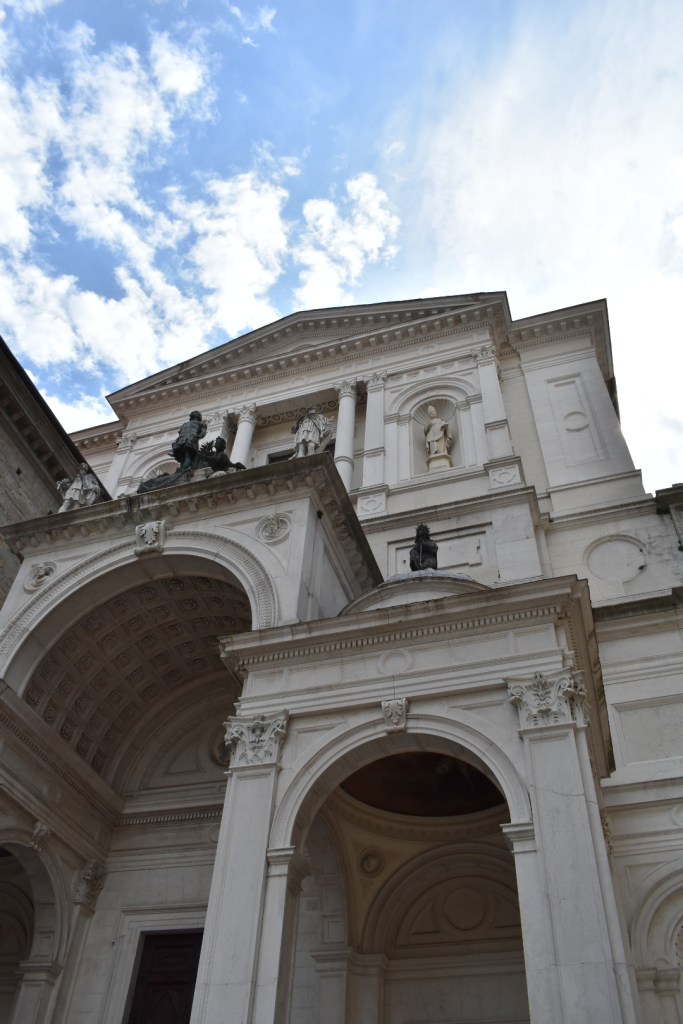
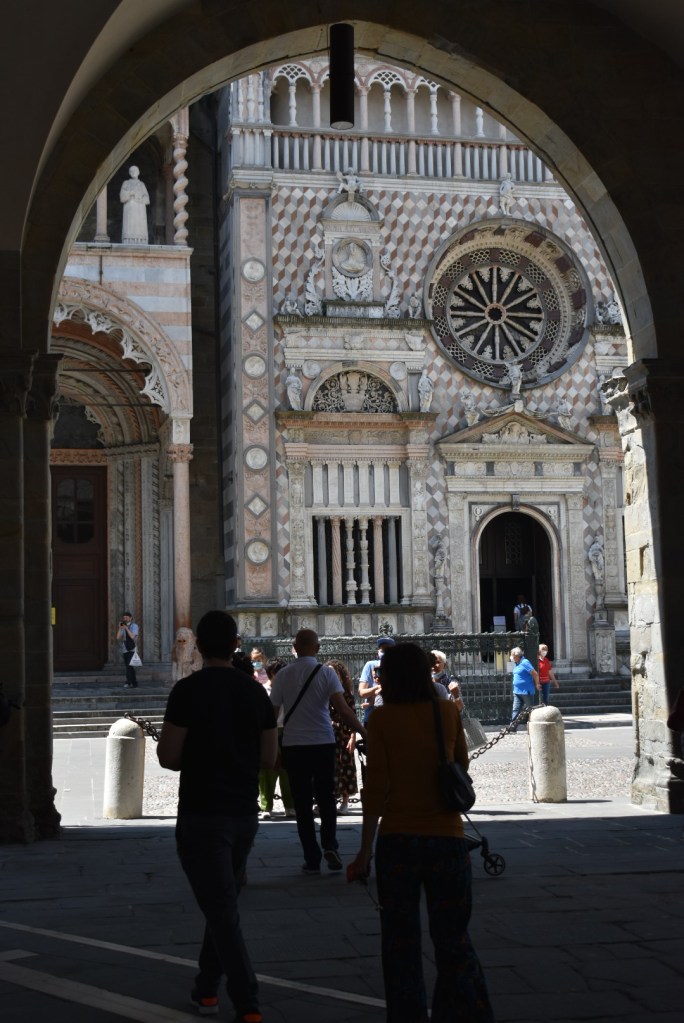
If you walk to the back of Piazza Vecchia, past the arches you will find the beautiful Cappella Colleoni and right next to it the Basilica di Santa Maria Maggiore, which is definitely worth visiting. The beautiful and ornate interiors of the basilica were designed by Lorenzo Lotto, mostly known for his perceptive portraits and mystical paintings of religious subjects.

Capella Colleoni – Piazza del Duomo
Basilica di Santa Maria Maggiore

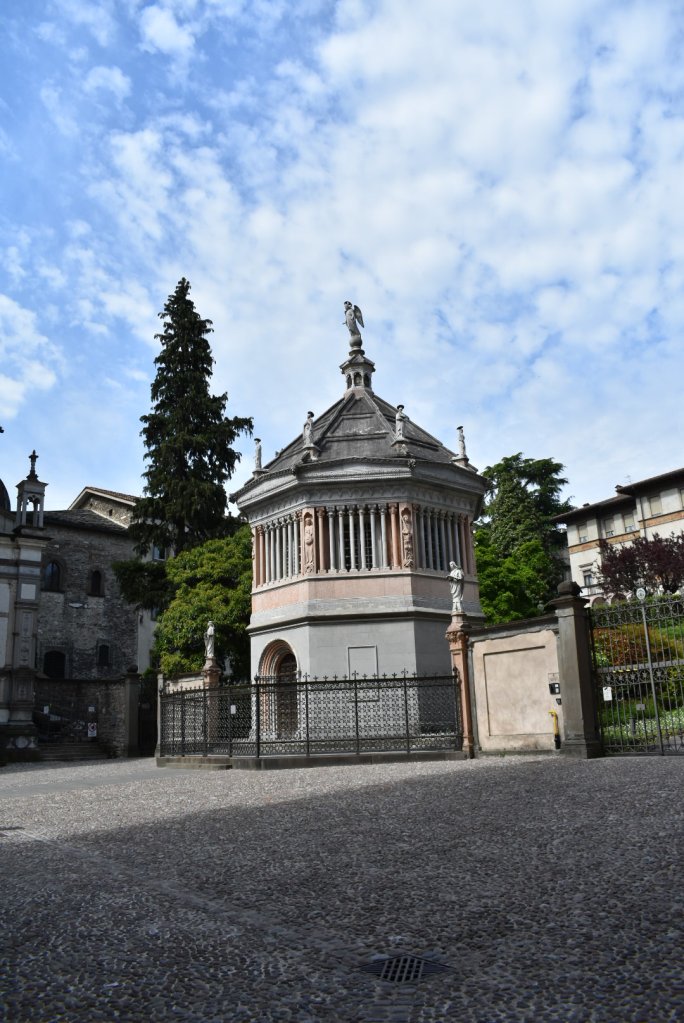
To the left of the basilica is the Duomo, also known as the Cattedrale di Sant’Alessandro; and opposite the Duomo you will see the Battistero di Bergamo.

Duomo – Cattedrale di Sant’Alessandro
Battistero di Bergamo

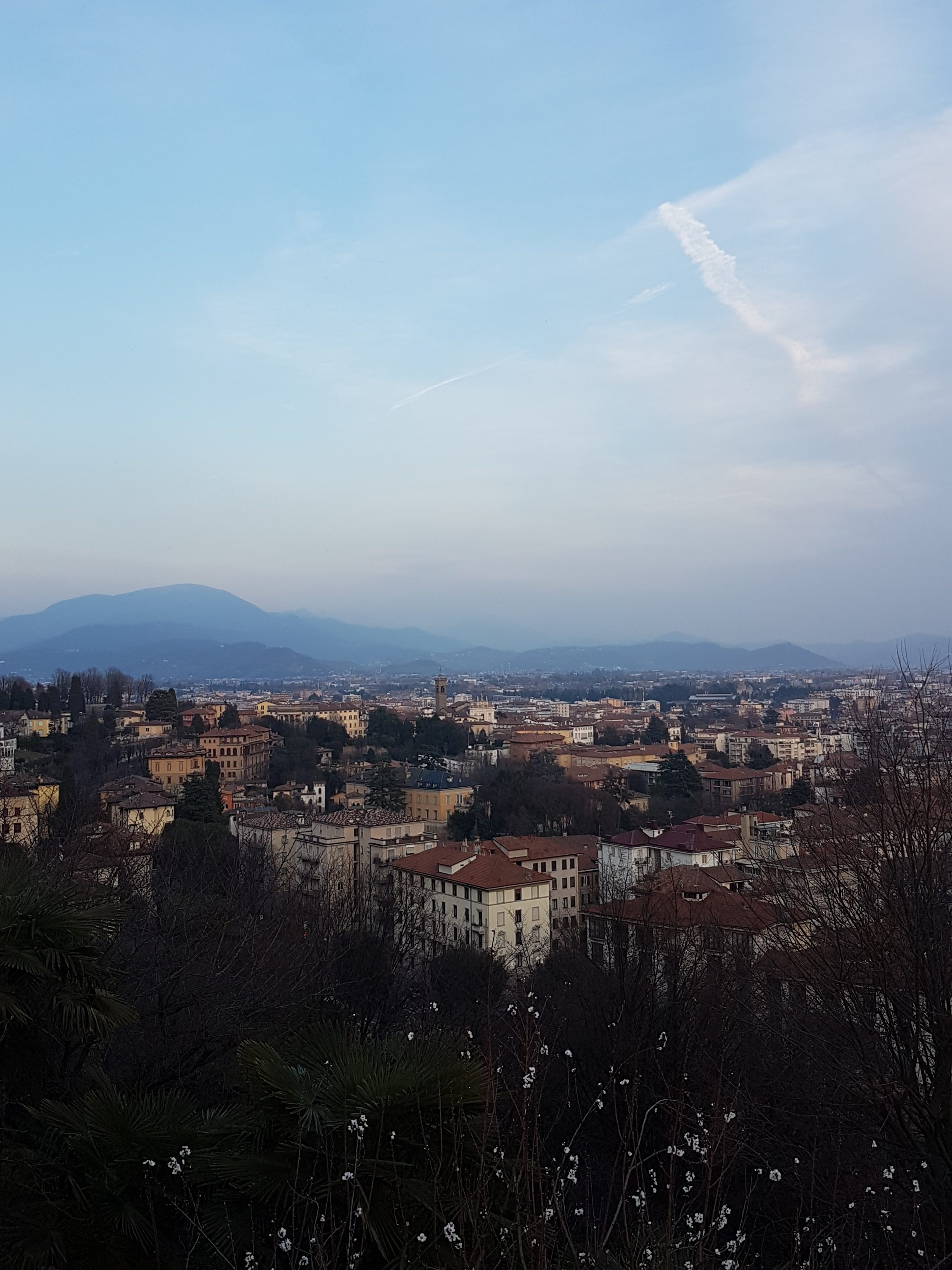
Make your way back to the funicular for Upper Bergamo and go up Sant’Eufemia hill, it’s a 6 – 7 minute walk from the Piazza Duomo up to the Rocca Fortress which has some amazing views. Best place to enjoy the sunset in my opinion.

View from the Rocca Fortress in winter

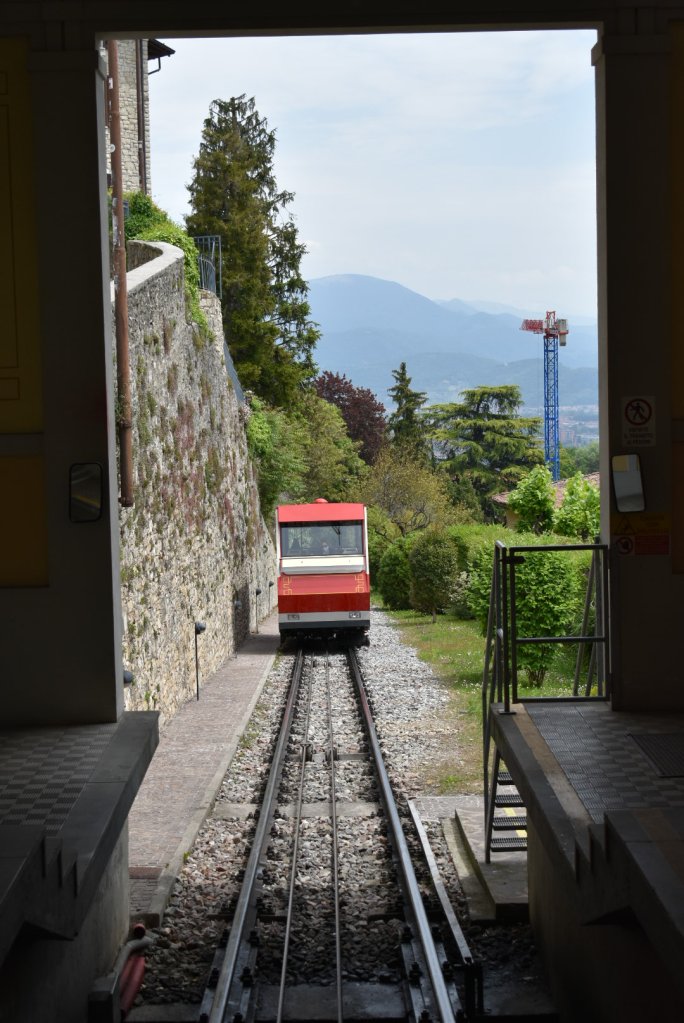
Another great spot, not just for photos but for some great food is San Vigilio Hill. You can take the funicular up there and it only takes a few minutes.

Funicular to San Vigilio

Once you’re done in San Vigilio you can take the next funicular down to Città Alta and continue exploring the medieval town through its endless maze of cobblestone roads. Also, don’t miss the panoramic views from the Punto Panoramico di Colle Aperto, you can see the Orto Botànico from here as well as the mountains.

Comune di Bergamo – Piazza della Cittadella
Street view
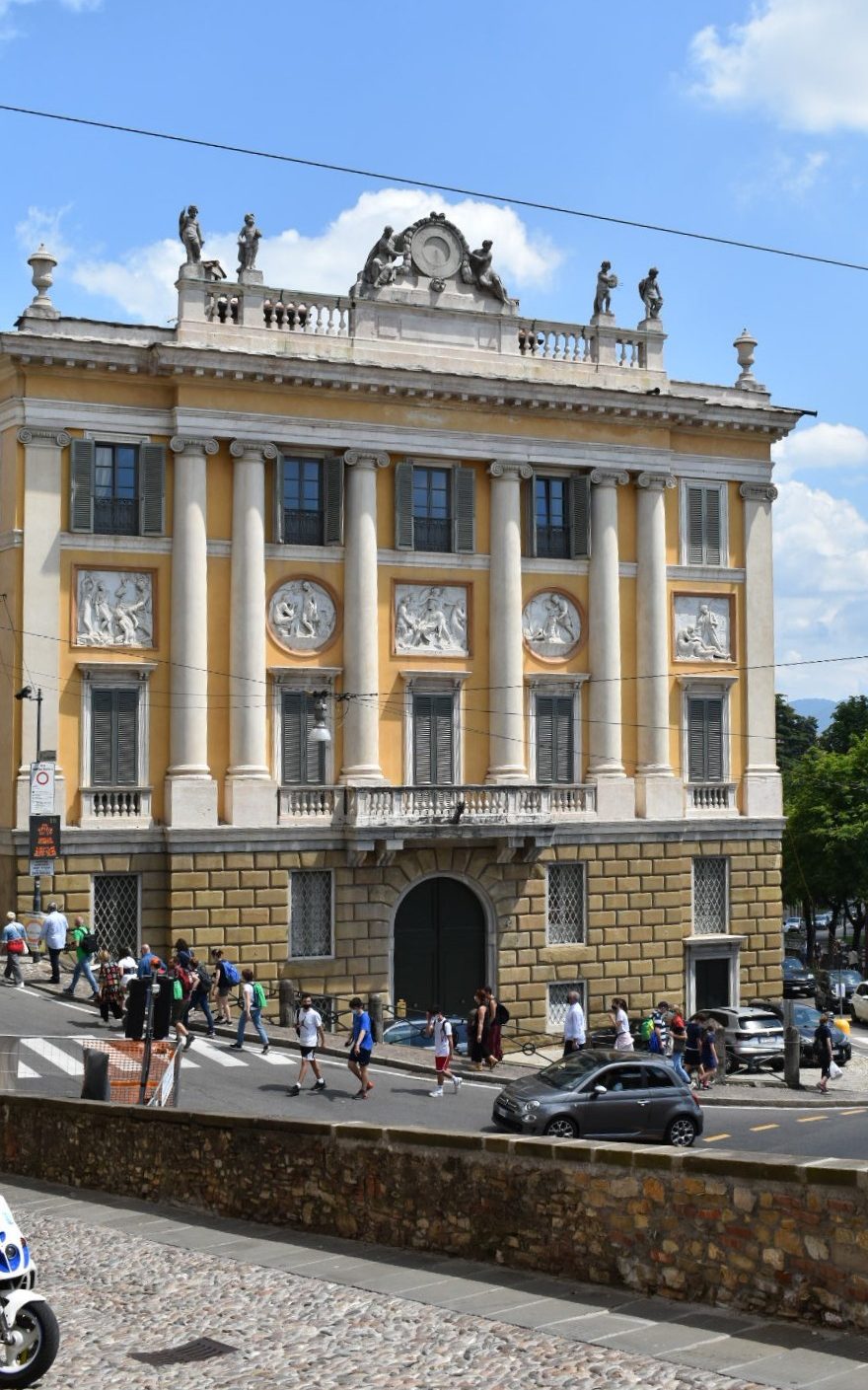
Palazzo Medolago Albani
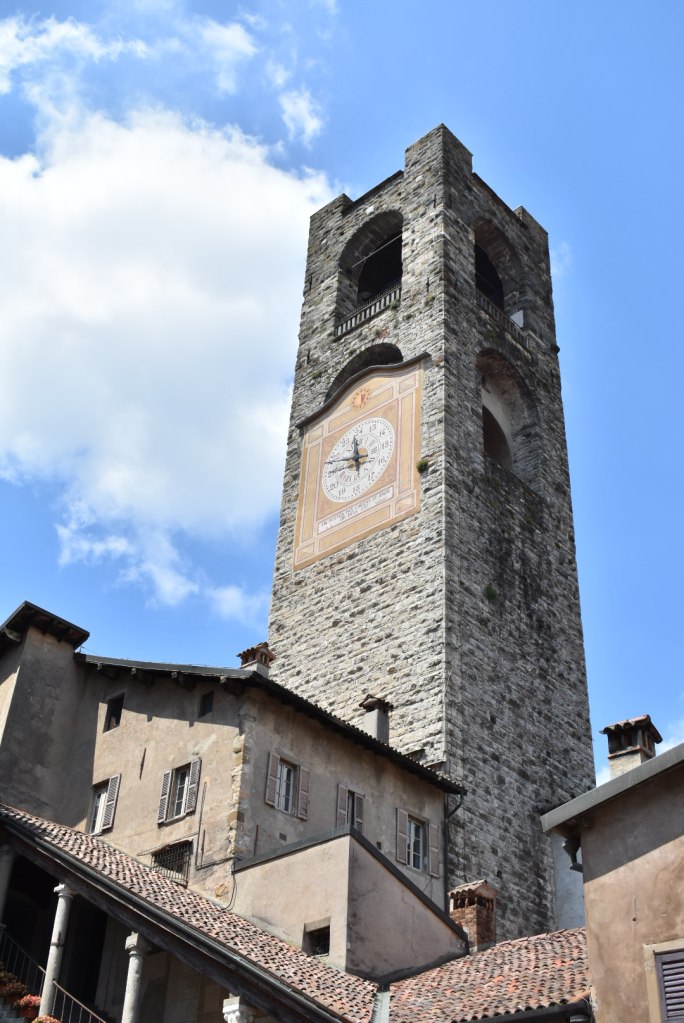
Torre Civica – Campanone
Street view

What to eat

There are so many brilliant little bakeries and café’s you really can’t go wrong.

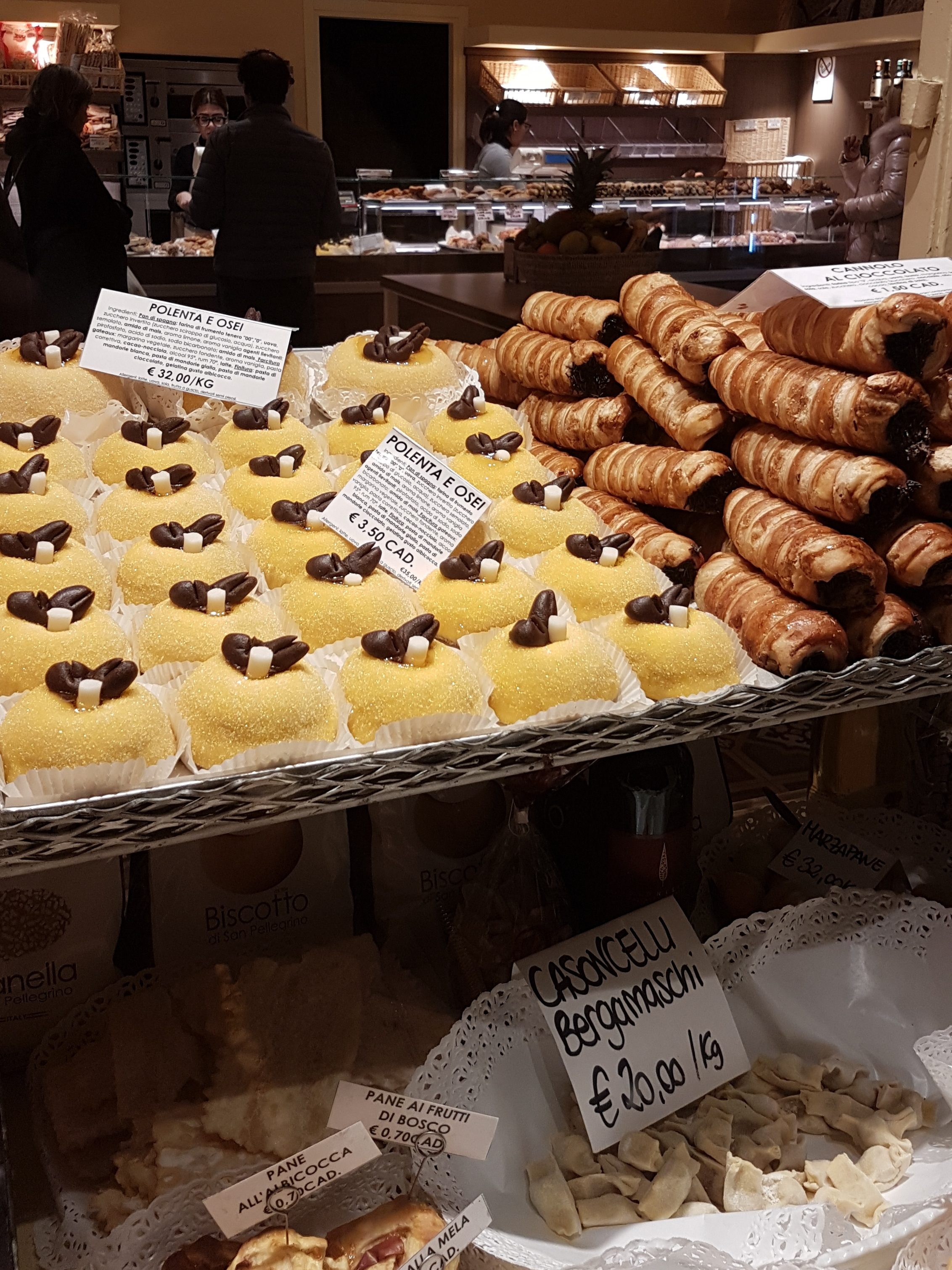
The two things that you should try whilst you’re here are the Casoncelli Bergamaschi which are pasta filled with a mixture of bread crumbs, egg, parmesan, ground beef, salami or sausage. These are usually served in a butter and sage sauce and are quite a simple dish but full of flavour. You’ll find this at pretty much every restaurant. Another thing to try is the polenta cake which I found a bit too sweet for me but still nice. If you like marzipan you will love this.

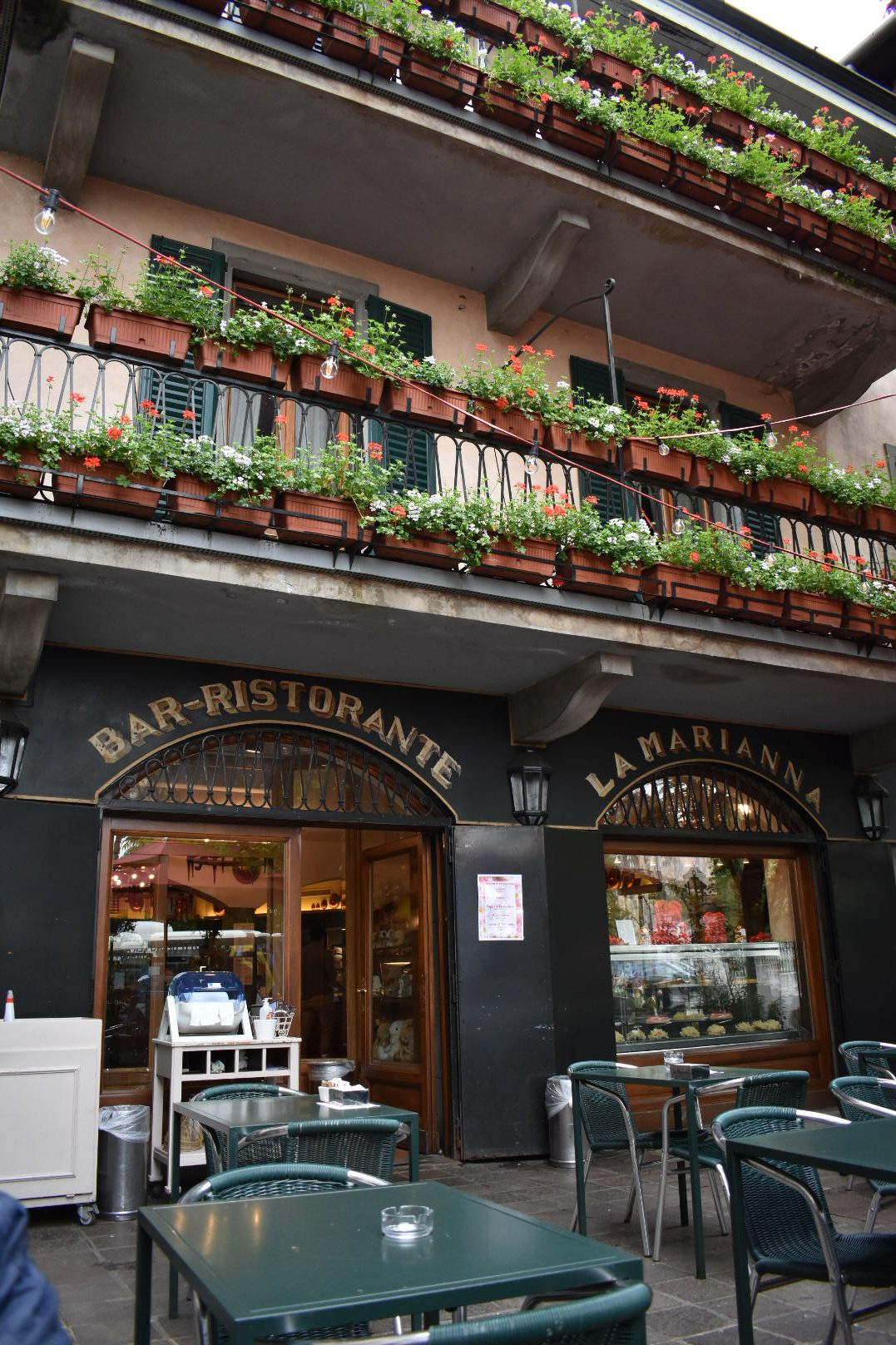
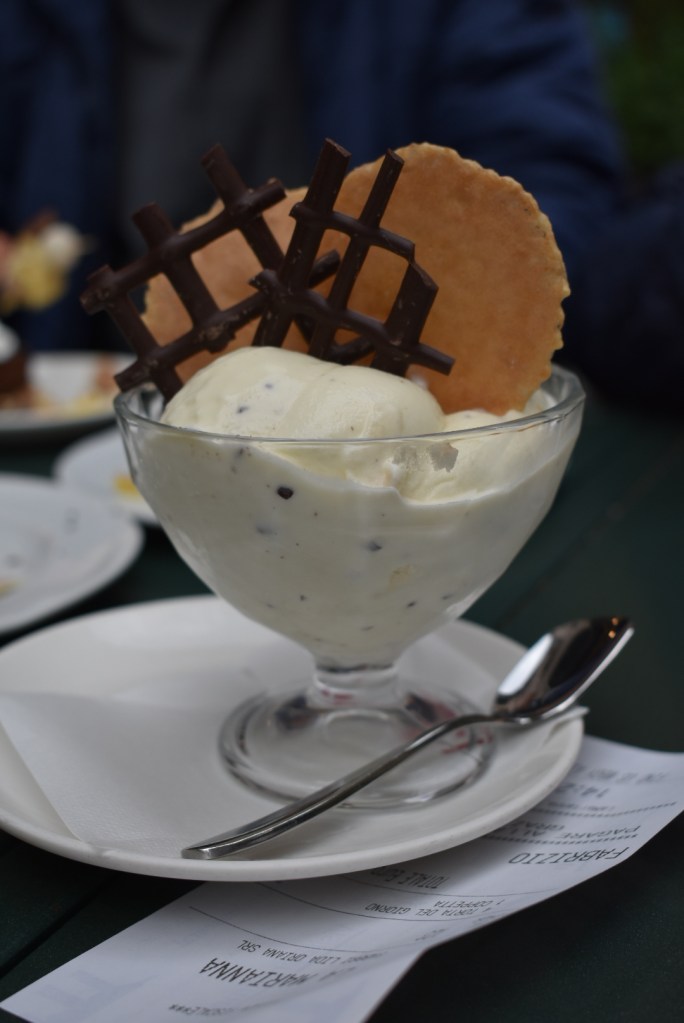
Another dessert to try, is the stracciatella icecream from La Marianna, it is where it was first created and they continue to make it in the same way.

La Marianna

Getting around

The funicular is the best and quickest option but you can also take the bus, numbers 1 and 1A take you to upper Bergamo. From Bergamo airport, you can reach the city by taking the Airport bus.

Upper Bergamo as well as the centre of Lower Bergamo are limited traffic areas. On Sundays and public holidays car traffic is prohibited from 10am – 12pm and 2pm – 7pm. With daylight savings time, access is also banned Friday and Saturday from 9pm to 1am.

Information point – the office is on Via Gombito, 13. It is open from Monday to Thursday 9am – 1pm and 1:30pm to 5:30pm; and Friday to Sunday from 9am – 5:30pm.

Hope you enjoyed this post! Happy exploring!!

Michelin starred restaurants in Milan

Buongiorno!

Following on from my recent post about Milan, I wanted to share this list of all the restaurants in Milan that currently have Michelin stars (as of 2021). I have included price ranges and the link to each restaurant’s website for ease.

And just in case you haven’t seen my previous posts, here are the links! 🙂

Buon appetito!!

Three stars

  • Enrico Bartolini al Mudec (Creative)
    Price range: 150 – 250 euros

https://www.enricobartolini.net/ristorante-mudec-milano

Two stars

  • Seta by Antonio Guida (Creative)
    Price range: 70 – 230 euros

https://www.mandarinoriental.com/milan/la-scala/fine-dining/restaurants/italian-cuisine/seta

  • Il Luogo di Aimo e Nadia (Contemporary italian cuisine, Modern)
    Price range: 115 – 250 euros

https://aimoenadia.com/

One star

  • IT Milano (Contemporary, Mediterranean)
    Price range: 41 – 89 euros

https://www.itrestaurants.com/

  • Cracco (Modern, Contemporary)
    Price range: 131 – 195 euros

https://www.ristorantecracco.it/en/

  • Joia (Vegetarian)
    Price range: 50 – 130 euros

http://www.joia.it/

  • Viva Viviana Varese (Creative)
    Price range: 45 – 150 euros

https://www.vivavivianavarese.it/en/viva-restaurant/

  • AALTO (Contemporary asian, Modern)
    Price range: 80 – 135 euros

https://www.aalto-restaurant.com/en/

  • Berton (Creative)
    Price range: 45 – 150 euros

https://www.ristoranteberton.com/

  • L’Alchimia (Creative)
    Price range: 60 – 90 euros

https://ristorantelalchimia.com/

  • Tano Passami l’Olio (Creative, Modern)
    Price range: 35 – 145 euros

https://www.tanopassamilolio.it/

  • Iyo (Japanese cuisine)
    Price range: 70 – 130 euros

https://www.iyo.it/

  • Contraste (Modern)
    Price range: 130 – 160 euros

http://www.contrastemilano.it/

  • Sadler (Creative)
    Price range: 100 – 150 euros

https://sadler.it/

  • Innocenti Evasioni (Creative)
    Price range: 58 – 89 euros

https://innocentievasioni.com/