5 days in Puglia

Hello!!

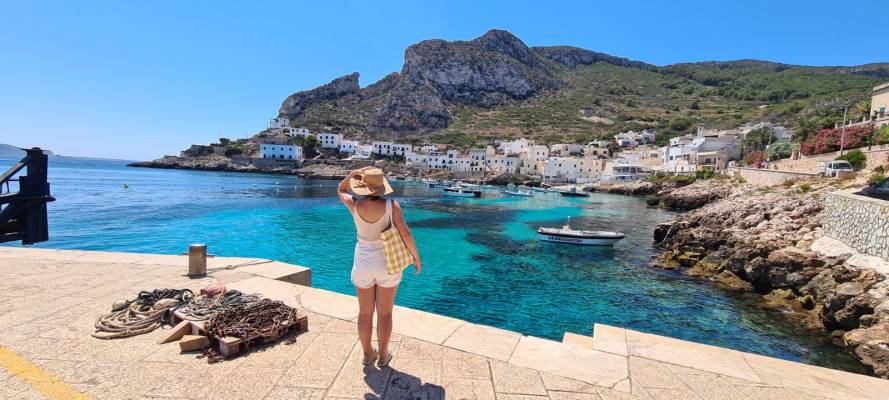
A couple of months ago, I visited the beautiful region of Apulia in southern Italy (Puglia in Italian) and it was amazing! If you’re looking for a budget-friendly holiday destination with fantastic food that will have you living out all your main character dreams, you need to add this to your list. This is what we got up to!
  1. Day 1 – Bari to Monopoli
    1. How do I get to Puglia?
  2. Monopoli
    1. Places to visit in Monopoli
  3. Day 2 – Alberobello
    1. The Trulli
    2. How to get to Alberobello
  4. Day 3 – Polignano a Mare
    1. Places to visit in Polignano a mare:
  5. Day 4 – Back to Bari and a day trip to Matera, Basilicata
  6. Day 5 – Our last day in Puglia – Exploring Bari
    1. Things to see and do in Bari
  7. 5 things you must try whilst in Apulia (Puglia)

Day 1 – Bari to Monopoli

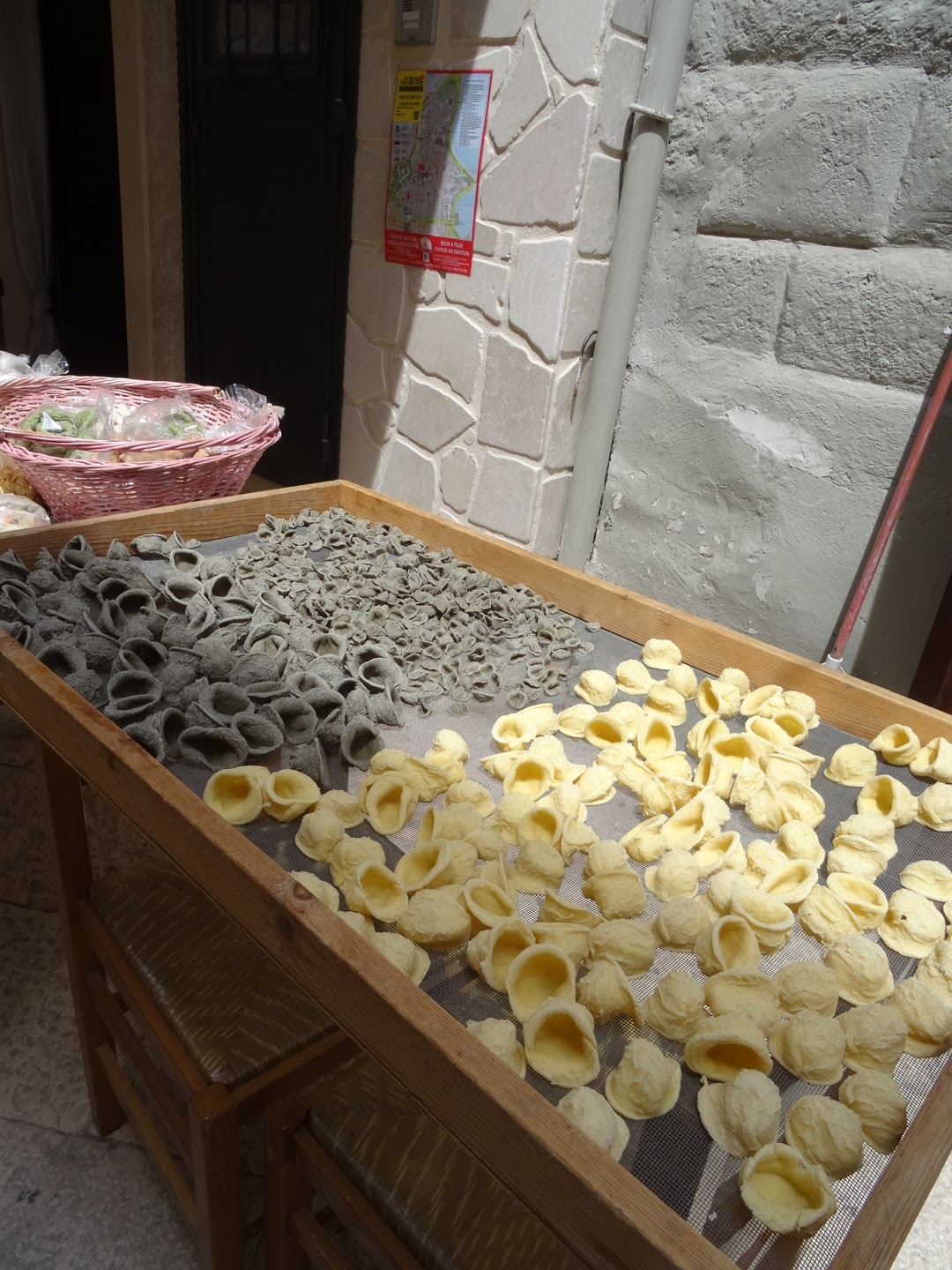
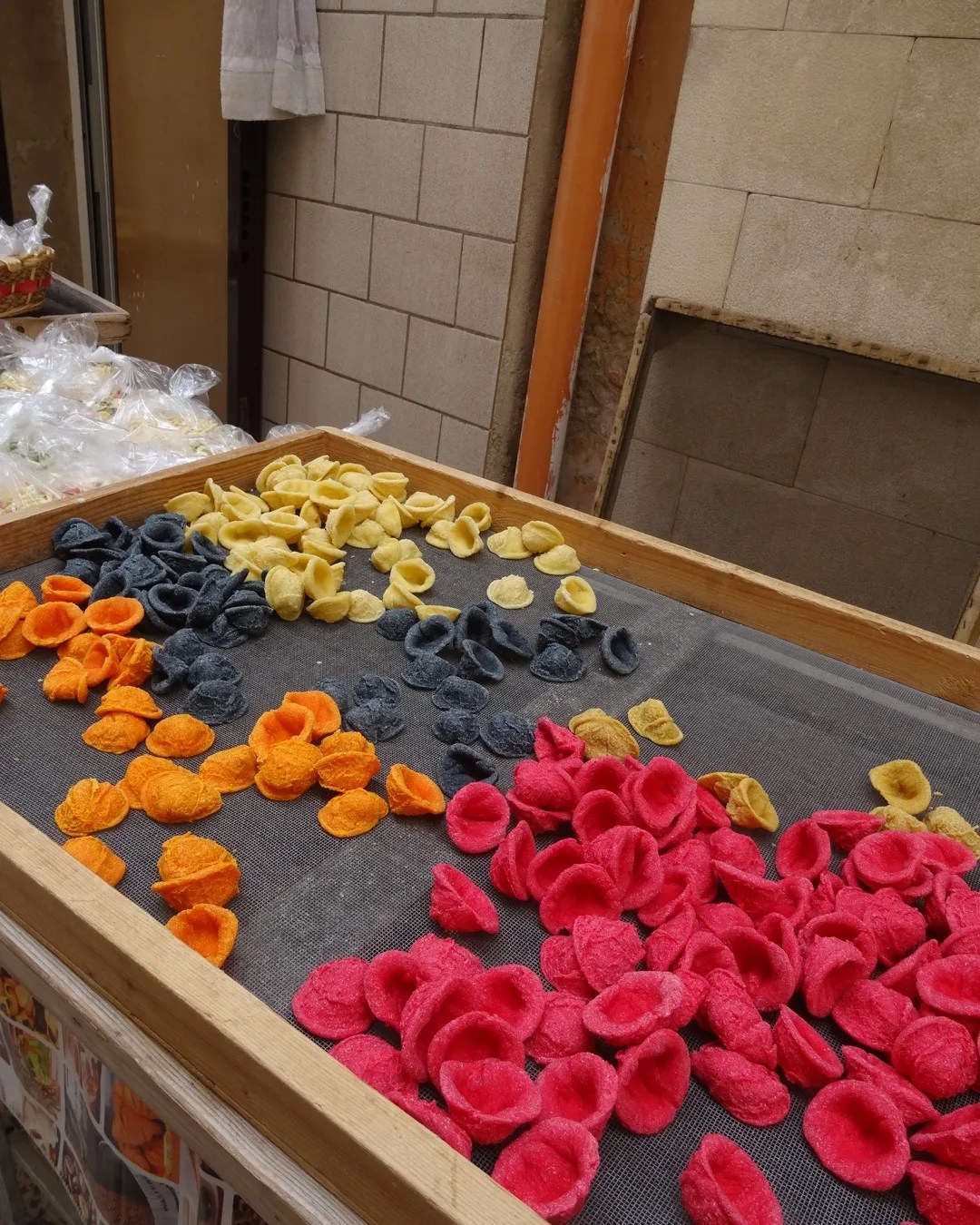
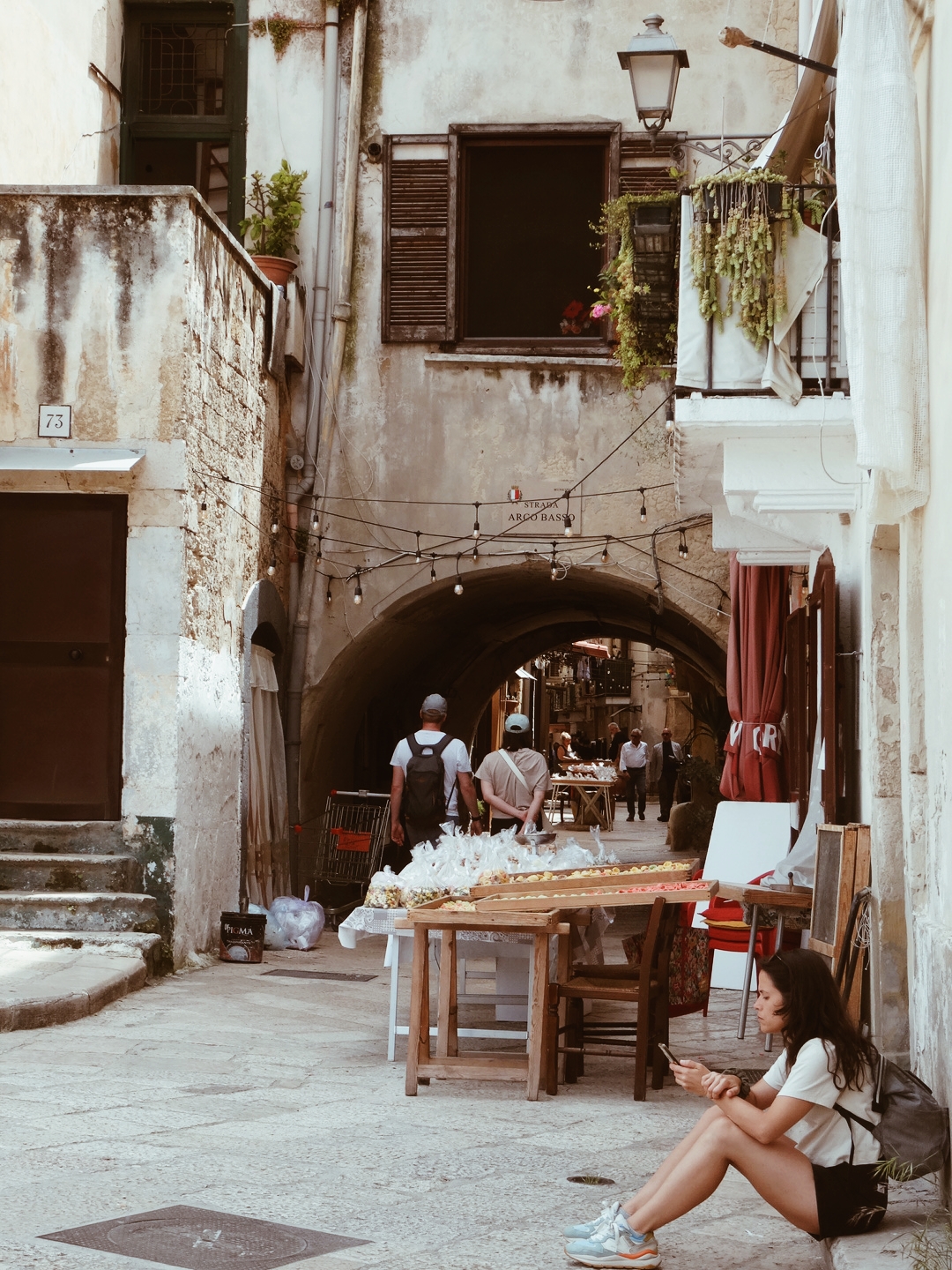
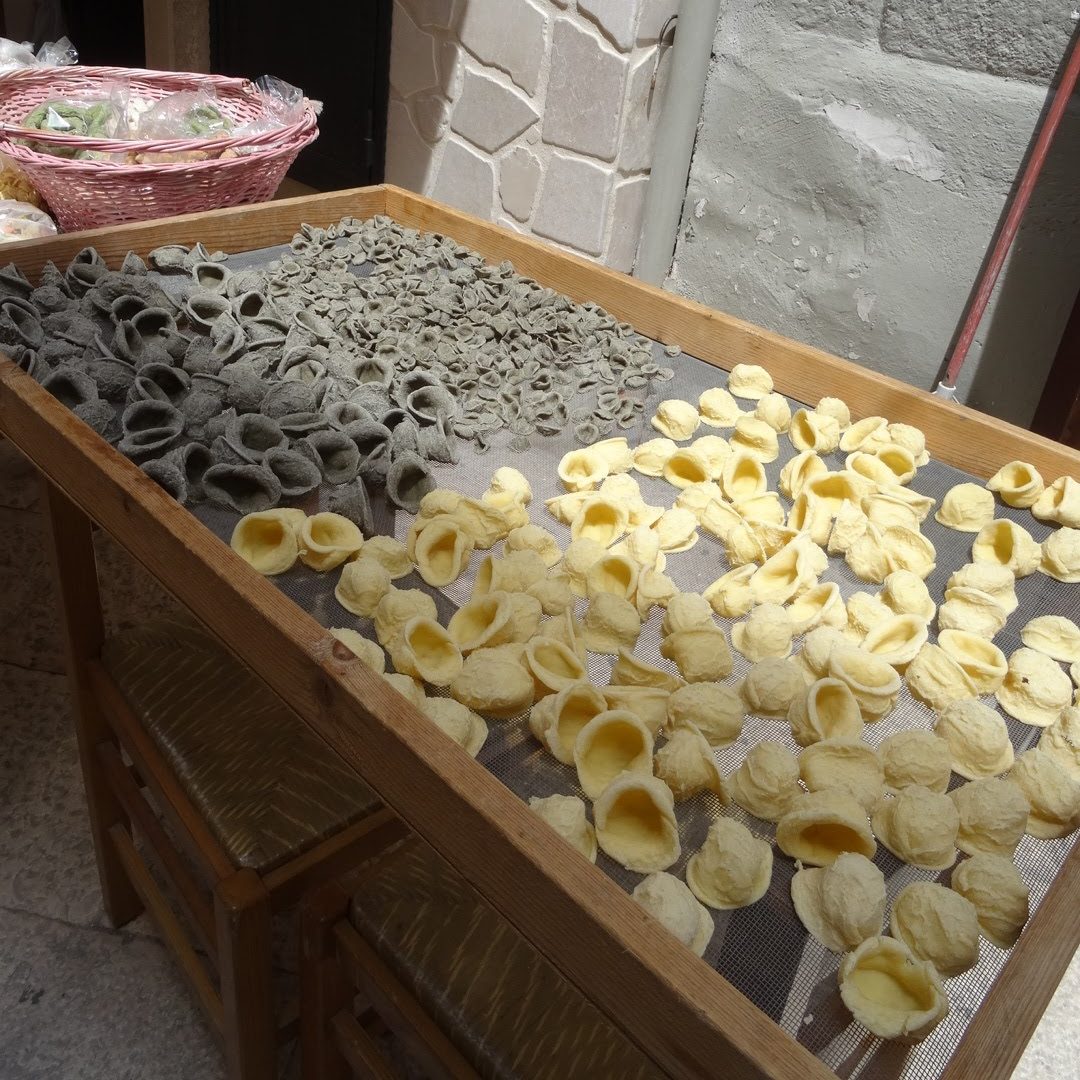
Puglia is a southern region forming the heel of Italy’s “boot,” and is known for its whitewashed hill towns and beautiful coastline. We started our trip in Bari, the capital of the region; a vibrant port and university town. The old town (Bari Vecchia), is a maze of narrow roads and white dry-stone wall buildings; local women sit outside their houses expertly moulding delicate orecchiette (little ears) whilst chatting and updating each other on the latest town gossip. You’ll see orecchiette made in varying sizes and colours; if you want to buy some get a bag of the traditional orecchiette which is small and pale in colour.
How do I get to Puglia?

We flew to Bari airport, but you can also fly to Brindisi airport and start your trip from there. From the airport, we took the train to Bari Centrale. The train station is next to the airport, and it took us around 20 minutes to reach the centre. Tickets cost €5.20 per person for a single trip.

Once we reached Bari, it was time to find something to eat! If you fancy something quick but quite filling, I recommend getting an octopus sandwich from one of the many sandwich shops around Bari; it’s so good! We had some time to spare, so we opted for a sit-down meal at La Tana del Polpo. I had seen quite a few people recommend this restaurant but it was a little disappointing, so I won’t go into any details.

After lunch, we returned to the station to take the train to Monopoli where we would be based for most of our trip.
Monopoli

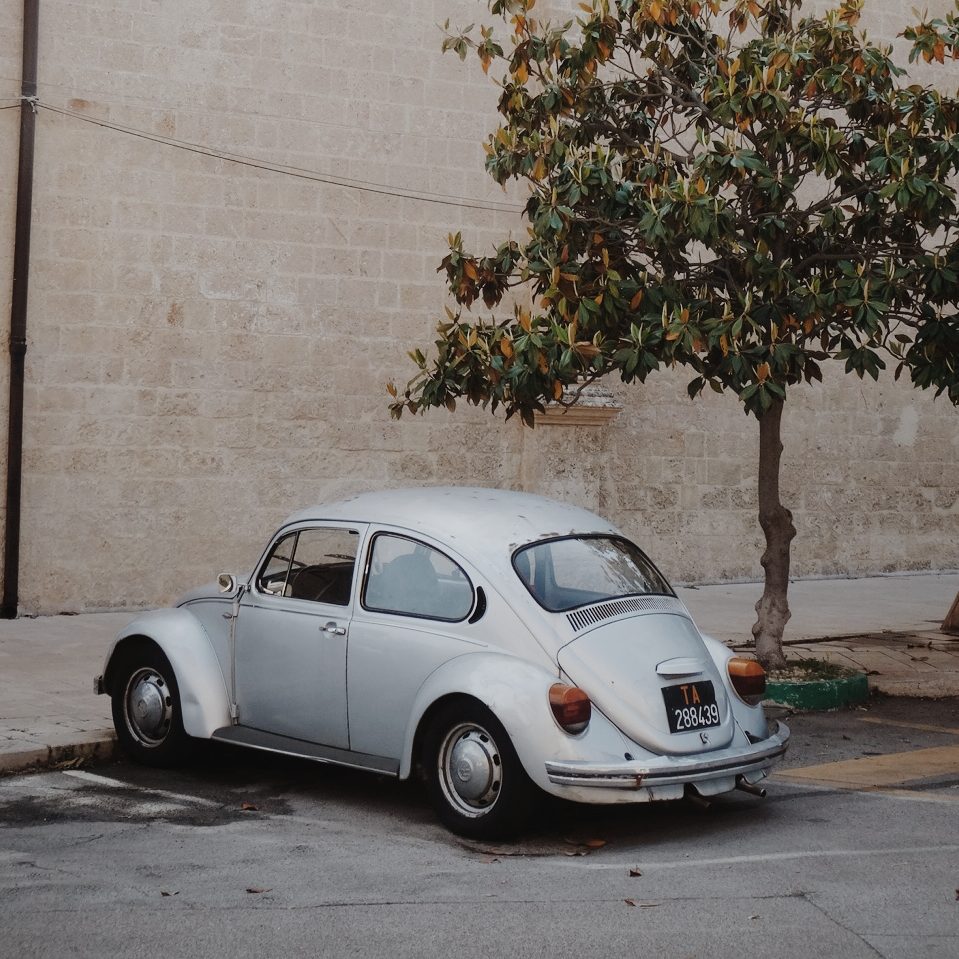
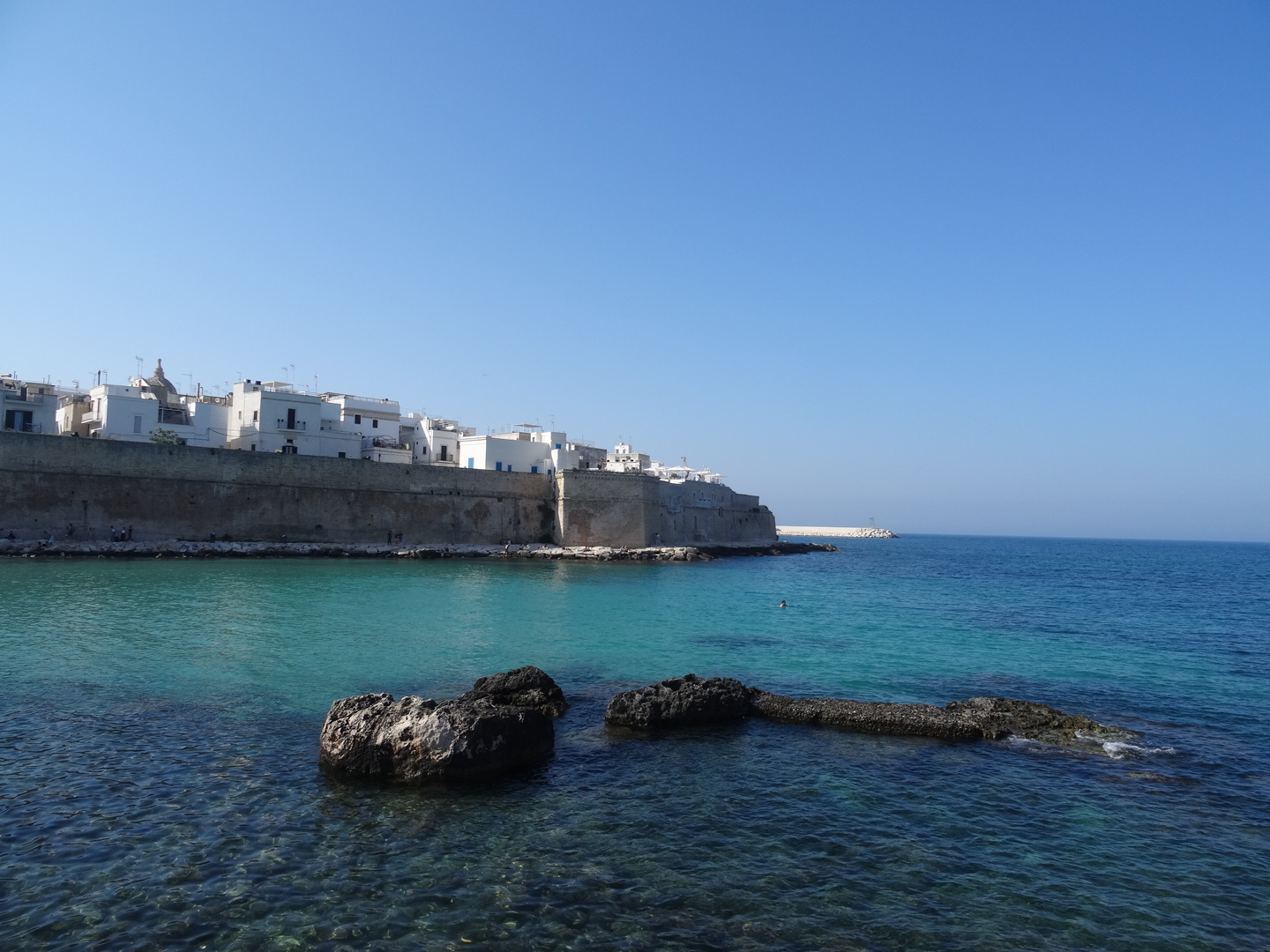
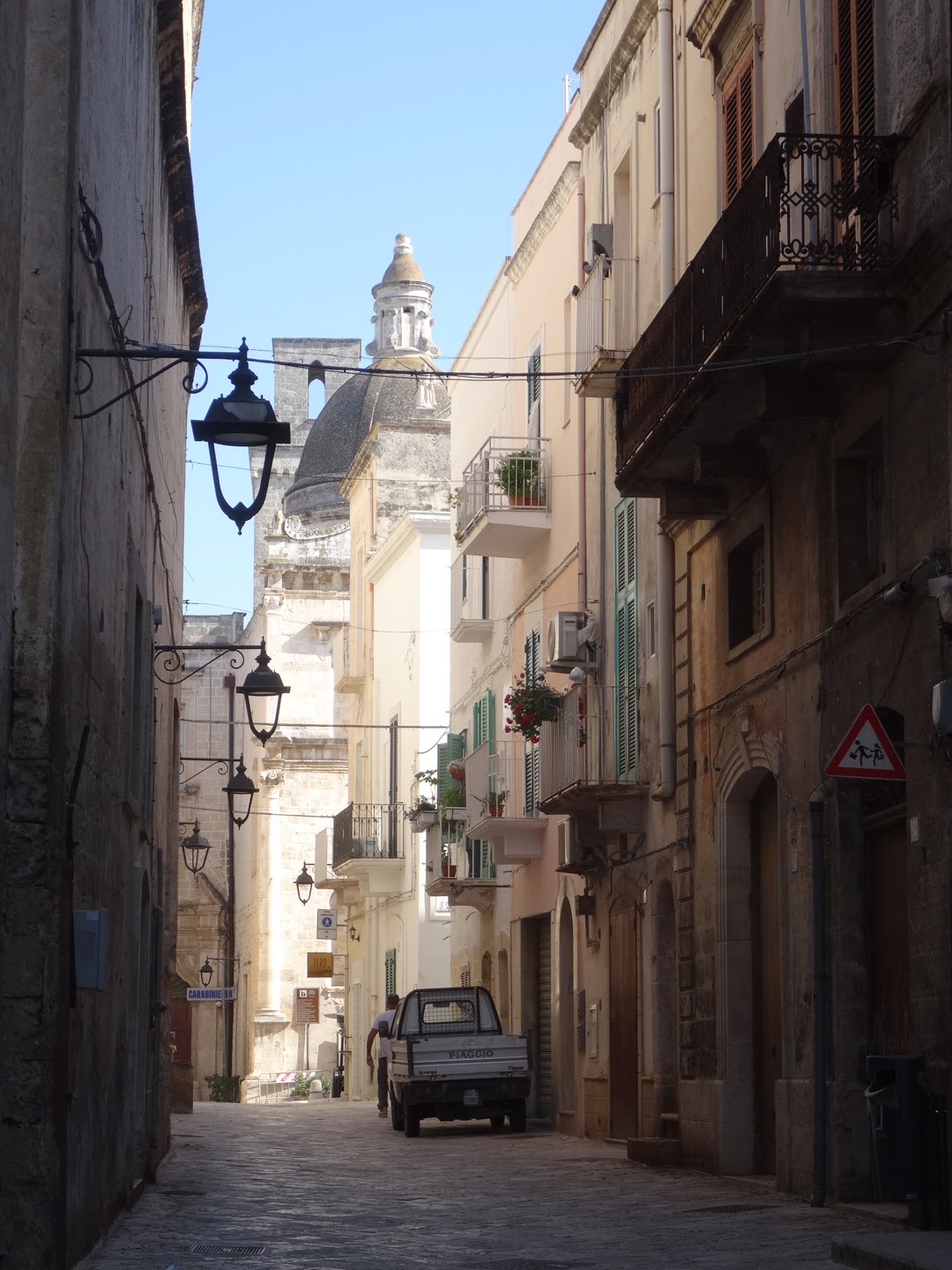
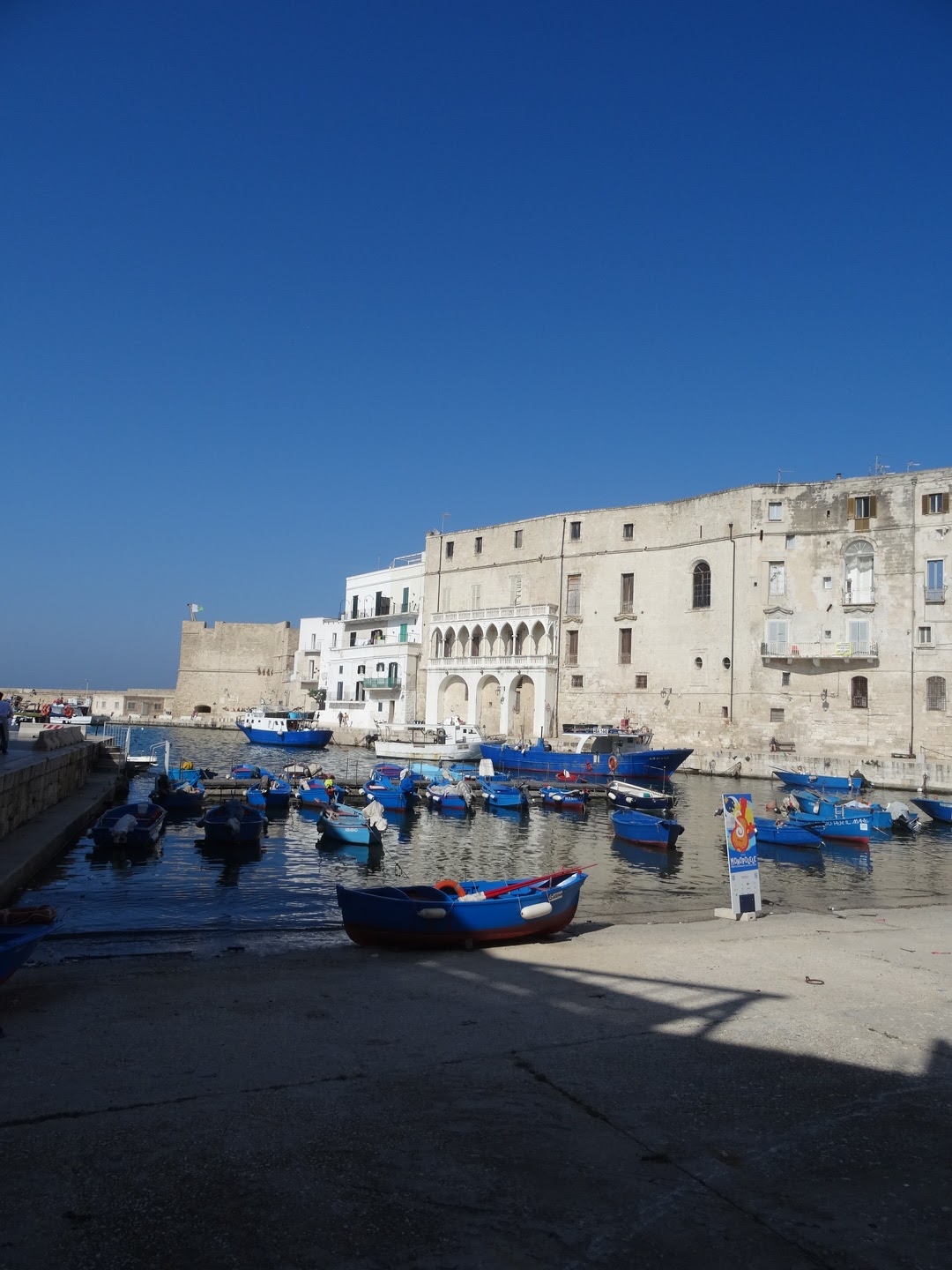
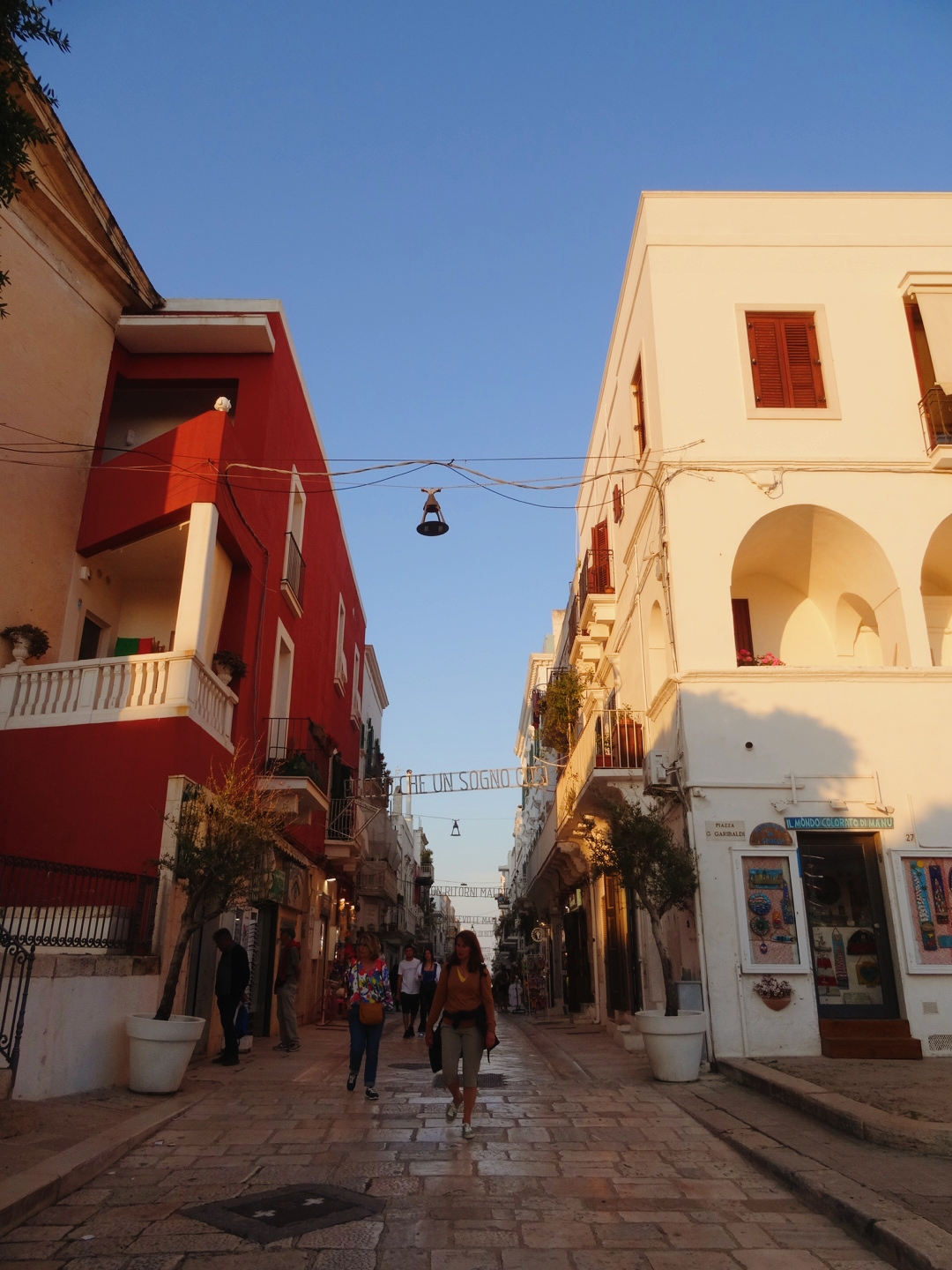
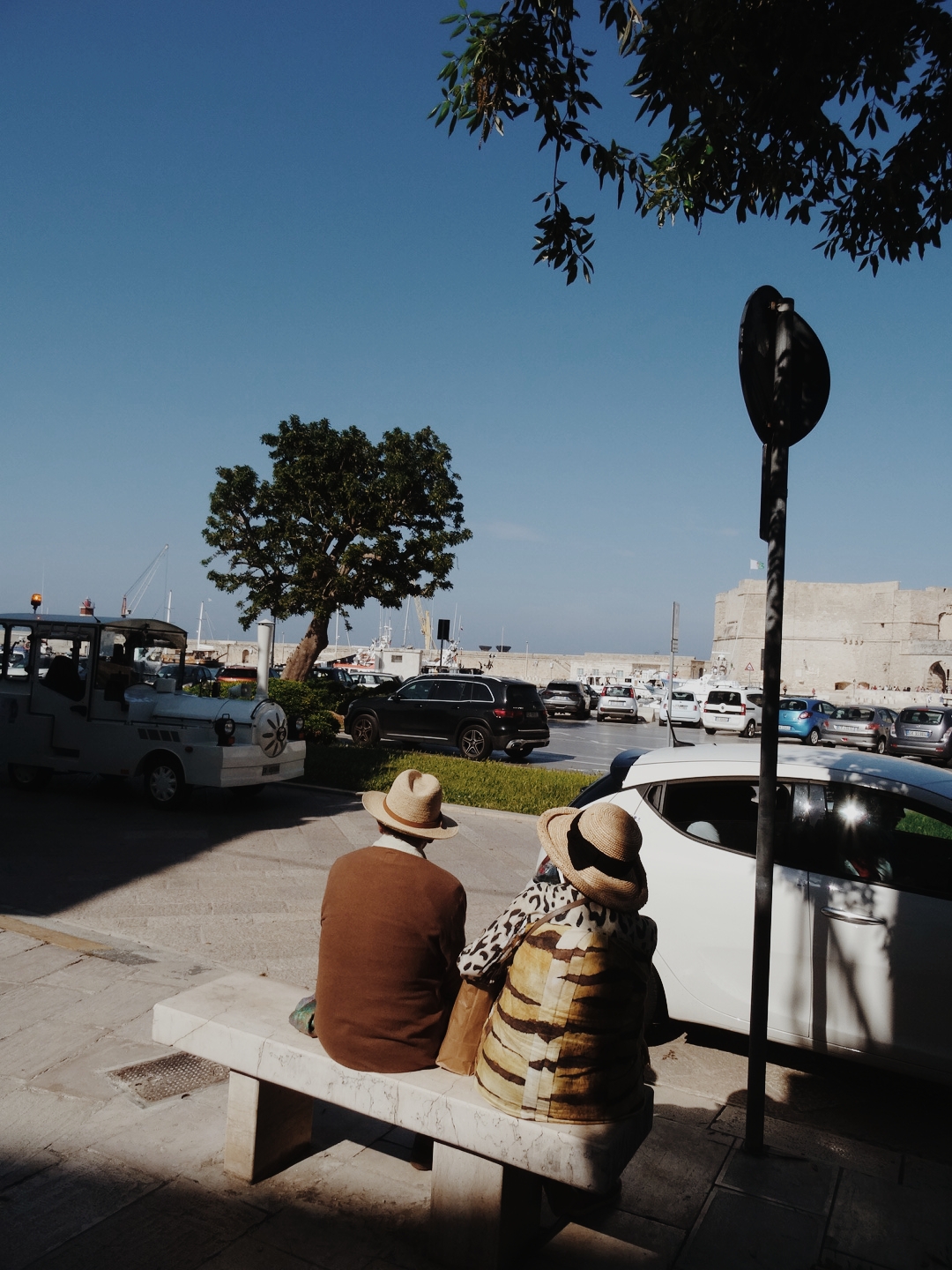
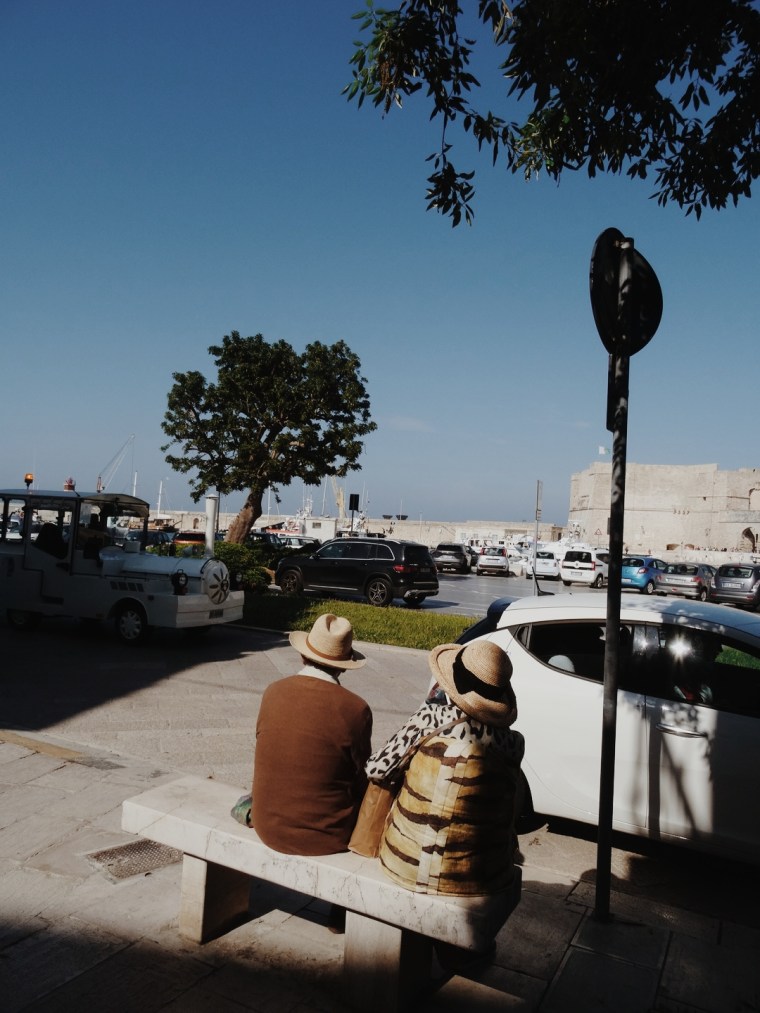
Monopoli is a short train ride away from Bari, great if you’re just planning to visit for the day. The train journey from Bari Centrale station to Monopoli station takes 25 minutes and costs €3.60 per person for a single journey. Monopoli is a beautiful city and is the city in Apulia that has the longest stretch of the Via Traiana. This is one of the most important Roman roads of the Empire. Often overlooked, but with its beautiful buildings, vintage cars and charming little blue fishing boats, you’ll love wandering around Monopoli.
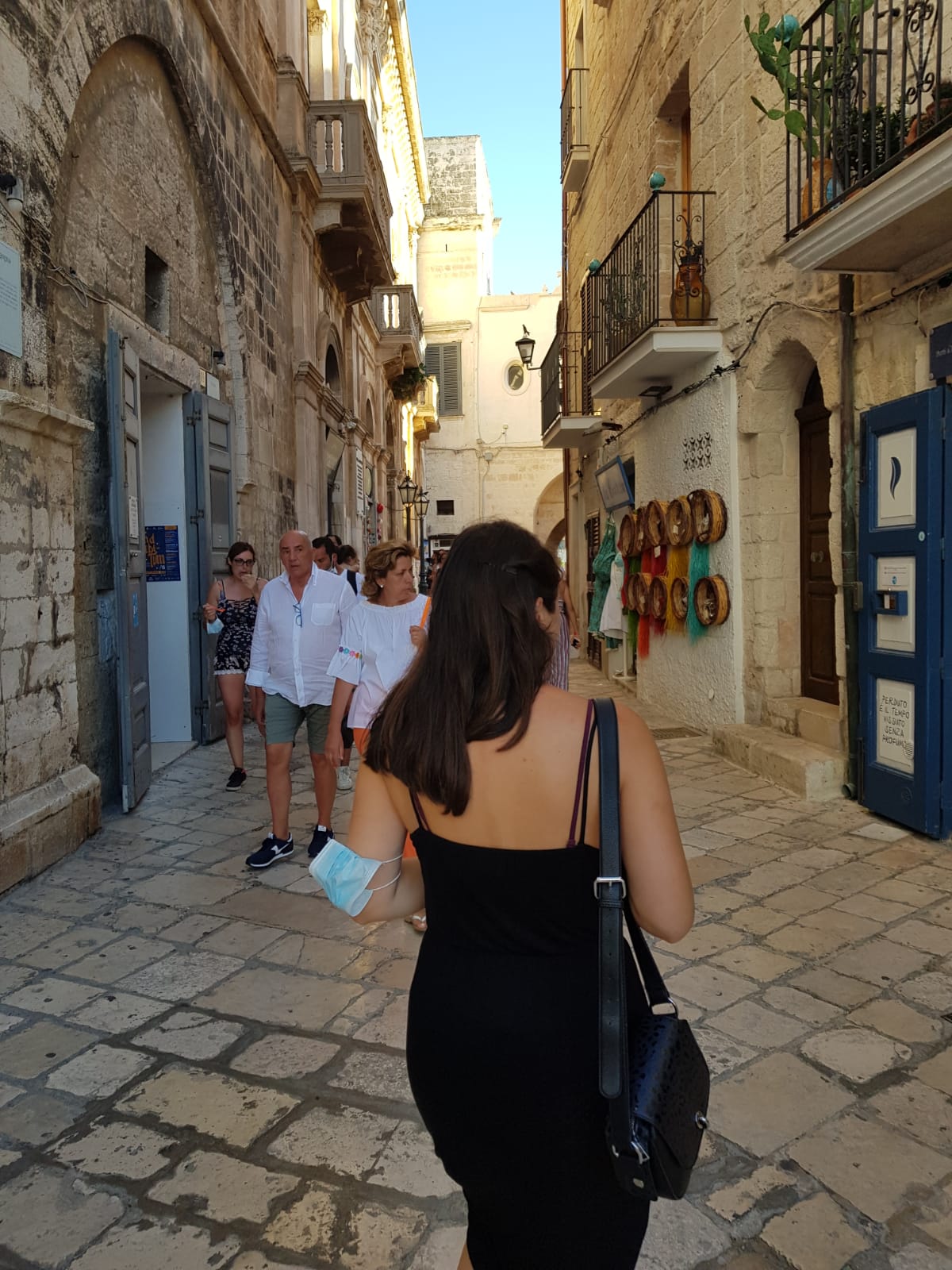
Places to visit in Monopoli

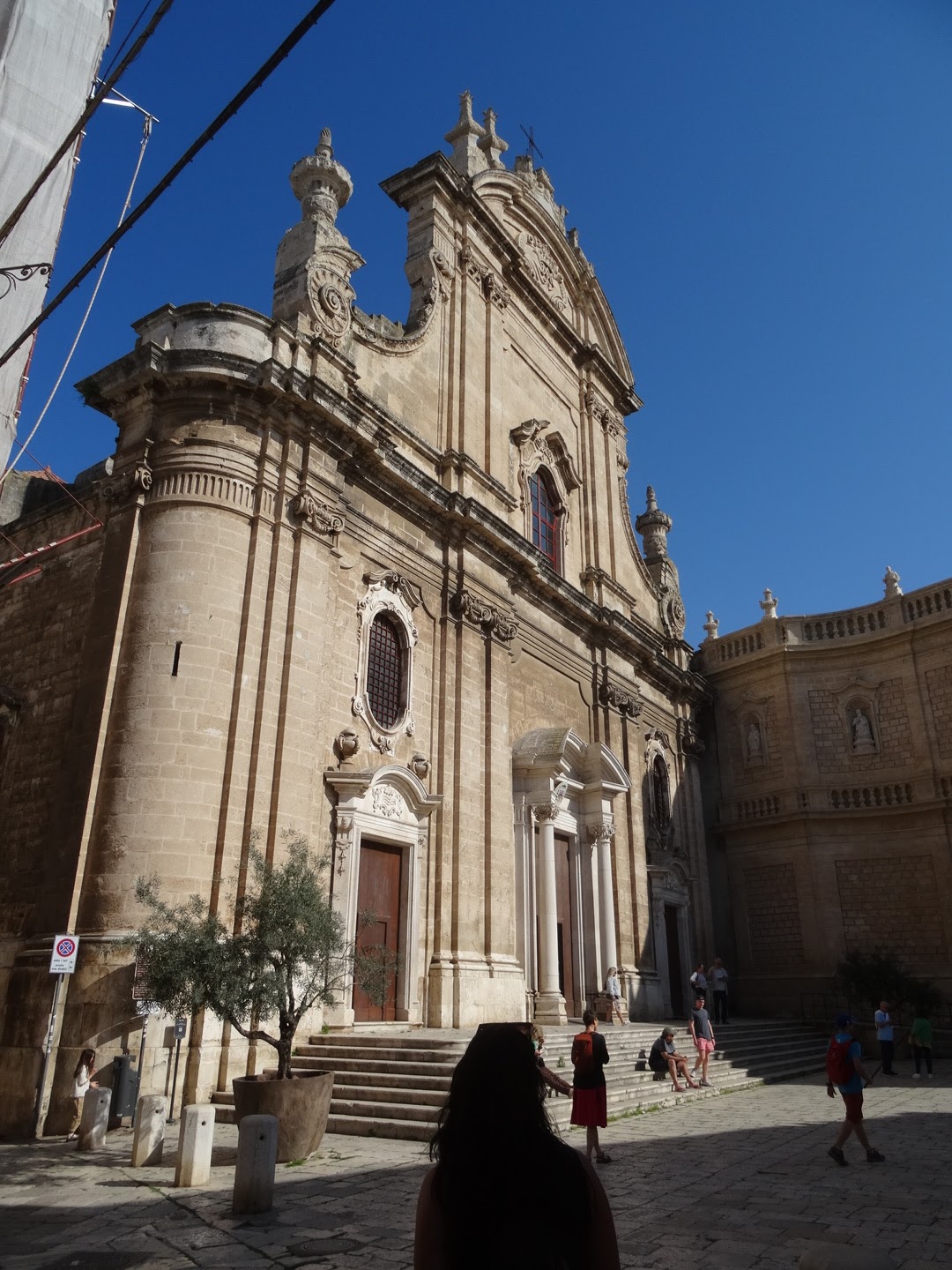
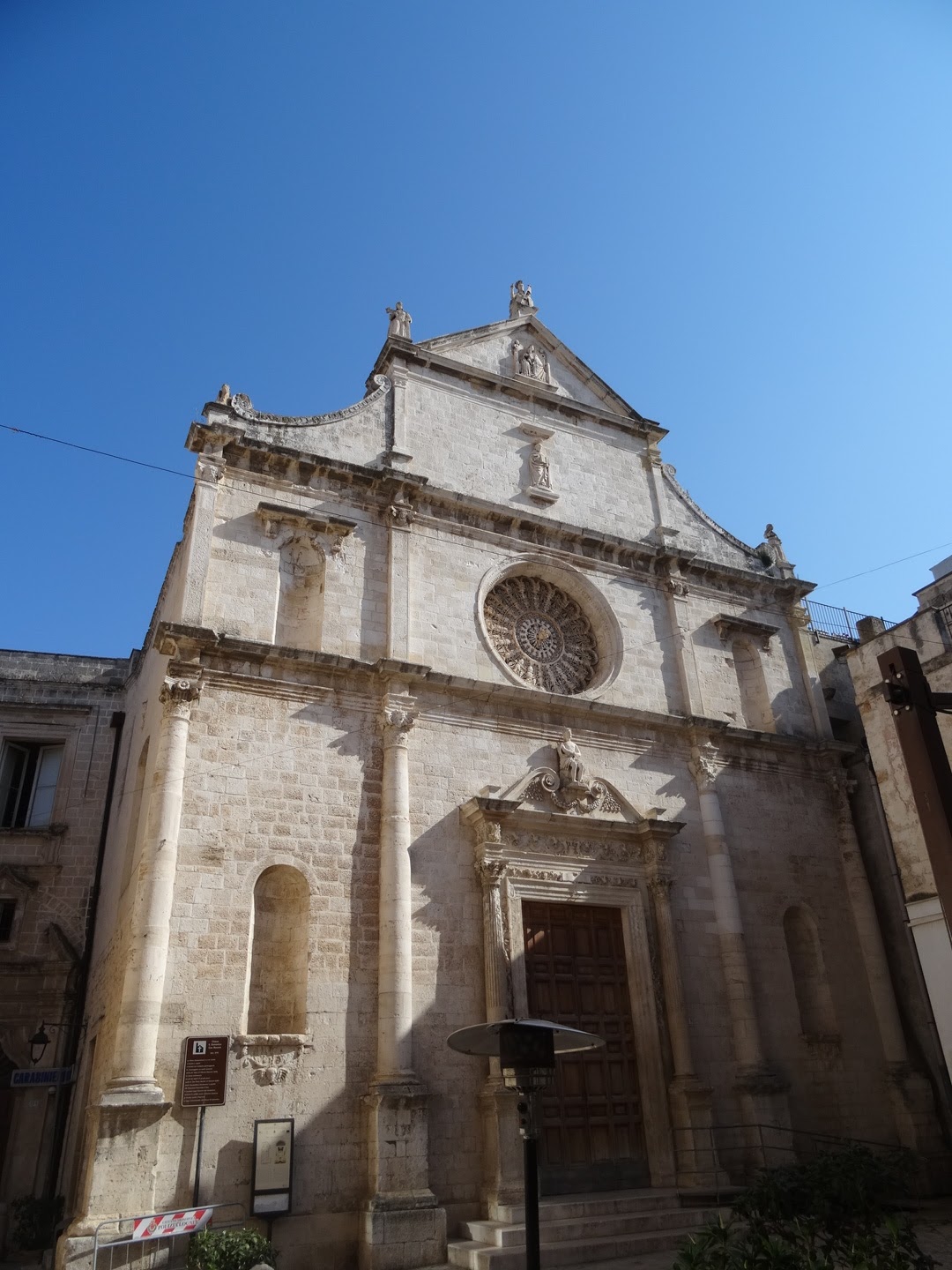
  • Cattedrale Maria Santissima della Madia
  • Castelo Carlo V
  • Porto Antico
  • Piazza Giuseppe Garibaldi
  • Museo e Sito Acheologico Cripta Romanica (Archaeological museum)
  • Cala Porta Vecchia (public beach)
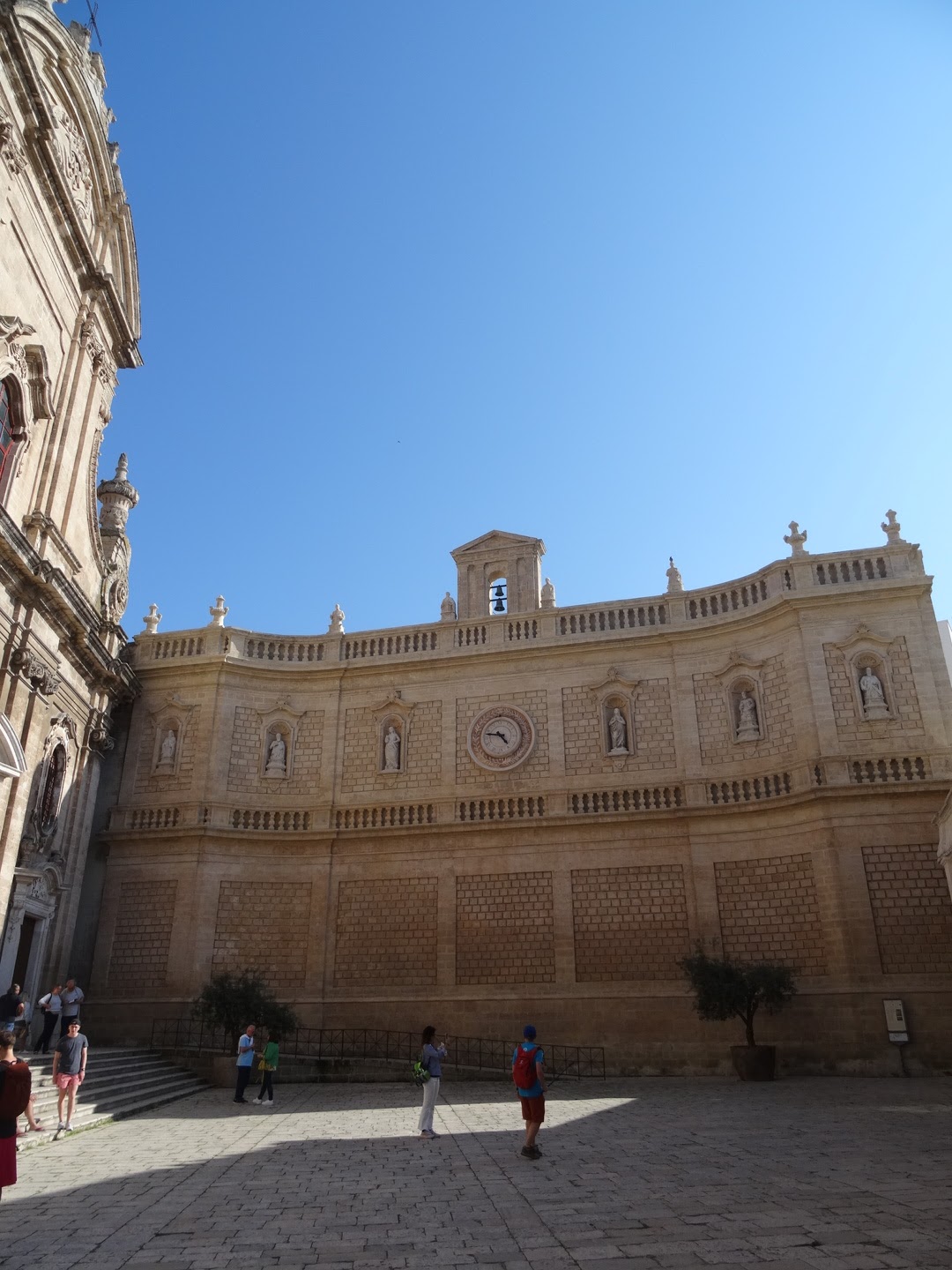
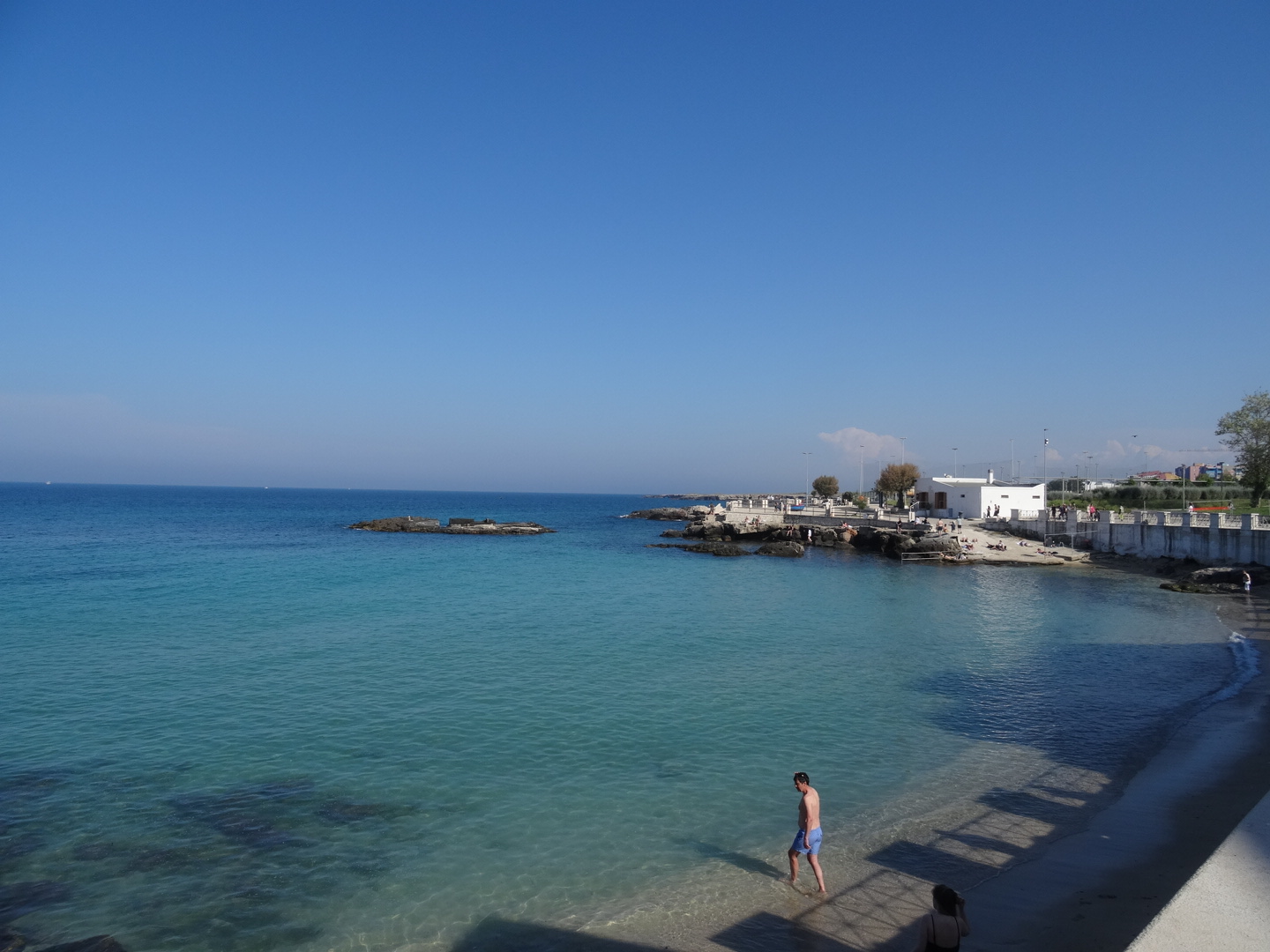
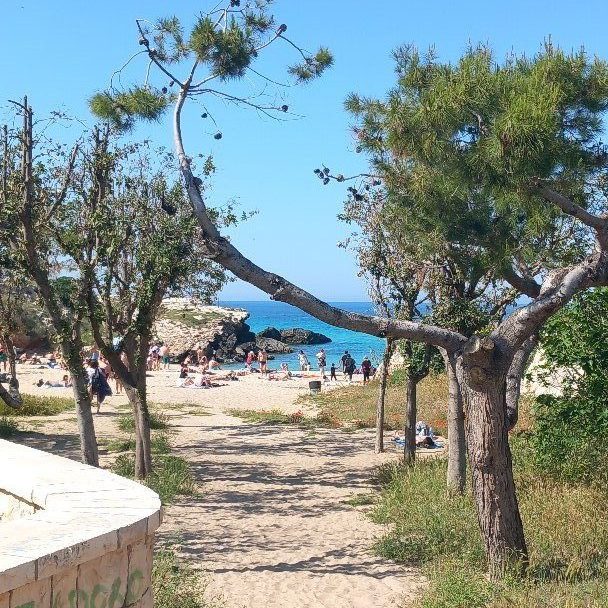
Whilst staying in Monopoli, the beach that we liked the most and that we could easily reach on foot (5 minutes from our Airbnb) was Porto Rosso. It’s small but a lot more comfortable than Cala Porta Vecchia which doesn’t get as many hours of sun and is also affected by the tide. Porto Rosso is around a 20-minute walk from the centre.
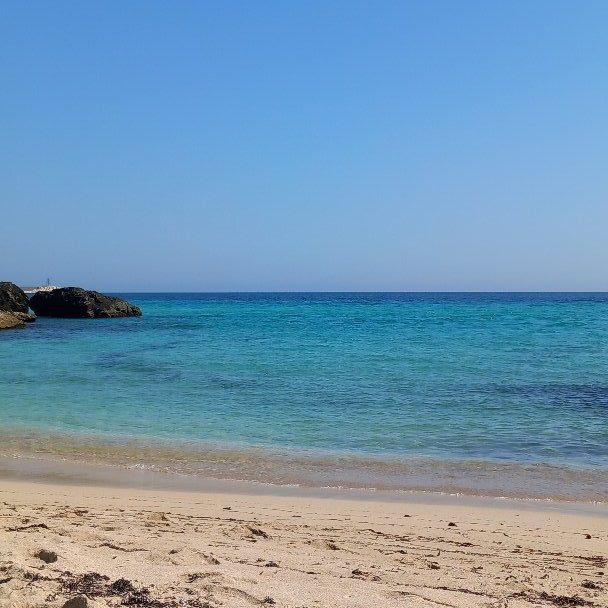
For dinner, we went to Trattoria La Locanda dei Mercanti. We loved it so much we went twice! It does get really busy so you might have to wait a bit to be seated but it’s worth it. We had orecchiette with tomato sauce (so simple, so tasty), grilled octopus, a plate of frittura mista which is a mix of fried seafood and to finish it all off the owner then gave us free dessert! It was called Sporcamuss which means dirty snout. They were little squares of pastry filled with custard and covered in powdered sugar which inevitably ends up all over your face, hence the name. The perfect way to end the day.

The restaurant is open every day except Wednesday, for lunch and dinner (closed for dinner on Sunday).

Day 2 – Alberobello

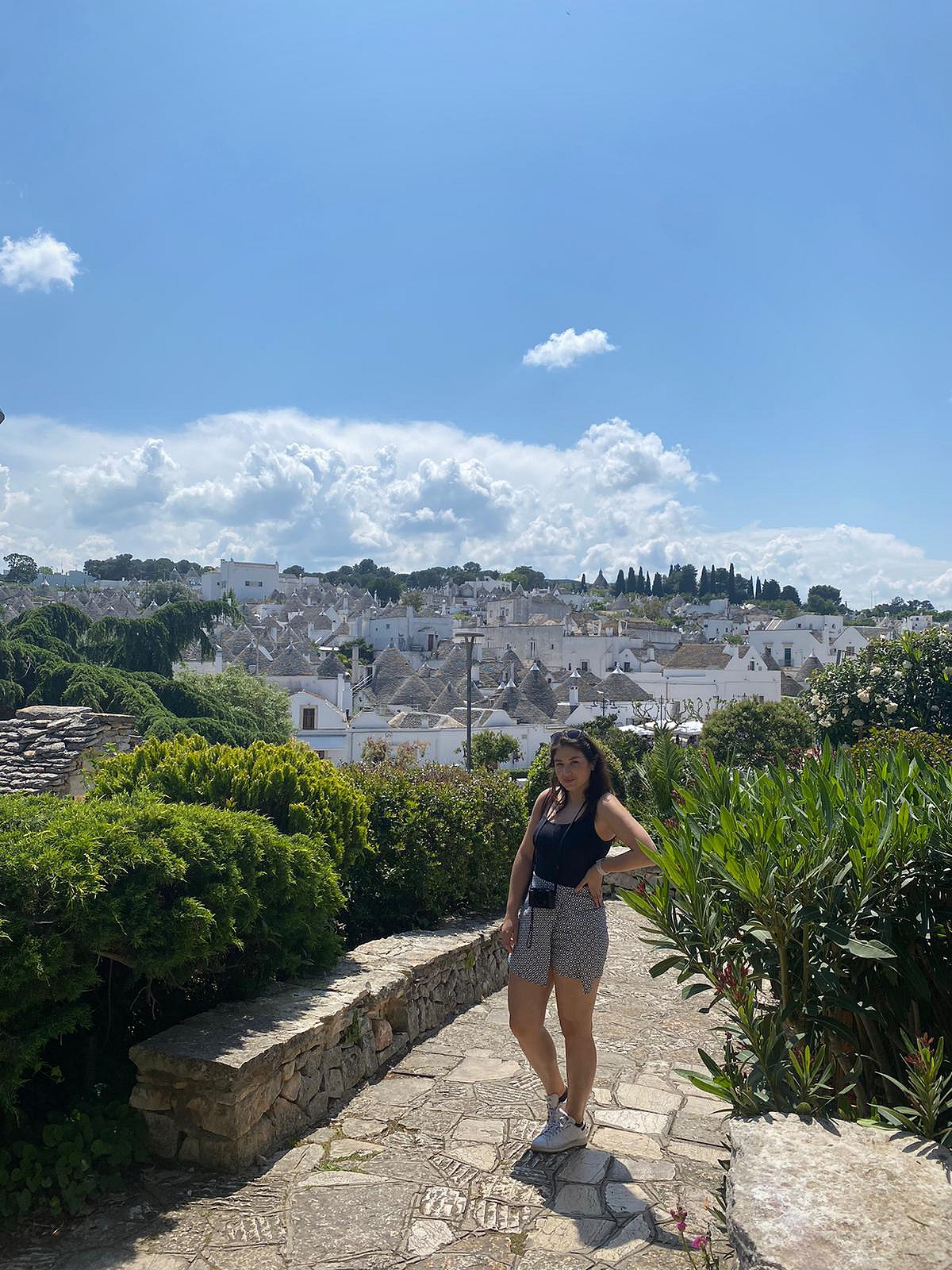
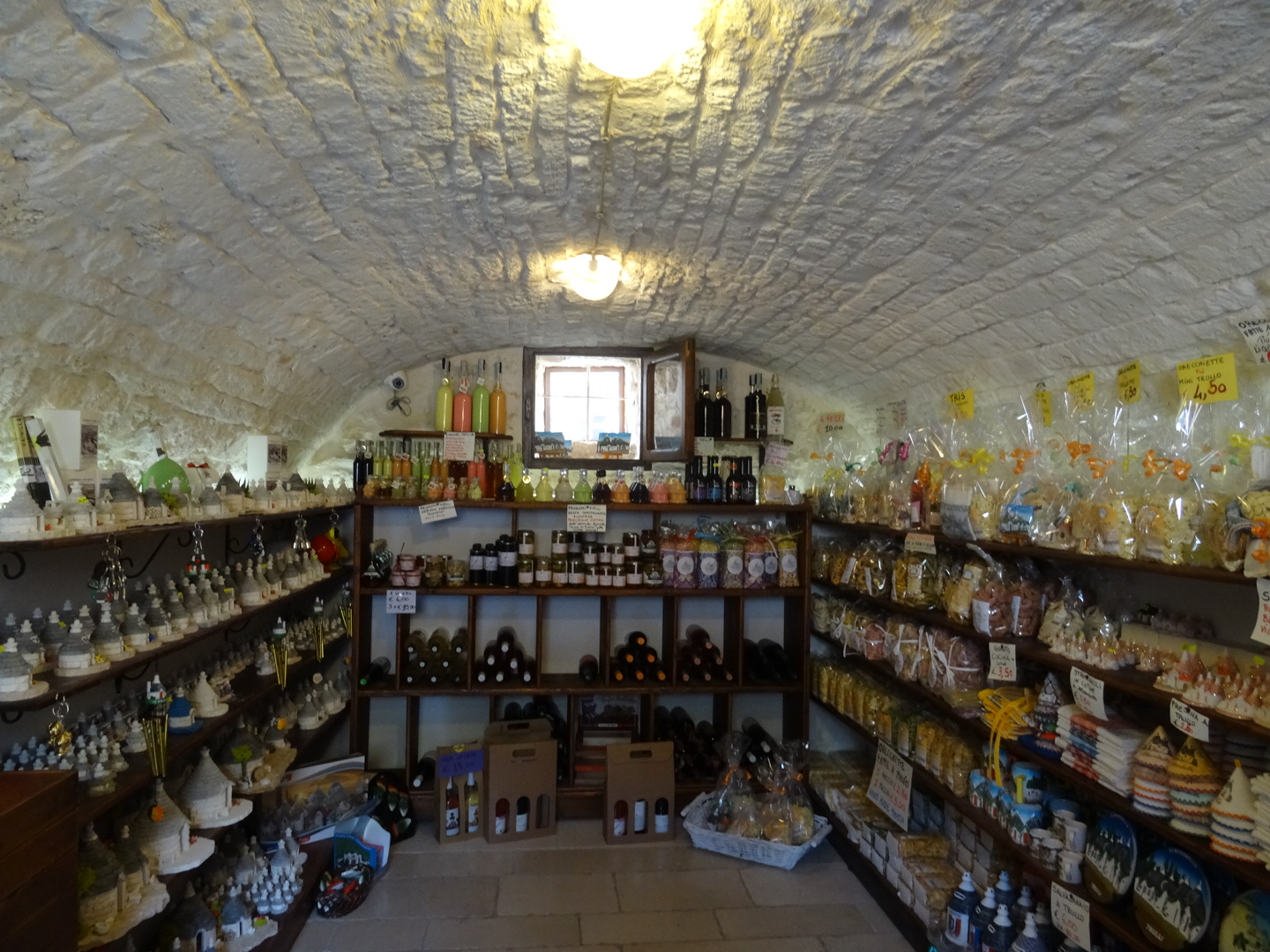
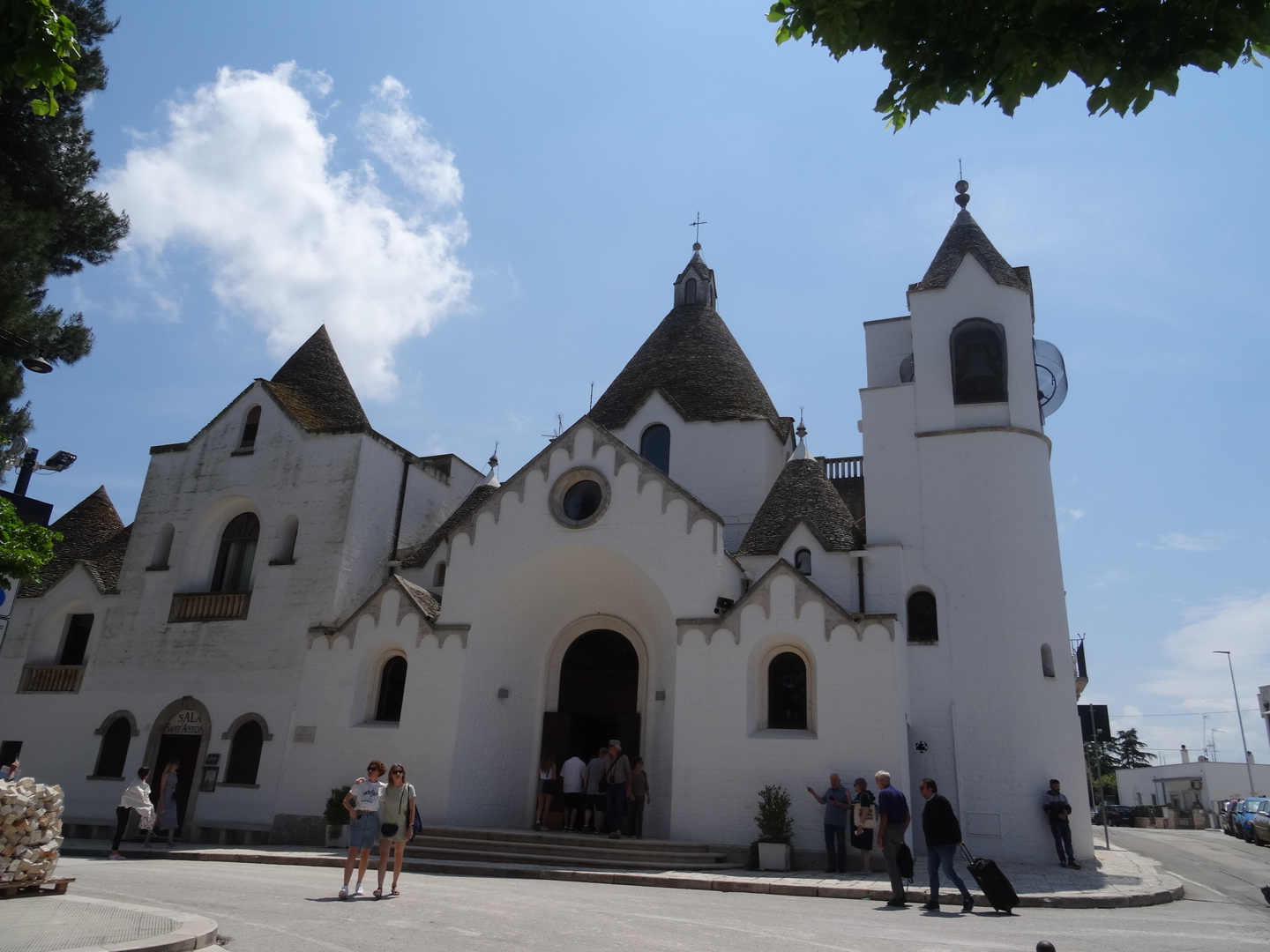
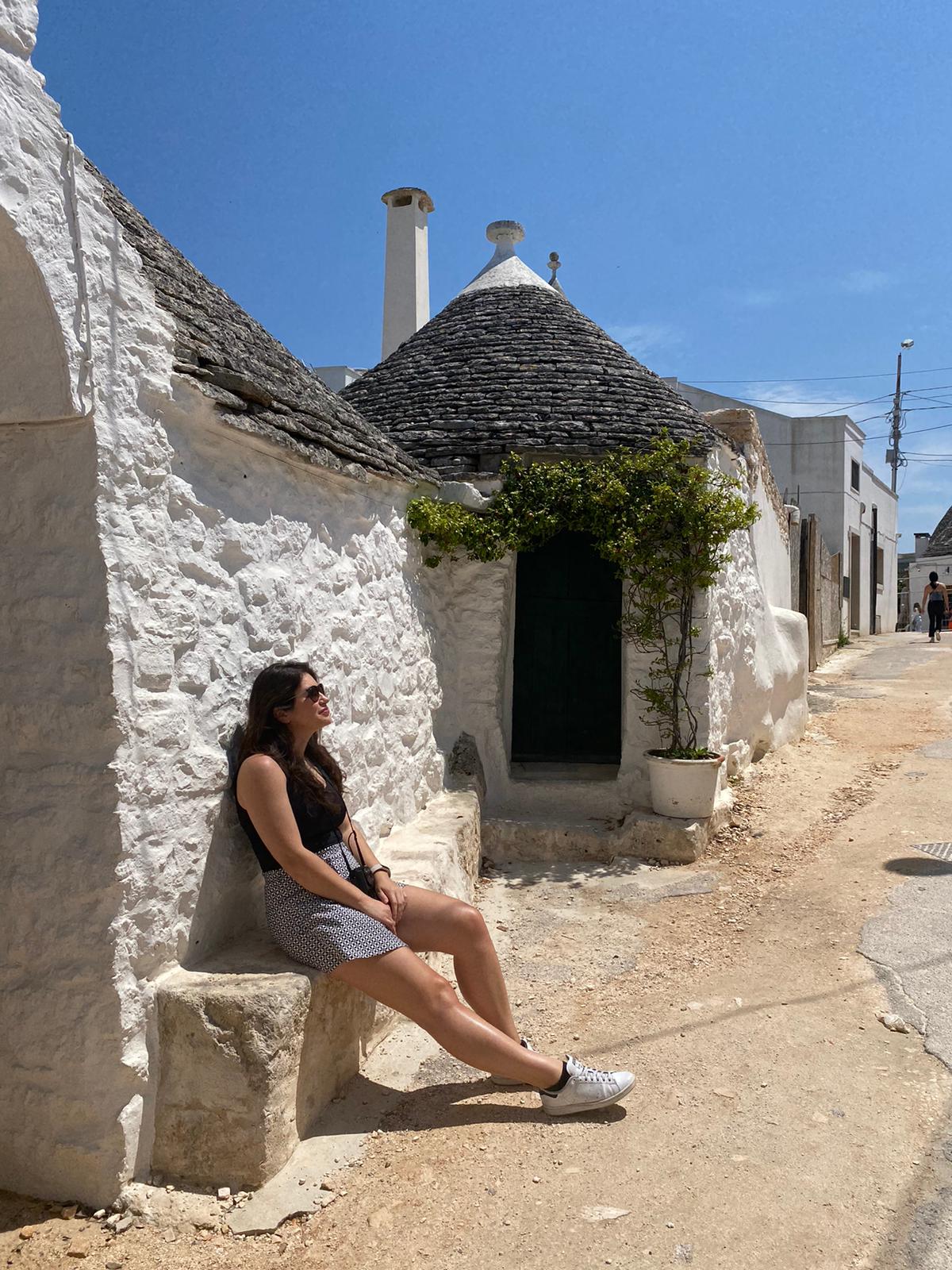
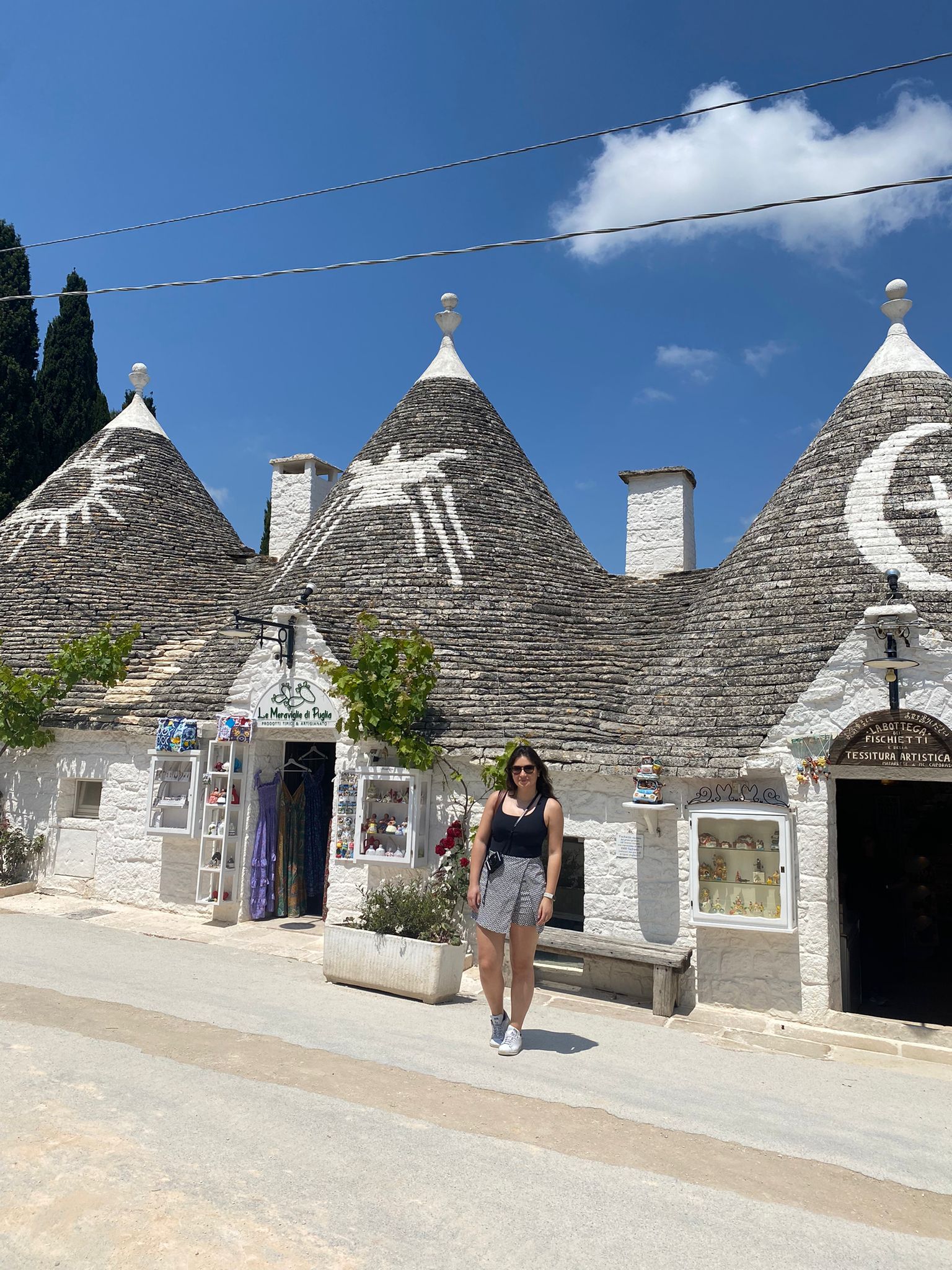
Probably one of the most famous towns in Apulia; the whitewashed houses with conical roofs, known as Trulli, are beautiful little constructions. There are over 1,500 structures in the quarters of Rione Monti and Aja Piccola. We loved wandering around town getting lost between old and newly restored Trulli. Don’t stick to the main two streets, head over to the church and communal gardens and have a little wander around there.
The Trulli

Trulli were generally constructed as temporary field shelters and storehouses or as permanent dwellings by small-scale landowners or agricultural labourers. The roofs of buildings often have mythological or religious markings in white ash and have a decorative pinnacle whose purpose is to ward off evil influences or bad luck. 
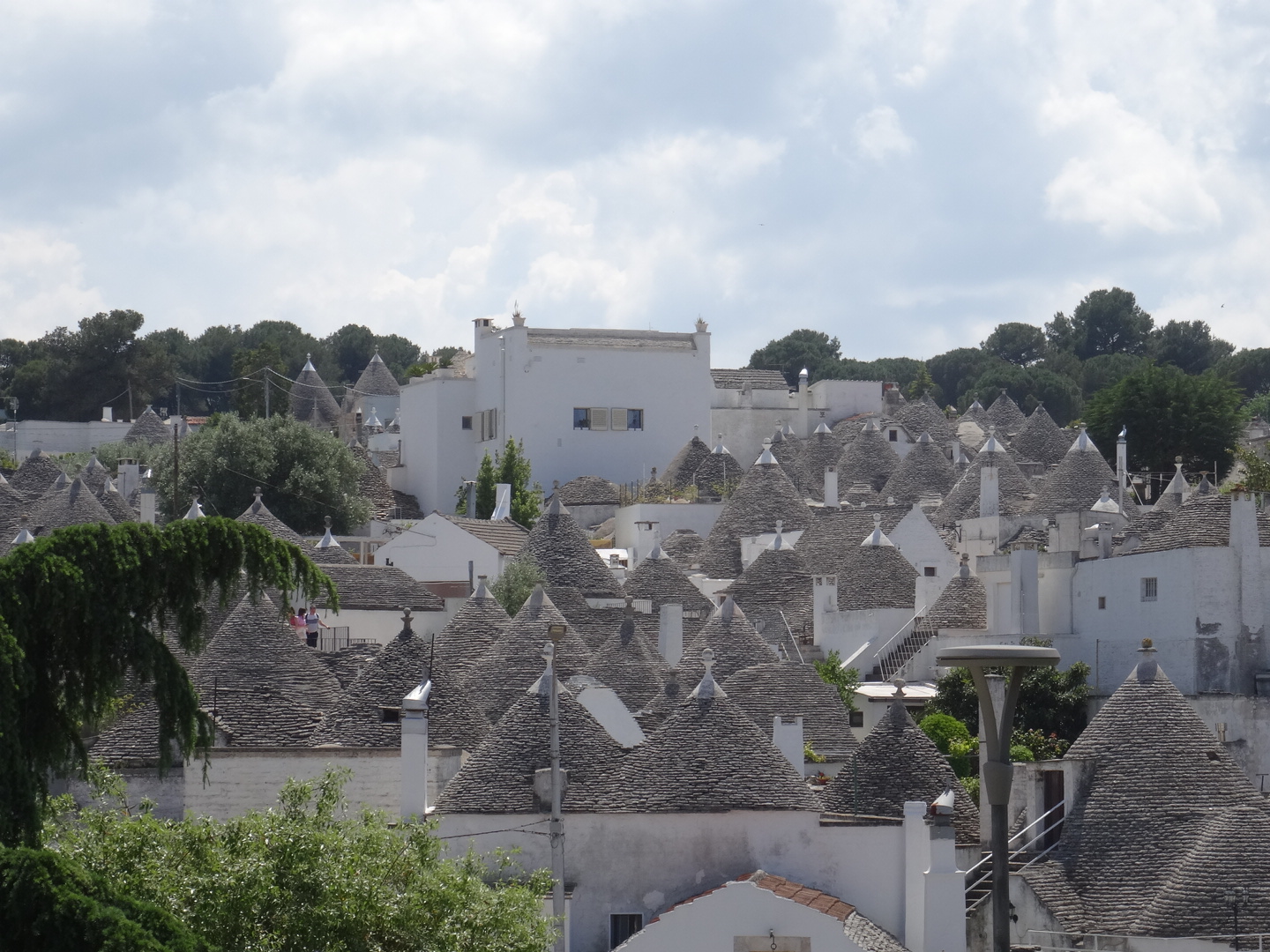
Just a little warning, the main streets of Alberobello can get extremely busy with tourists and the streets can be very slippery.

How to get to Alberobello

If you’re staying in Monopoli, you can buy coach tickets from Agenzia Viaggi Tourist Intercontinental in Piazza S. Antonio, Monopoli. Tickets are €2.90 one way and €5.80 for a round-trip (prices may vary).

Day 3 – Polignano a Mare

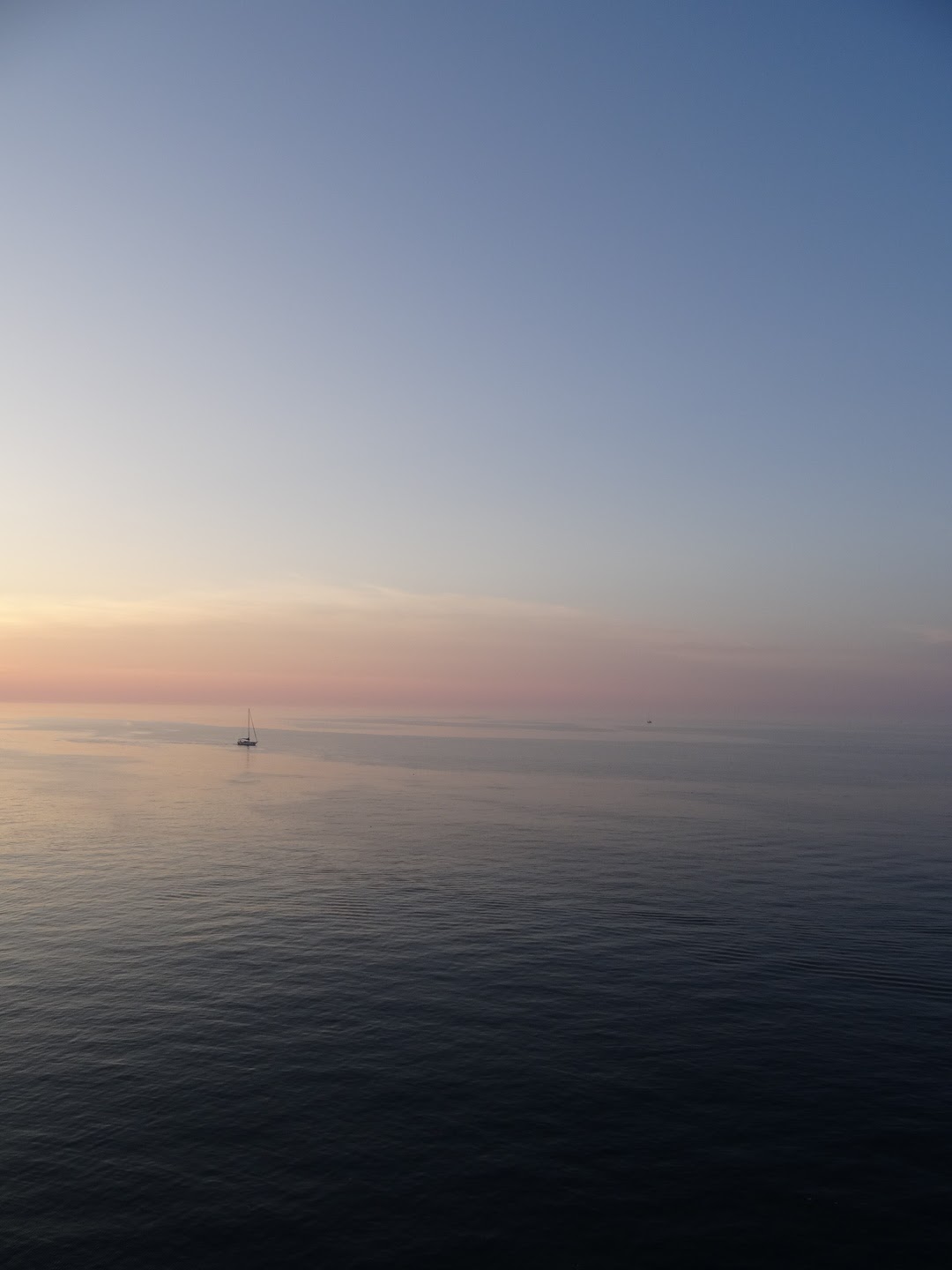
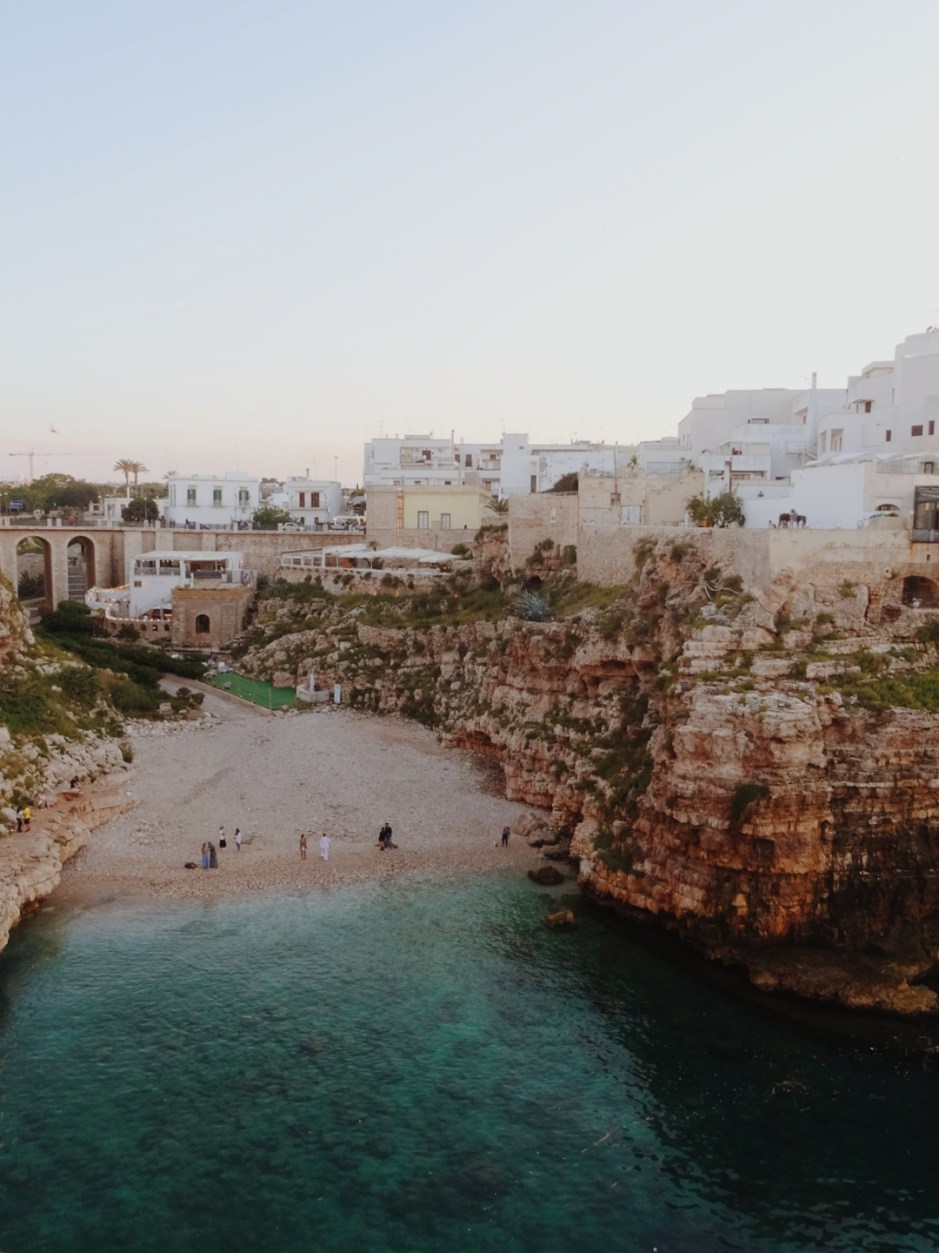
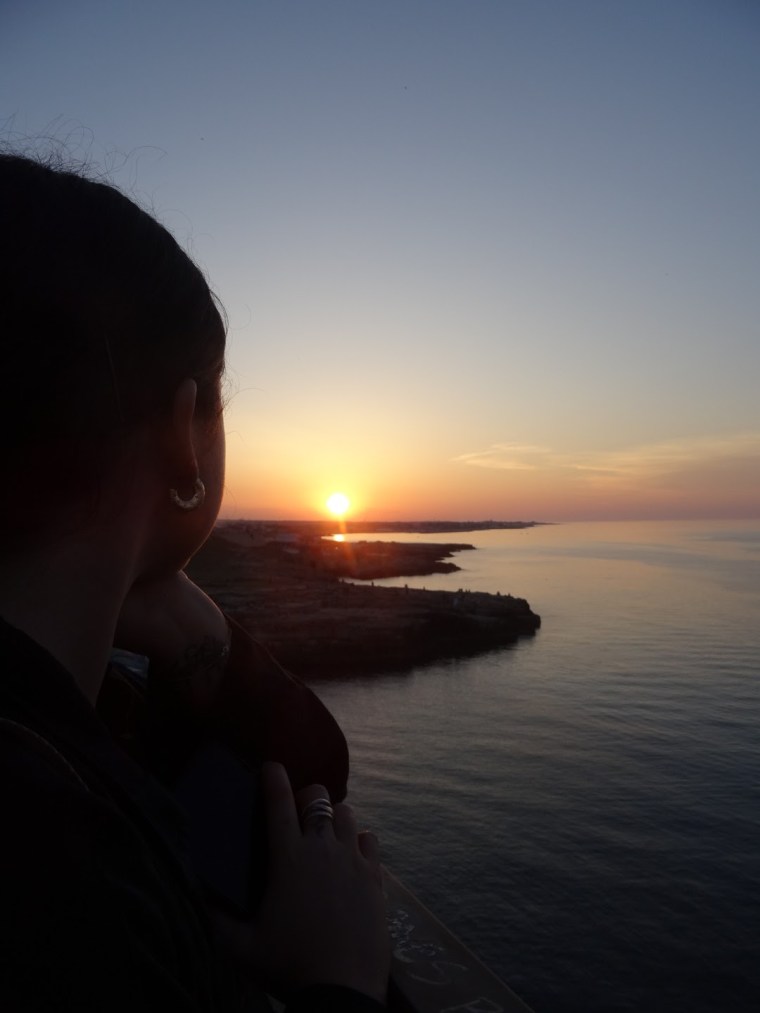
After a day at the beach, we headed to Polignano a Mare for the most spectacular sunset. As we got closer to the bridge above Lama Monachile, the sky began to shift from pink to lilac. It was breathtaking.
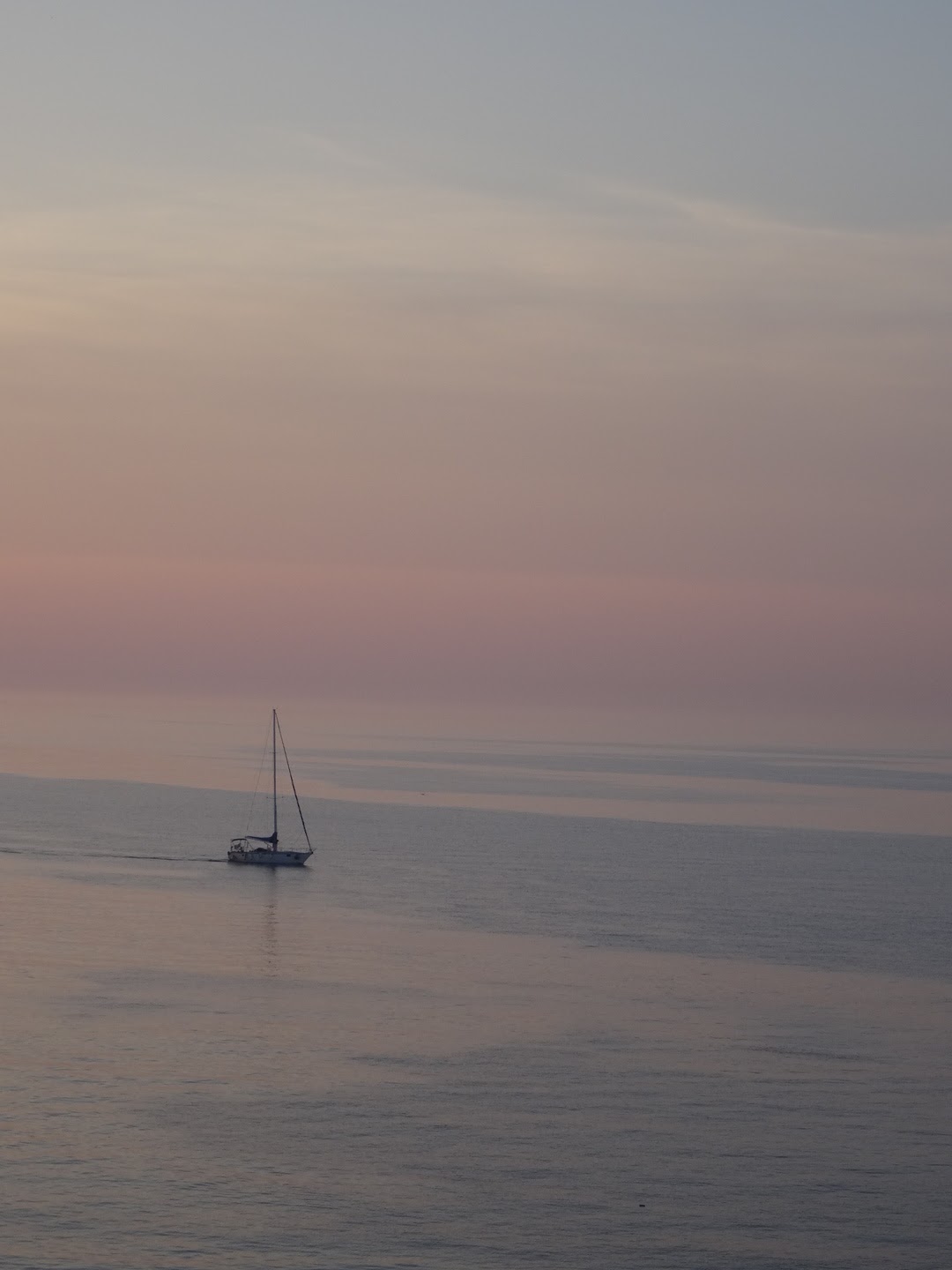
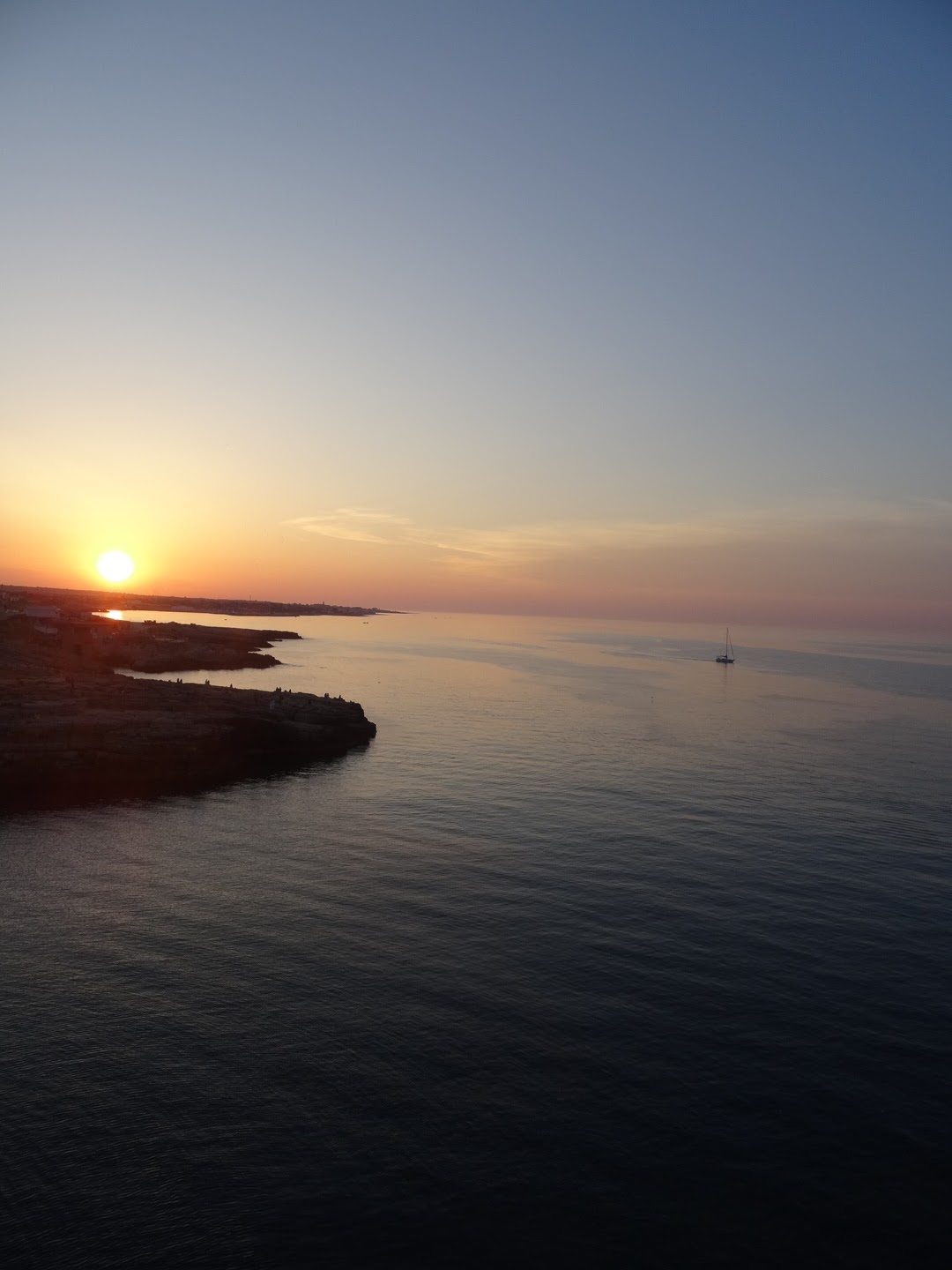
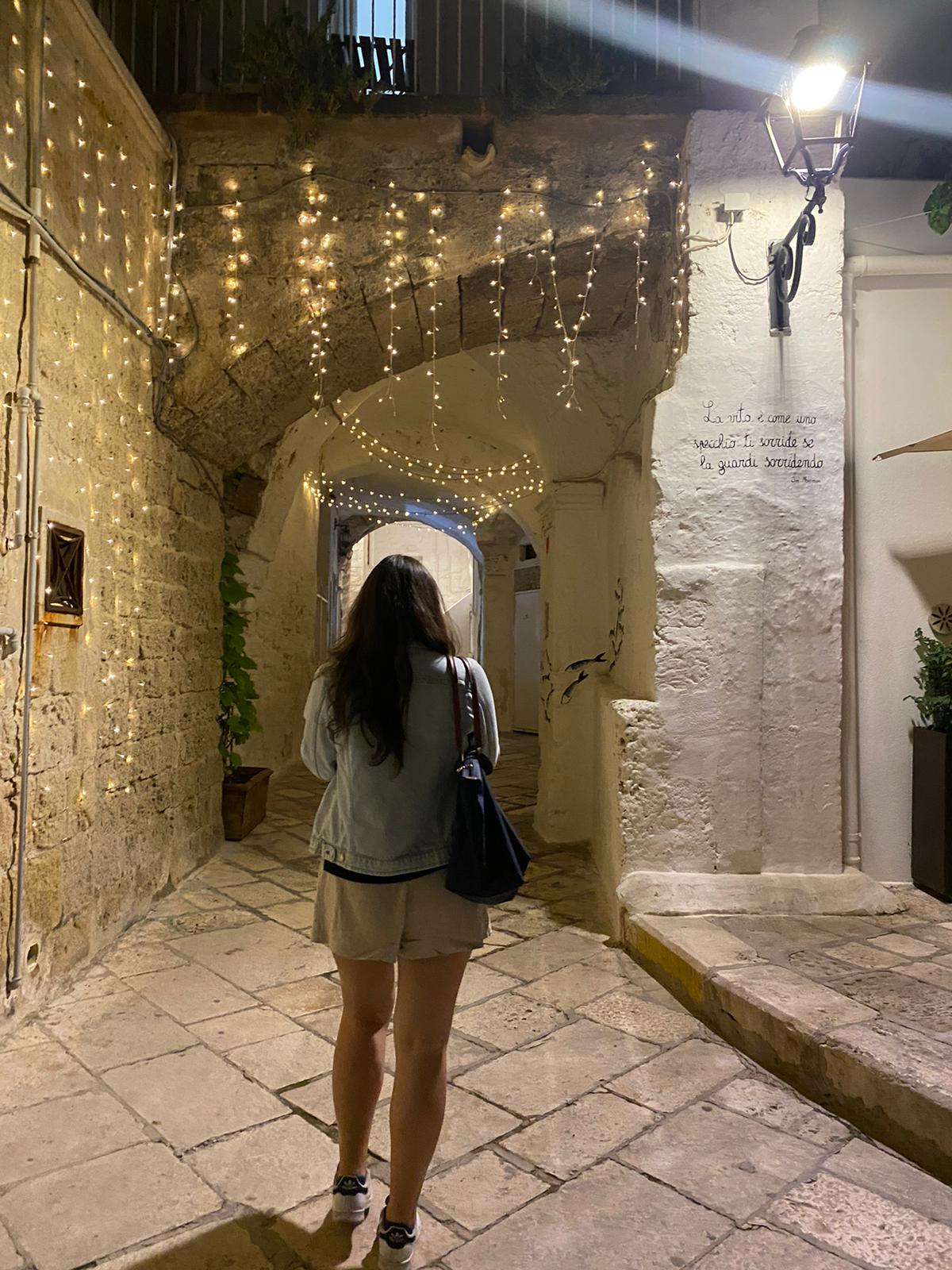
Polignano is one of my favourite places to get lost in. The old town is so pretty and has a great atmosphere, especially in the evening. The best time to visit is just before sunset.
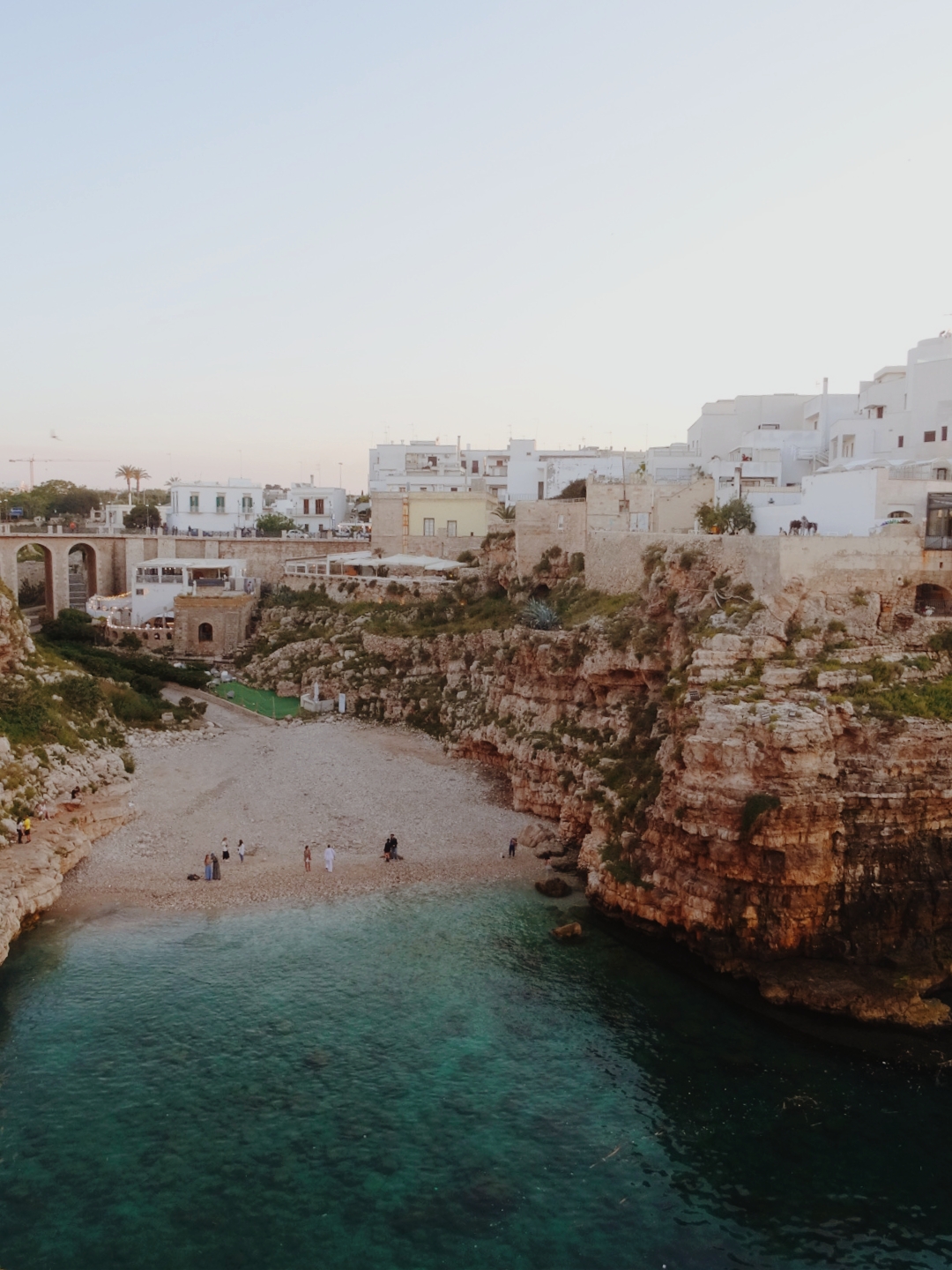
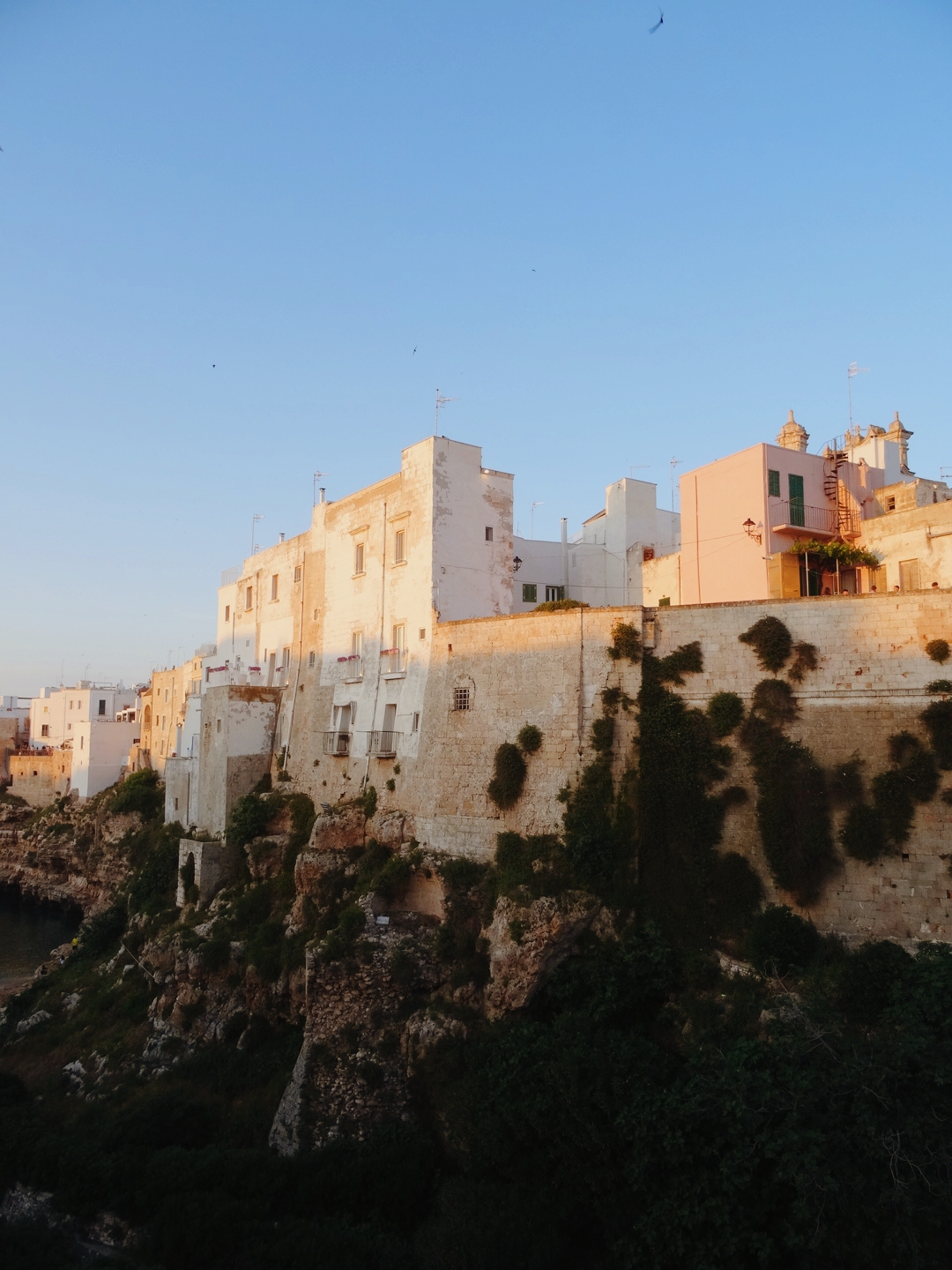
Places to visit in Polignano a mare:

  • Lama Monachile
  • Centro Storico
  • Punto Panoramico Largo Ardito
  • Nel blu dipinto di luci

Day 4 – Back to Bari and a day trip to Matera, Basilicata

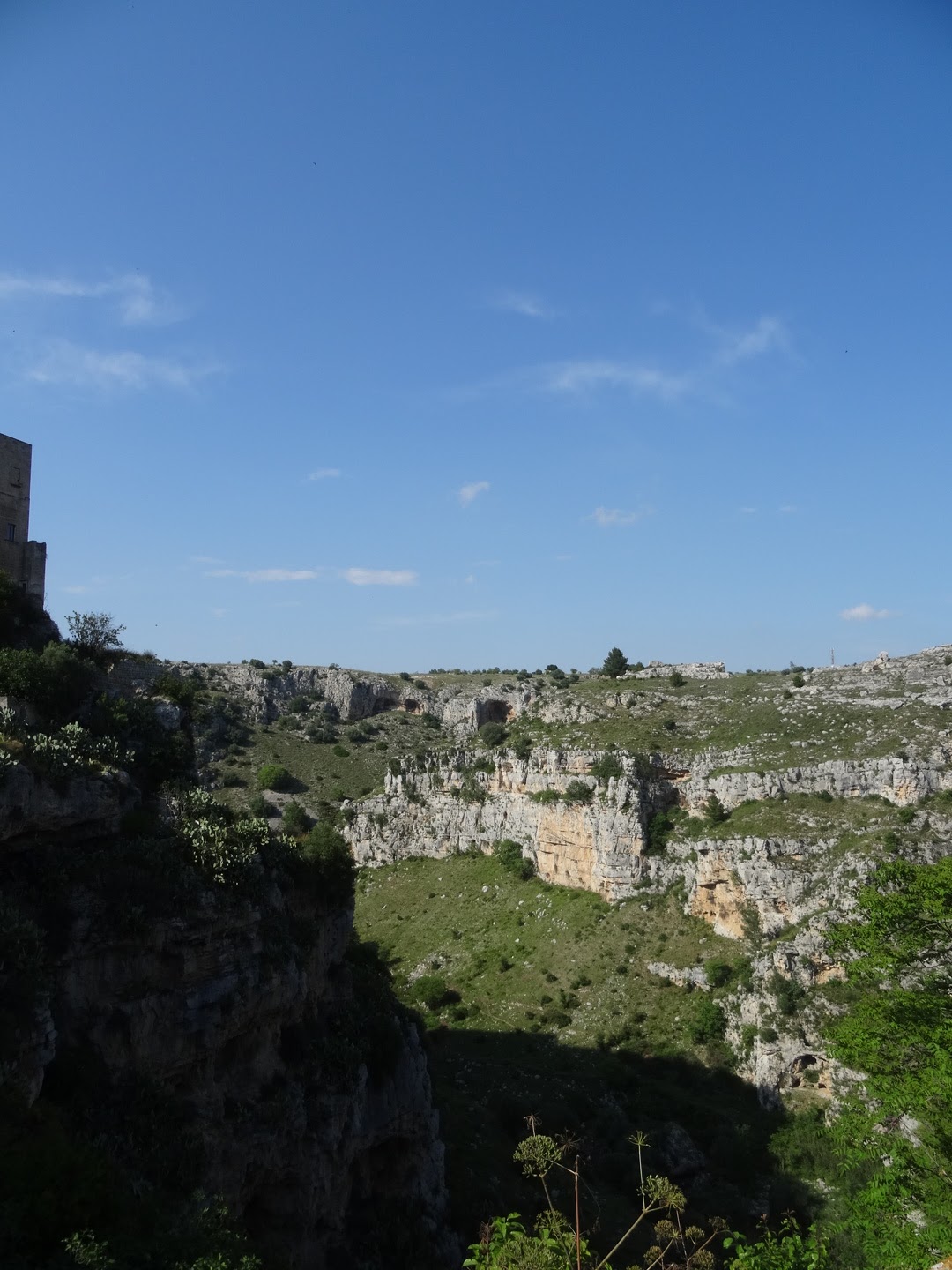
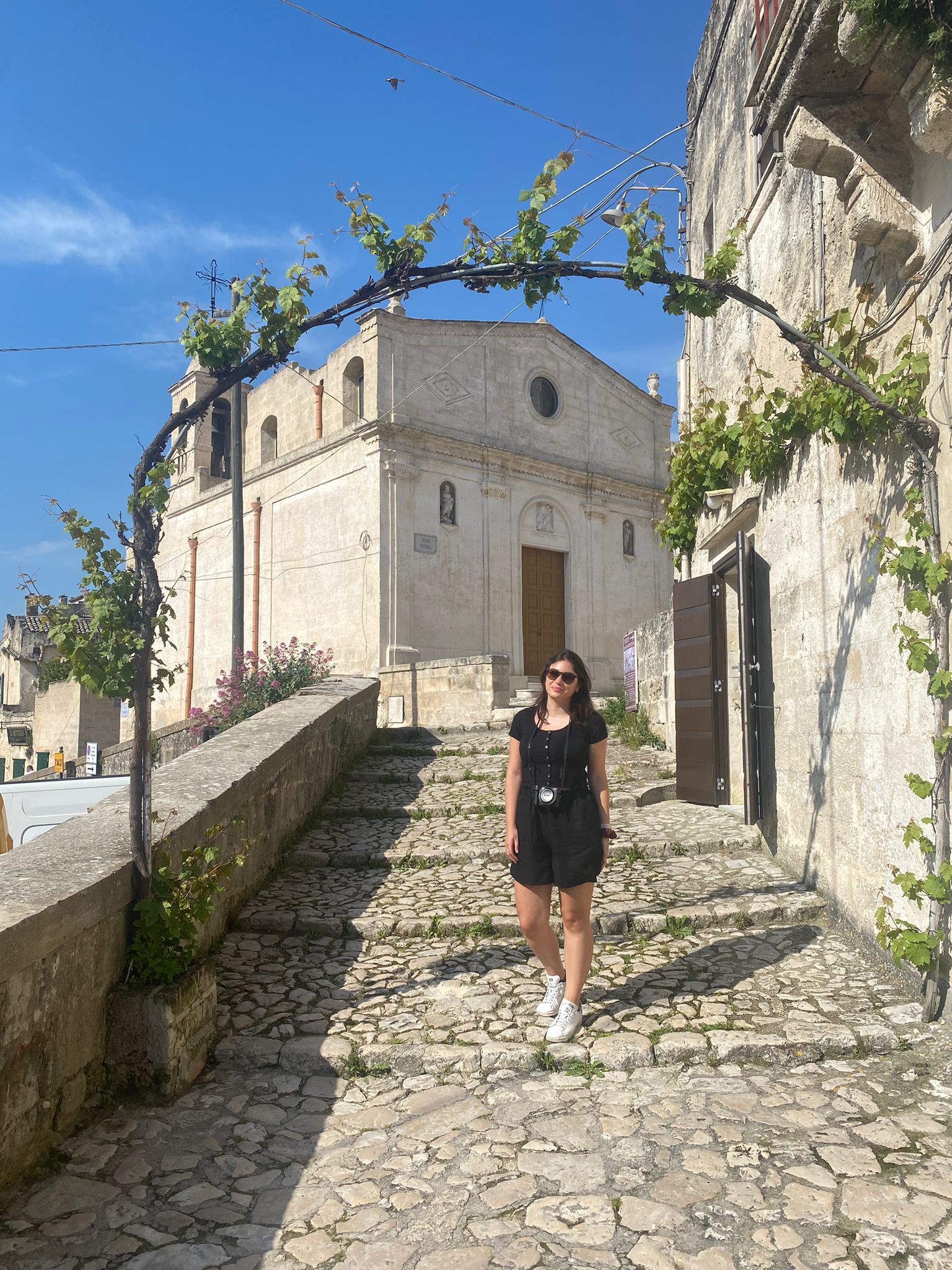
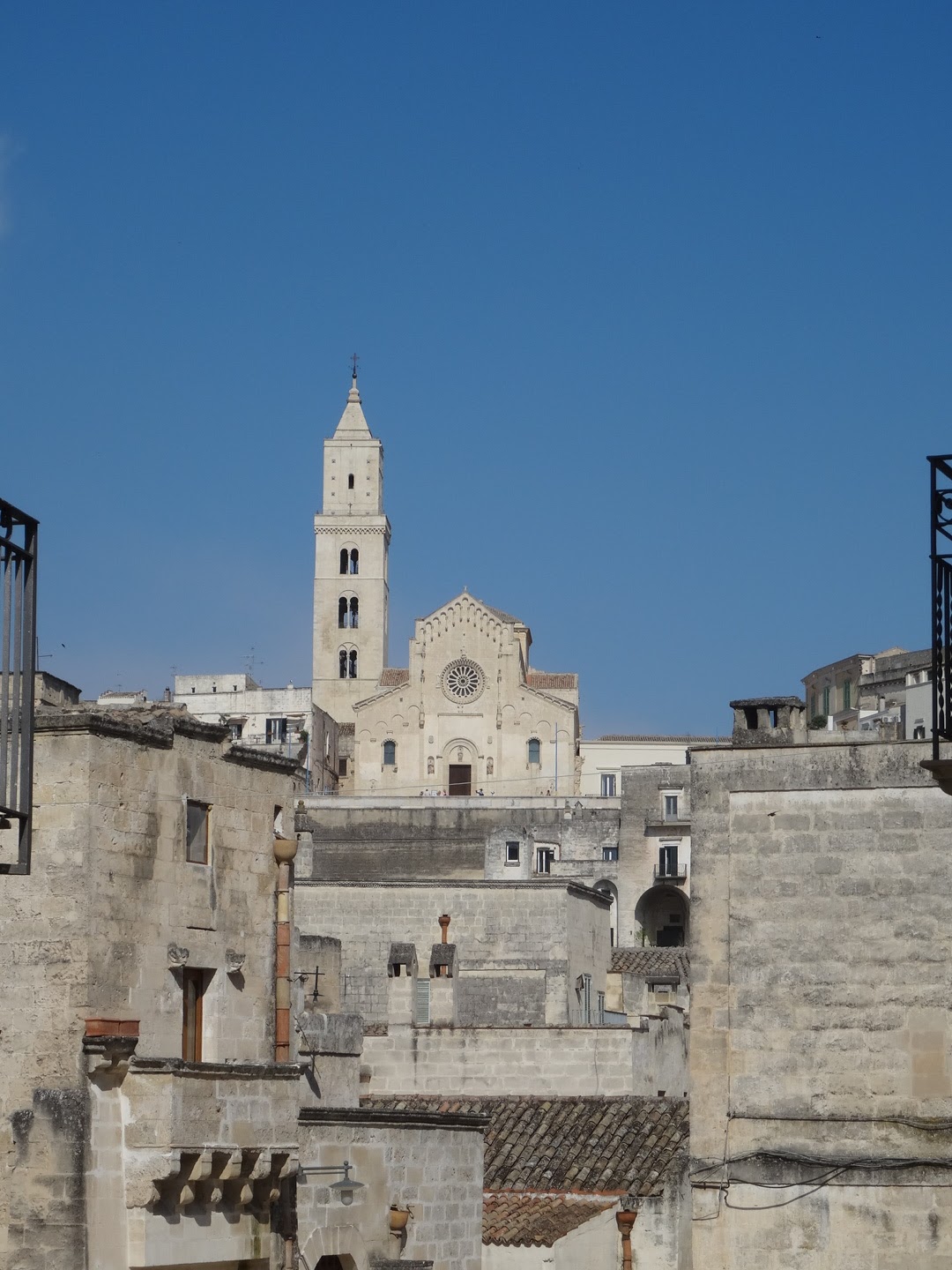
Whilst in Bari, we decided to visit Matera, in the Basilicata region. Matera, the Sassi area (sassi meaning stones), is a complex of cave dwellings carved into the mountainside. It was evacuated in 1952 due to poor living conditions. Things have obviously changed since then, and there are now luxury hotels and a few restaurants and people have moved back into the area. It is sweltering in the summer, so be careful and stay hydrated.
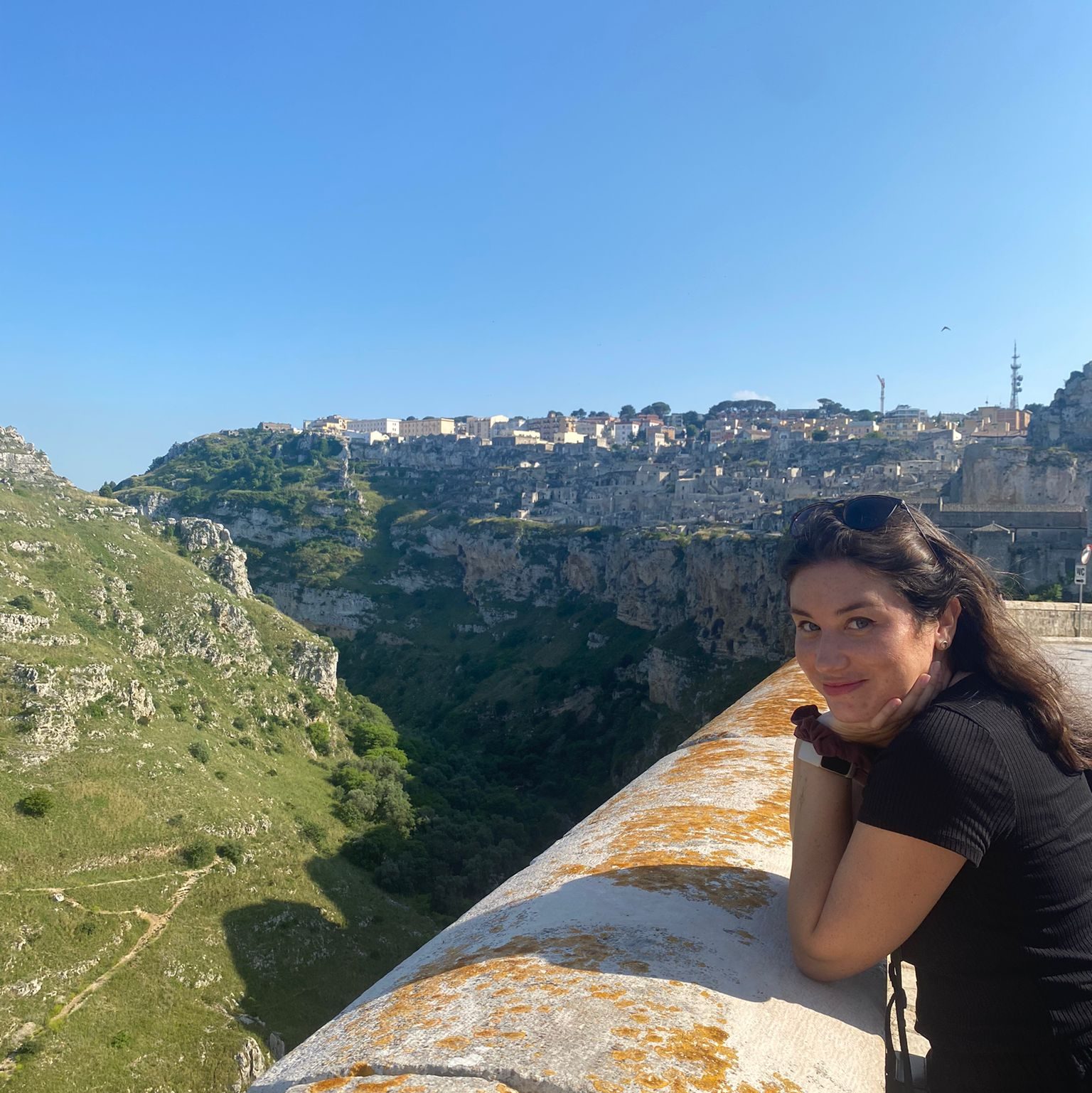
According to the UNESCO World Heritage Convention, “This is the most outstanding, intact example of a troglodyte settlement in the Mediterranean region, perfectly adapted to its terrain and ecosystem. The first inhabited zone dates from the Palaeolithic, while later settlements illustrate a number of significant stages in human history”.
Day 5 – Our last day in Puglia – Exploring Bari

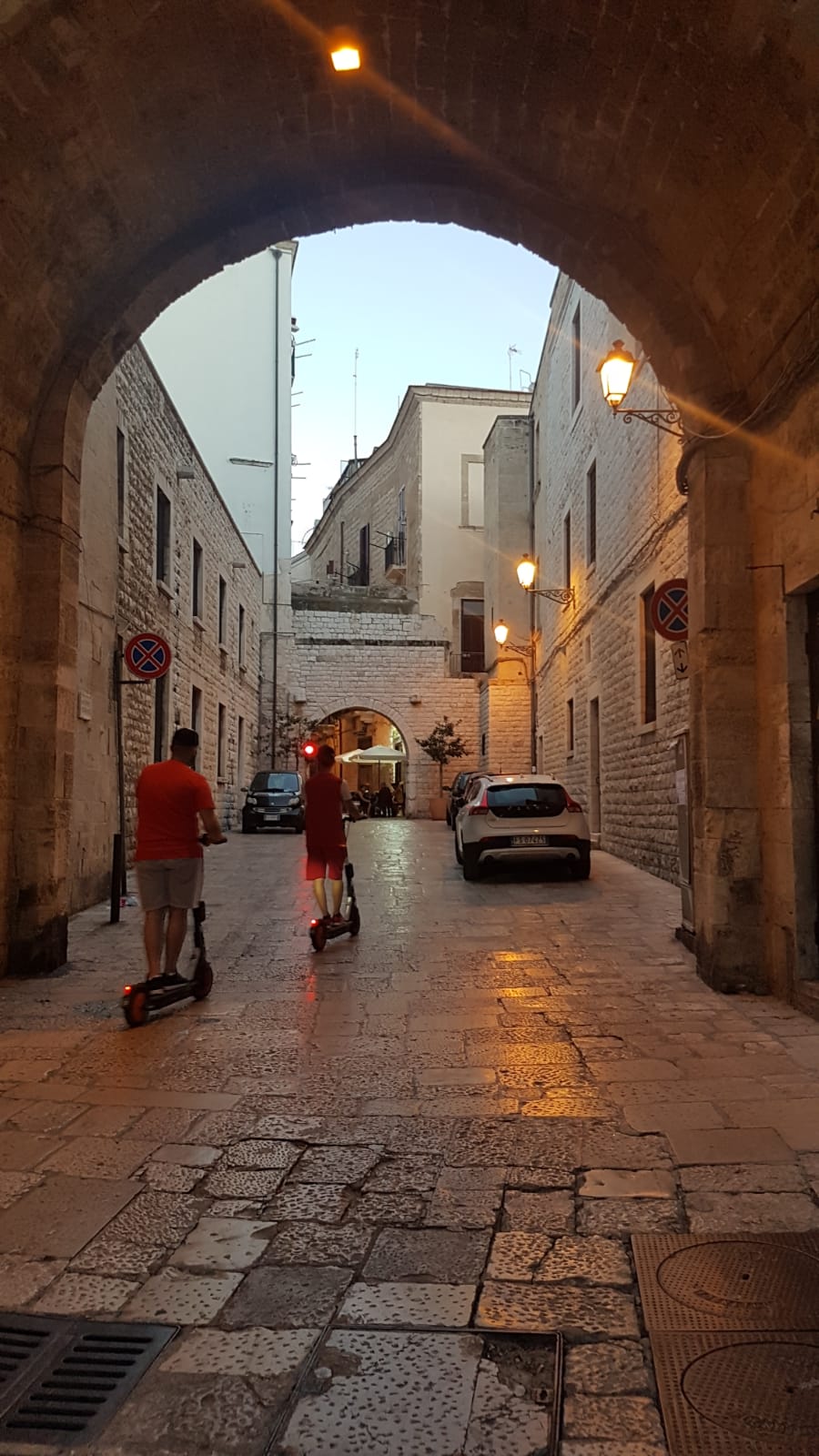
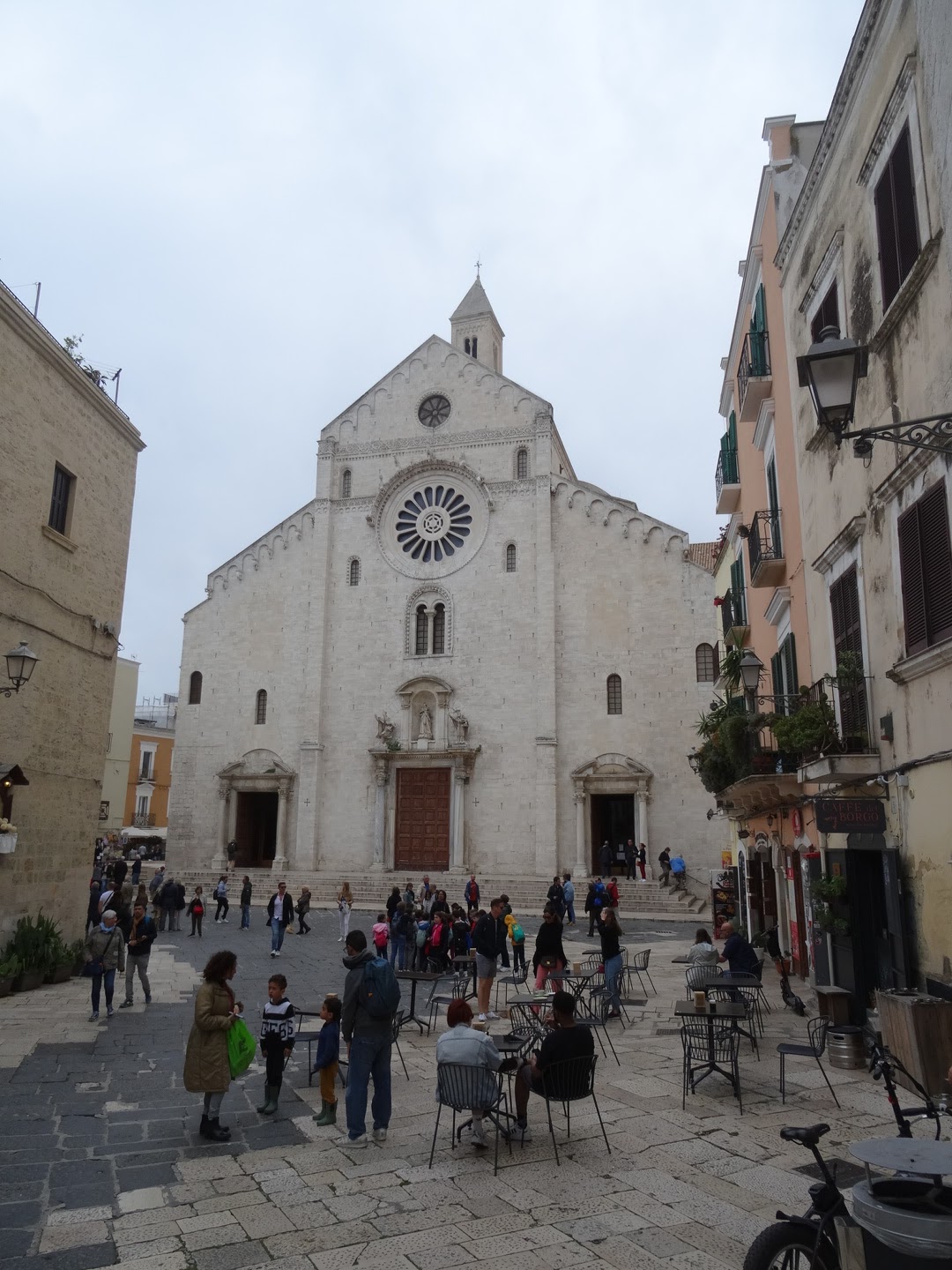
Finally, our last day in Puglia was spent exploring the vibrant city of Bari. I love the old town, it does get rather busy in the centre due to all the tours, but this can be avoided by visiting during the low season.
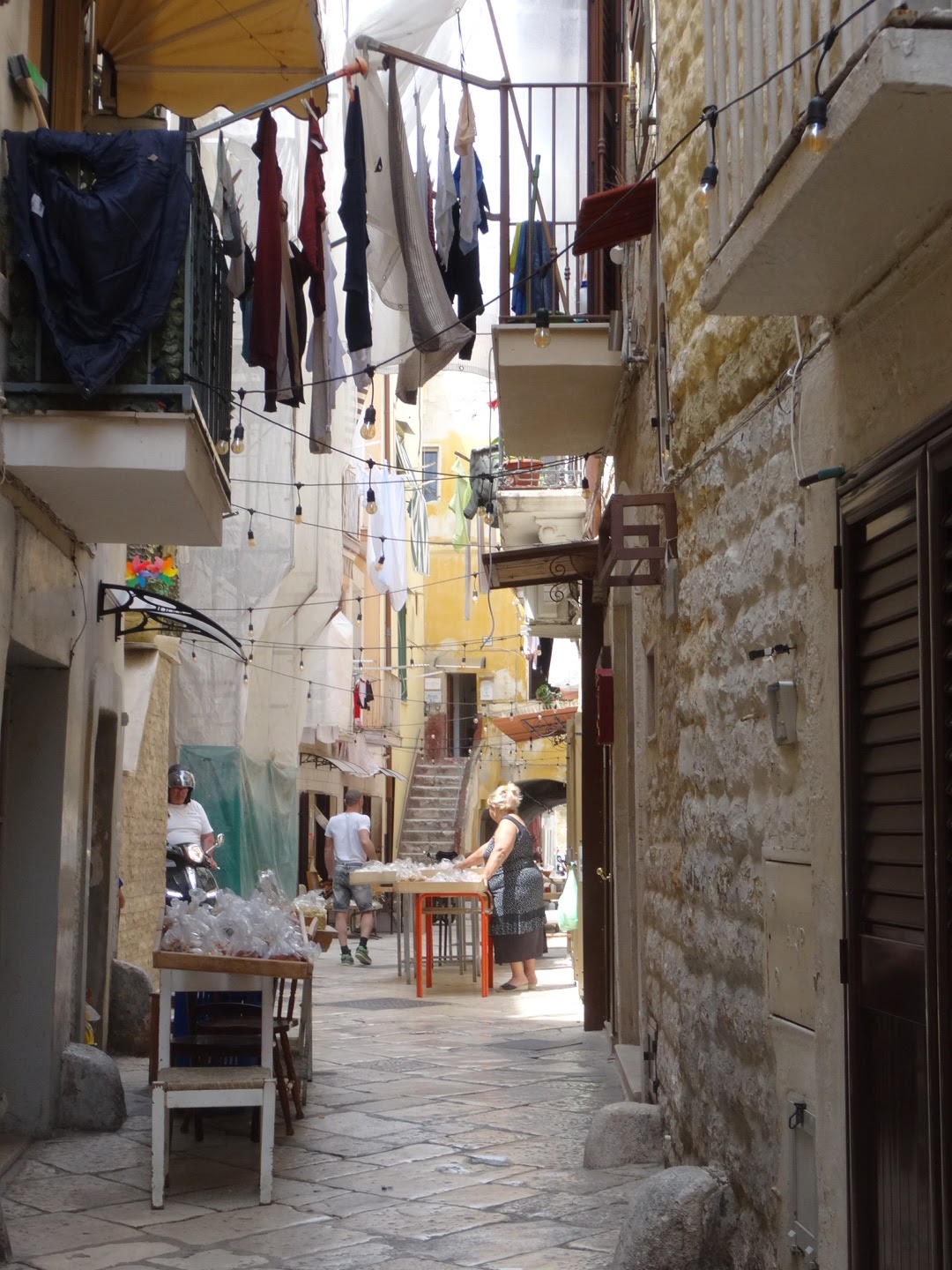
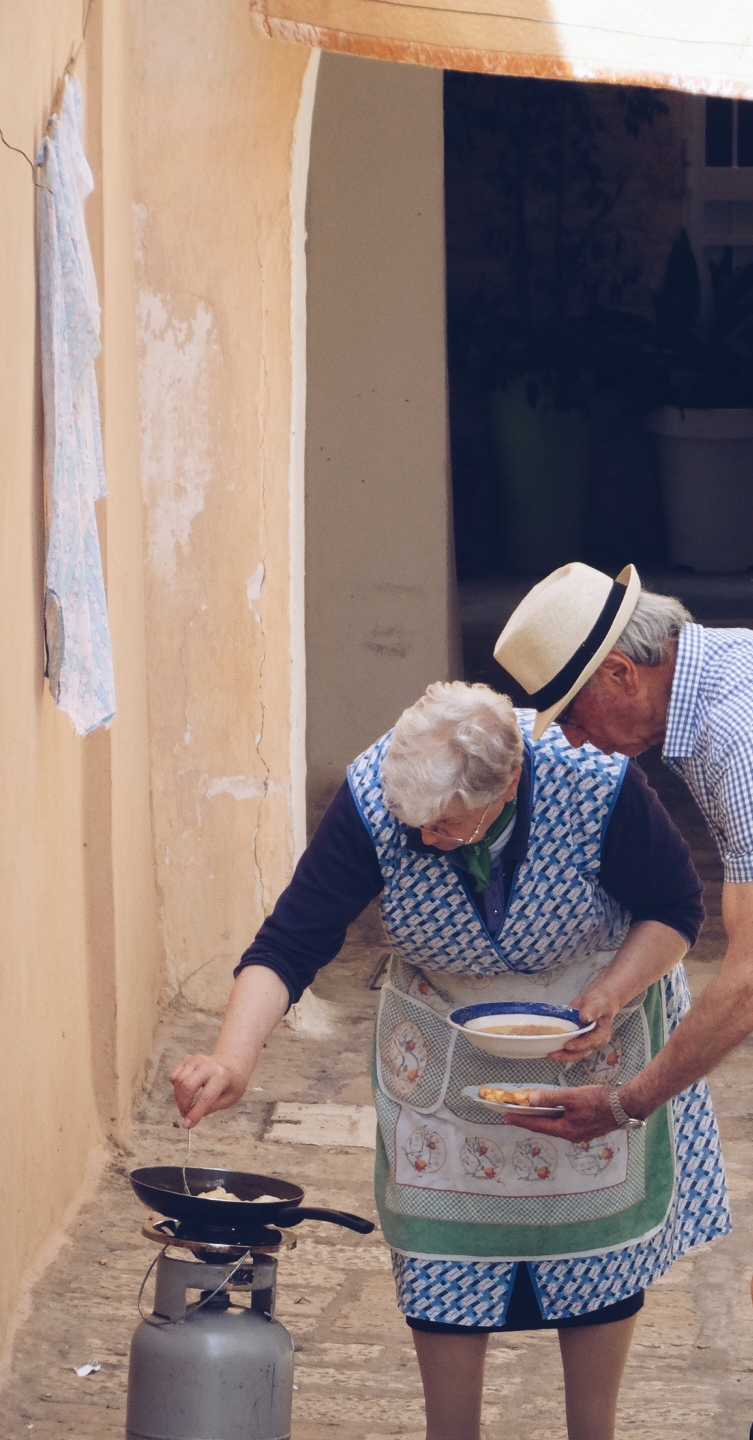
I remember the first time we visited Bari, we stumbled upon a woman cooking in the tiniest kitchen with the door wide open and she had this huge pot on the stove full of oil bubbling away as she deep-fried pieces of dough (frittelle baresi) which at the time made me think of the picture books I had as a child of witches cooking up potions in large cauldrons. And the Frittelle? They were delicious, little clouds of joy.

Things to see and do in Bari

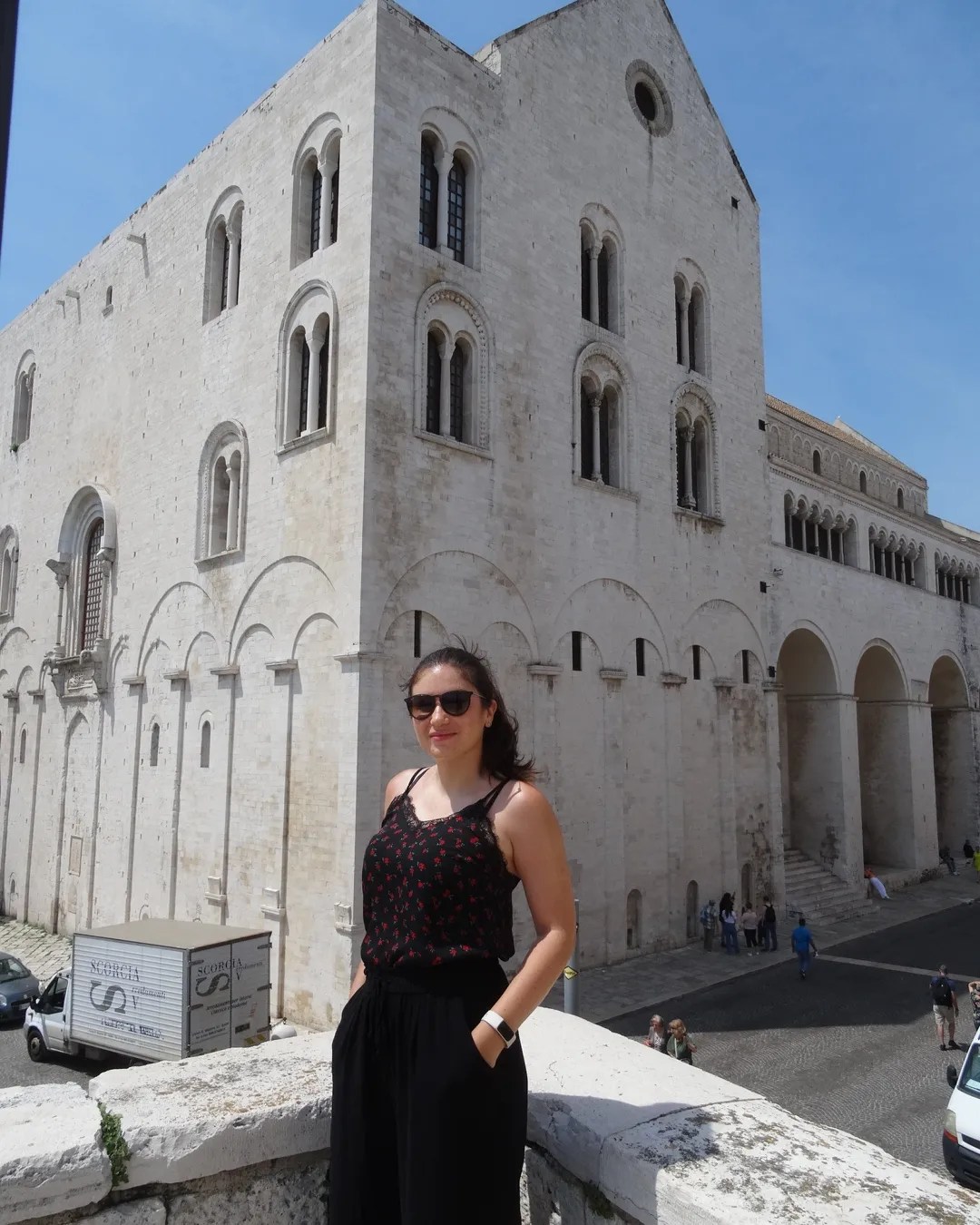
  1. Basilica San Nicola
  2. Basilica Cattedrale Metropolitana Primaziale San Sabino
  3. Bari Vecchia – Strada delle Orecchiette
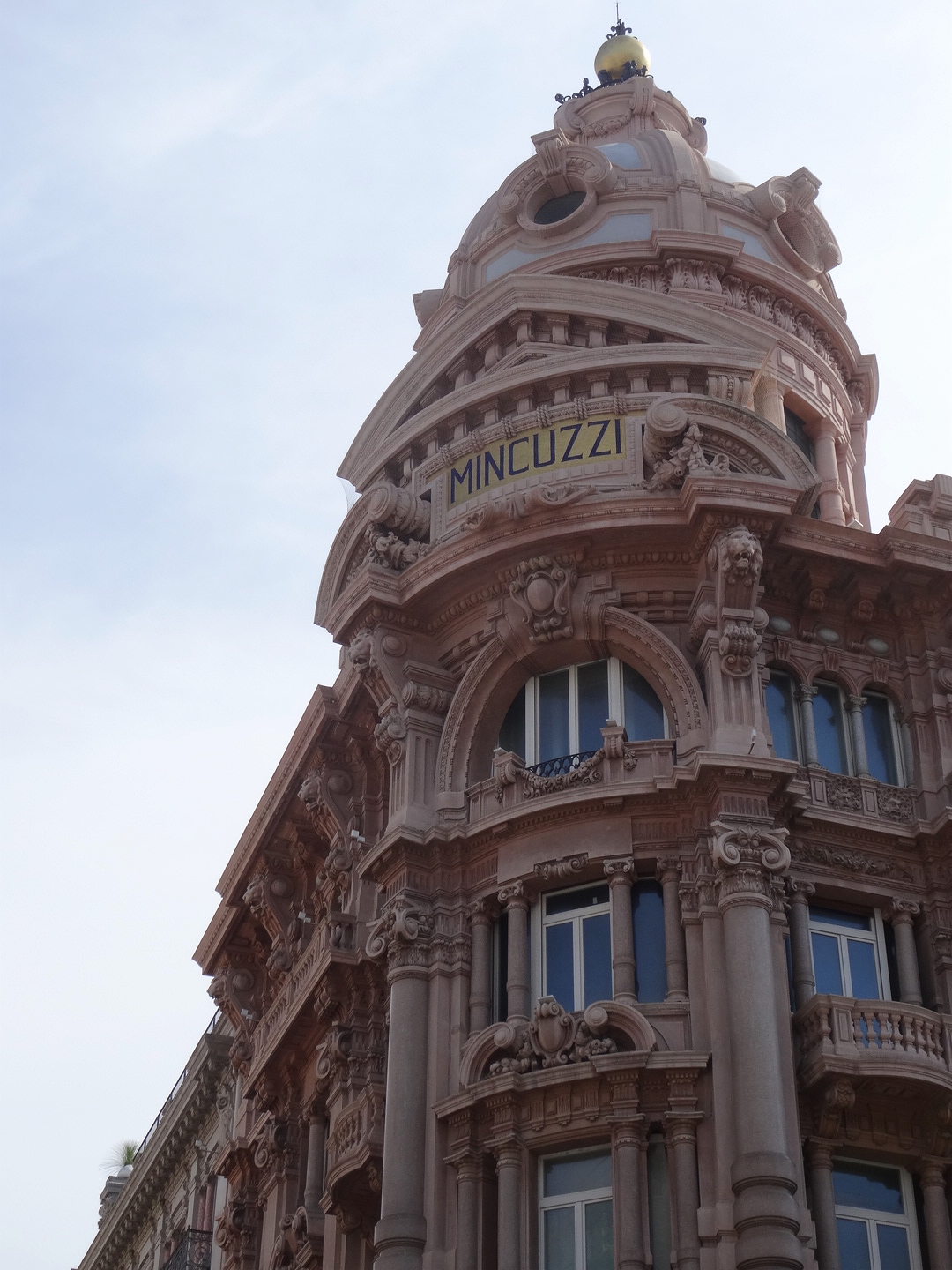
  4. Palazzo Mincuzzi
  5. Pane e Pomodoro beach
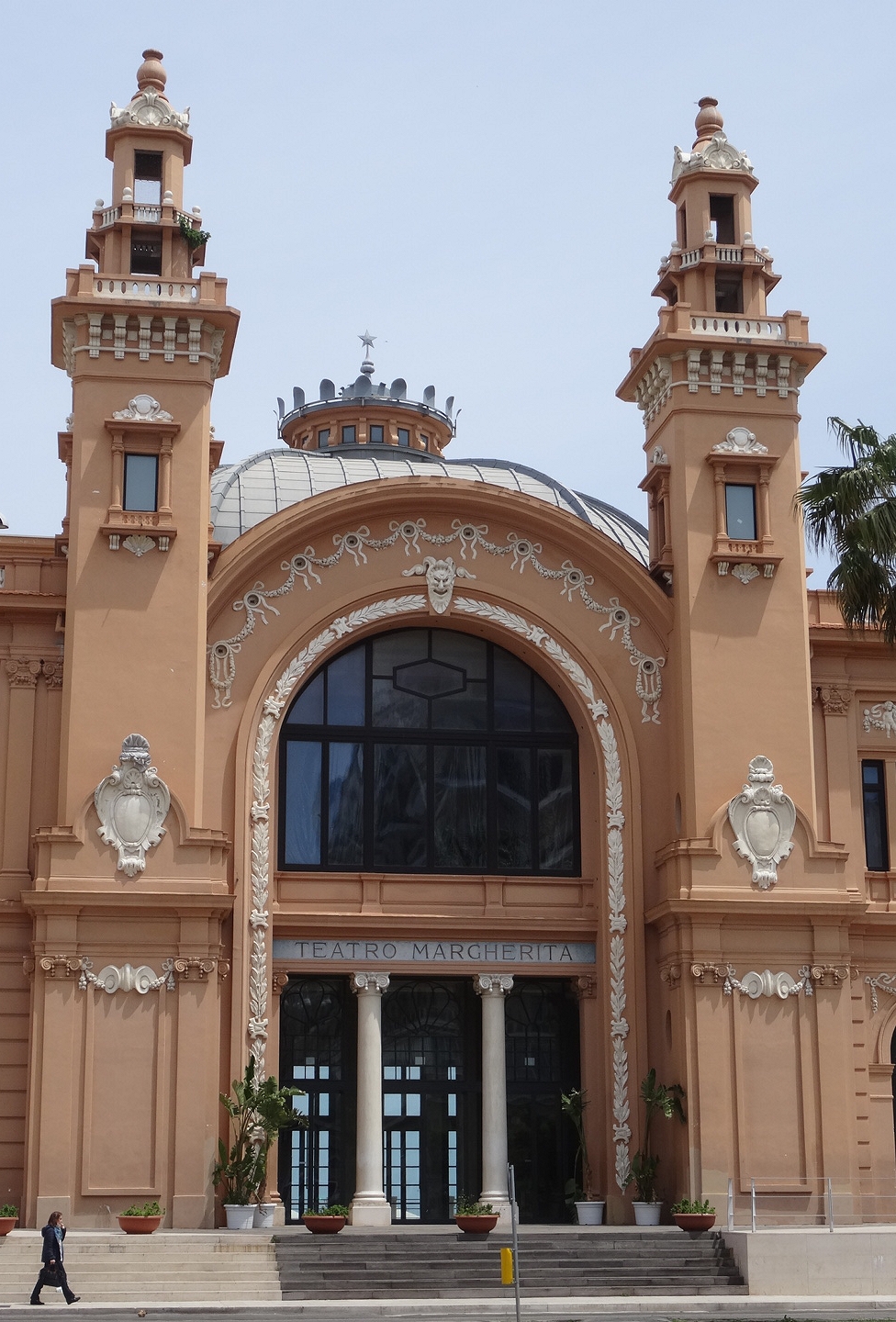
  6. Teatro Margherita

5 things you must try whilst in Apulia (Puglia)

Italian food is rooted in a rich history of passing down recipes from generation to generation. Renowned for its simplicity; high-quality, fresh ingredients are a must and there is a huge emphasis on shopping local. These are a few of the things you should try whilst visiting:

Bombette Pugliese, made of rolls of pork meat, filled with a small piece of caciocavallo cheese, salami, salt, pepper and parsley.

Cheese: Puglia is one of Italy’s most famous cheese-producing regions, they produce many different types including caciocavallo, burrata, stracciatella and cacioricotta (goat cheese) among others.

Pasta: the typical pastas of Apulia are made simply from flour and water. Orecchiette (little ears) is a staple of local Apulian food.

Panzerotti: one of the most well-known street foods in Apulia. It looks like a mini calzone and it is filled with mozzarella cheese and tomato sauce seasoned with oregano. Absolutely delicious.

Seafood: It is as fresh as it gets! Take advantage of the fresh, locally-caught seafood.

Hope you enjoy Puglia!
Thank you for reading! Until next time!
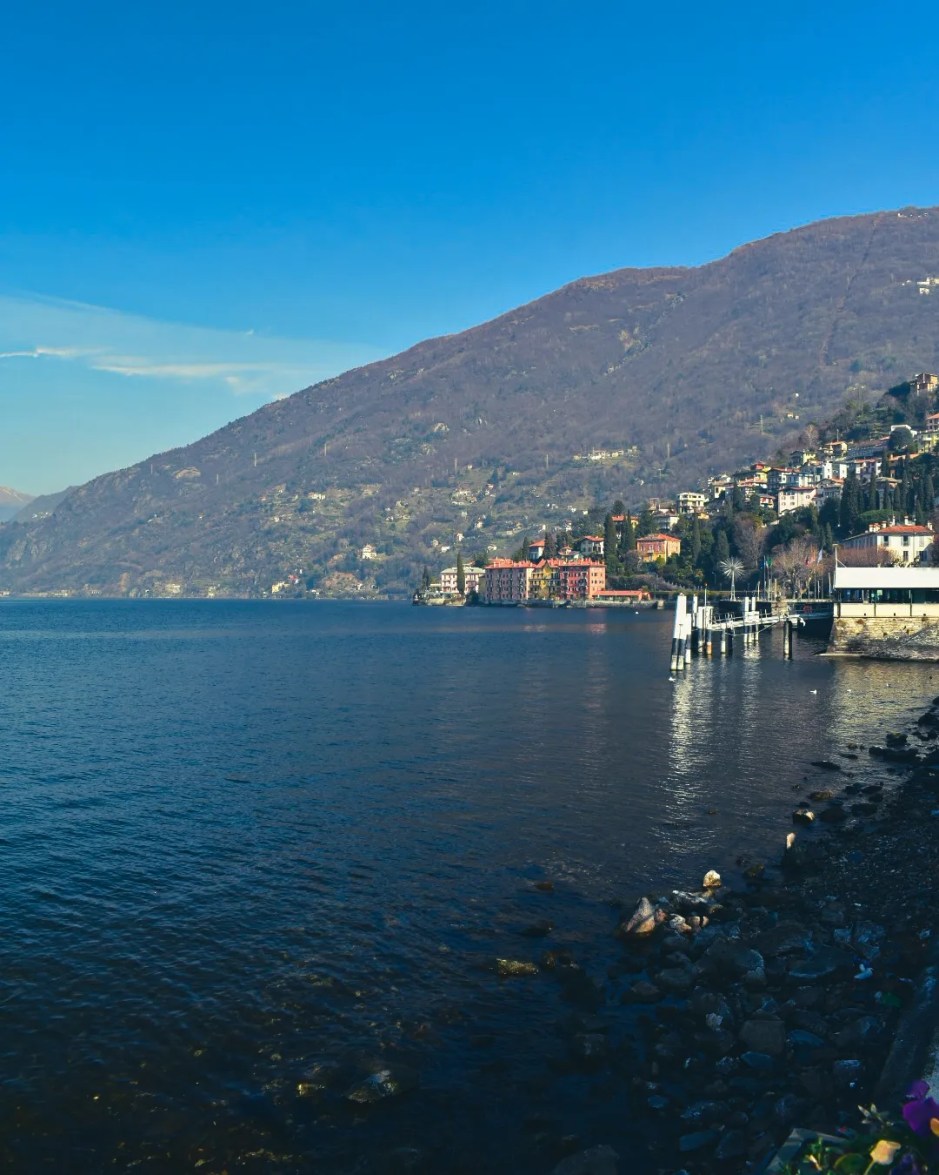
Bellano, Lake Como

Bellano, Lake Como

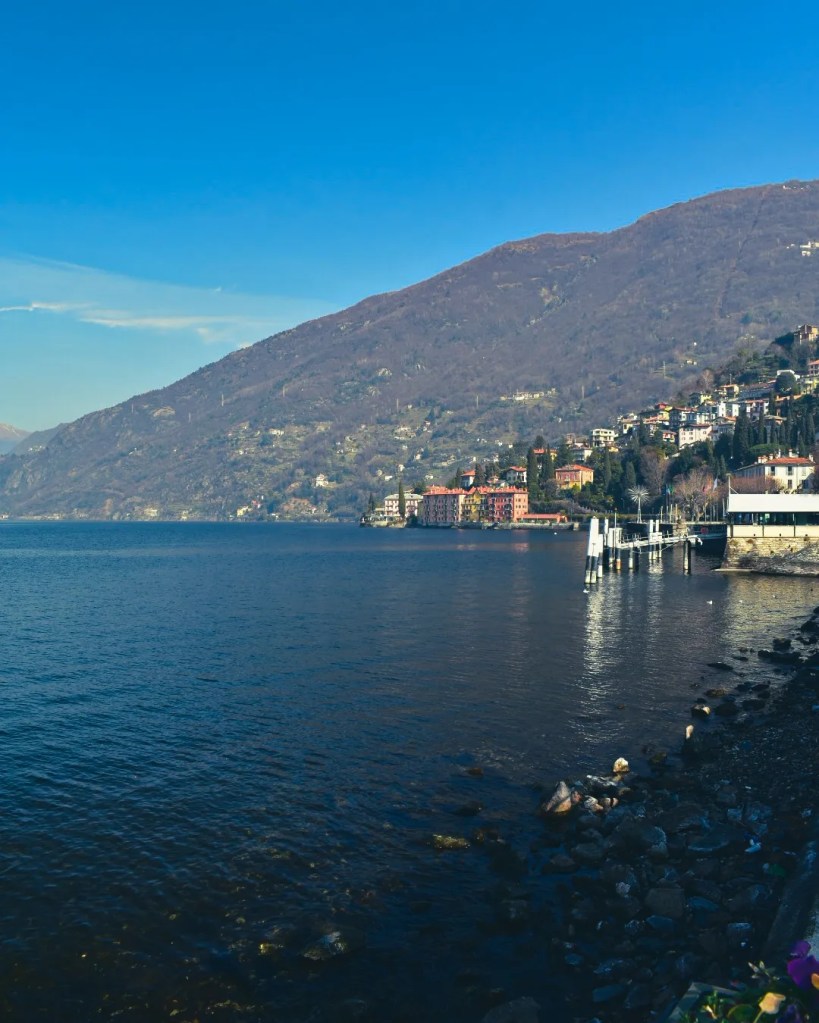
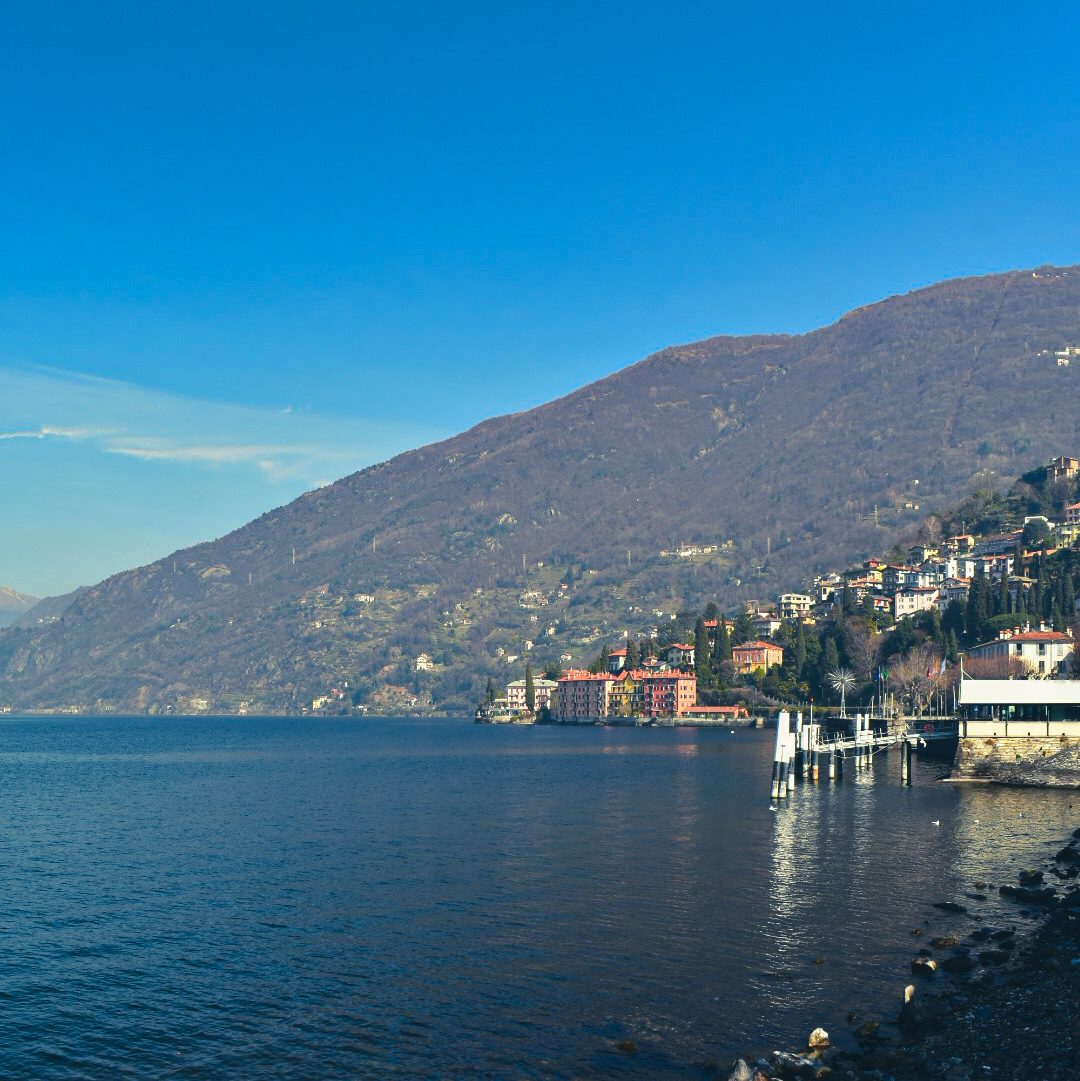
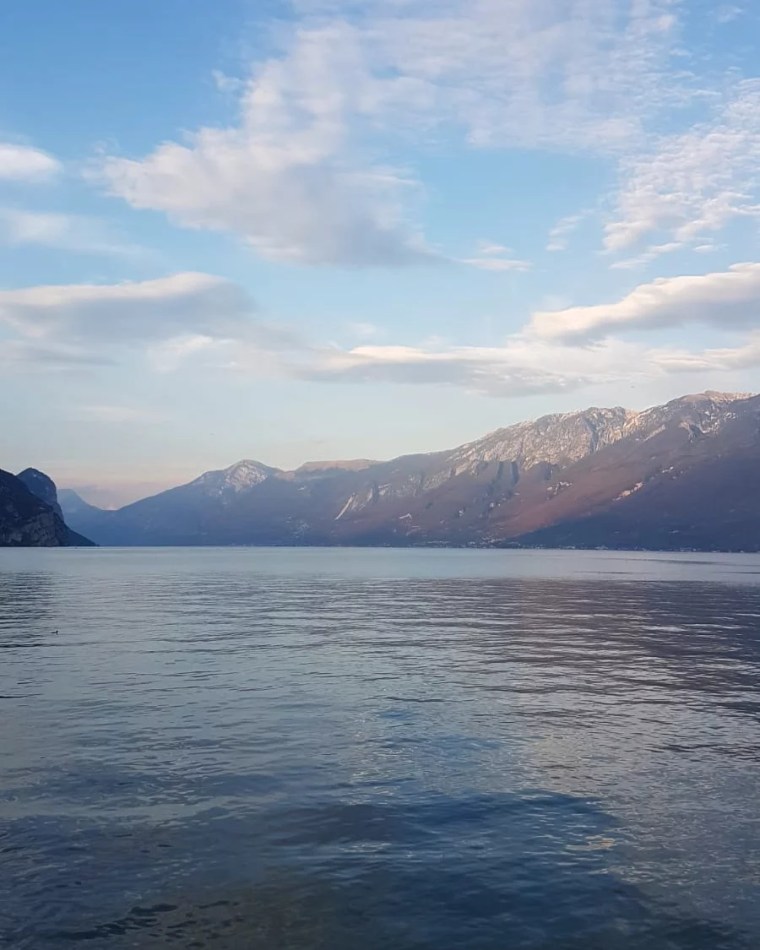
Bellano is a charming little town located on the eastern shore of Lake Como in the Lombardy region of northern Italy. Known for its beautiful scenery, historic landmarks, and lively cultural events, Bellano is a popular destination for travellers seeking an authentic Italian experience.


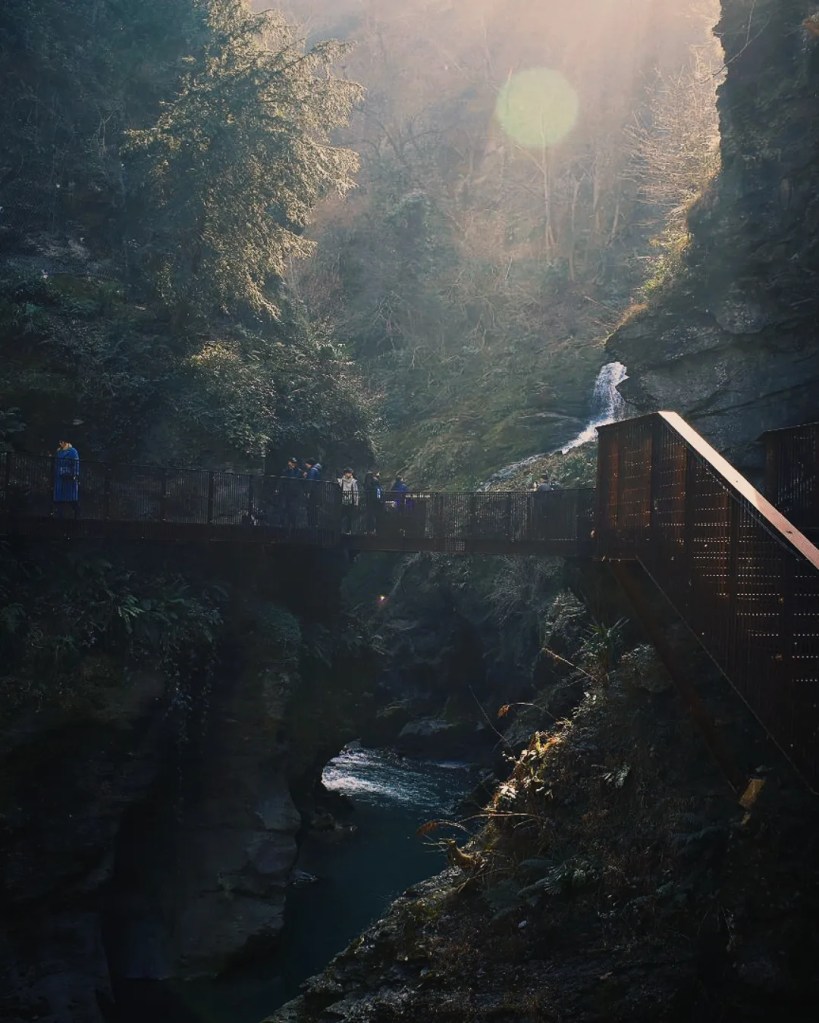
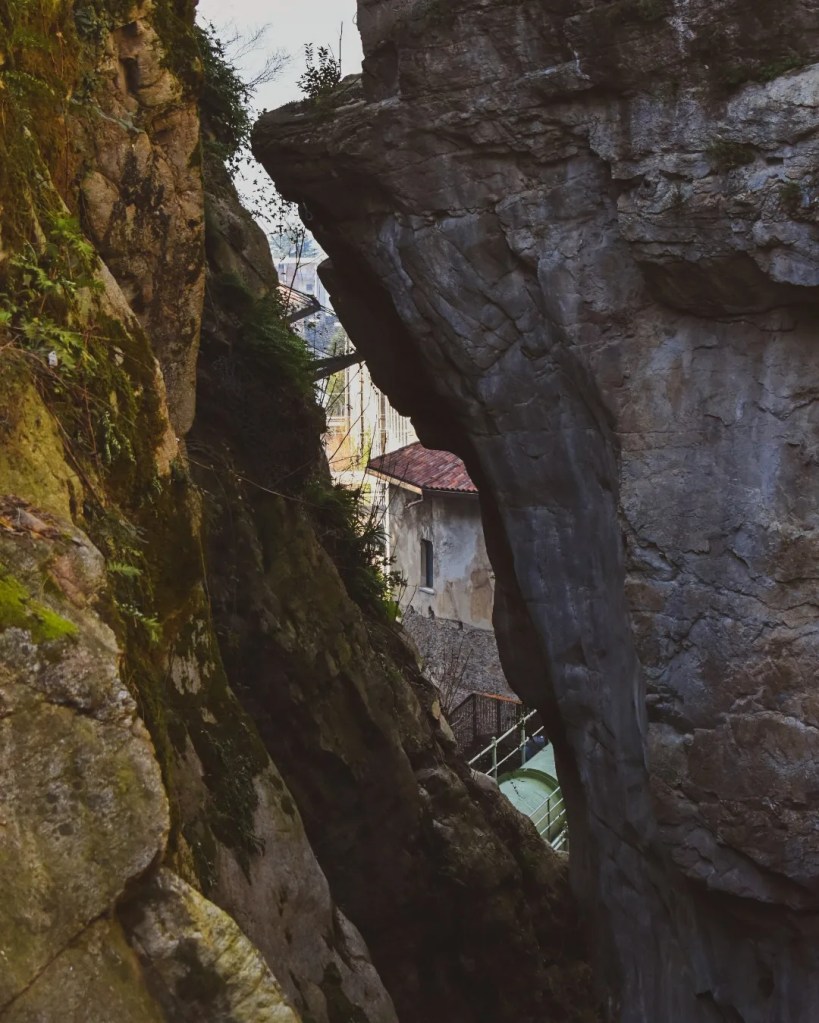
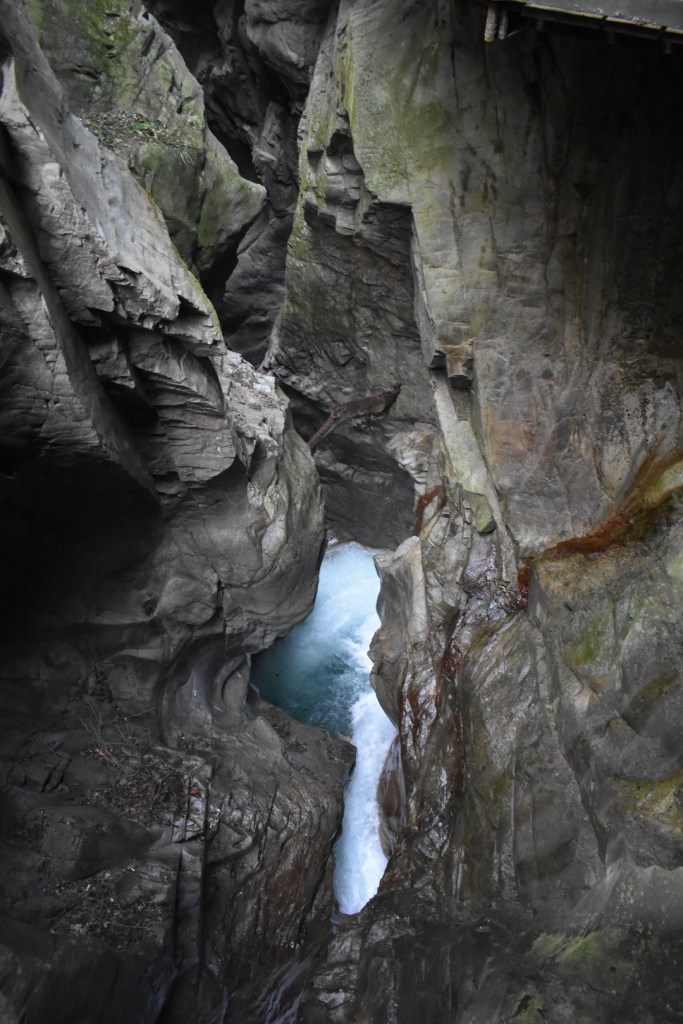
One of the town’s main attractions is the Orrido di Bellano, a natural gorge carved by the Pioverna river over centuries. Visitors can explore the gorge on a suspended walkway and admire the rushing waterfalls and towering cliffs.

Tickets are 5.00€ per person.


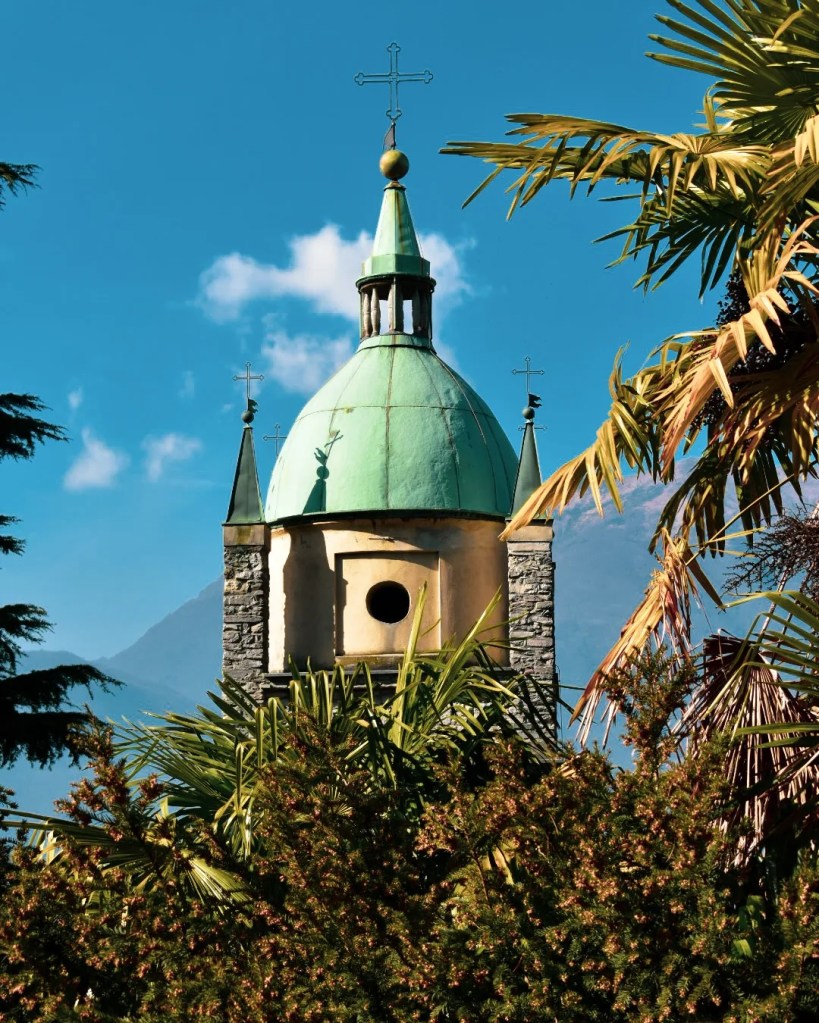
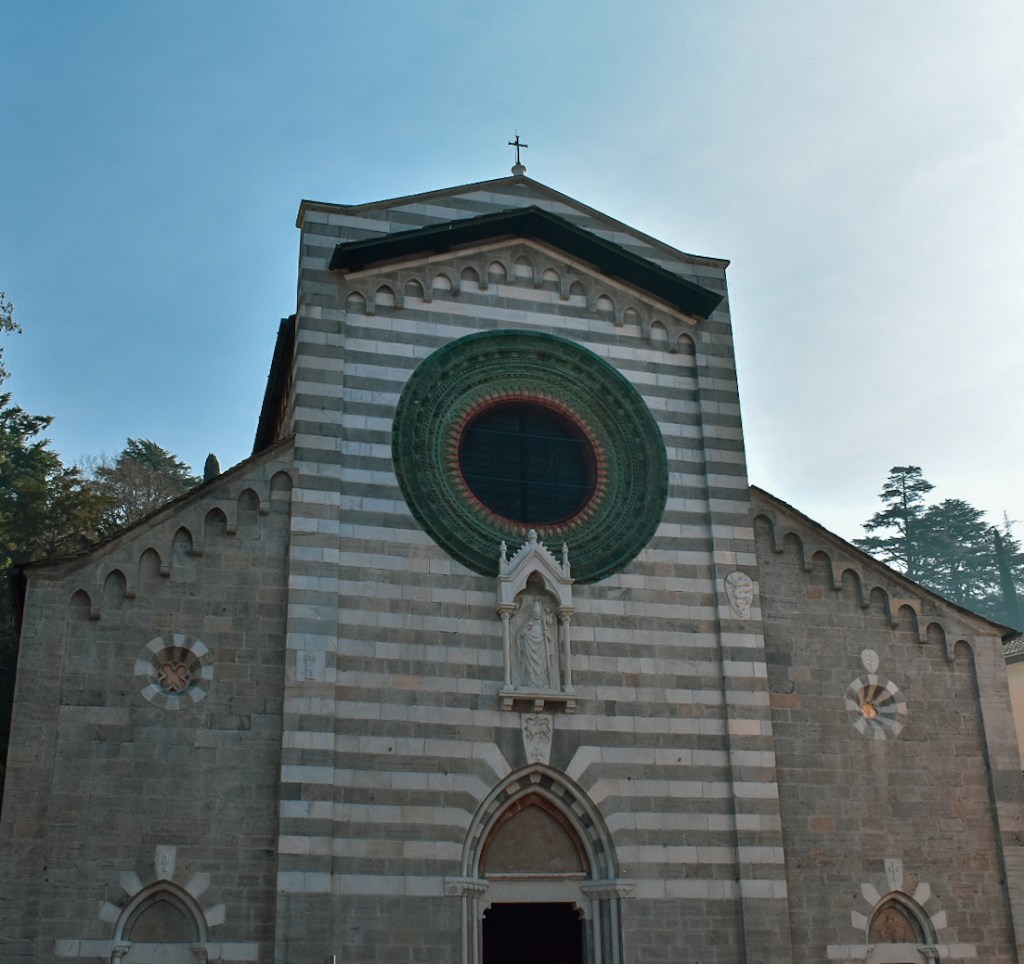
Another must-see attraction in Bellano is the Chiesa di Santa Maria, a beautiful 12th-century church with a stunning rose window and frescoes depicting scenes from the life of Christ. The church also offers spectacular views of Lake Como and the surrounding mountains.


For outdoor enthusiasts, Bellano offers plenty of opportunities for hiking, cycling, and water sports. The town’s waterfront promenade is perfect for a leisurely stroll or bike ride, while the lake provides a picturesque backdrop for kayaking, swimming, and windsurfing.


In the summer, Bellano hosts several cultural events, including music festivals, art exhibitions, and food and wine tastings. These events showcase the town’s rich history and traditions and provide a wonderful opportunity to experience Italian culture firsthand.


Bellano is a hidden gem that offers a unique blend of natural beauty, history, and culture. Whether you’re looking for adventure, relaxation, or cultural immersion, Bellano is definitely worth a visit.

Have a wonderful day!

Something went wrong. Please refresh the page and/or try again.

Truffles and wine tasting in Le Langhe

It’s truffle season!

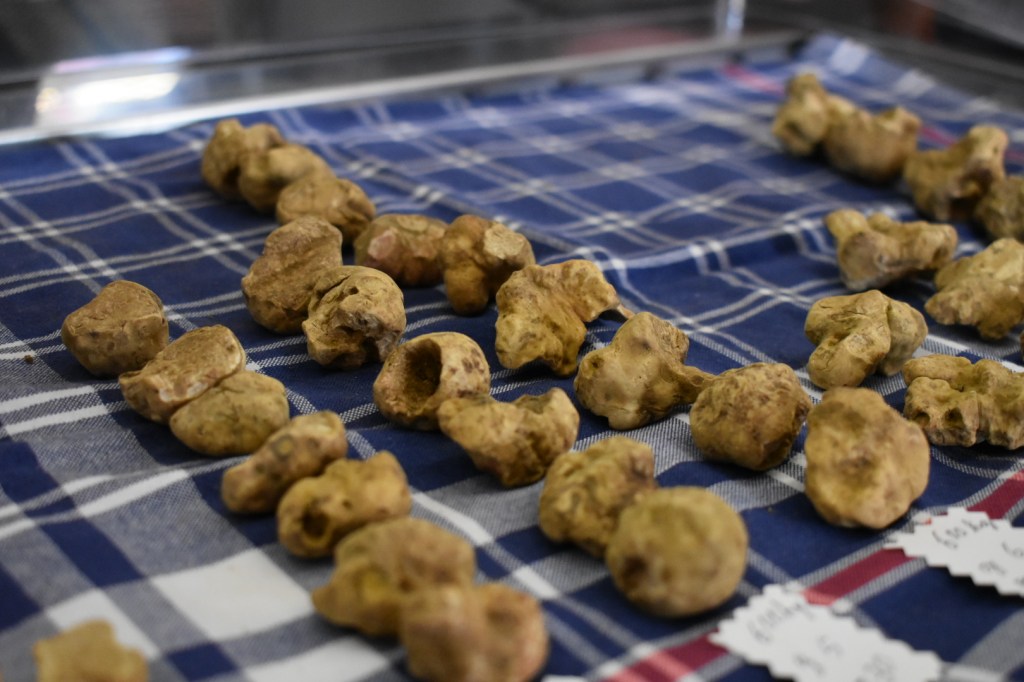
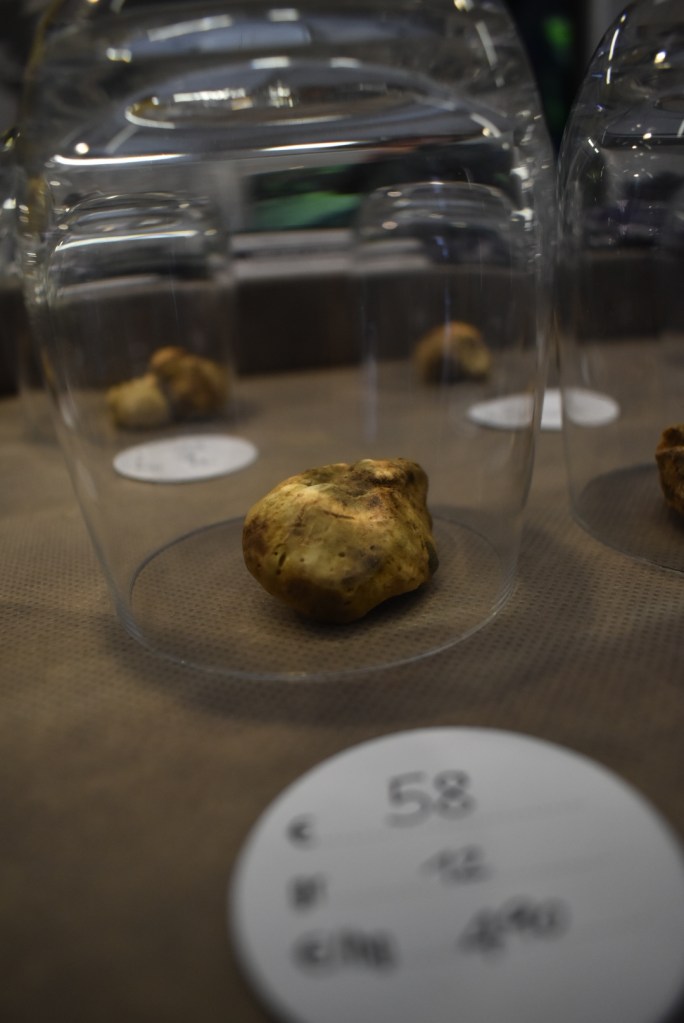
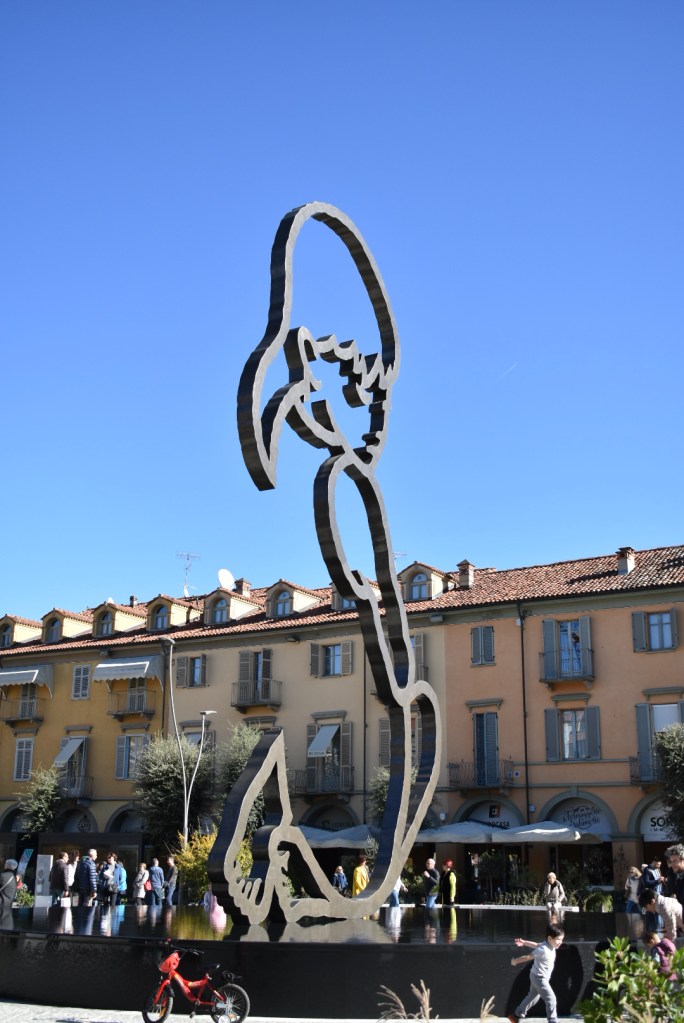
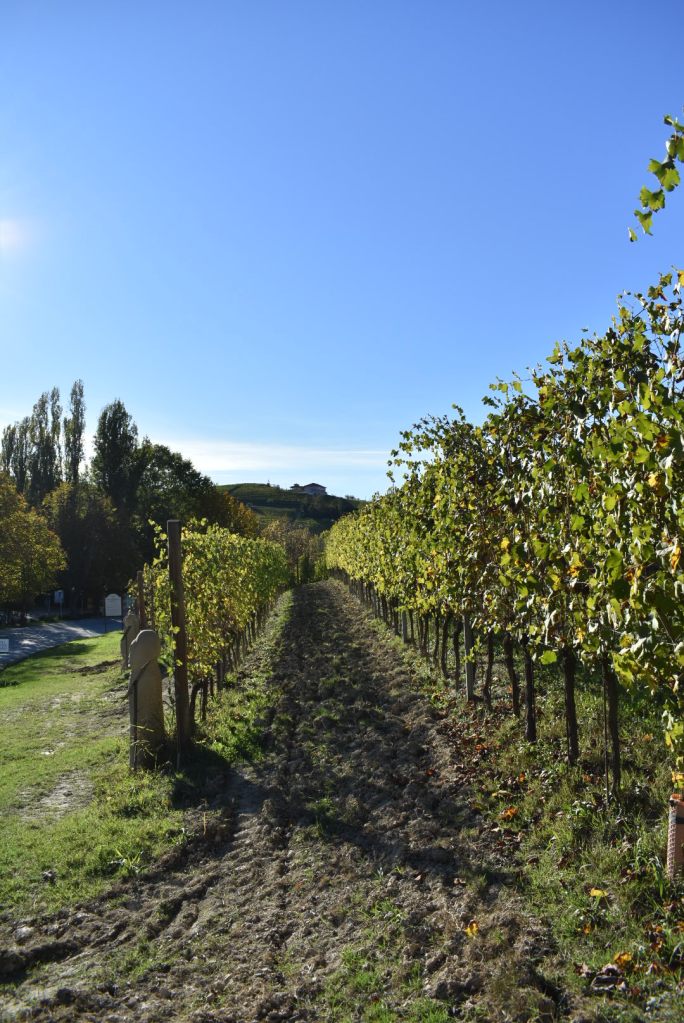
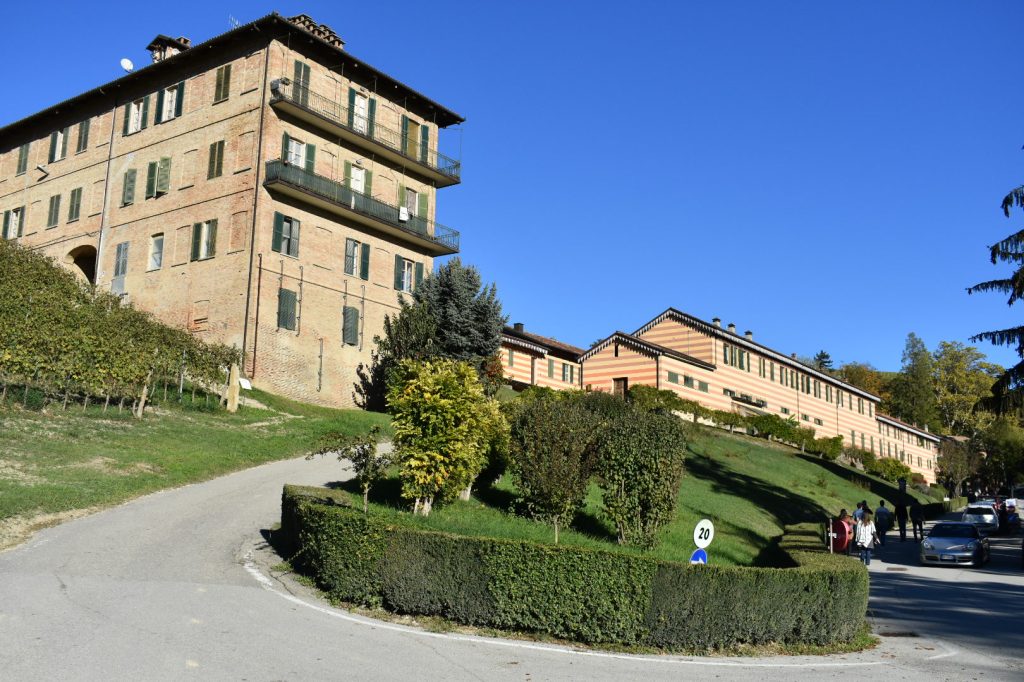
White truffle season is from September to December when they grow wild in the forests around Alba. So of course, being in Lombardia, we had to take a trip to Le Langhe in Piedmont. This area is famous for its wines, cheeses, and truffles, particularly the white truffles of Alba, which was our first stop. As soon as we parked the car we headed straight to the International Alba White Truffle Fair which takes place from the 8th of October until the 4th of December.

There are several different activities that you can do at the fair from Wine Tasting Experiences to Truffle Sensory Analysis, Cooking Shows and Fresh Pasta Ateliers. Entry with no additional activities is 5 euros per person. We really enjoyed the fair, I mean, give me truffles on anything and I’m happy.

While all truffles are deeply valued, the white truffle from Alba (a particular species called tuber magnatum) is the most desired for its unforgettable flavour. Its earthy flavour is excellent in risotto, pasta, shaved over fried eggs and on meat.

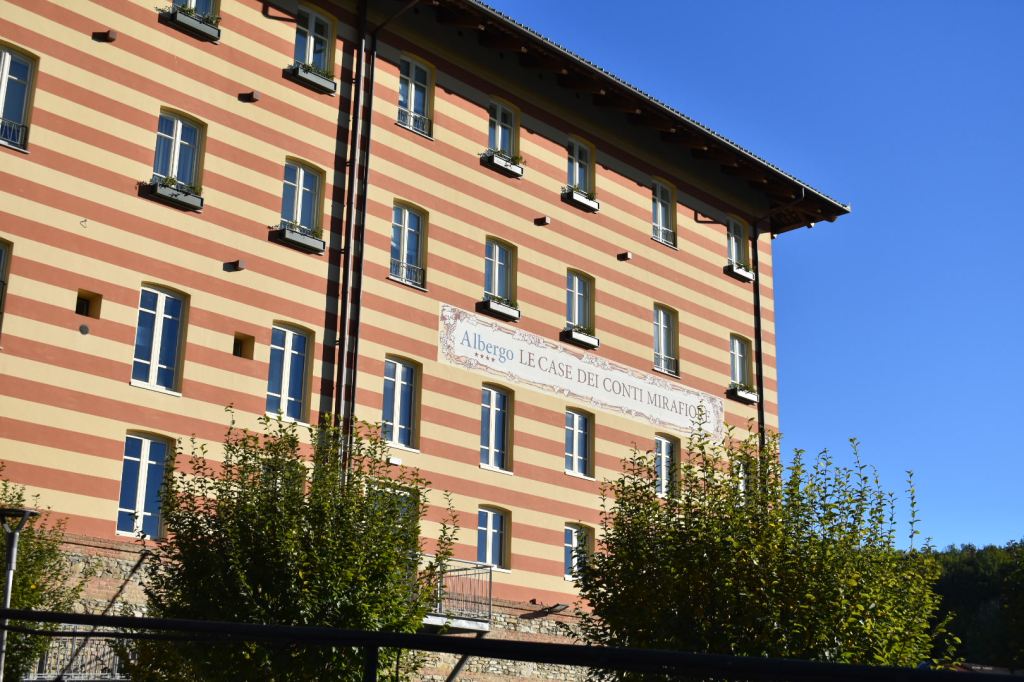
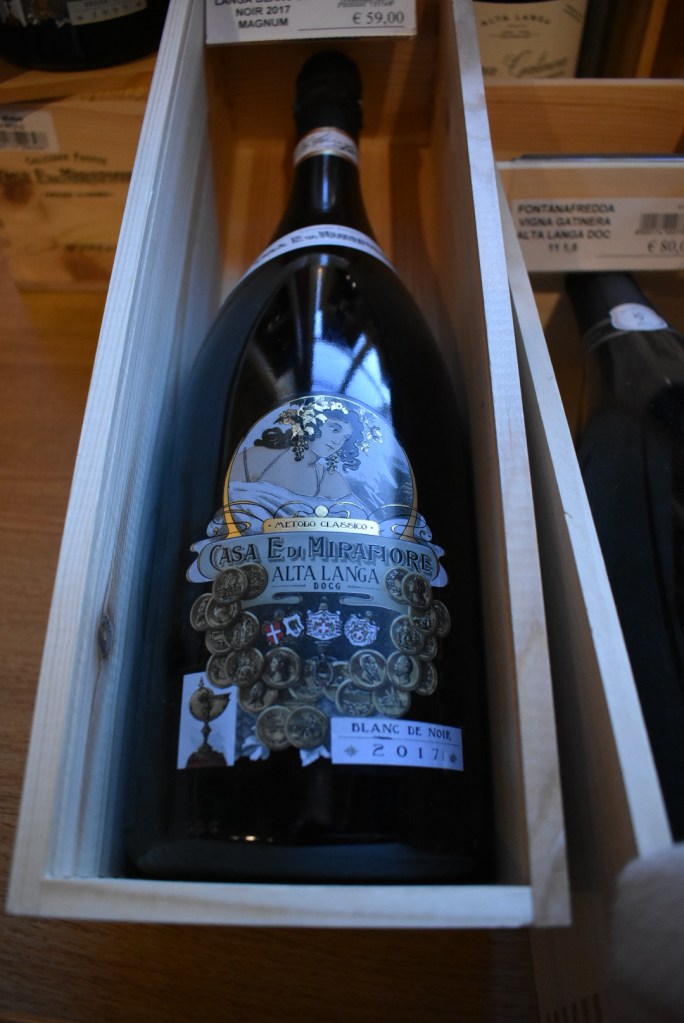
Wine tasting at Villaggio Narrante in Fontanafredda – Casa E. di Mirafiore

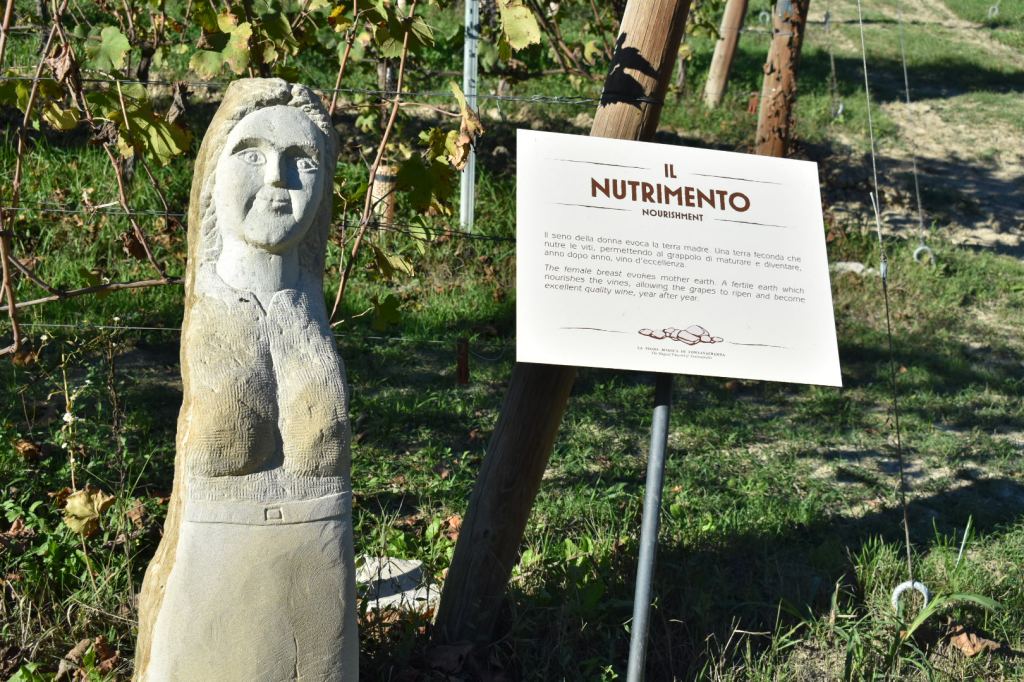
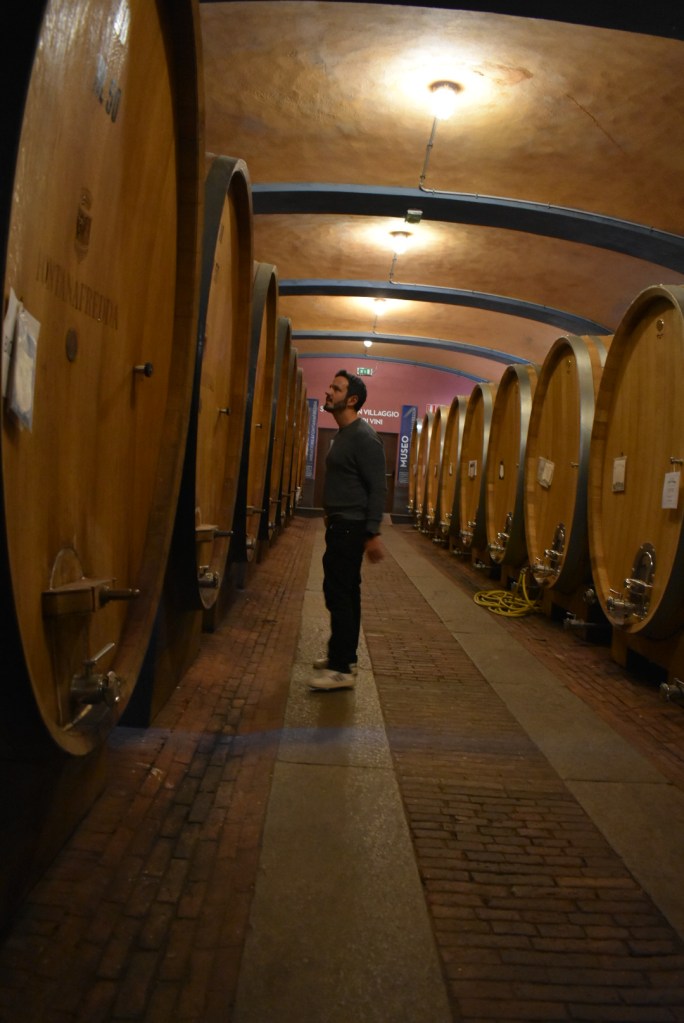
After lunch at the Truffle fair, we headed to Fontanafredda, to the Villagio Narrante for a wine-tasting experience. 120 hectares of bio-natural reserve in Serralunga d’Alba, in the heart of Barolo.

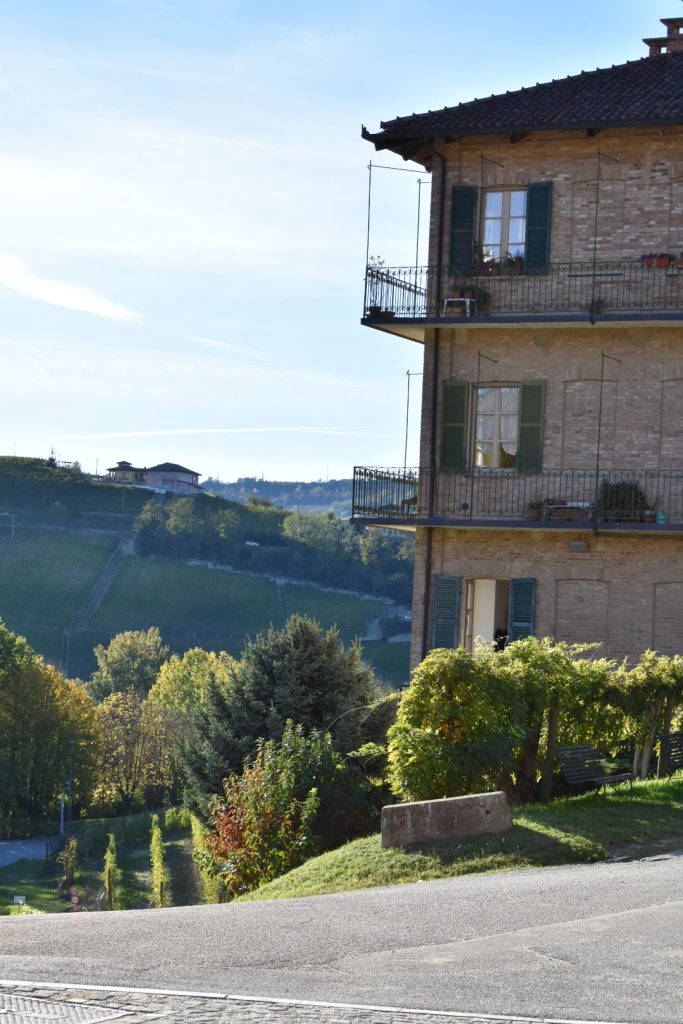
Villagio Narrante was founded thanks to Emanuele Alberto, the son of King Vittorio Emanuele II, with the aim of creating a village with a school, a church, a tobacconist, a baker and a recreational club. A real village which became home to 250 people, all employed by the winery, and where 15 families still live today.

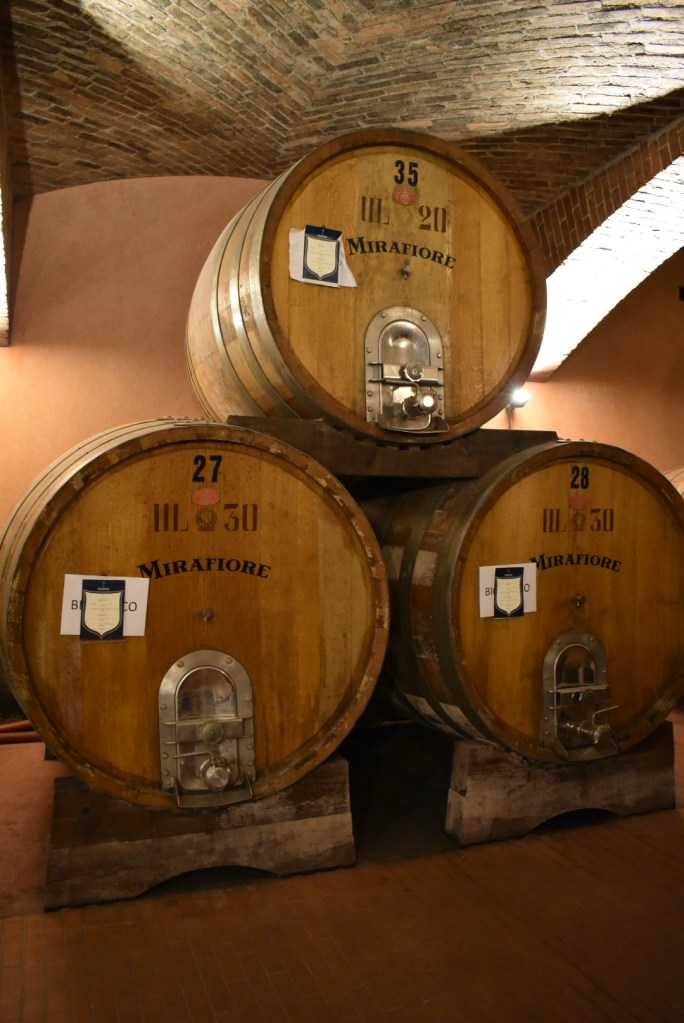
There are several different experiences but we went for the Barolo of Serralungo tour at 40€ per person. A guided tour of Fontanafredda’s historical cellars and tasting of three Barolo wines which have made the winery an icon of this wine throughout the world: Barolo DOCG Serralunga d’Alba, Barolo DOCG Proprietà in Fontanafredda, Barolo DOCG Vigna La Rosa.

The tour was brilliant, it was so interesting to learn about the history of the vineyard. Once you’re done with the tour, you get a 10% off voucher that can be redeemed in-store and before buying any of the wines you can ask to taste them first.

Dinner at Rabayá – Restaurant in Barbaresco

For dinner, we went to Rabayá, a restaurant overlooking rolling hills surrounded by miles of vineyards. The restaurant serves classic Piemontese dishes. It was a brilliant experience and even though we went for a set menu they were happy to replace some of the dishes. The Cocotte was one of my favourite dishes, so simple but so good.

Menu Degustazione


Il vitello Fassone cotto e crudo

(Piedmont veal meat in two ways: raw and cooked)

Cocotte di zucca e fonduta con tartufo nero

(Pumpkin with fonduta cheese and black truffle)

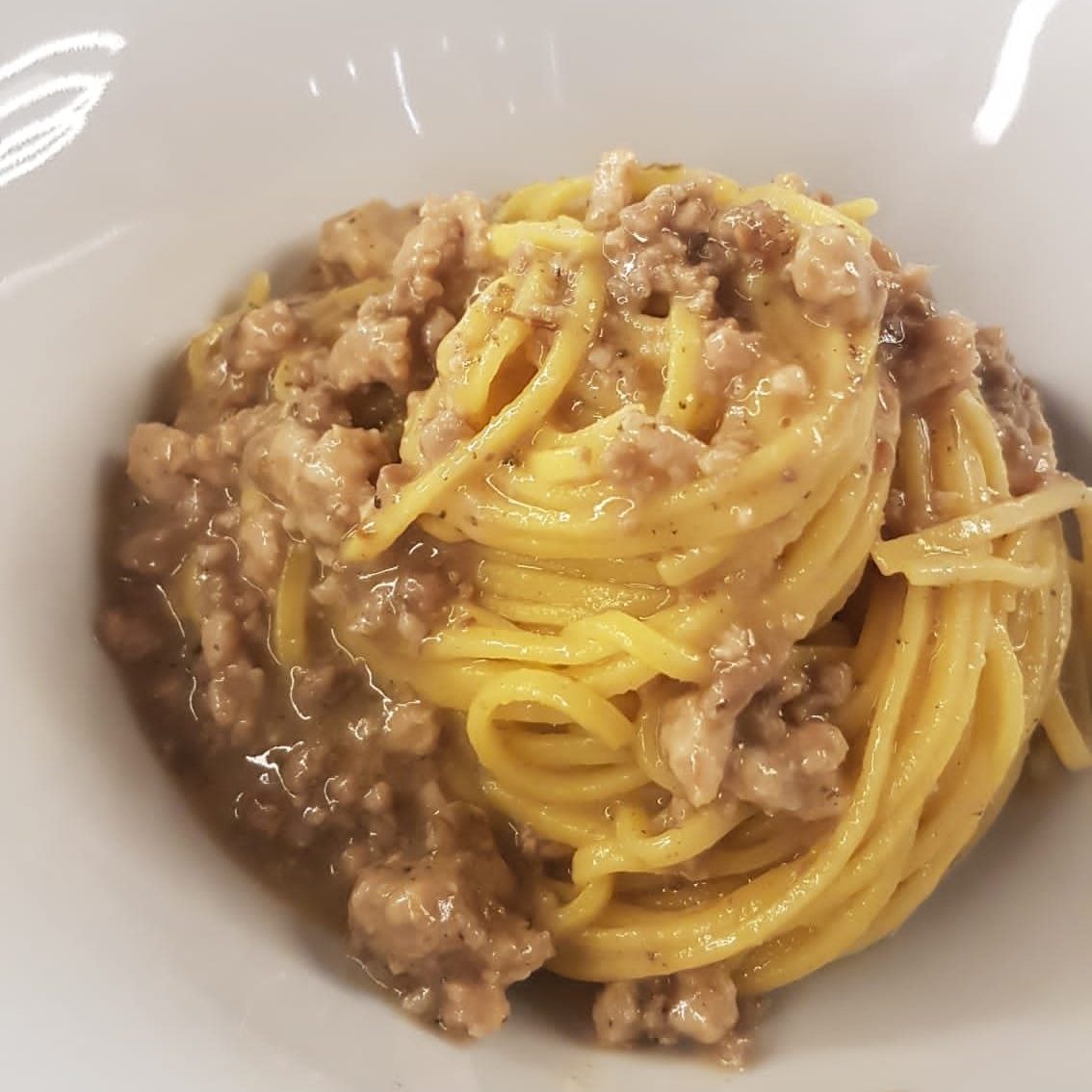
Tajarin ai 30 tuorli al ragù di salsiccia di Bra

(Thin tagliatelle with bra sausage sauce)

Tenera di vitello al Barbaresco

(Veal shoulder in Barbaresco wine sauce)

Dolce misto

(Mix of desserts)

€ 40,00 bevande escluse
(DRINKS NOT INCLUDED)

Breakfast and Aperitivo in Barbaresco

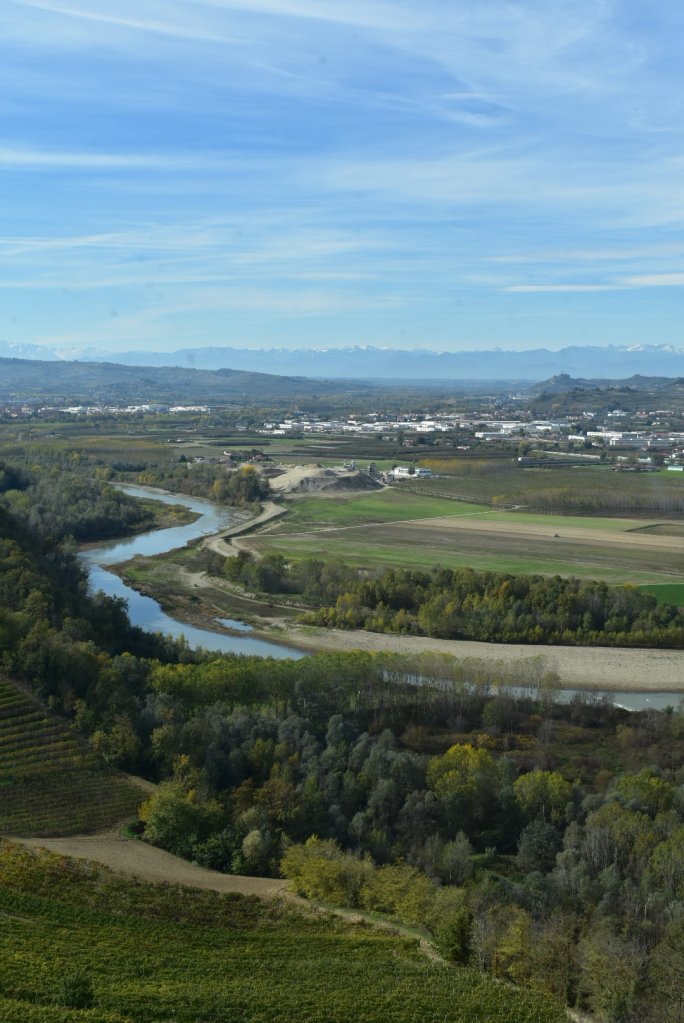
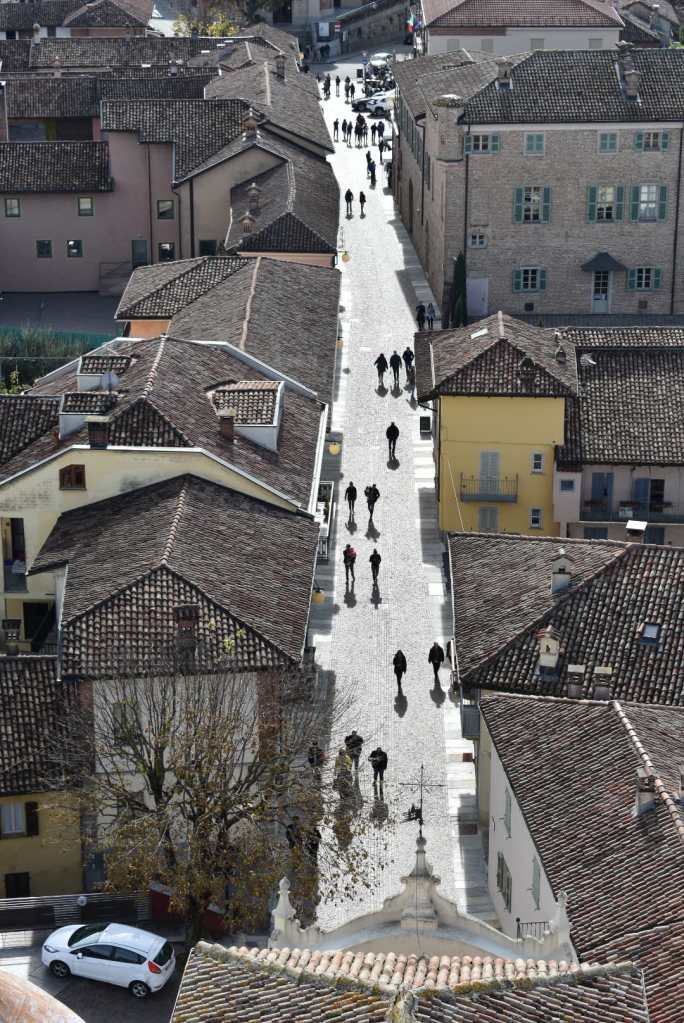
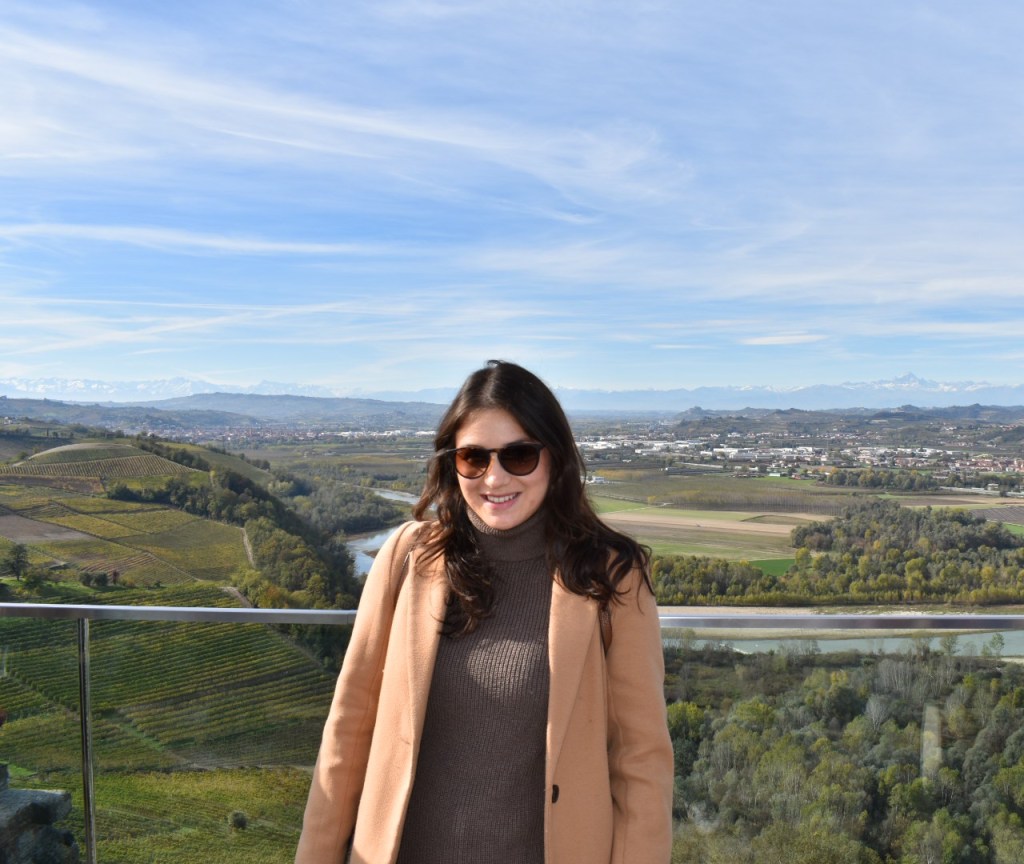
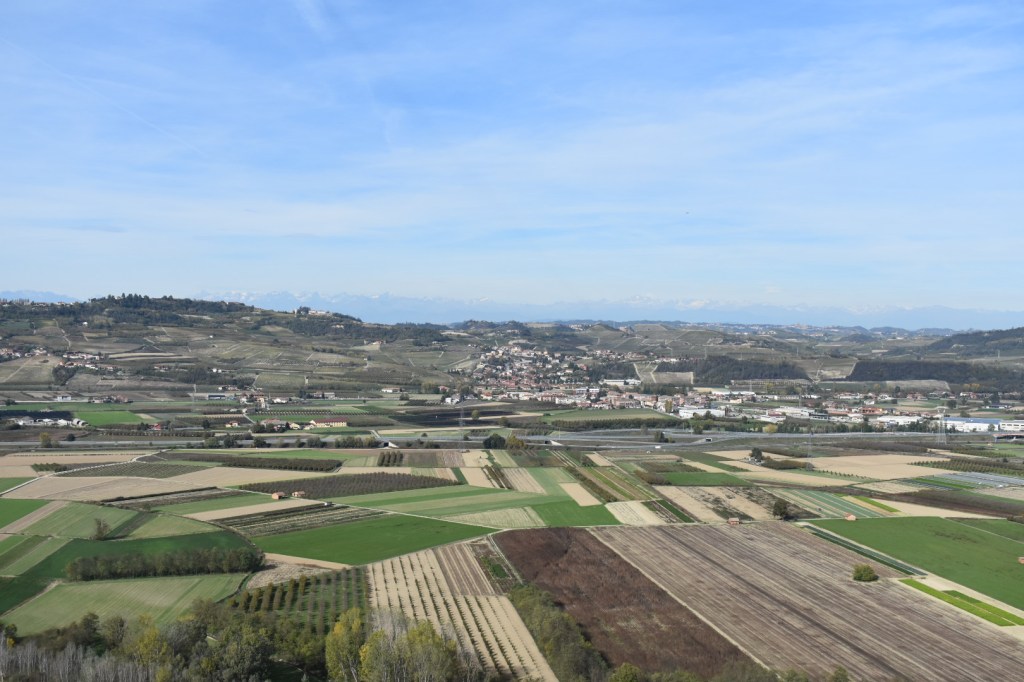
The following day we visited the tower of Barbaresco, which has 360 views of the Langa and Roero area. The weather was so nice, everyone was outside having late breakfast or starting early on their aperitivo.

Tickets to access the Barbaresco tower are 7€ – 8€ per person (adults).

You can check the website here for more information on discounted tickets.

Neive

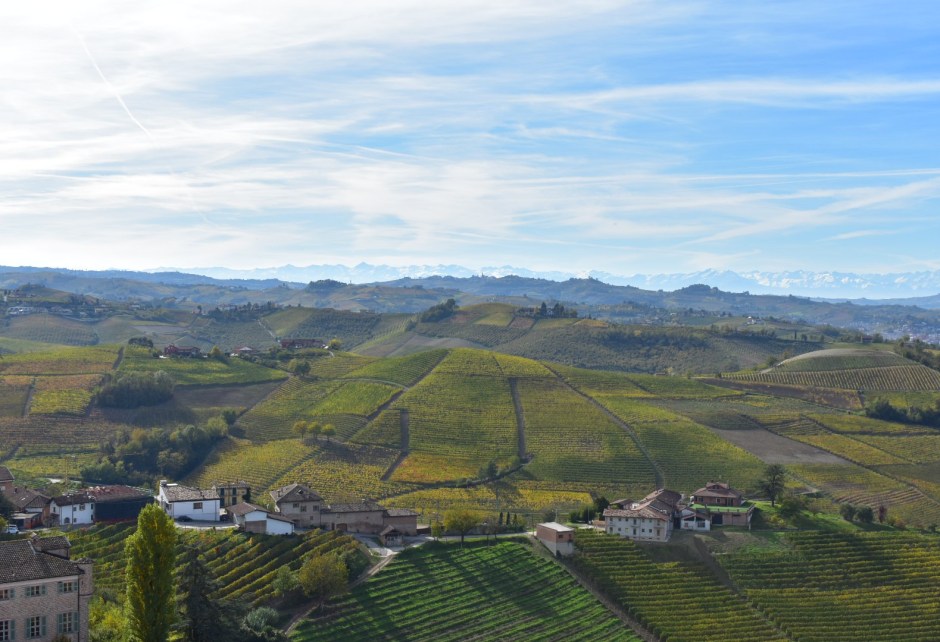
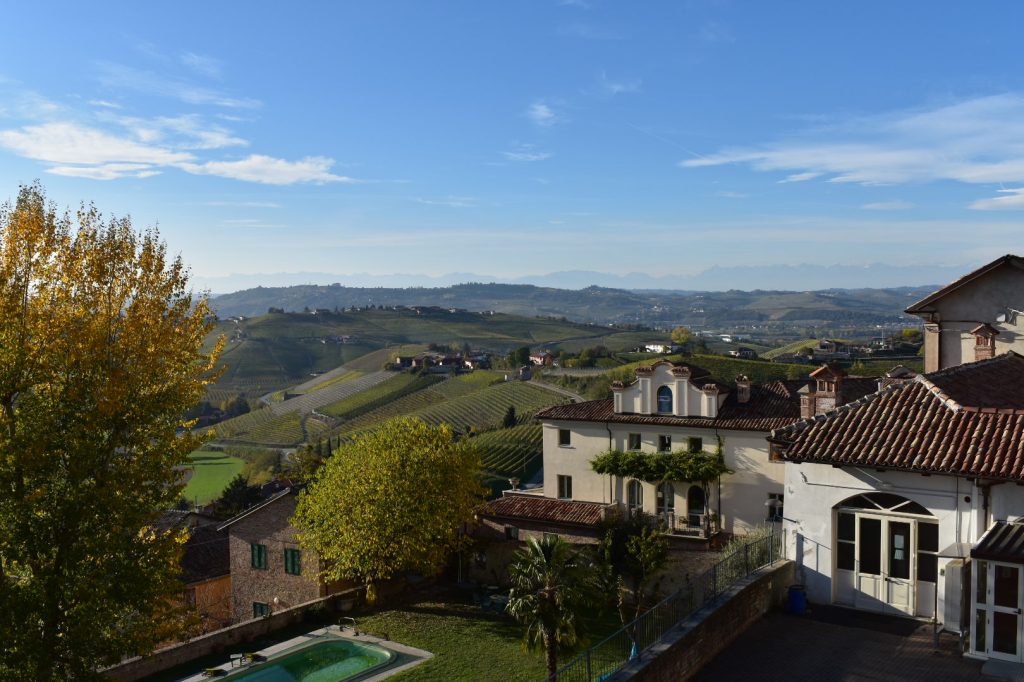
Considered one of the most beautiful villages in Italy, Neive is a small village with a population of around 3000. It is mostly visited by visitors looking for agritourism. It is a great day out and the views around the village are incredibly beautiful.

For lunch, we went to Ristorante Naevia which I highly recommend. It serves traditional Piemontese dishes and the service was wonderful. I had the tagliarini al ragu di coniglio, it was delicious. You can get a set menu for 45€ per person excluding wine which includes the following:

Menù Tradizionale – Traditional Menù

Carne cruda di Fassona battuta al coltello e maionese alla nocciola.

(Hand-cut Fassona veal tartare and hazelnut mayonnaise)

Tajarin 30 tuorli con ragù di coniglio aromatizzato alle erbe di Langa.

(30 yolk Tajarin with rabbit ragù seasoned with Langa herbs)

Brasato della tradizione con purè di patate.

(Traditional Beef stew with potato purè)

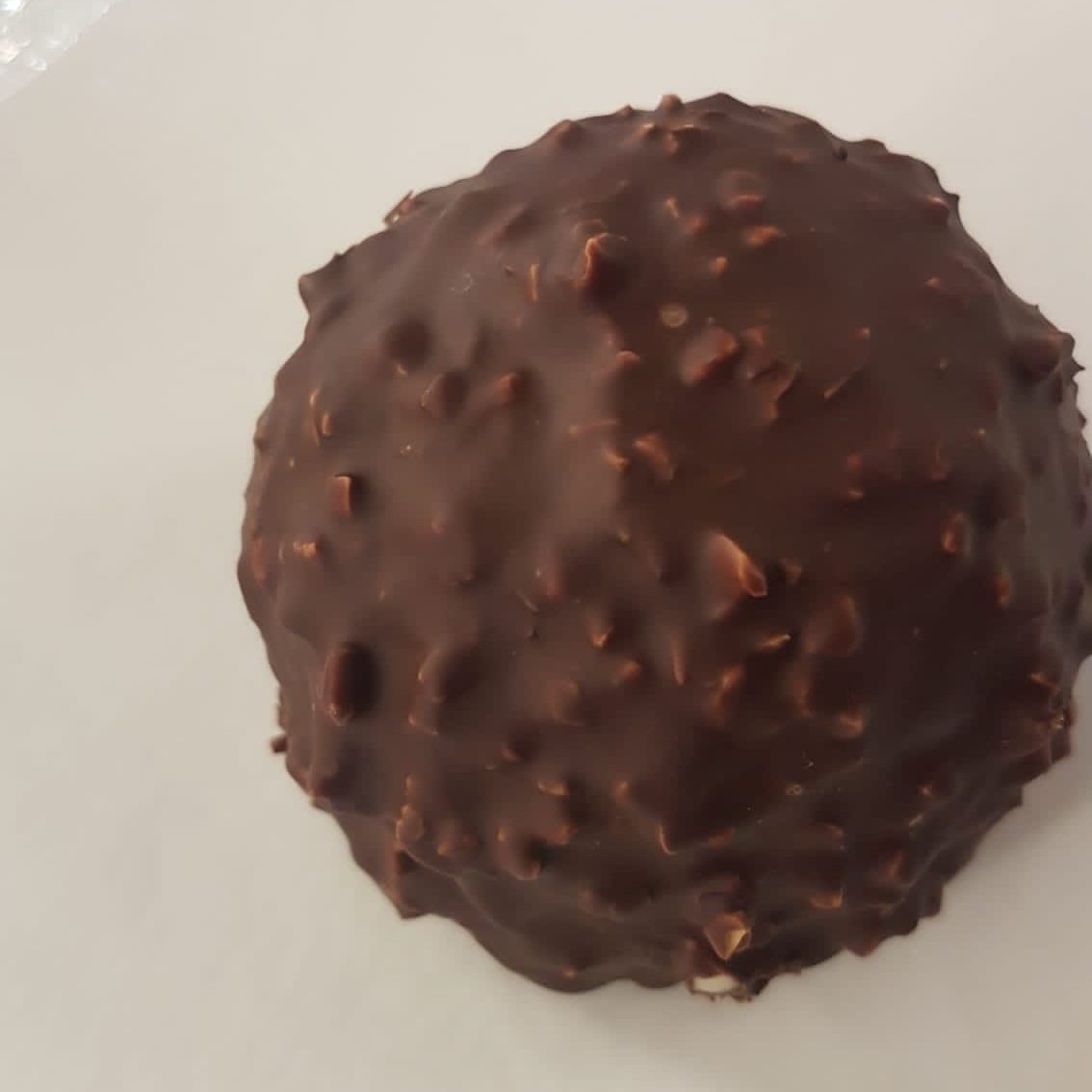
Sfera di “Bonet”

(“Bonet” Sphere)

€ 45 Bevande escluse (Drinks not included)

Getting there

The easiest way to explore this area and to get to Alba, is by car. It took us around 2 hours to get there from Monza.

By train: From Turin, you can take the train (Trenitalia) and be in Alba in around an hour. From Milan, it’s around 3h 30m with a stop in Turin.

It was such a wonderful weekend and I can’t wait to explore more of the area.

Did you enjoy this post?

Autumn in Italy – Varese

Visiting Varese

Hi!

How are you?

A couple of days ago, we took a little trip to Varese which is a city in northern Italy known for its art-nouveau villas and parks. It’s about an hour from Milan by train if you’re travelling from Milano Centrale station.

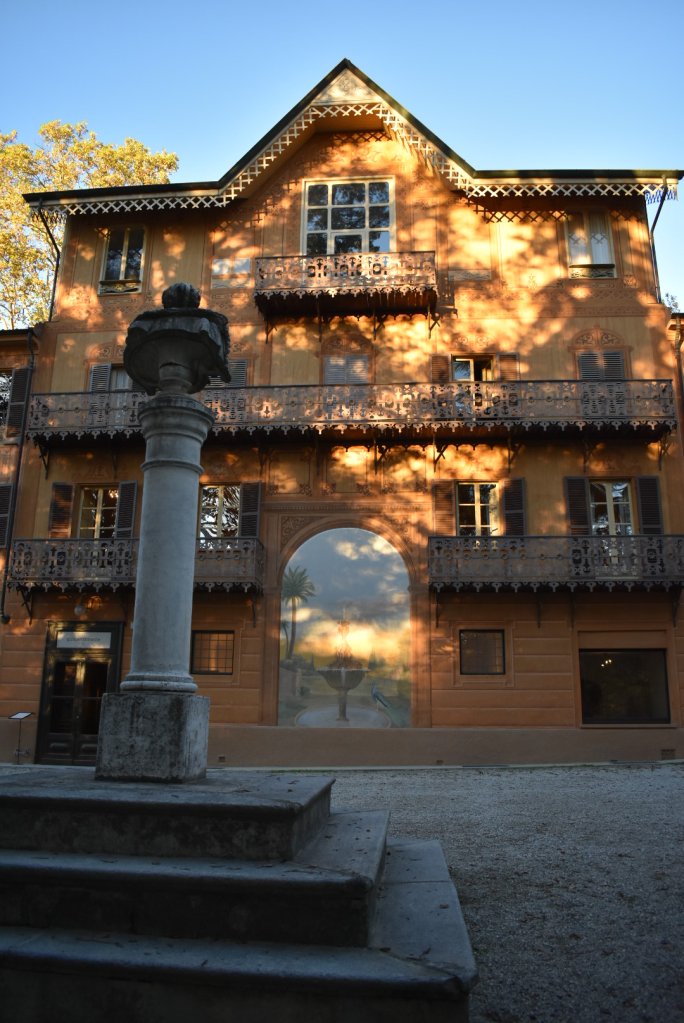
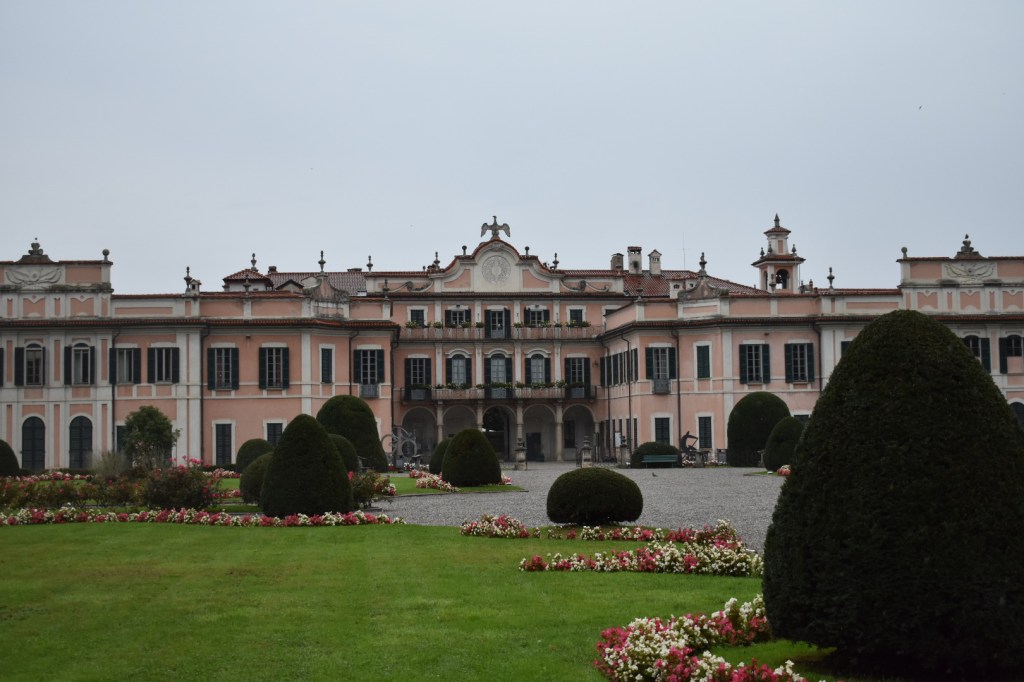
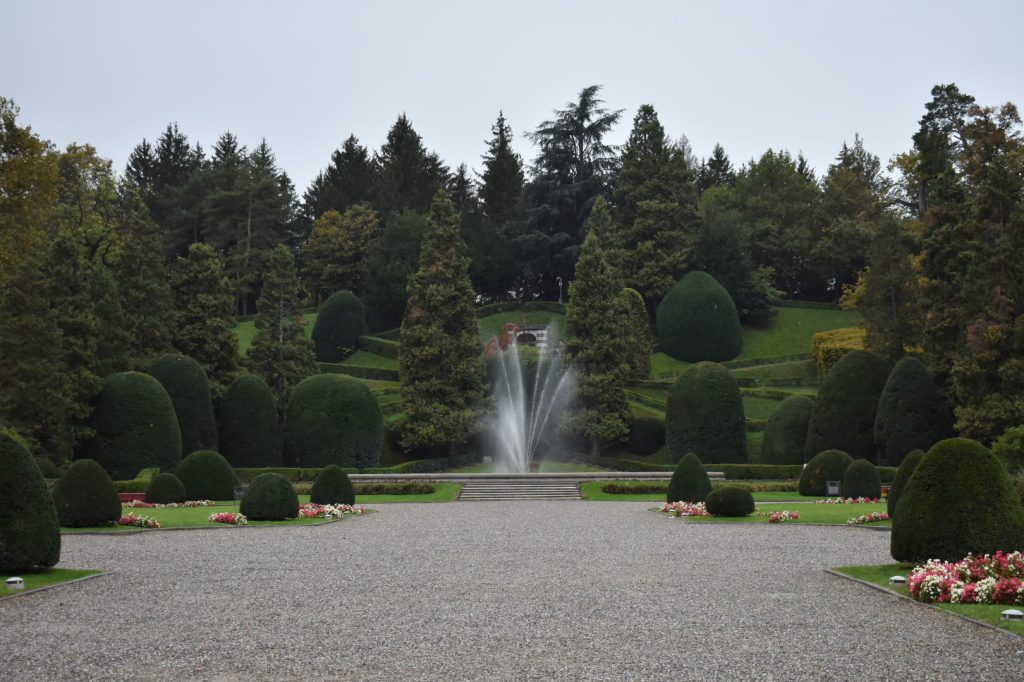
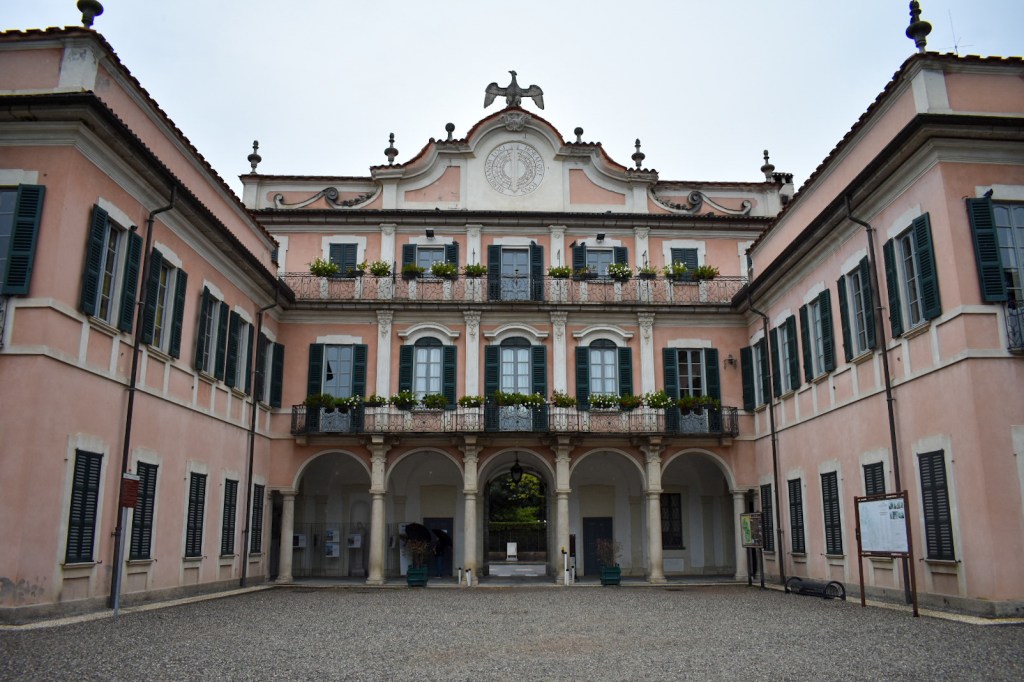
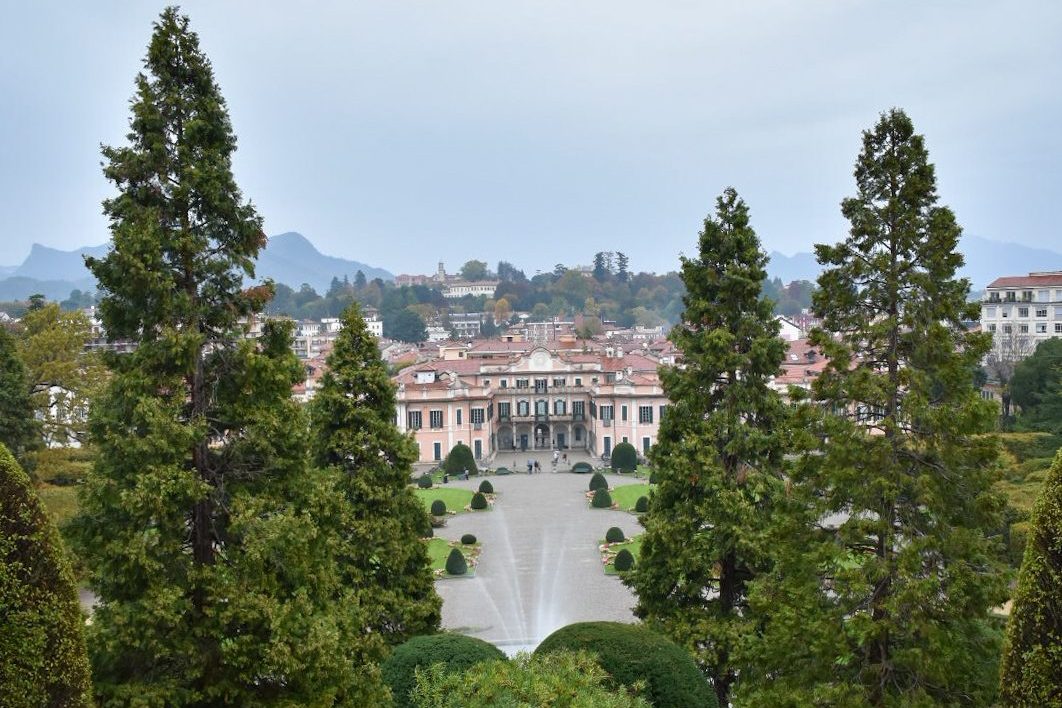
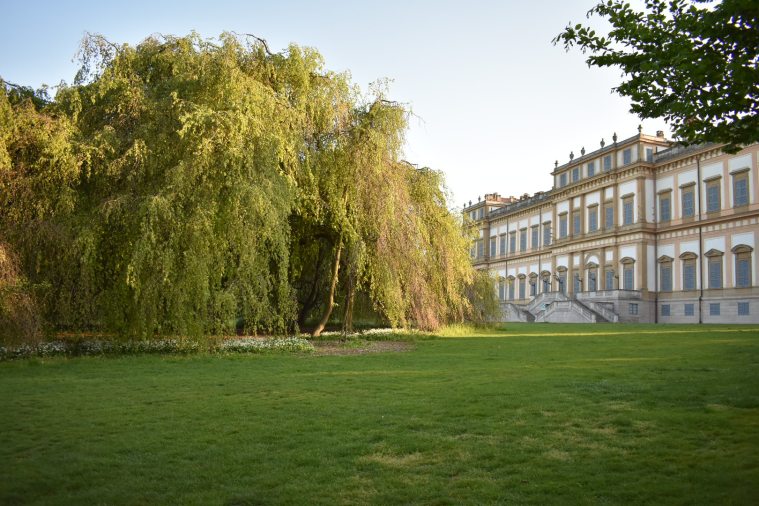
In Varese, we visited the beautiful baroque Estense Palace gardens which used to be the summer residence of Francesco III d’Este, Duke of Modena e Governor of Lombardia. The Duke was so enchanted with Varese that he begged the Empress Maria Theresa of Austria to entrust it to his rule. His request was granted. The gardens behind the villa were inspired by the grounds of the royal residence of Schönbrunn (a must-see if you visit Vienna).

OPENING HOURS

Open: all year
Opening times: variable
Admission: free

After visiting the gardens, we headed to Monte Sacro; a UNESCO world heritage site.

Campo dei Fiori Regional Park – Sacro Monte

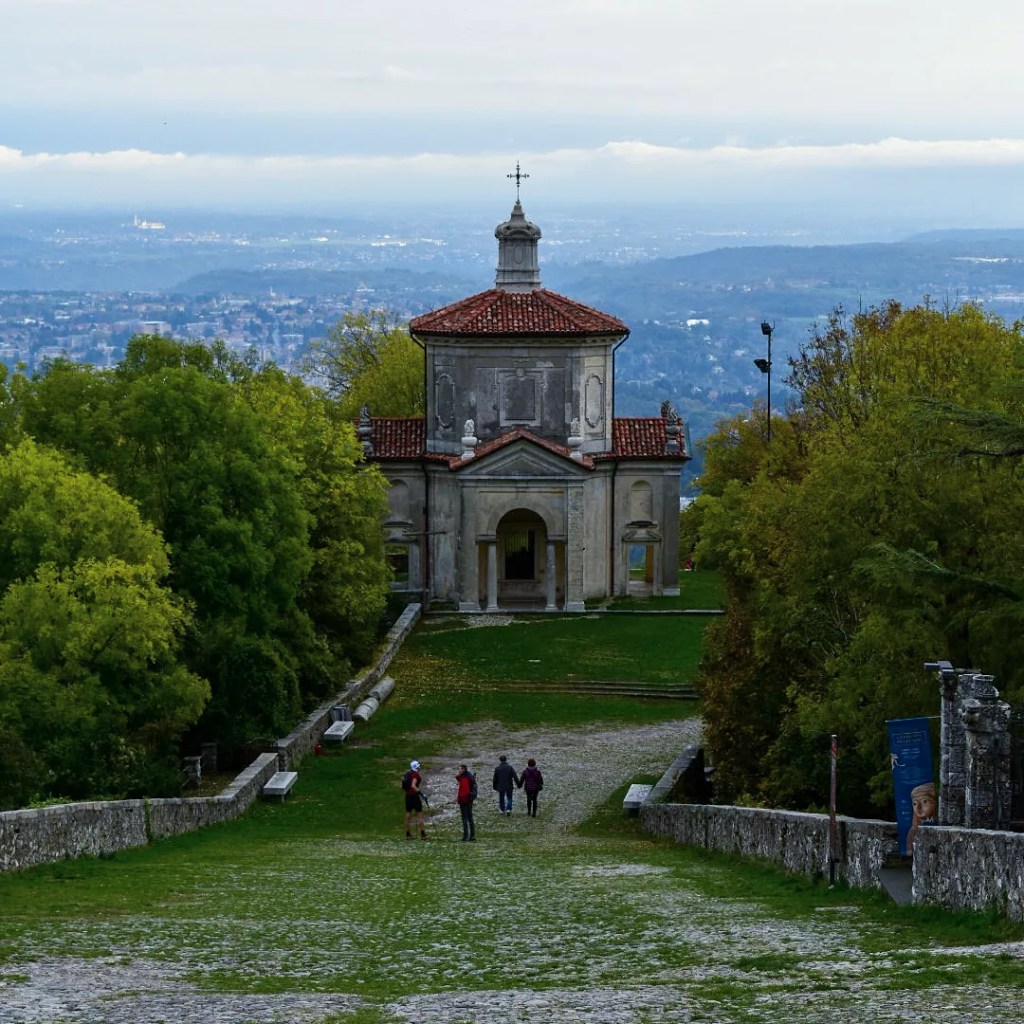
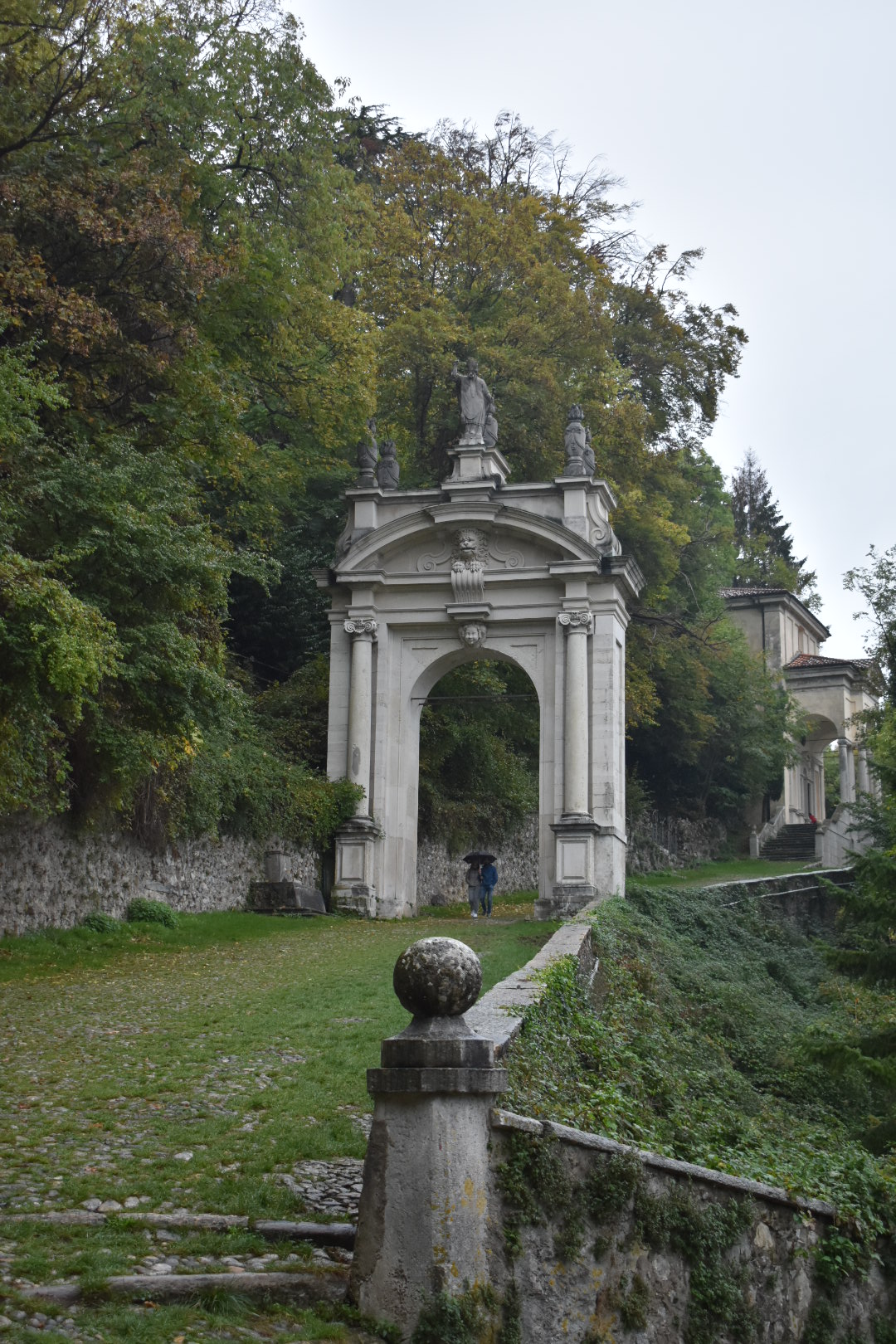
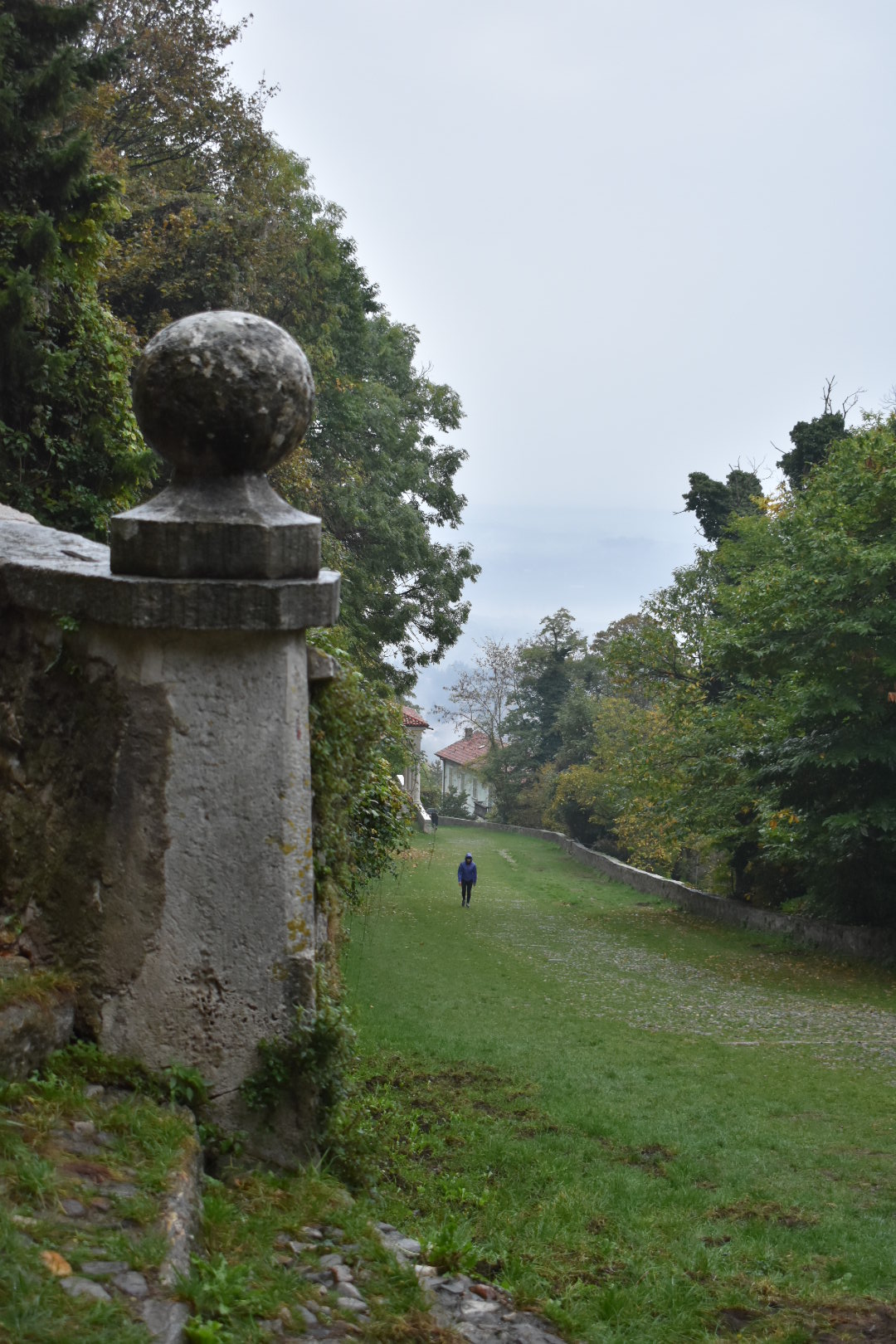
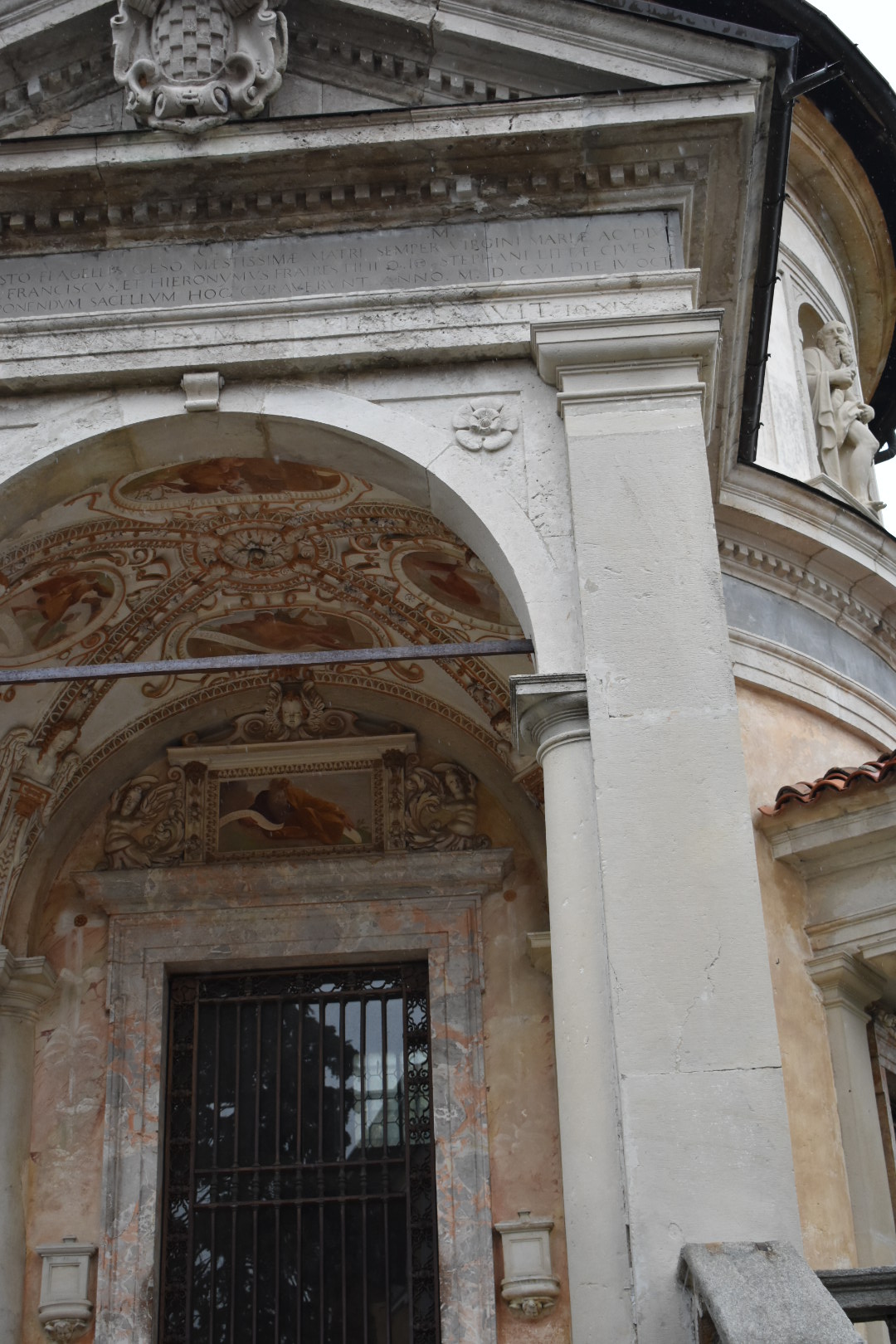
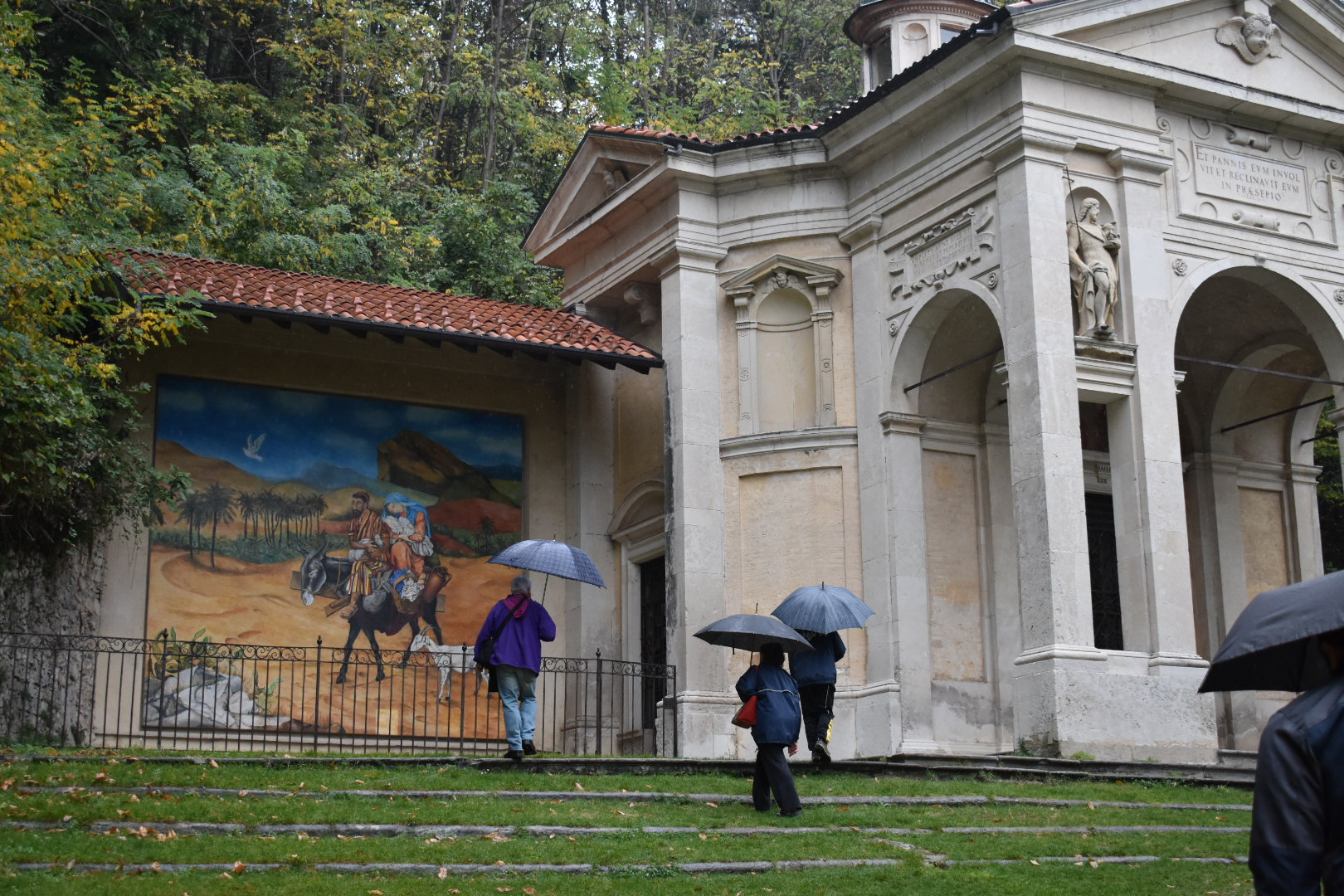
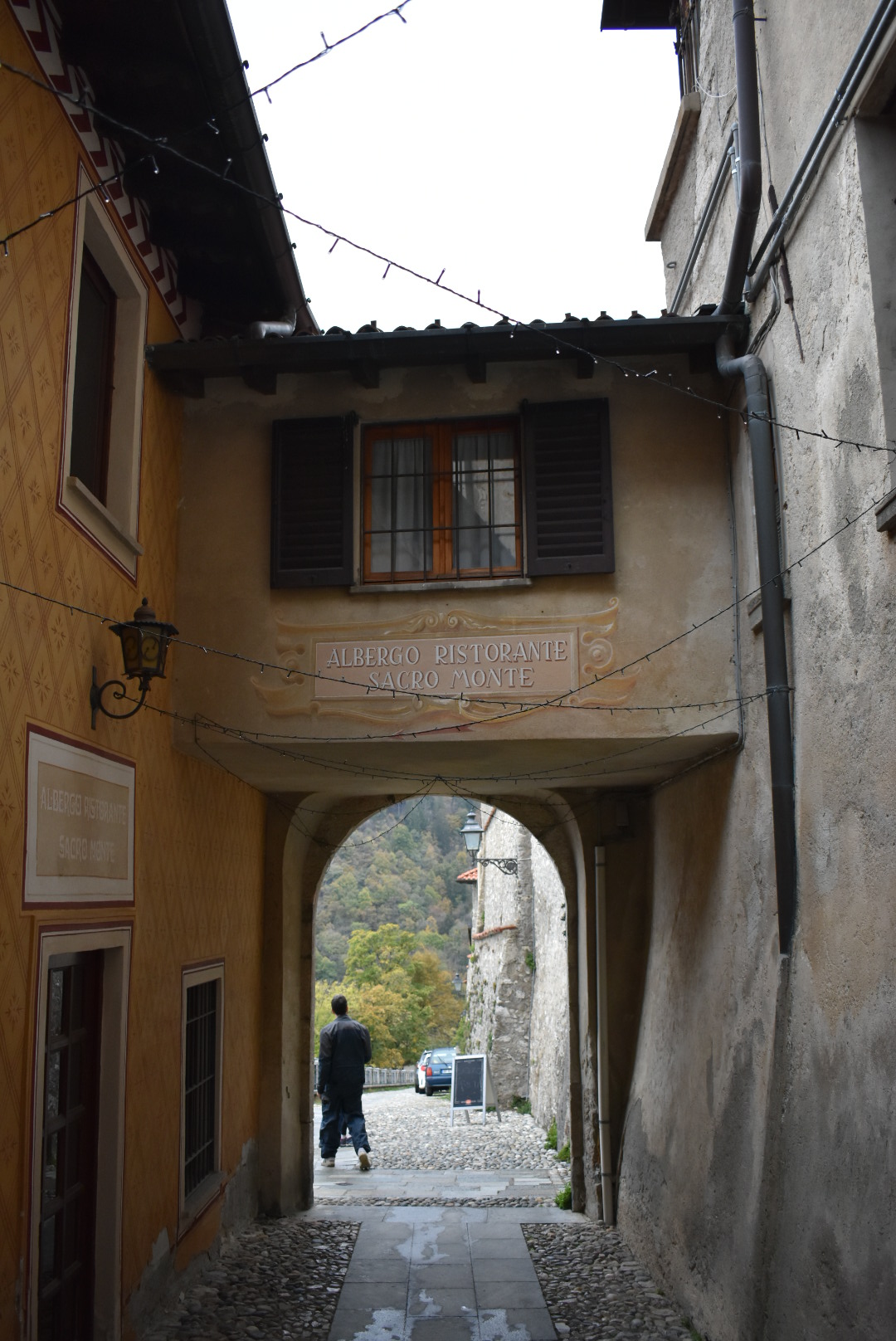
Campo dei Fiori Regional Park is home to the 17th-century Sacro Monte di Varese complex. It includes the Via Sacra, a 2km uphill path that passes 14 frescoed chapels on the way to a sanctuary.

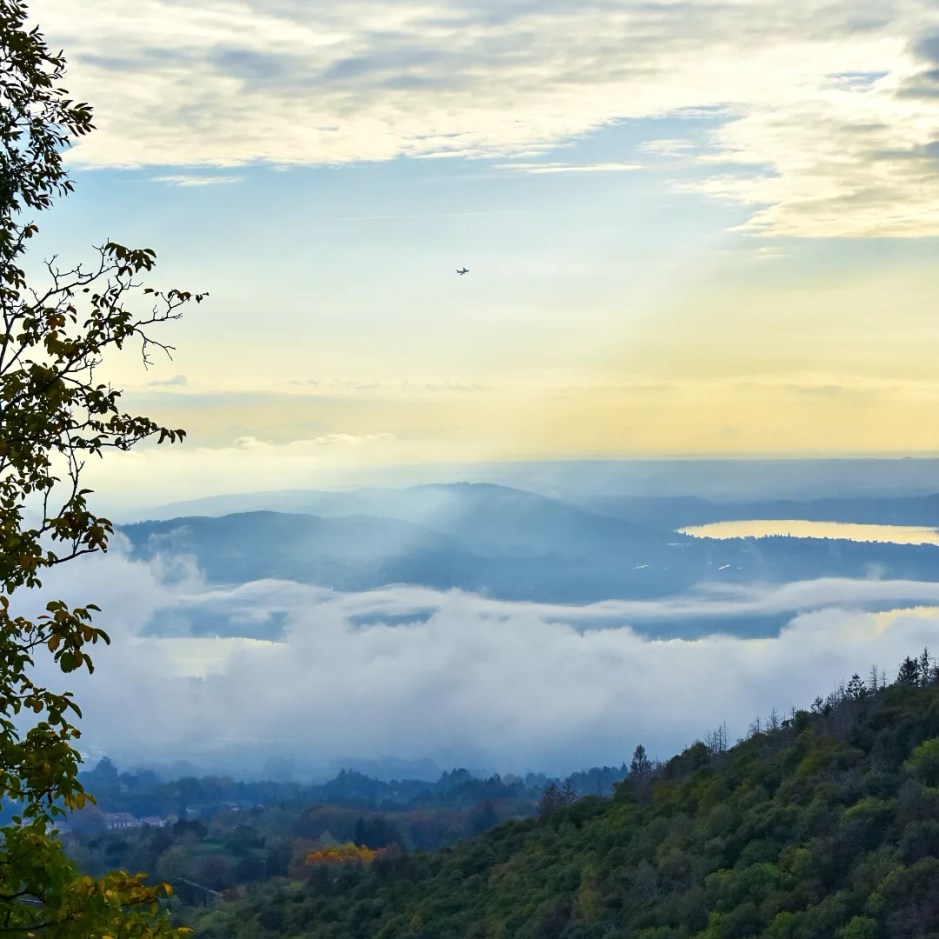
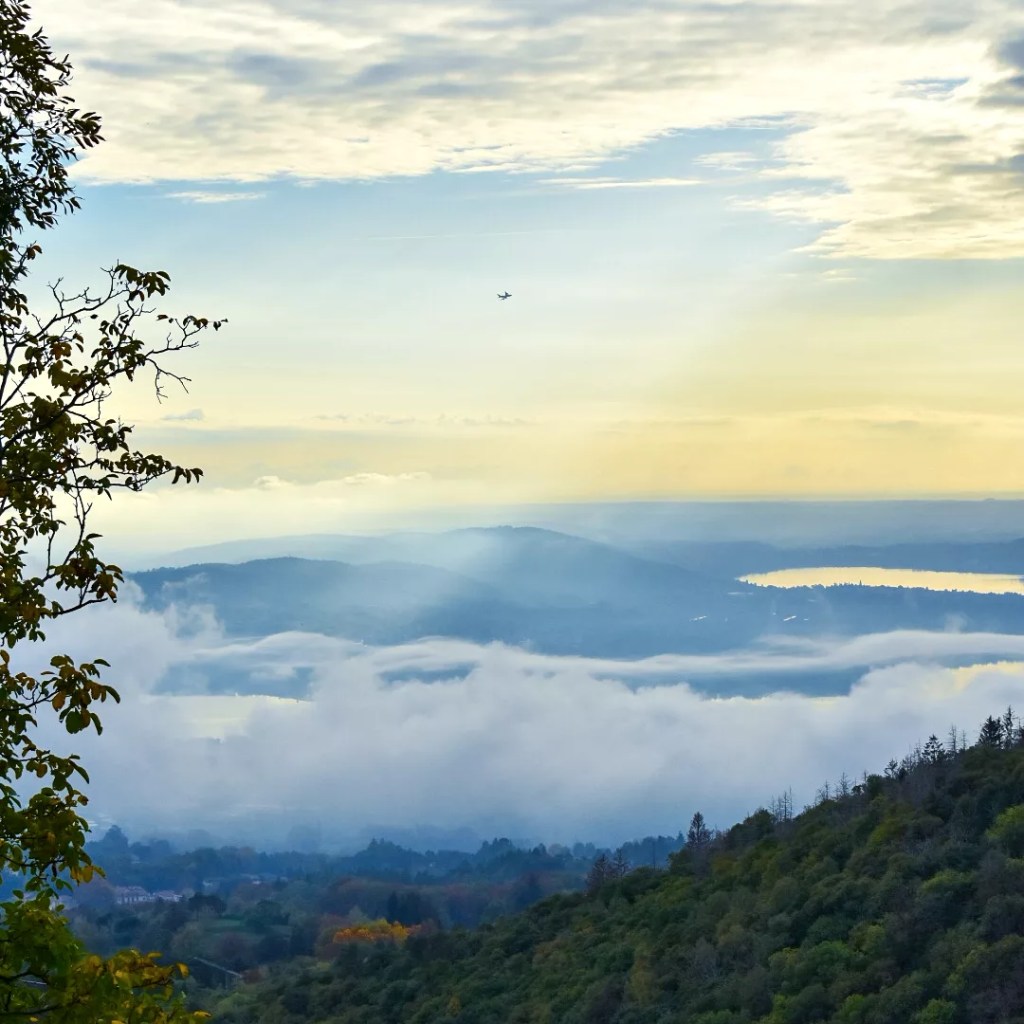
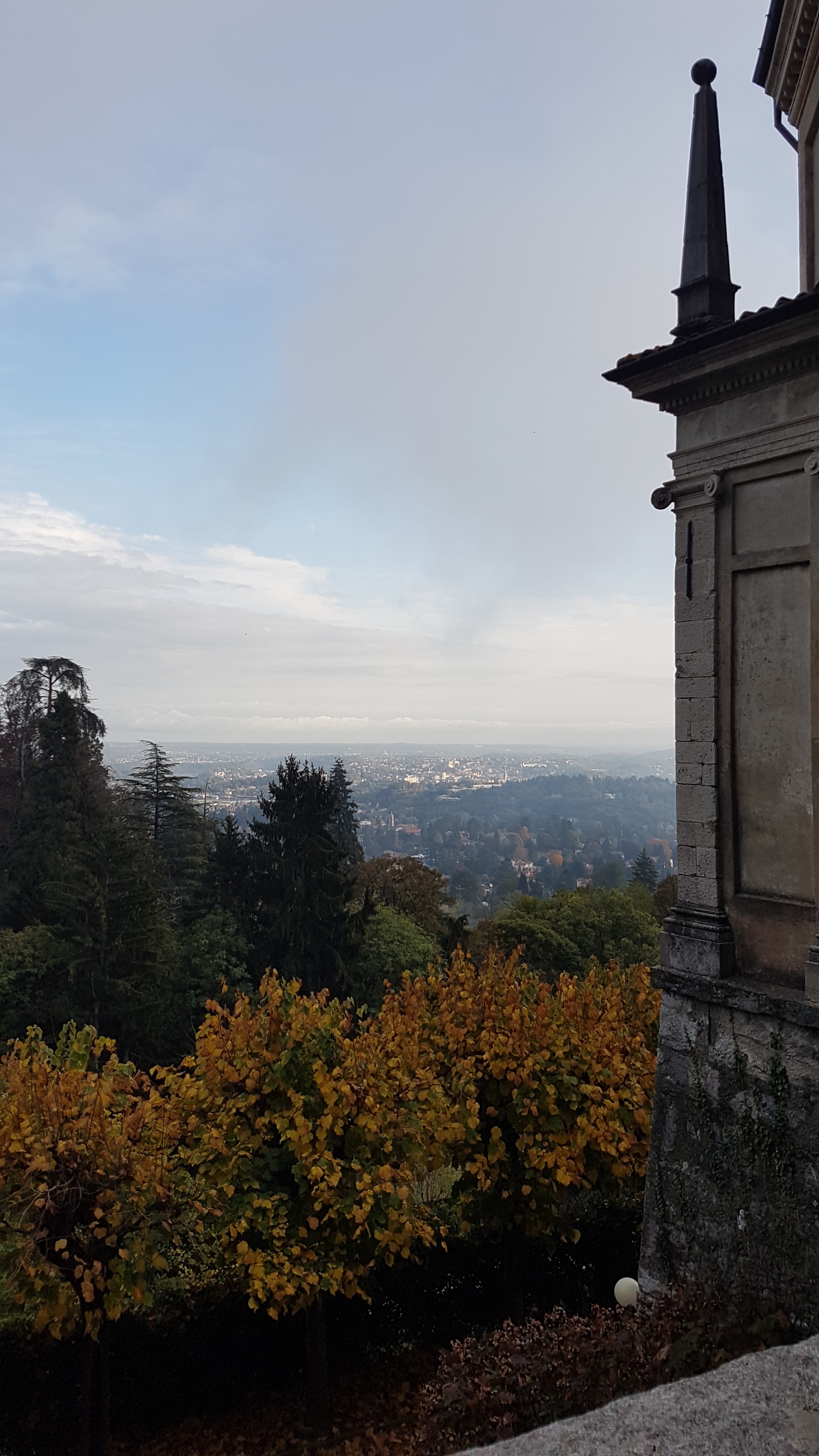
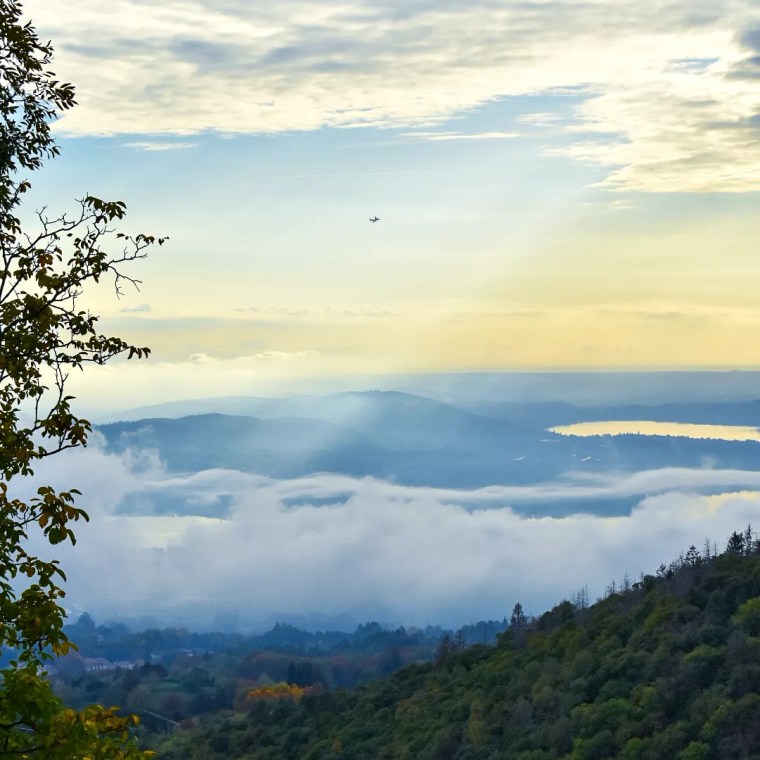
At the very top, there’s the small village of Sacro Monte with stunning views over the lake and mountains.

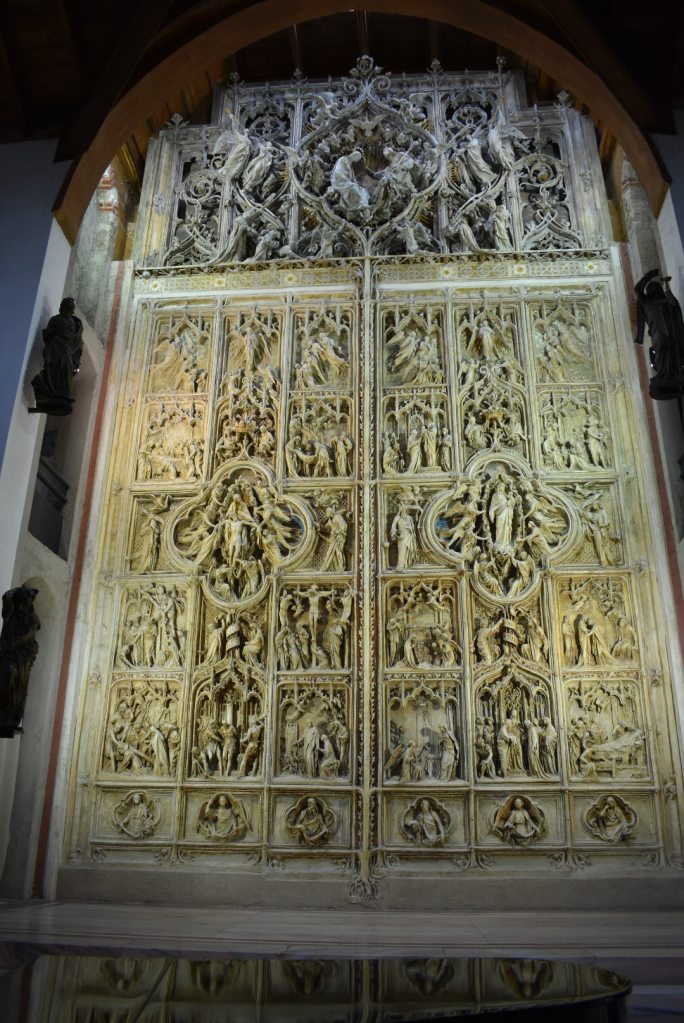
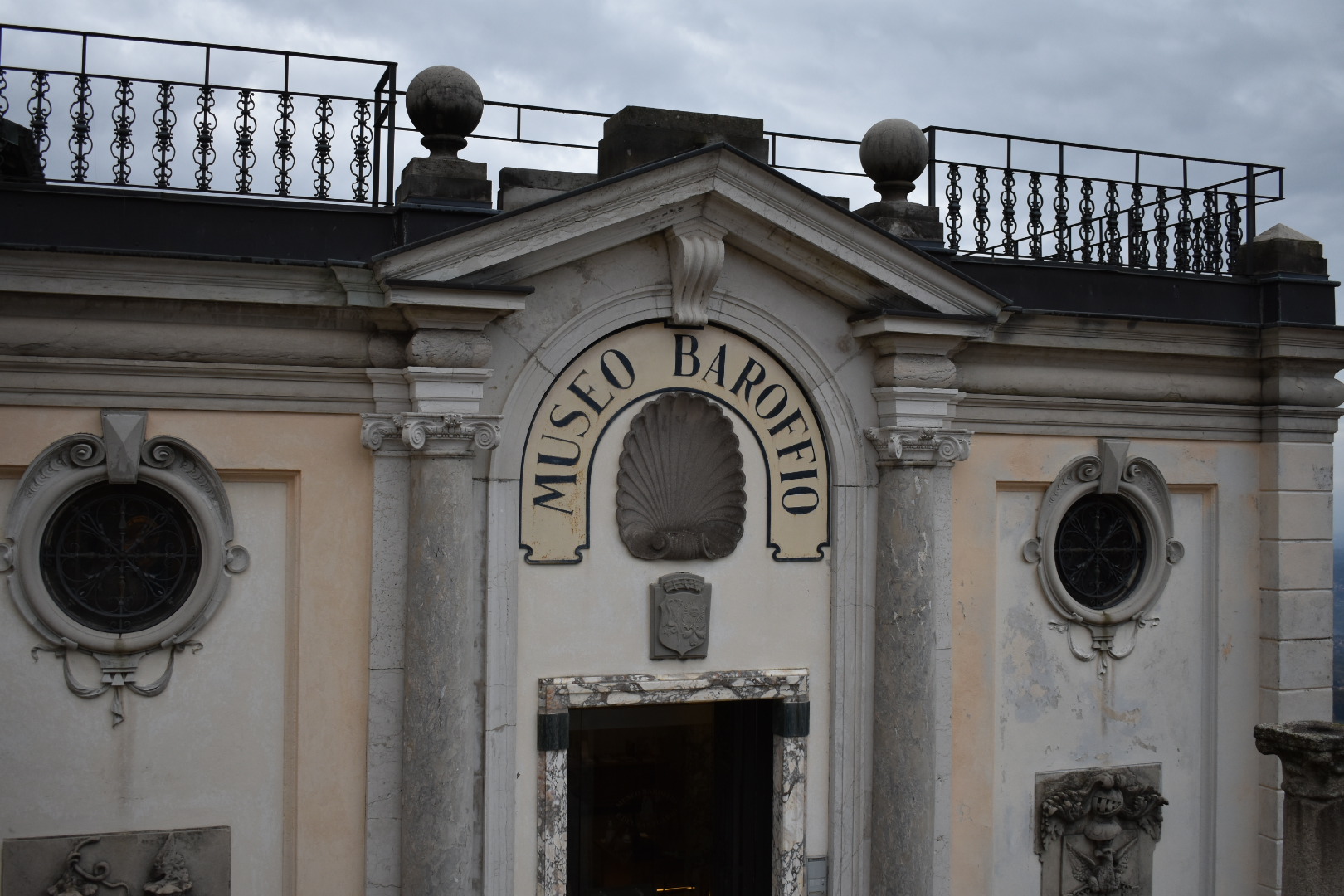
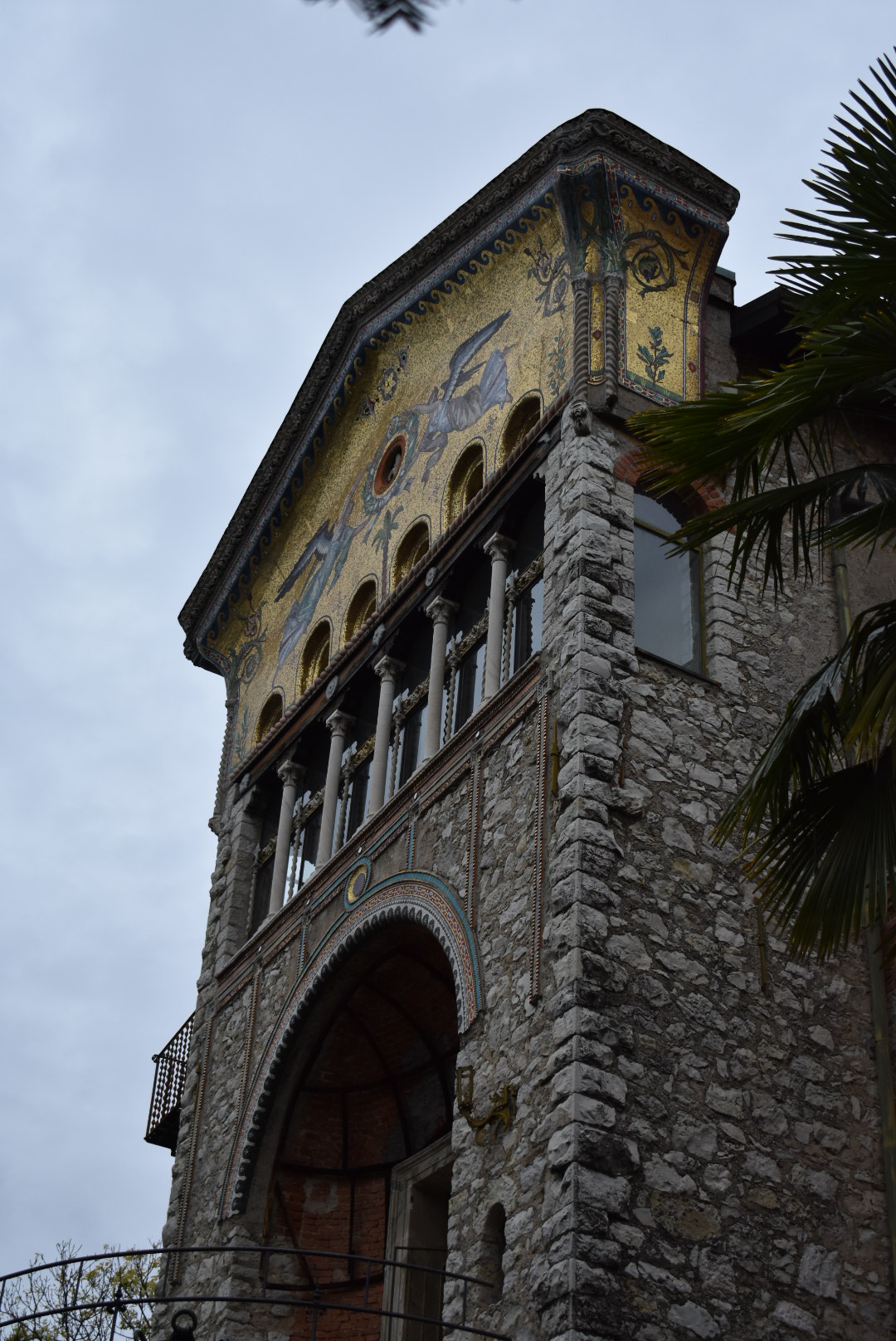
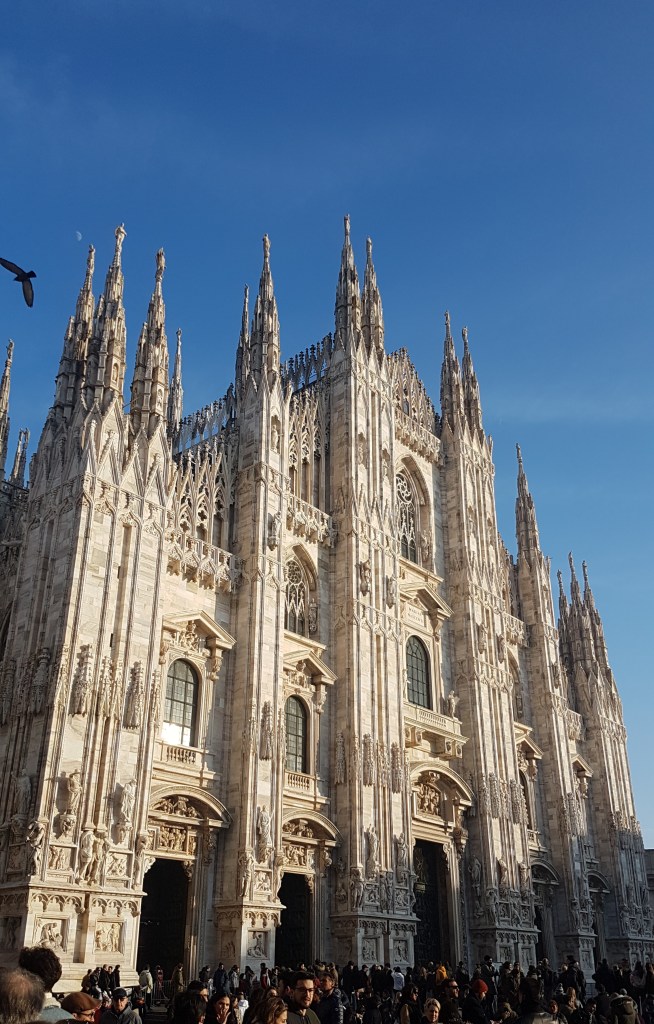
One of my favourite things in the village was the Casa Museo Ludovico Pogliaghi. Pogliaghi was a painter, sculptor, architect and set designer. His most famous piece is the central door of the Duomo di Milano, an incredible work of art not to be missed. You can see the original piece in plaster inside the museum.

OPENING HOURS: From mid-March to mid-November: Saturdays, Sundays and holidays: 10 am – 6 pm  //  From June to August: Friday night opening: 6.30 pm – 10.30 pm  // The museum opens during the week for groups and guided tours, reservation needed.

TICKETS: Full price ticket for the museum € 5 // Combined ticket (you can visit the three main museums in Sacro Monte di Varese and it lasts 6 months) € 12 // Reduced ticket (kids 4-12 years and groups): € 3

Lunch at Hotel Colonne

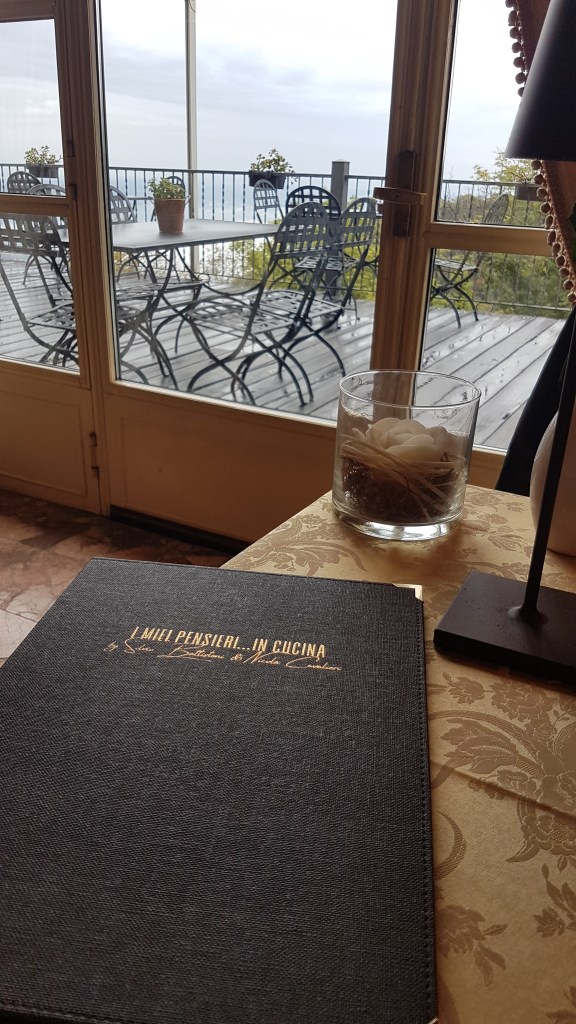
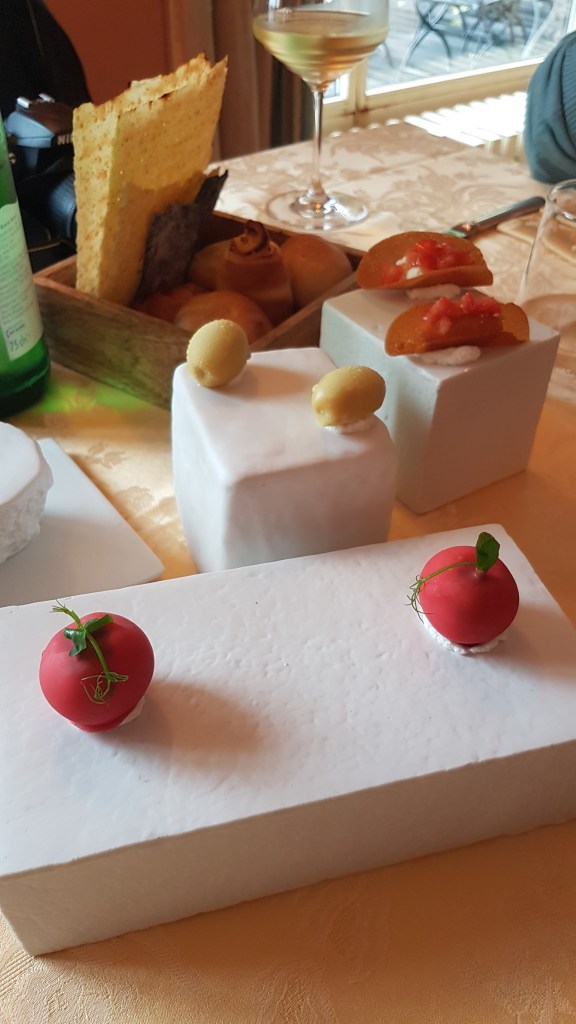
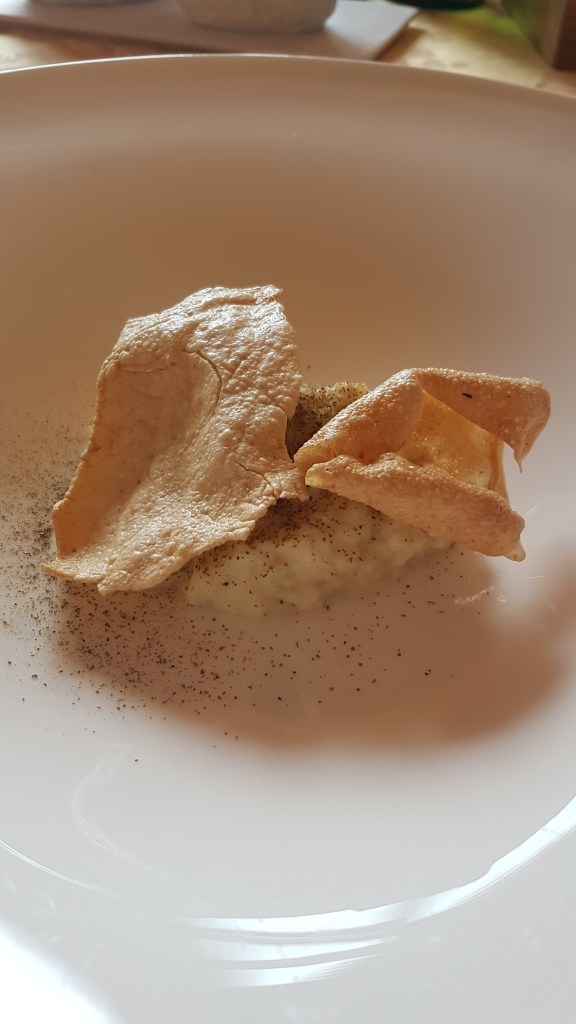
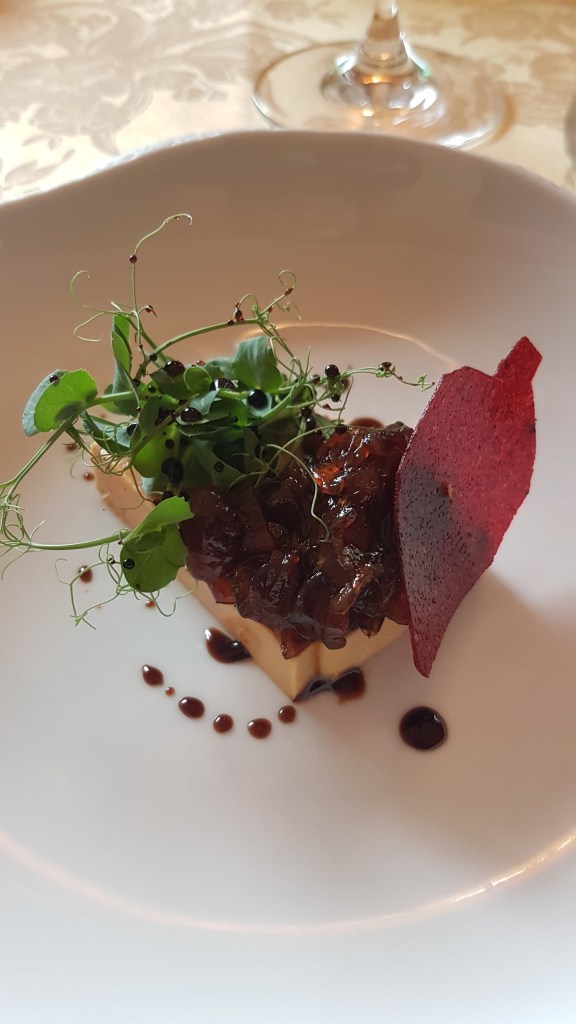
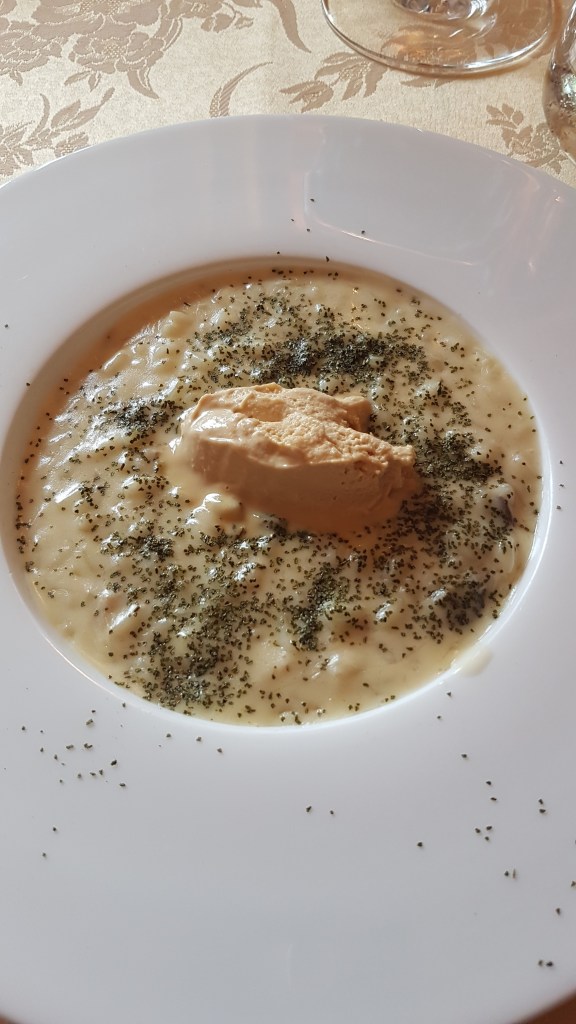
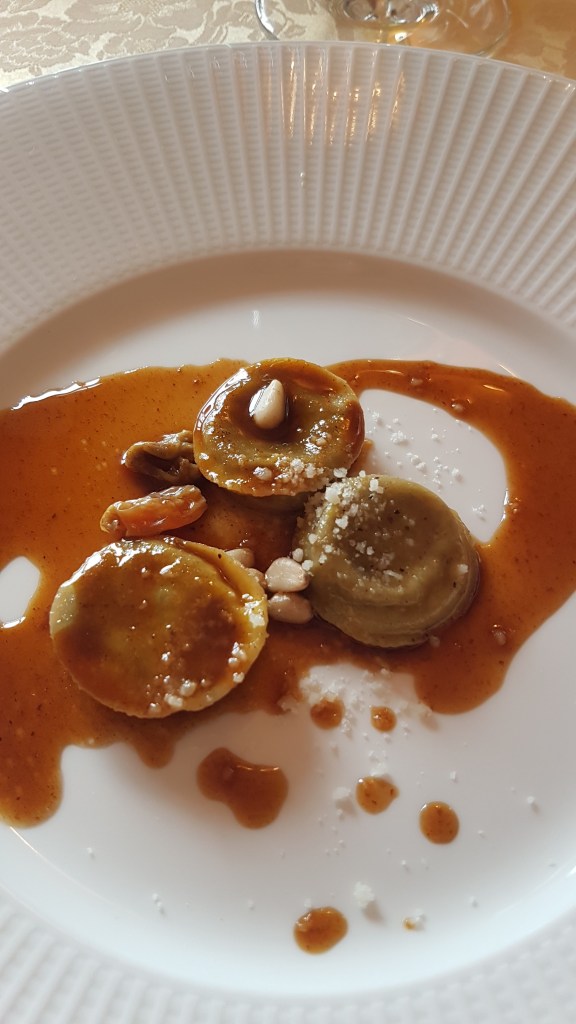
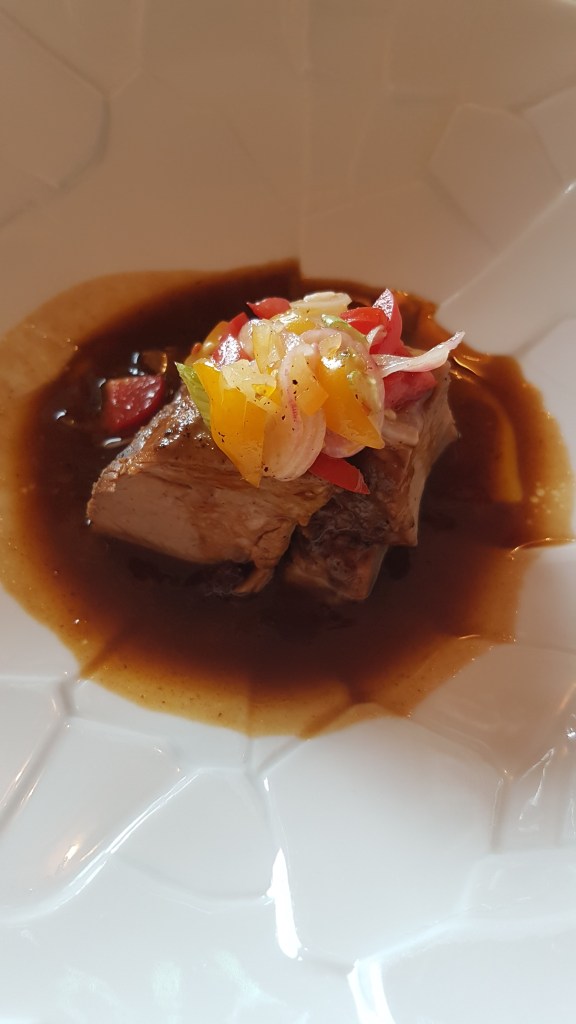
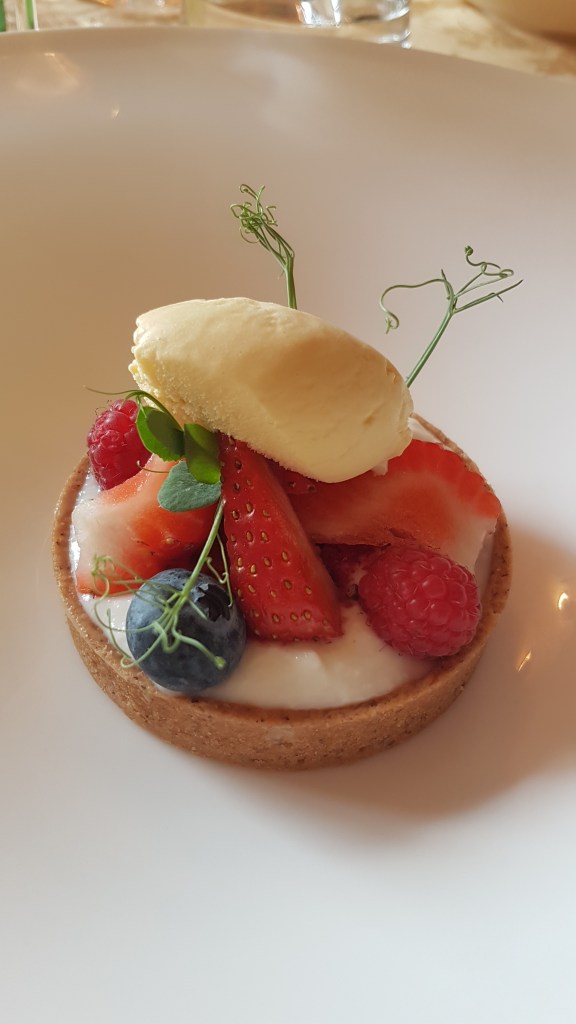
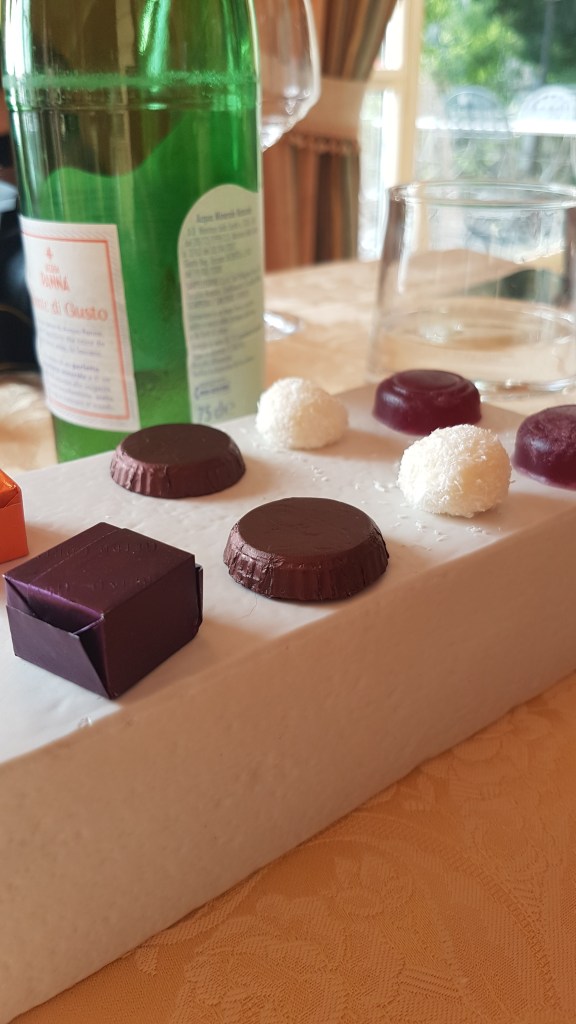
For lunch, we found a lovely restaurant with stunning views, where we had a six-course tasting menu by Michelin-starred Silvio Battistoni (Executive Chef). The food was excellent and the service was impeccable.

Each dish is a reflection of Chef Battistoni’s creativity, guided by his passion and sensations. Sommelier Nicole Cavalieri works closely with him to choose the accompanying wines. With each course, Chef Battistoni and Sommelier Cavalieri’s creations provide guests with an evening of truly edible delight at Colonne Hotel Restaurant.

— Albergo Colonne

After an amazing lunch, we rolled out of the restaurant and did a little more exploring before heading home as it was still raining.

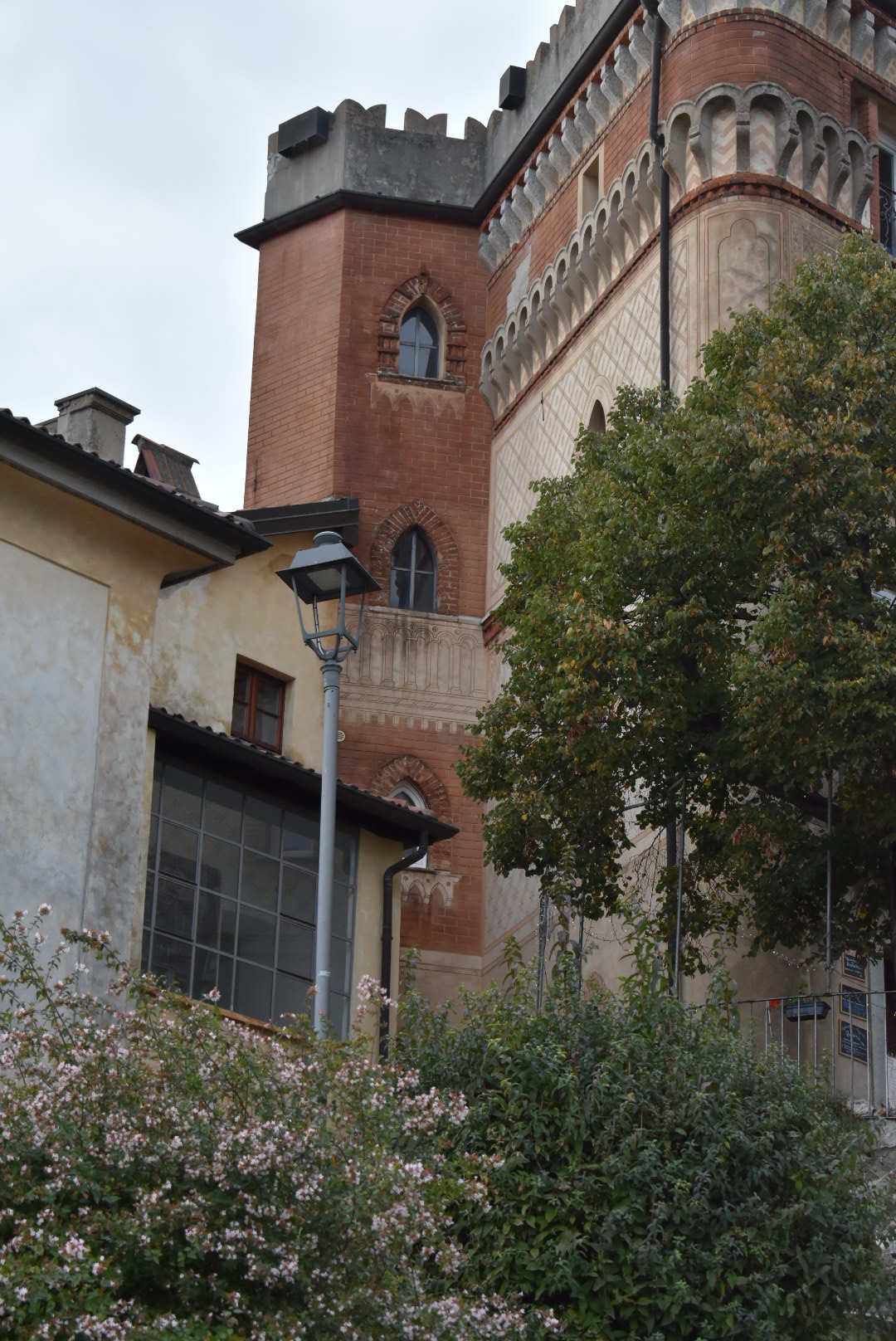
Here are a few more photos from Sacro Monte.

Hope you enjoyed this post and found it helpful.

Until next time!
From Rome with love

A four-day itinerary in Rome

The first time I visited Rome was in 2017 and I will never forget that trip. It was, after all, my first time in Italy! It was everything I had imagined it to be and more. Rome is such an incredible and breathtaking city. I still remember the first time I saw the Colosseum and Trevi fountain, it was such a dream come true. Who would have thought that a few years later I would be living in Italy? When my parents came to visit me for the first time, I had to take them to Rome. Visiting the city with my parents was even more special, even more so, as it was their first trip after the pandemic. I recently put together this itinerary for someone that was visiting the city and thought I would share it with you all.

Day 1

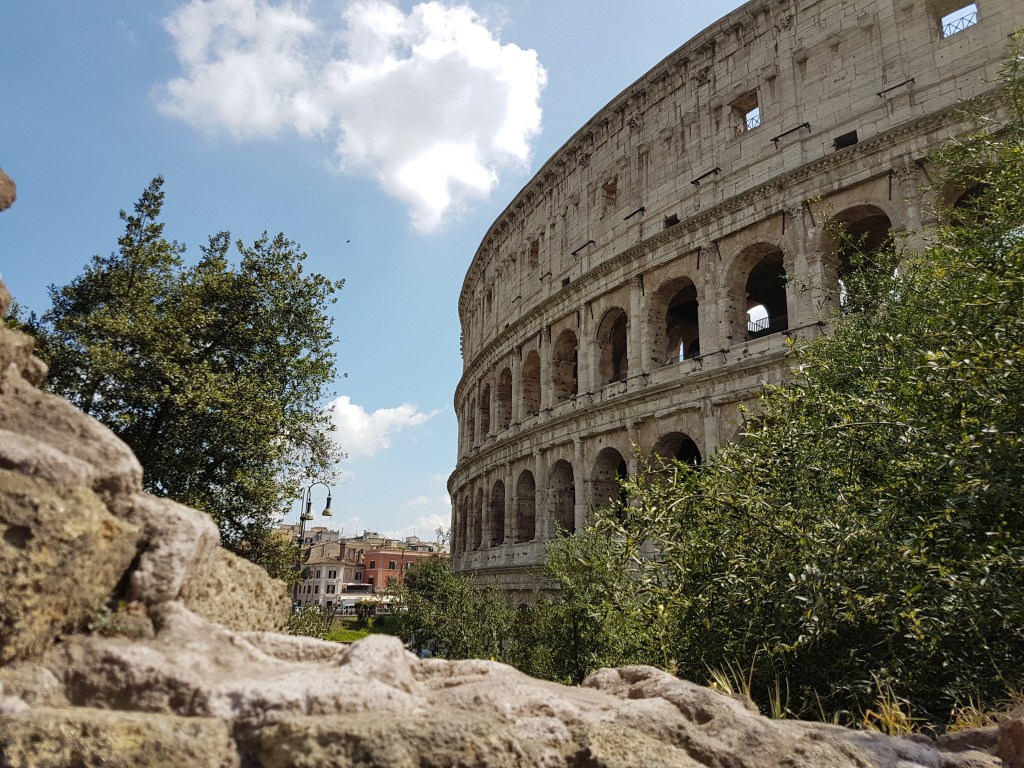
The Colosseum

If you think of Rome, what’s the first thing that pops into your head? you probably instantly think of the colosseum, so that’s where we’ll start.

It’s best to book your tickets in advance as queues can get pretty long pretty quick – you can get a combined ticket that also includes the Roman Forum. For more ticket information click here.

Best spots to take photos without all the tourists? just walk towards the metro station for the colosseum and then walk up the steps (be careful here, there are a lot of people trying to sell tourists fake tickets and other misc. items) keep walking and you’ll see a bridge where you can take some photos from and as you cross the bridge to the right there’s a small public park called Giardinetto del Monte Oppio. You can get some amazing photos from there.

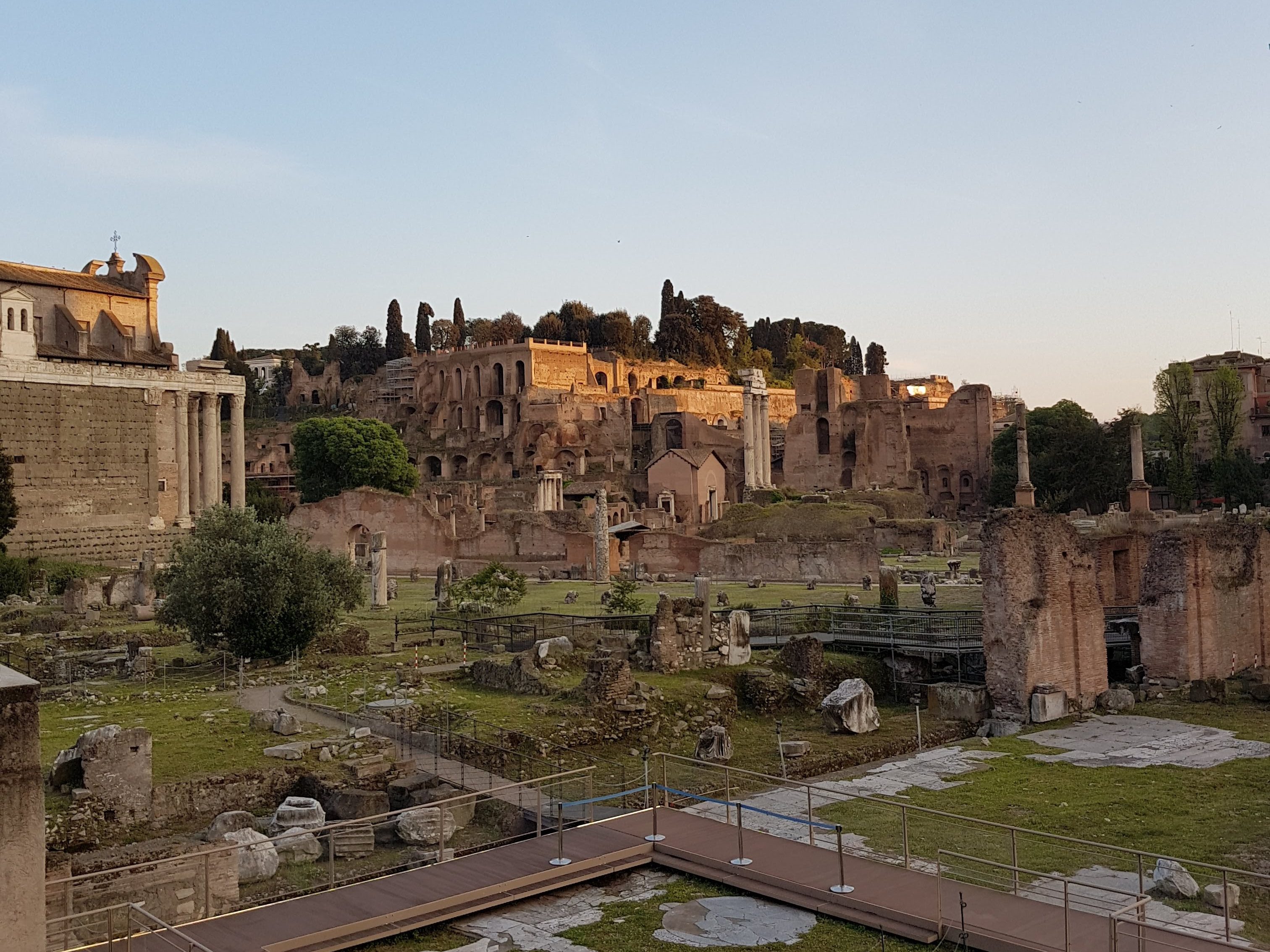
After visiting the Colosseum head across the road to the Roman Forum, this was the heart of the ancient city and one of the most important sites in Rome – entry is included in the Colosseum tickets.

Explore the area – there are so many ruins and monuments around the colosseum to see:

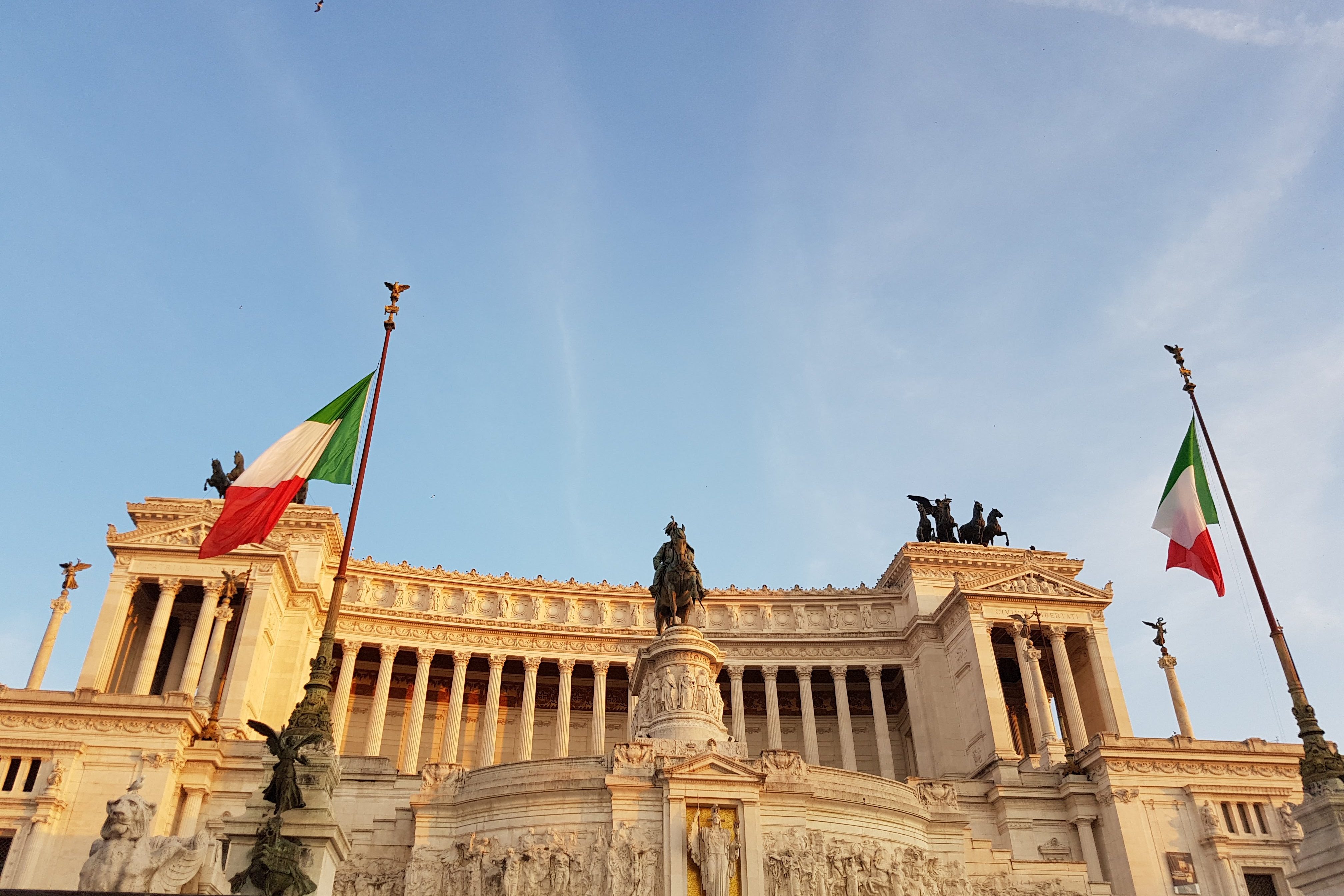
The altar of the Fatherland: The Victor Emmanuel II National Monument, also known as Vittoriano or Altare della Patria, is a large national monument built between 1885 and 1935 to honour Victor Emmanuel II, the first king of a unified Italy, in Rome, Italy. For 360° views of Rome, make your way to the Ascensori Panoramici (Panoramic lift). To reach the platform you will need to walk to the back of the building (12€ per person open until 19:30 last lift going up at 18:30/18:45)

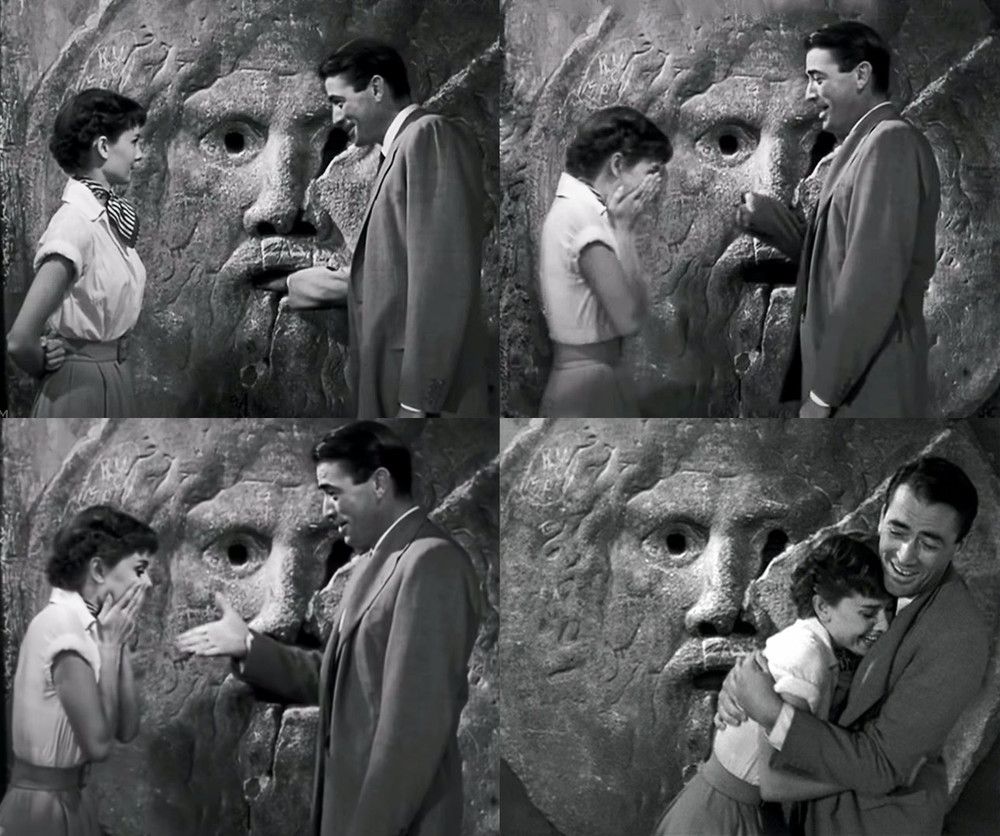
The mouth of Truth (Bocca della Verità) – a popular attraction due to the myth attached to it (if you tell a lie it’ll bite your hand off) and an iconic movie moment (made famous by Audrey Hepburn and Gregory Peck in the film, Roman Holiday). It’s free admission and open from 09:30 – 17:50. Located in the church of Santa Maria in Cosmedin.

From the movie “Roman holiday”

Explore the area of Trastevere and head to Gianicolo Hill for the best view over Rome at sunset. From the belvedere, you’ll be able to see the Pantheon, the Altare alla Patria, Castel Sant’Angelo and St. Peter’s Basilica.

Day 2

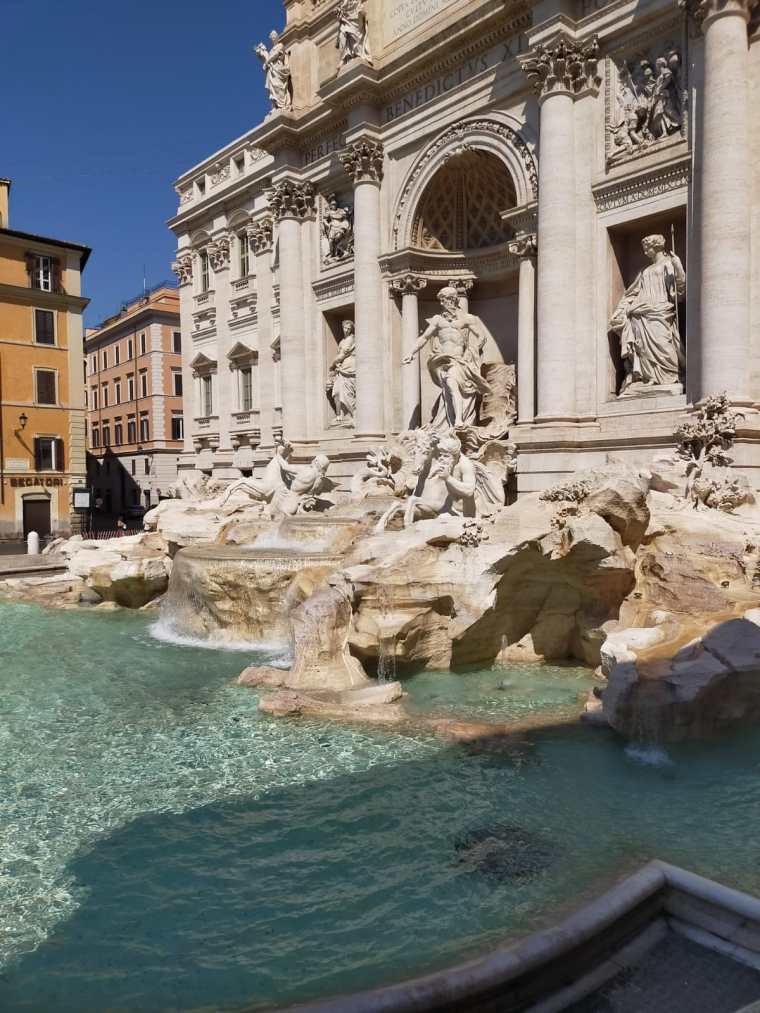
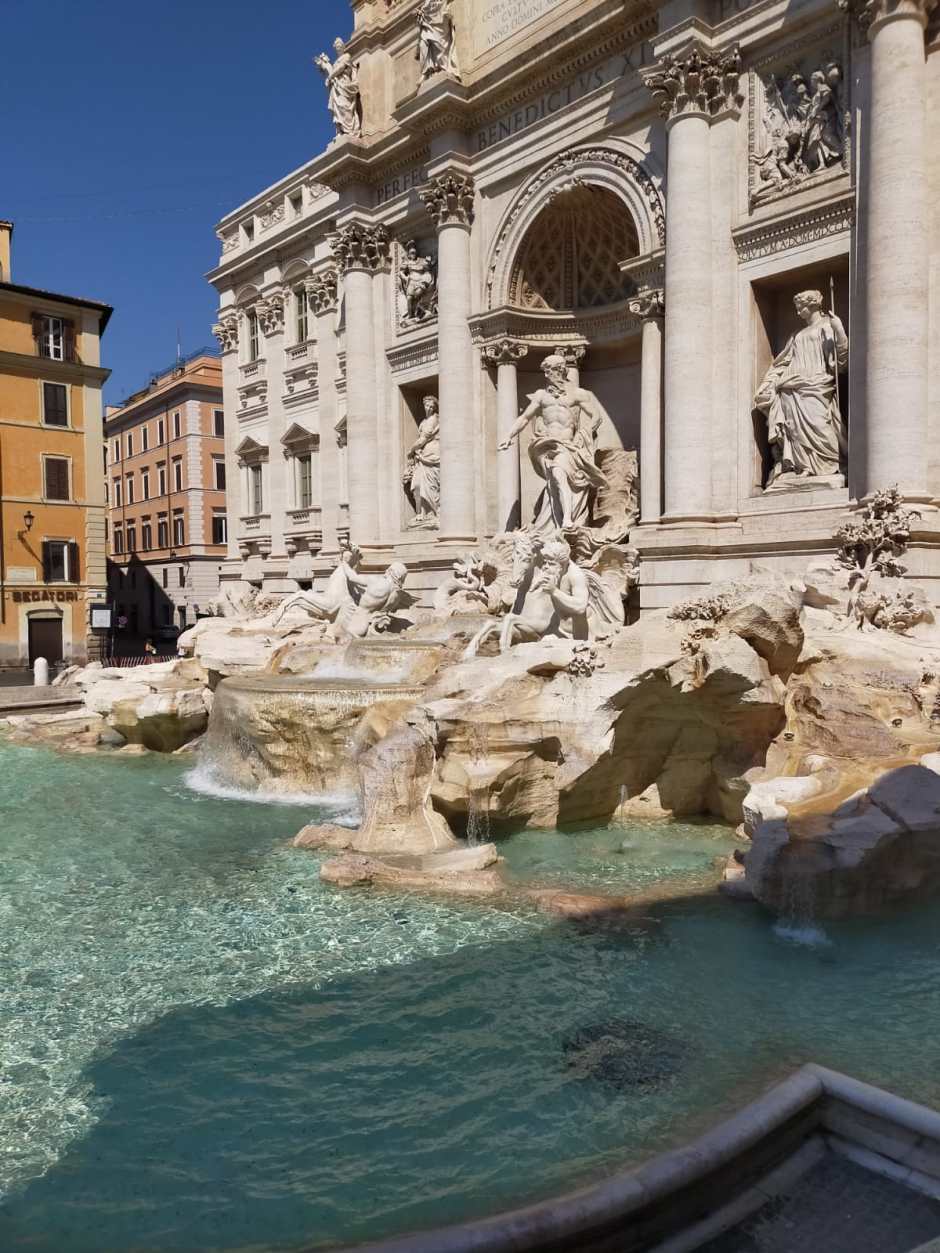
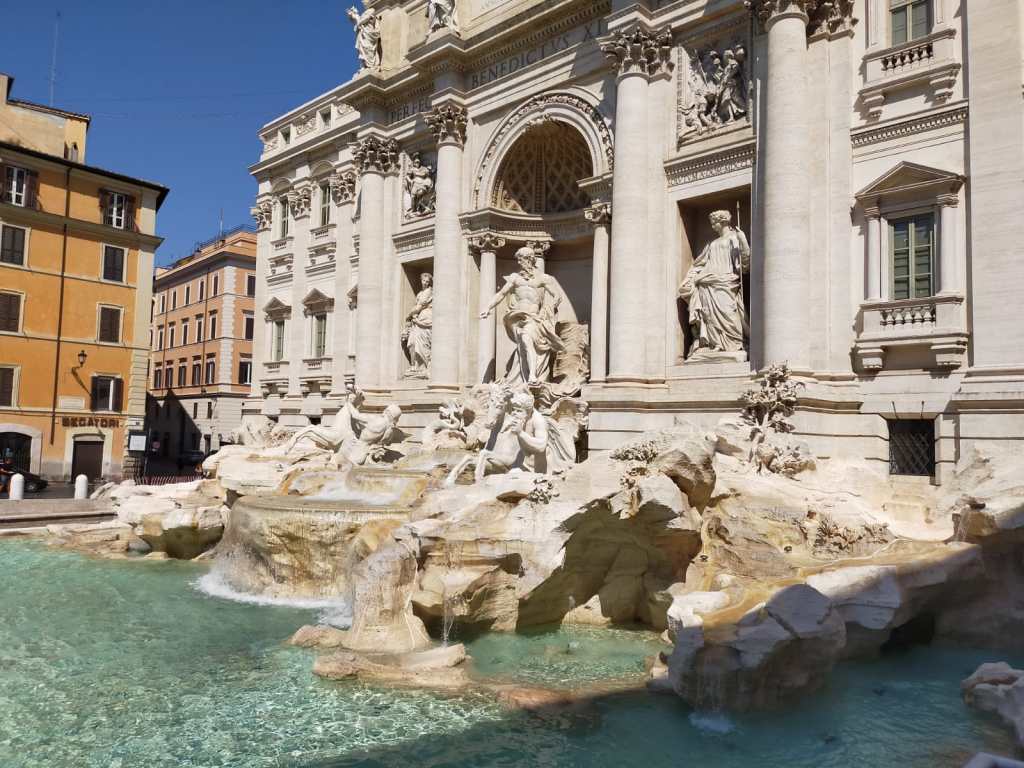
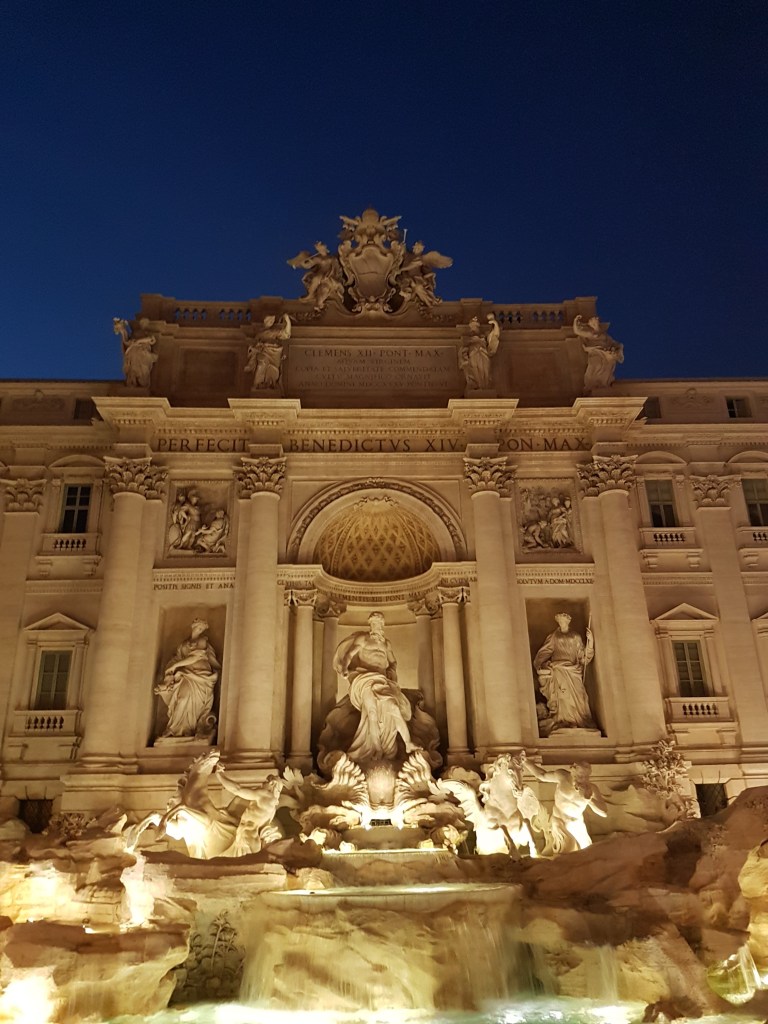
Wake up early and head over to the Trevi Fountain to avoid the crowds, once you’re done here head over to La Citta di acqua (which translates as the city of water) – the ancient ruins under the fountain. It’s called Area archeologica – vicus caprarius.

Don’t miss out on seeing the Trevi fountain also at night as it’s even more special all lit up.

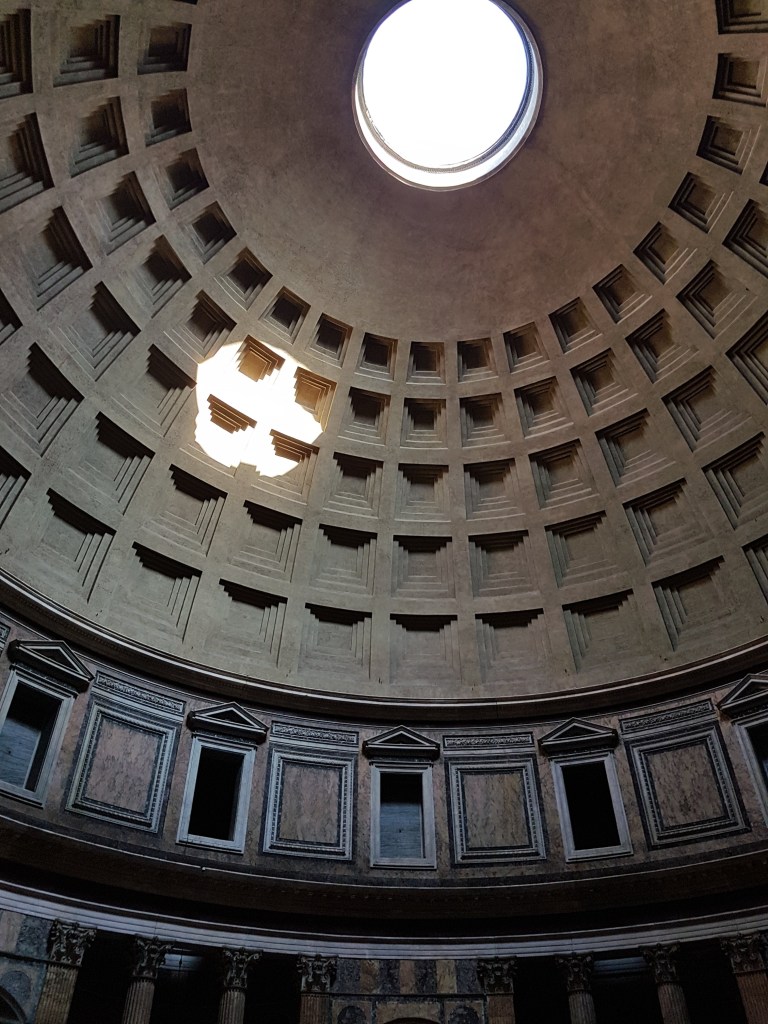
Next, head over to the Pantheon – Open from 09:00 until 18:45.

The Pantheon is a former Roman temple that later became a catholic church. Almost two thousand years after it was built, the Pantheon’s dome is still the world’s largest unreinforced concrete dome. It is also one of the best-preserved ancient Roman buildings in existence.

Free admission from Monday to Friday. For weekends you’ll need to book at least one day in advance.

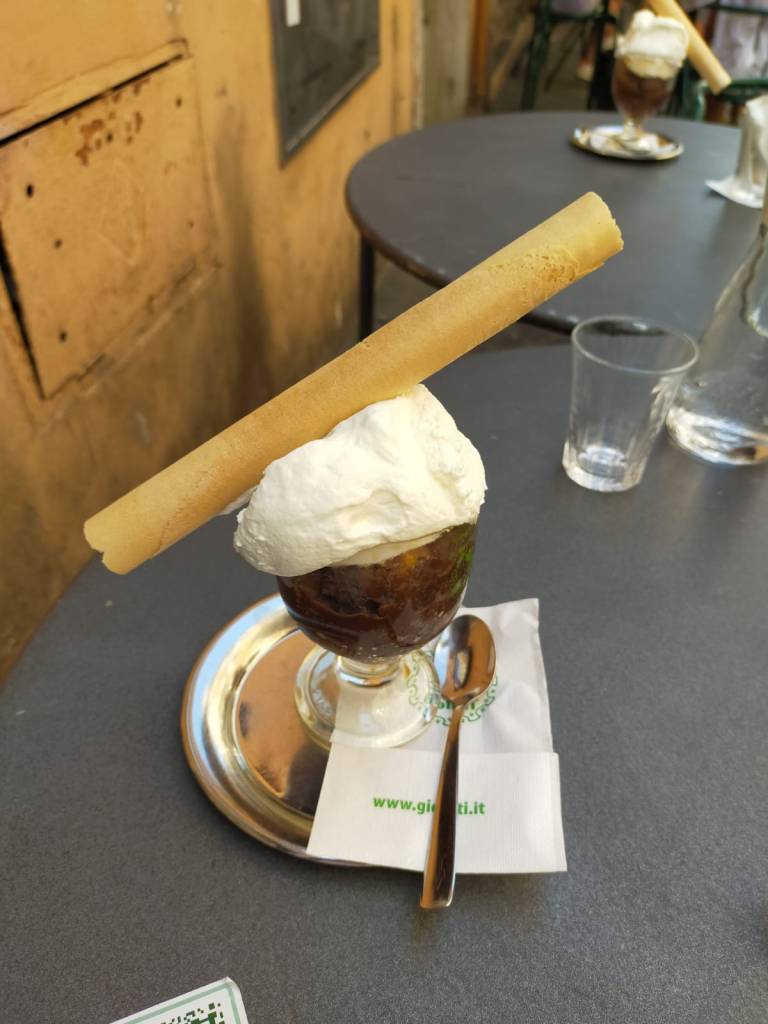
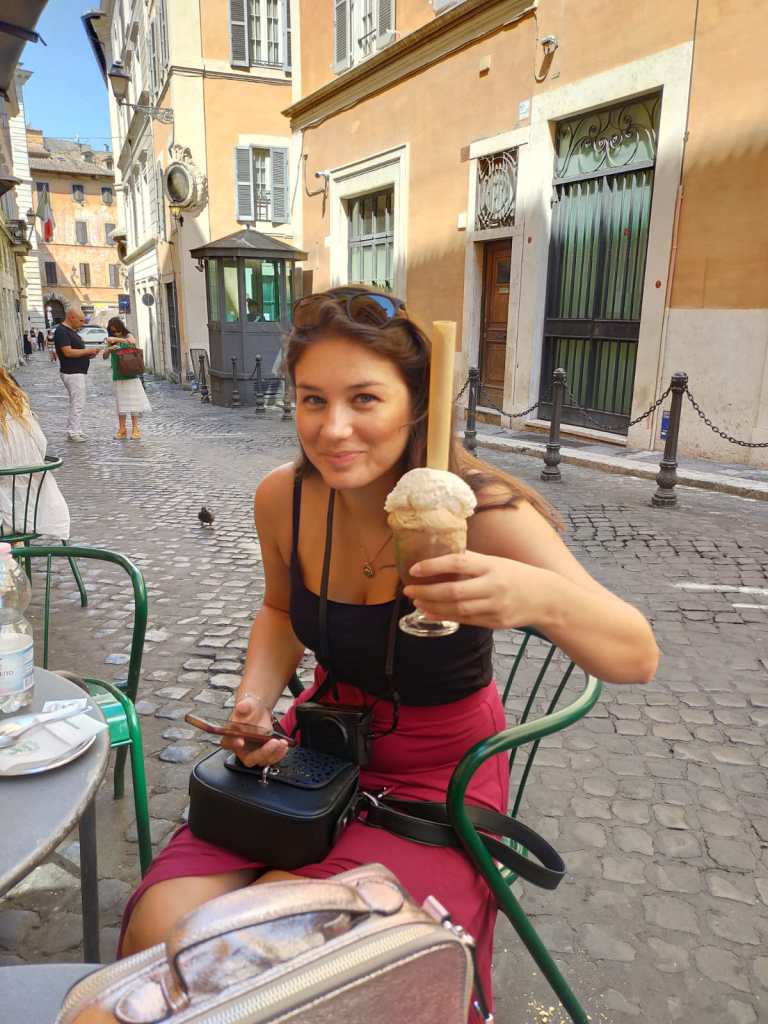
If you need a break, near the Pantheon you’ll find the best gelato in Rome at Giolitti – it’s one of my favourites. I always get a scoop of hazelnut gelato with a scoop of chocolate topped with fresh cream. The pastries look amazing too, but I haven’t had the chance to try them. Might just have to take a little trip down to Rome!
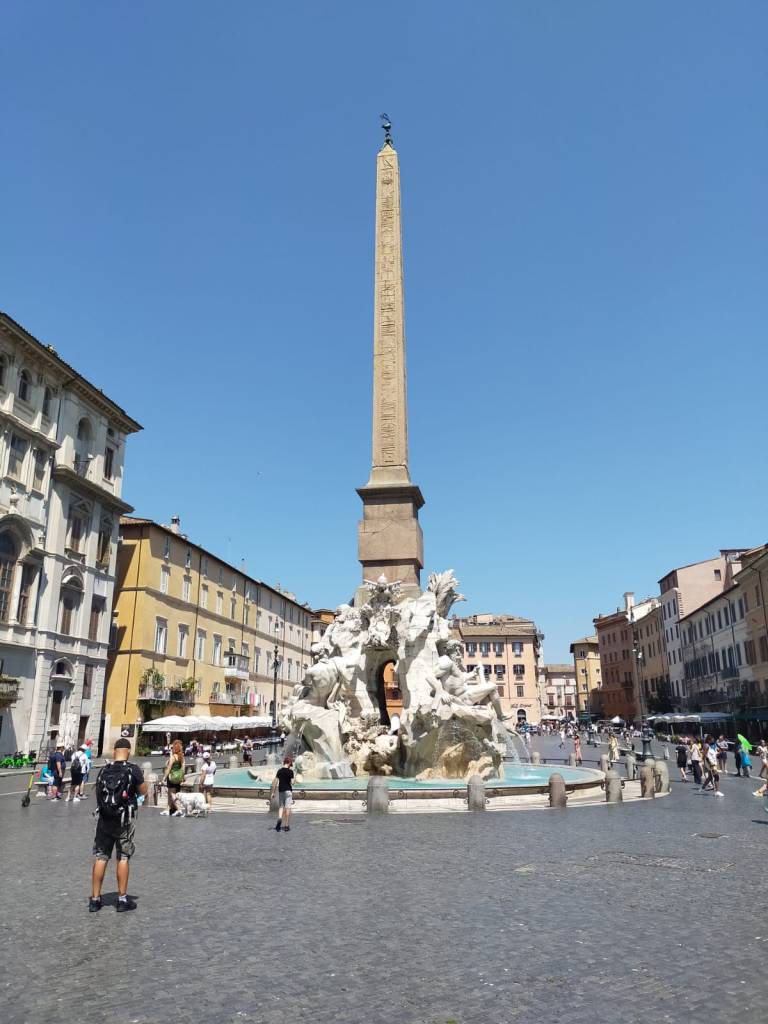
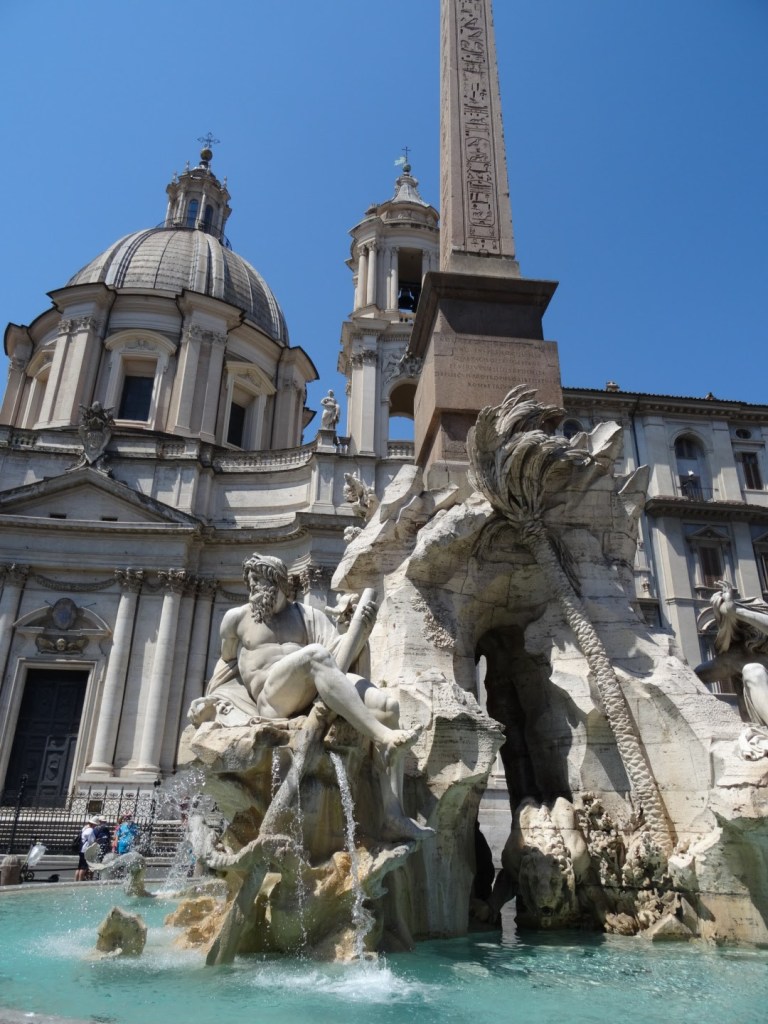
Once you’re done at the Pantheon, head over to Piazza Navona – a beautiful square from the 1st century A.D. with lots of bars, cafés, places to eat and the beautiful Neptune Fountain.

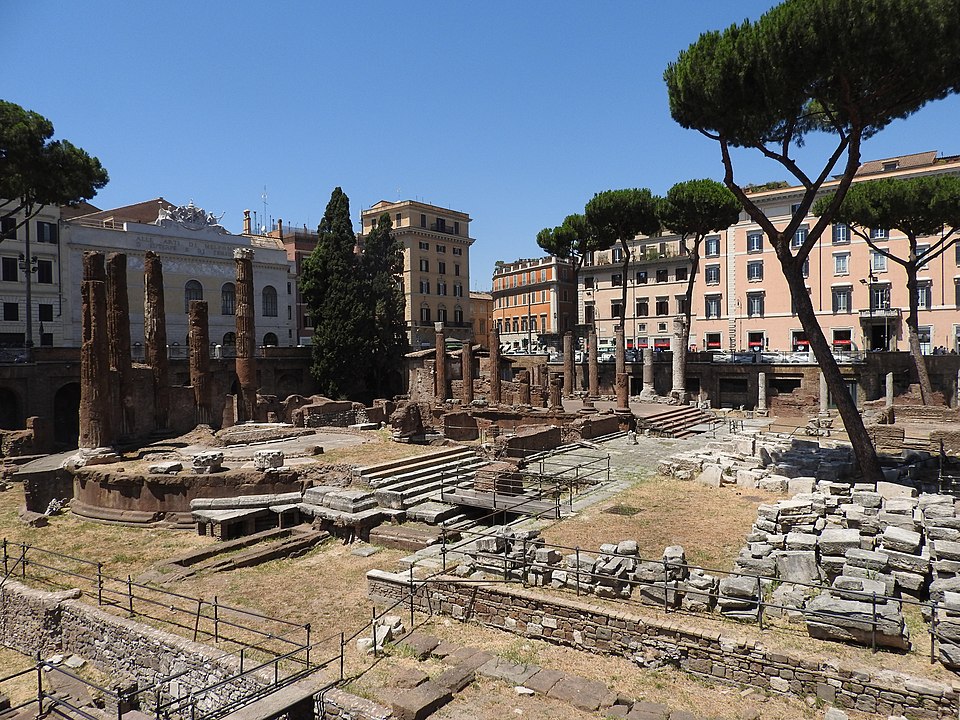
Largo di Torre Argentina is a square where you’ll find the ruins of four Roman Republican temples and the remains of Pompey’s Theatre. It is in the ancient Campus Martius.

Julius Caesar was assassinated in the Curia of Pompey, and the spot where he is believed to have been assassinated is in the square.

For any cat lovers, there is also a cat sanctuary here.

Day 3

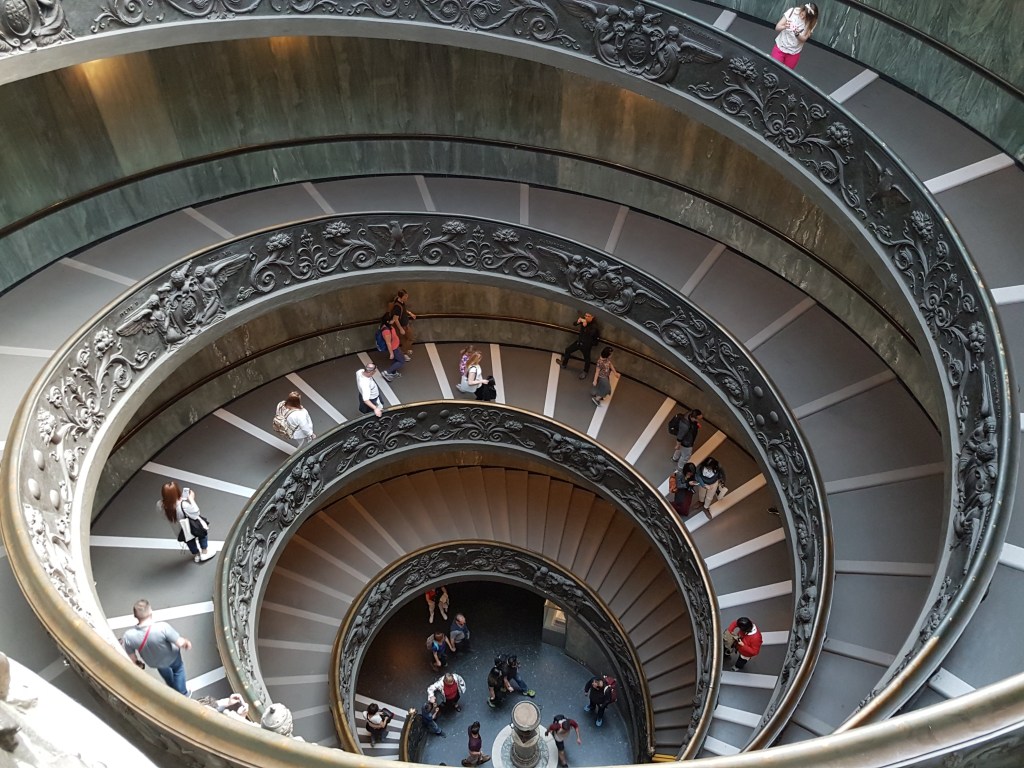
Start the day with a visit to The Vatican museum – make sure to book in advance to avoid queues. I recommend doing a self-guided tour with audio guides rather than going with a guided group as it gives you a little more freedom and you won’t see anything extra on a guided tour. I have been to the Vatican twice and enjoyed the self-guided tour much more than the group one.

The Vatican Museum is quite large so you will probably spend a lot of time there. The Sistine chapel and these incredible corridors full of paintings are spectacular. For ticket information click on the link below.

If you can’t find tickets on the main website check out tiqets.com or getyourguide.com

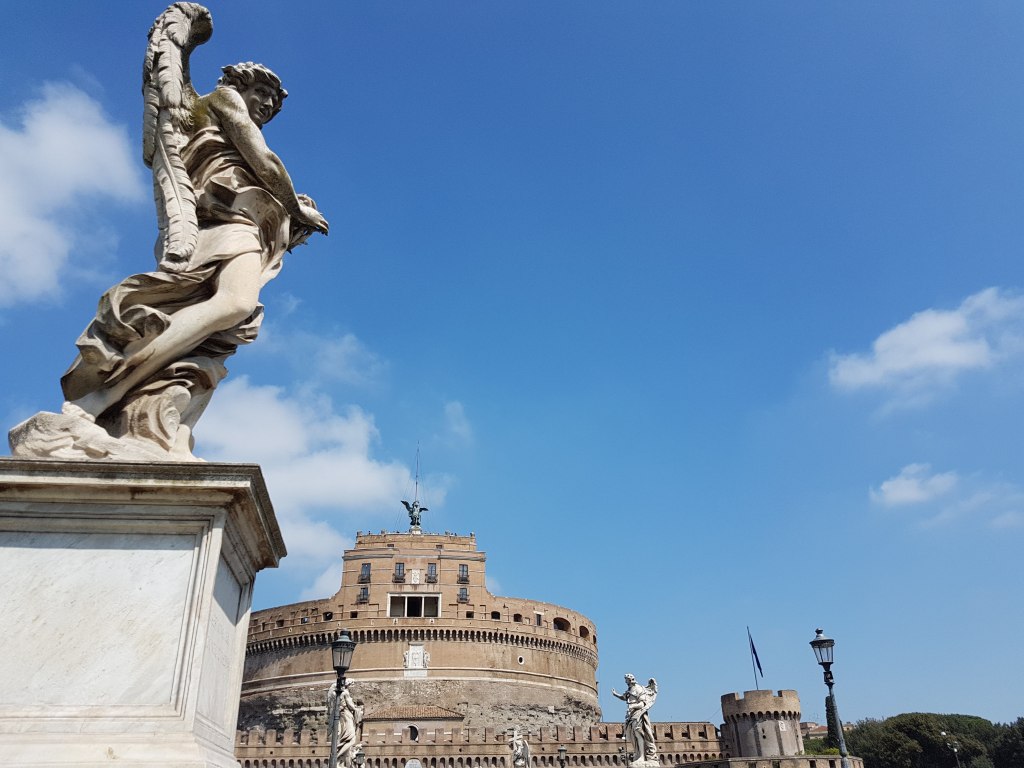
Once you’re done at the Vatican Museum head over to the Museo Nazionale Castel st Angelo – Open Tuesday to Sunday, 09:00 until 19:00. Don’t buy tickets from anyone outside of the Castle. Due to the number of tourists, it’s always advisable to book online in advance. Tickets are 13€ per person.

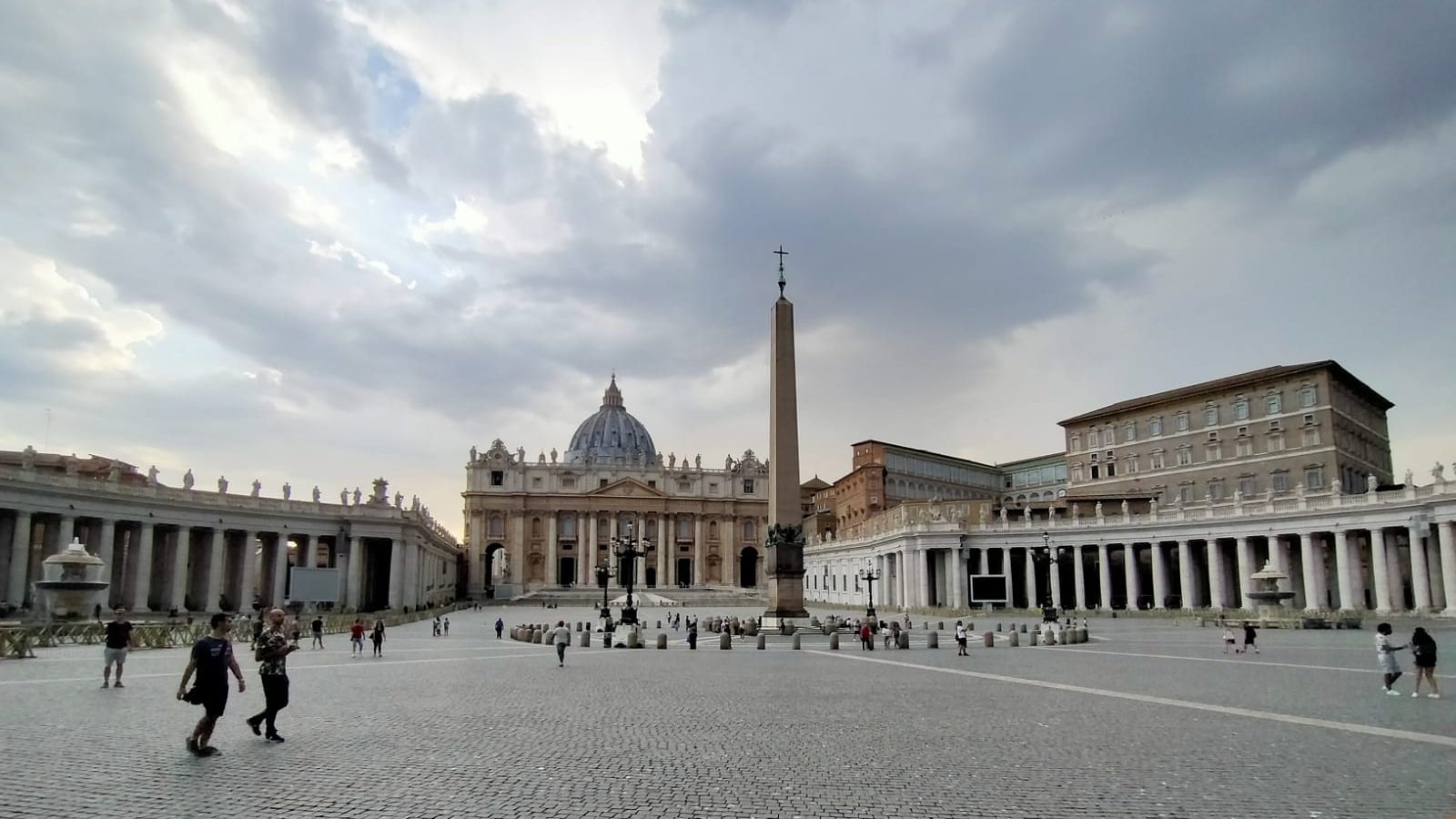
Next, head over to St. Peter’s Basilica – Free entry (open from 07:00 – 18:30) don’t forget to take advantage of the chance to go up to the Dome of the cathedral. From here you’ll be able to see the Piazza San Pietro. You can walk up the steps (551 steps) or pay a little extra and take the lift halfway. During October, the pope holds a service every Wednesday at 12:00. When visiting, shoulders and knees should be covered.

Day 4

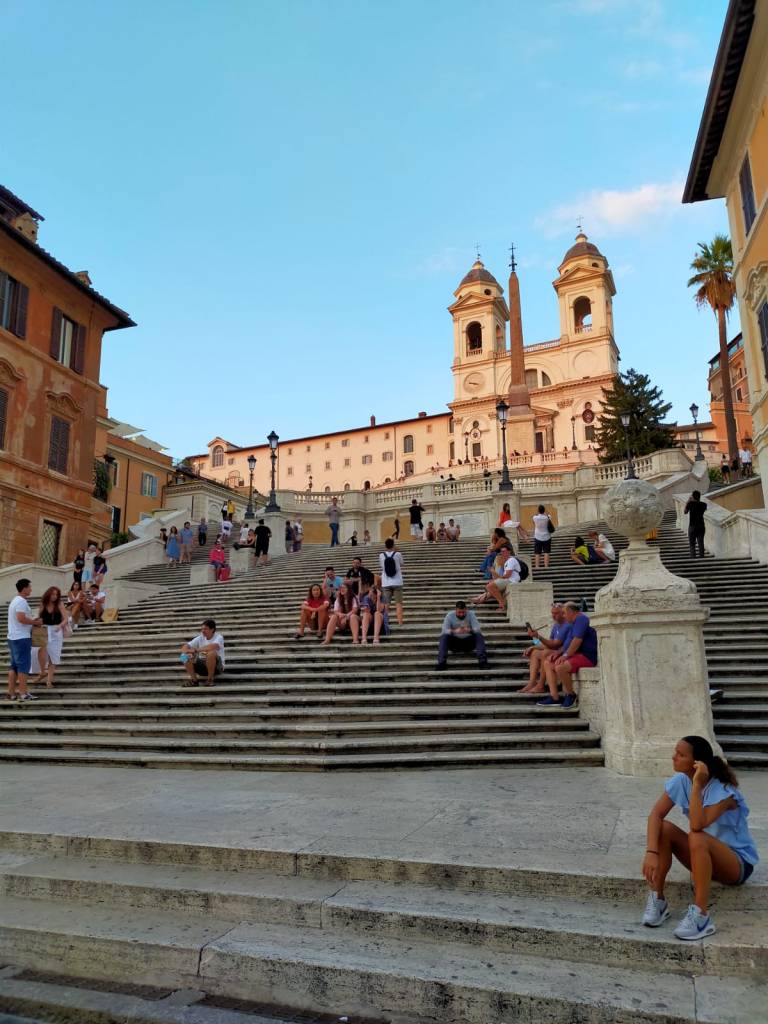
The Spanish Steps: you’ll find the most famous steps in Rome between the Piazza di Spagna at the base and Piazza Trinità dei Monti, dominated by the Trinità dei Monti church, at the top. On this Piazza di Spagna, you can also find a fountain by Pietro Bernini, called ‘Fontana della Barcaccia’. This literally means ‘Fountain of the ugly boat’. This does not refer to the sculpture being ugly, but to the story that the river Tiber flooded in 1598 and stranded the ugly little boat on this spot. That was Bernini’s inspiration. If the French had had their way, there would have also been a large statue of the French king Louis XII near the steps. But the pope at the time would not allow that, leading to construction being delayed. Nowadays, the area surrounding Piazza di Spagna is a luxurious shopping area, with the street Via Condotti being the highlight.

Villa Borghese (20€ per person, book in advance, check tiqets.com and getyourguide.com) Open Tuesday to Sunday 09:00 until 19:00 (Thursday closes at 21:00);

A gorgeous villa and museum and one of the largest parks in Rome. The ‘Galleria Borghese’ can also be found in the park. The gallery contains sculptures and paintings by artists such as Caravaggio, Rubens, Bernini and Leonardo da Vinci.

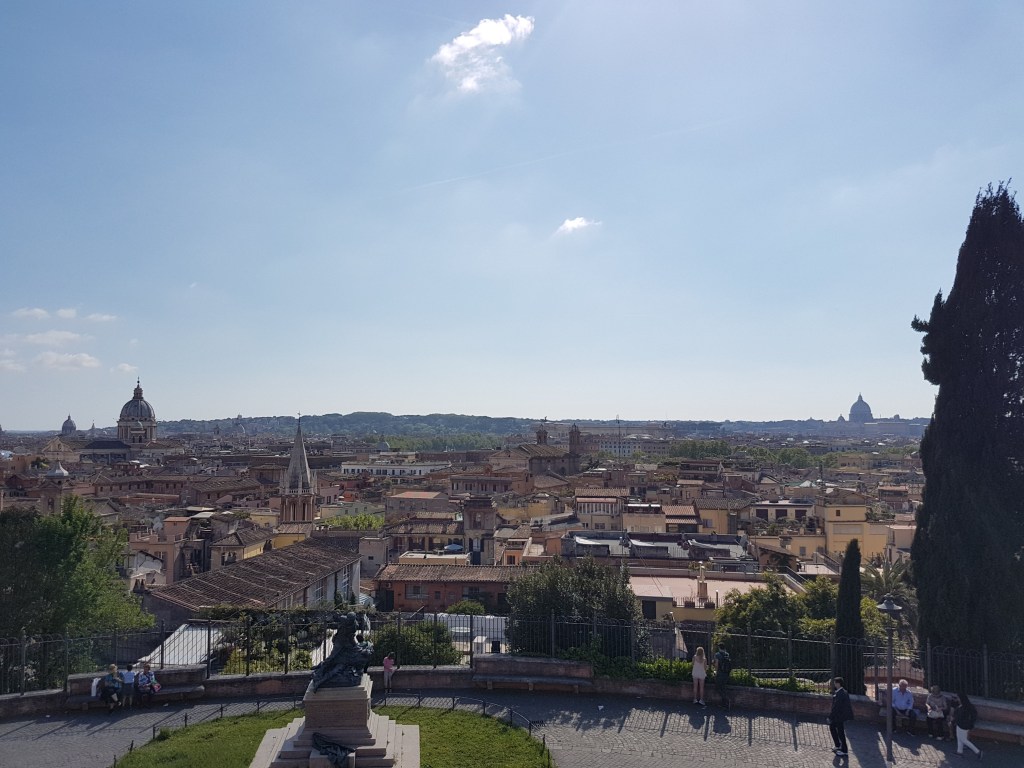
Another great scenic viewpoint of Rome is from Terrazza Viale del Belvedere which is what you can see below. It’s also a lot less crowded.

Terrazza Viale del Belvedere

Where to eat:

Near the Pantheon – Antica Trattoria da Pietro al Pantheon

Osteria da Fortunata – a 4-minute walk from Piazza Navona

MAMI Pizza – near Piazza Navona

Tonnarello restaurant – Piazza della Scala. Get yourself a cestino (basket) to start (fried little rice croquettes with different fillings) and the carbonara is a must.

On-the-go food: Bonci just outside the Mercato Centrale Roma.

Dessert:

Said: a restaurant housed in a former chocolate factory, what more is there to say? If you’ve tried the one in London (Soho) this is the original. A chocoholic’s dream.

Chocolate Boutique is open from Tuesday to Saturday 10:00 am to 20:00pm and on Sunday from 11:00am to 20:00pm.

Chocolate Coffee Shop Bistrò Restaurant is open from Tuesday to Thursday 17:00pm to 01:00 am, Friday and Saturday from 16:00pm to 02:00am and Sunday from 12:00pm to 20:00pm. Monday closed.

Giolitti: Oldest ice cream parlour in Rome and so good. Address: Via Uffici del Vicario, 40 it’s just a few minutes from the Pantheon. Open from 07:00am until 1:30am

Pompi: They specialise in Tiramisu, and you can enjoy the classic Tiramisu, but I urge you to try their pistachio Tiramisu or the banana and chocolate Tiramisu. The Hazelnut (nocciola in Italian) flavour is also delicious. There are quite a few in Rome so just type it into google.

Getting around:

You can visit everything on foot but if you want a break from walking there’s the metro which has three lines and is relatively easy to use. Buses are very unreliable.

If it’s something that might interest you; the Roma pass 48 hours card is 32€ per person. – https://www.romapass.it/en/home/

You can buy it from the link above or at museum tourist info points as well as ATAC (subway ticket office).

What’s included:

  • First museum/archaeological site/experience included
  • Free use of the city’s public transport network, for the entire validity of the card
  • Discount and special prices for exhibitions, attractions and tourist services
  • Dedicated booking arrangements for museums/archaeological sites
  • Experience with AR viewer: Circo Maximo Experience
  • Free access to toilets services of P.Stop network
  • Valid 48 hours from the first validation at museums and public transport

Free entry museums: Accademia Nazionale di San Luca, Museo Carlo Bilotti a Villa Borghese, Museo della Repubblica Romana e della memoria garibaldina, Museo delle Mura, Museo di Casal de’ Pazzi, Museo di Scultura Antica Giovanni Barracco, Museo Napoleonico, Museo Pietro Canonica a Villa Borghese, Villa di Massenzio.

If you’ve reached the end of this post, thank you for reading and I hope this has helped you plan your trip to Rome. Have a wonderful trip!
Did you enjoy this post?